Two-seat kayaks for €20 per 1.5 hours
The quieter river channels and backwaters are particularly good for paddling because a kayak lets you move through the reeds and shallow margins much more quietly than a motorboat.
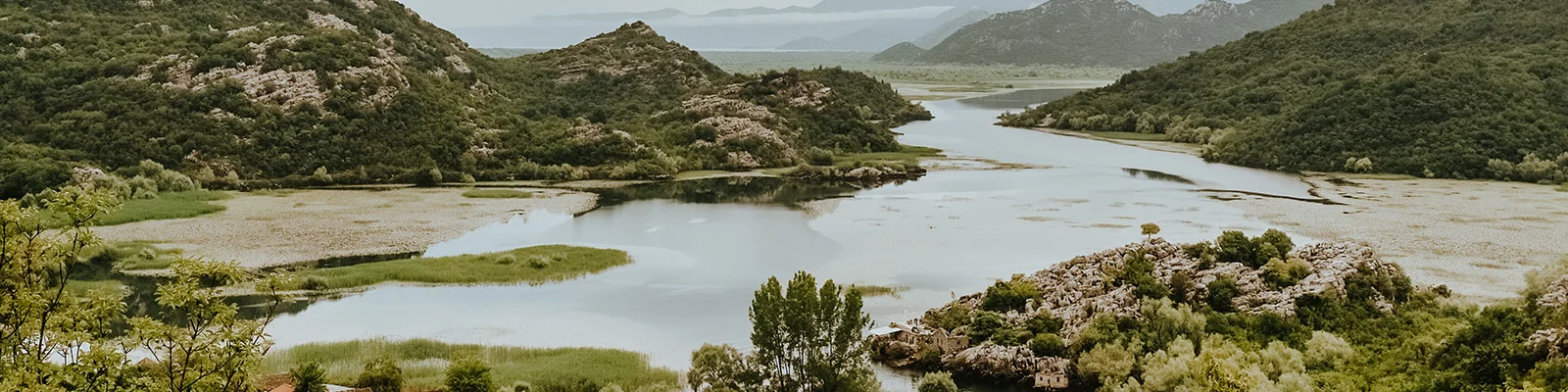
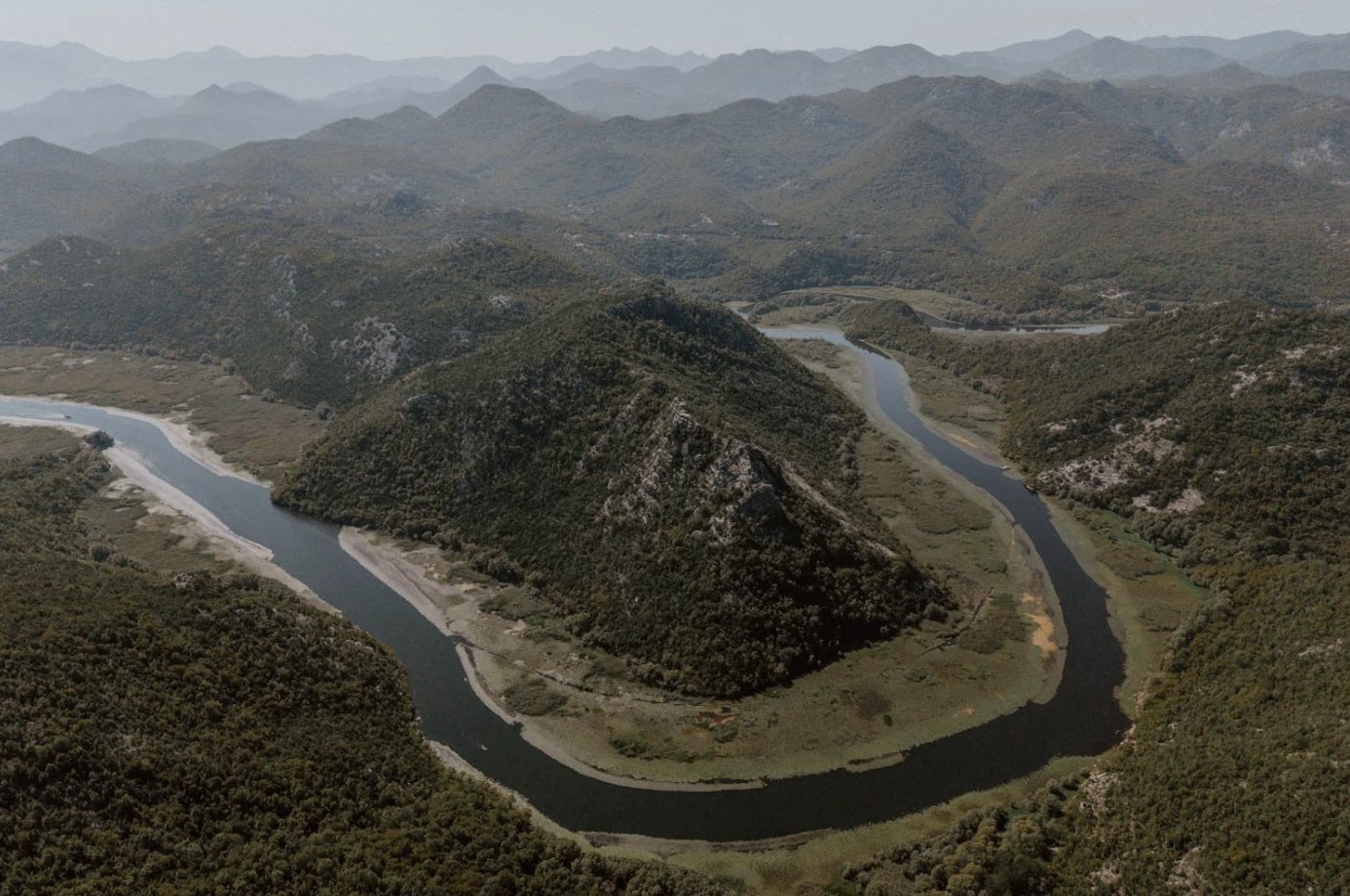
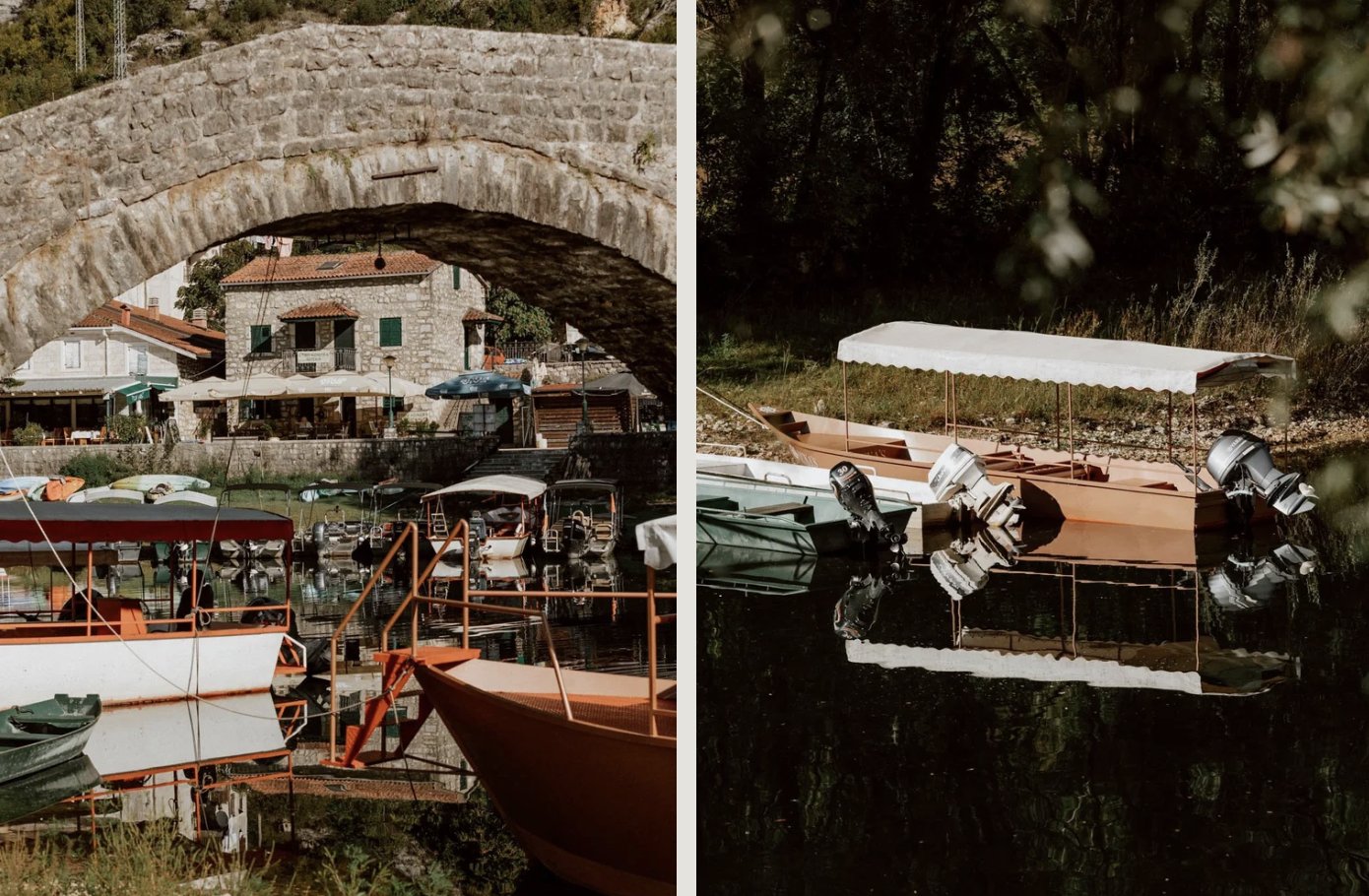
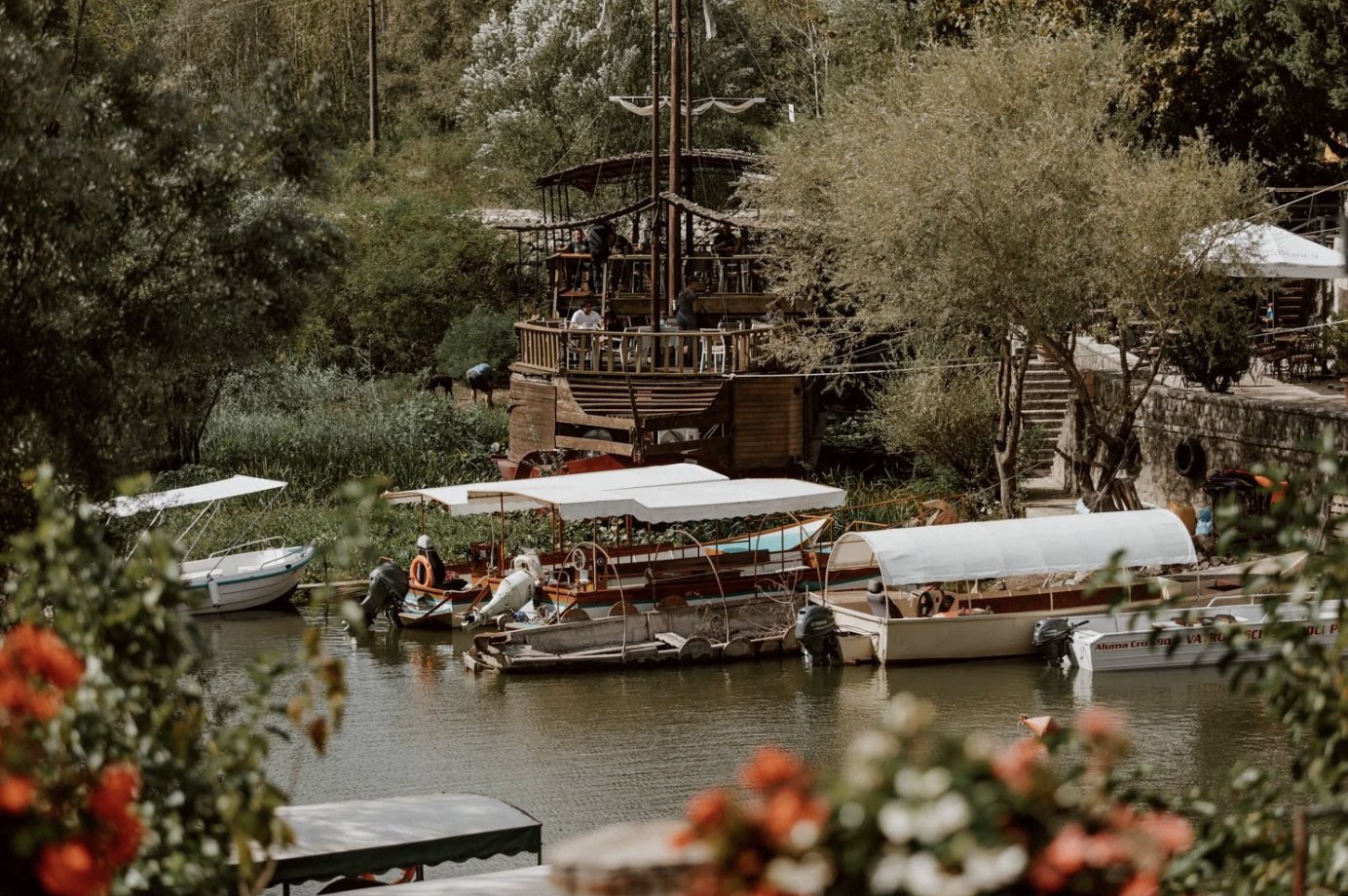
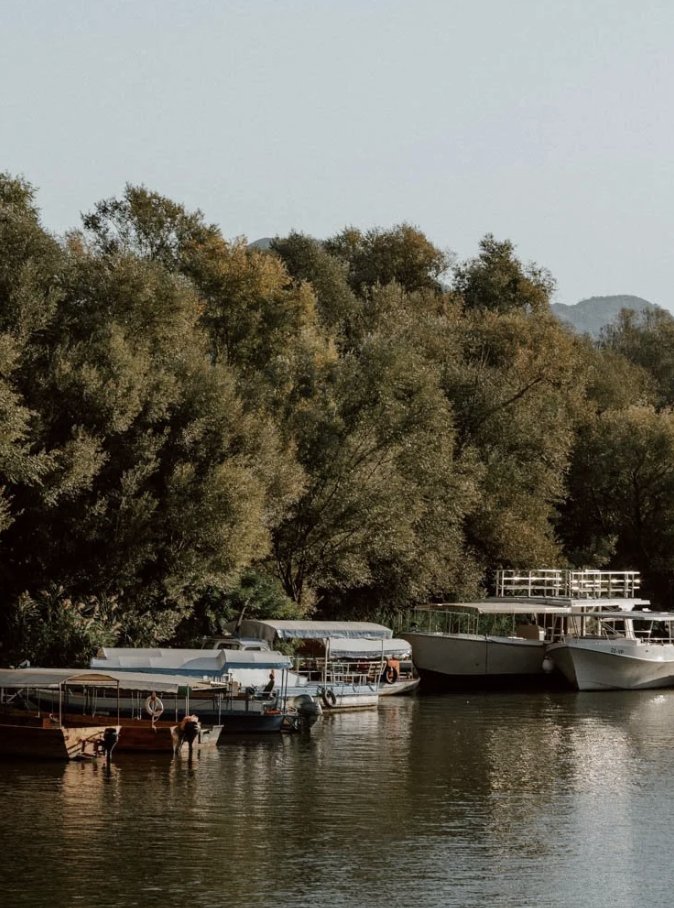
At the northern edge of Lake Skadar, the Crnojević River slows into a maze of broad bends, reed beds, flooded willow woods and quiet backwaters before opening into the lake. This is the landscape we call the Skadar Nile: part river, part wetland, part lake, and one of the most atmospheric sections of Lake Skadar National Park.
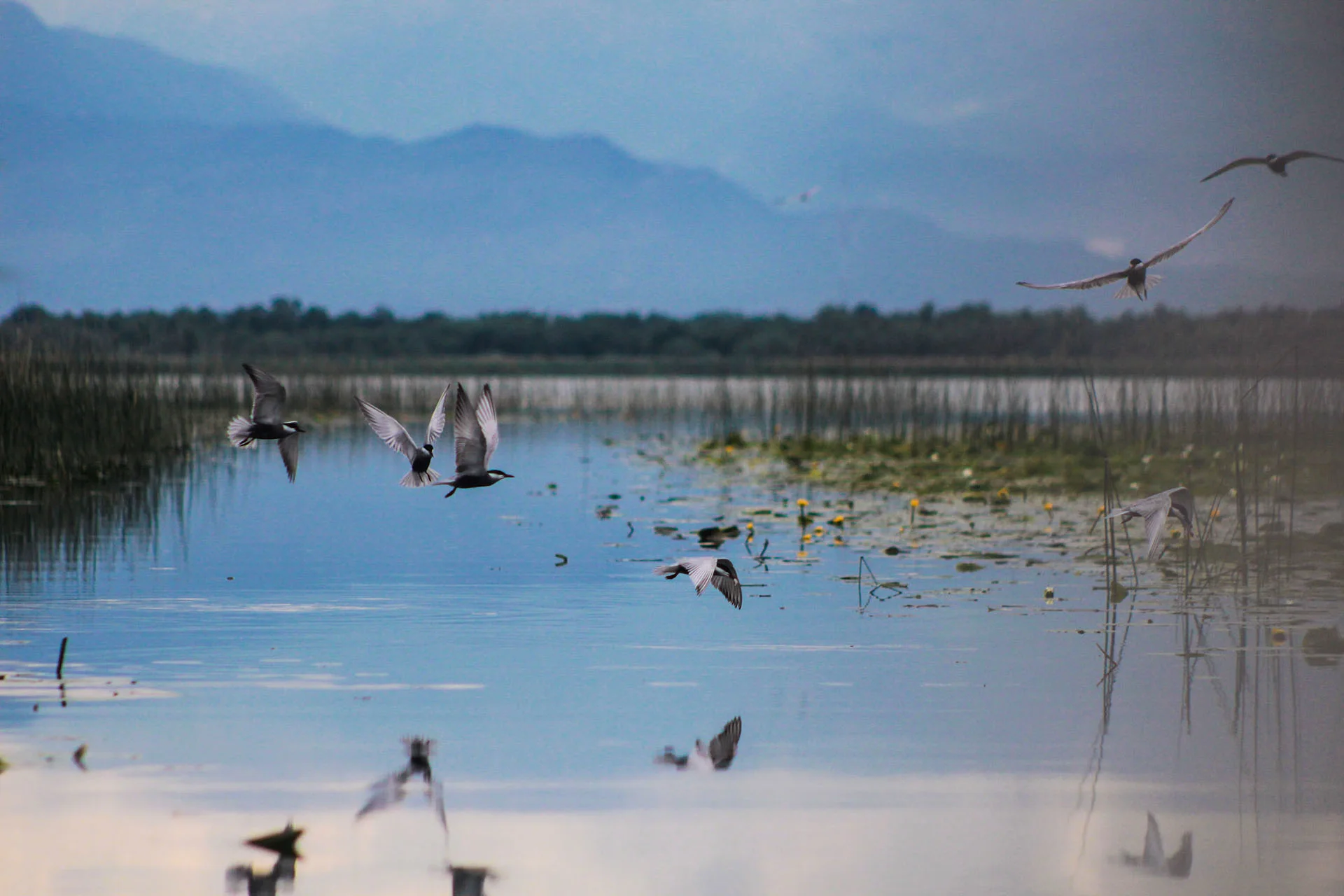
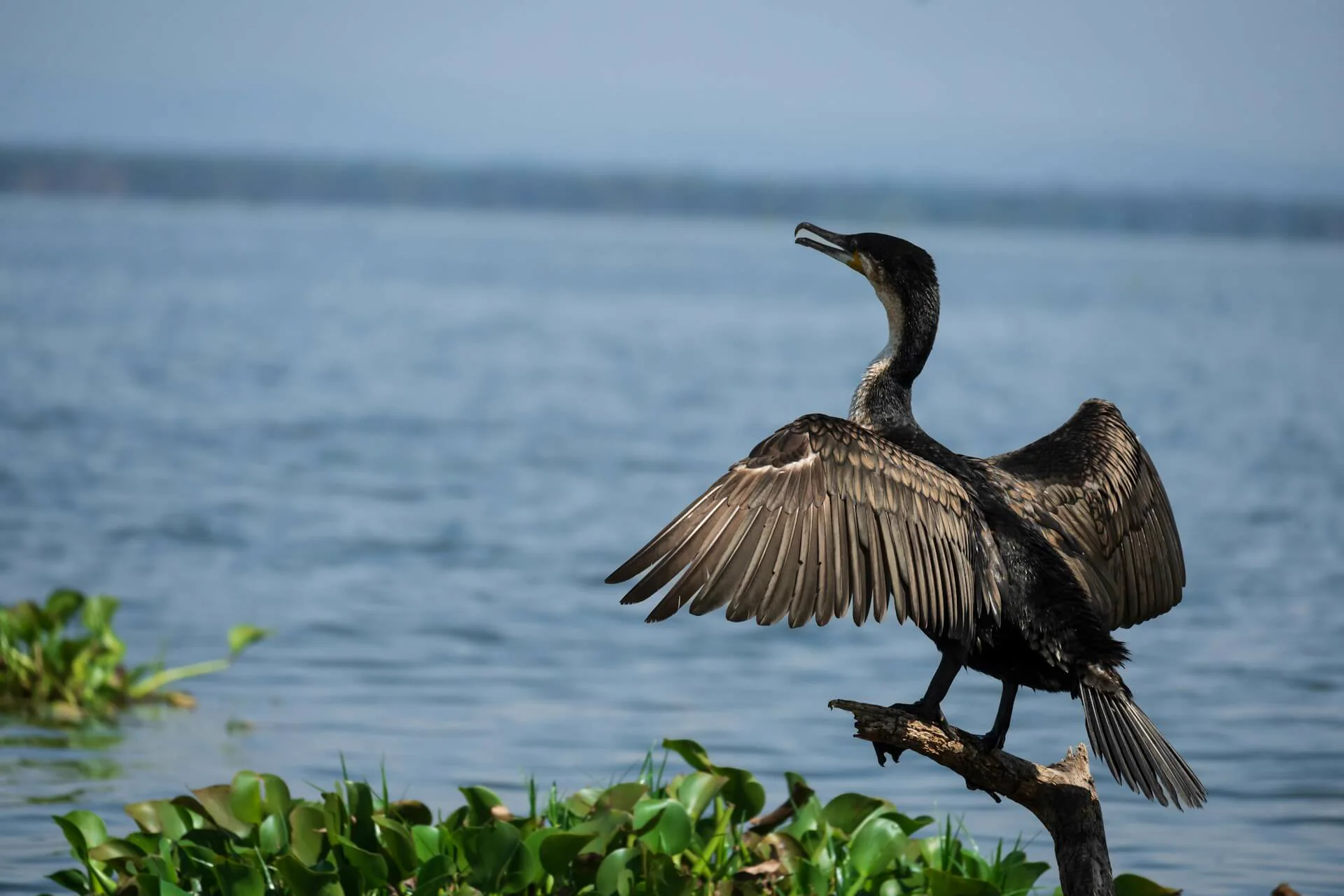
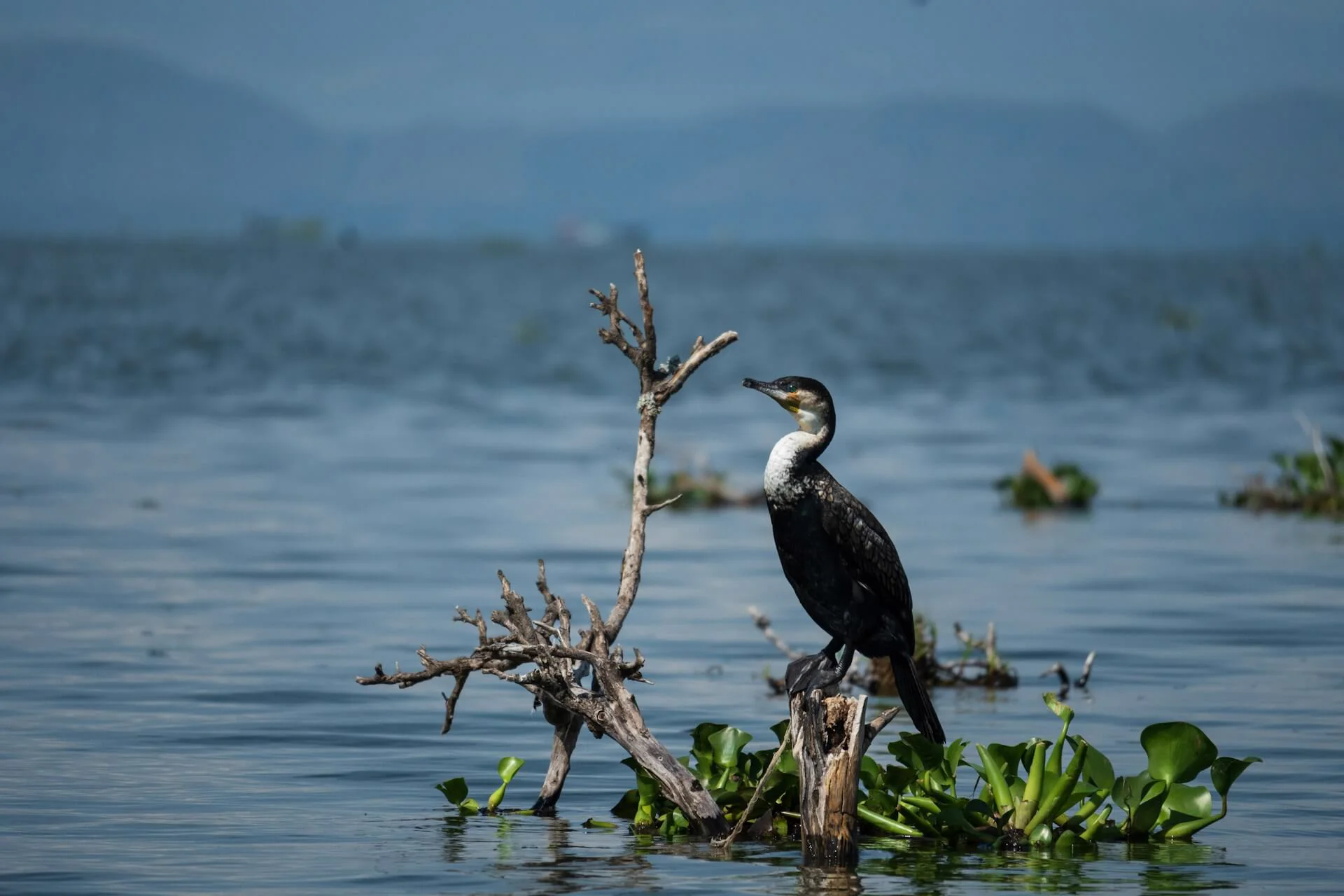
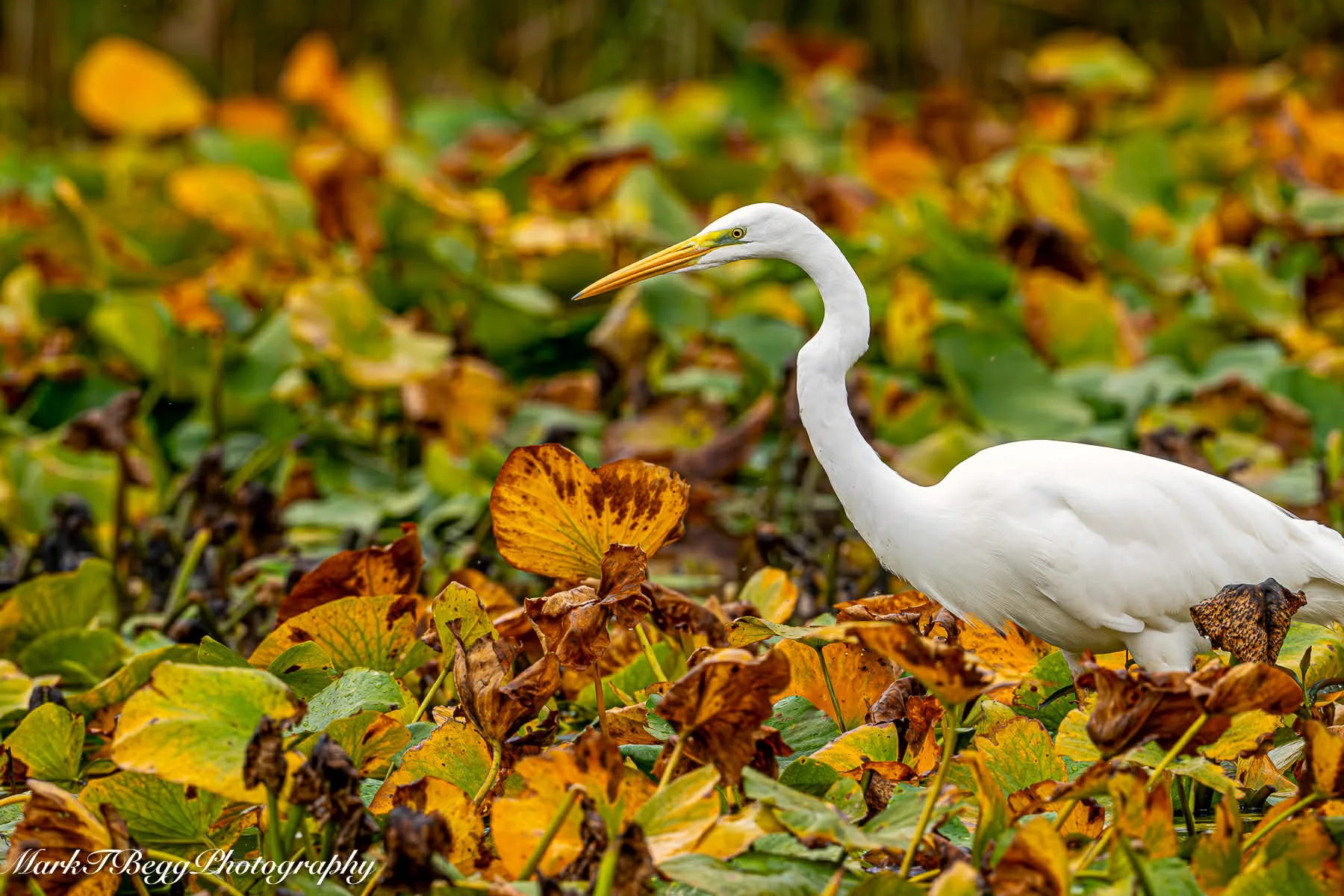
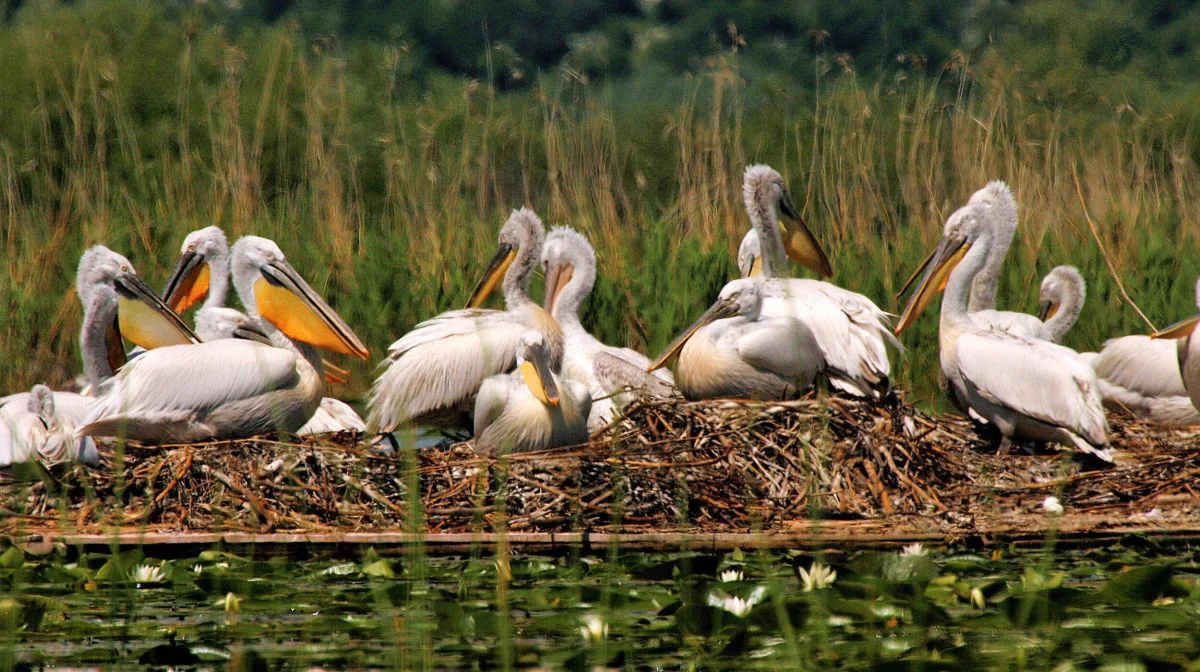
Lake Skadar is protected both as a Montenegrin National Park and as a Ramsar wetland of international importance. Around 280 bird species have been recorded here, and the northern marshes are particularly important for migrating and wintering waterbirds. September and October bring cooler air, softer light and far fewer boats than midsummer; autumn migration is underway, while by late October and November increasing numbers of northern waterbirds arrive to winter on the lake. Autumn and winter are specifically recommended by Montenegro’s national tourism authorities for birdwatching.
September is still relatively warm and calm; October is cooler and especially good for photography and migration; November becomes wetter and more weather-dependent but brings a distinctly wilder lake, rising water and larger concentrations of wintering birds.
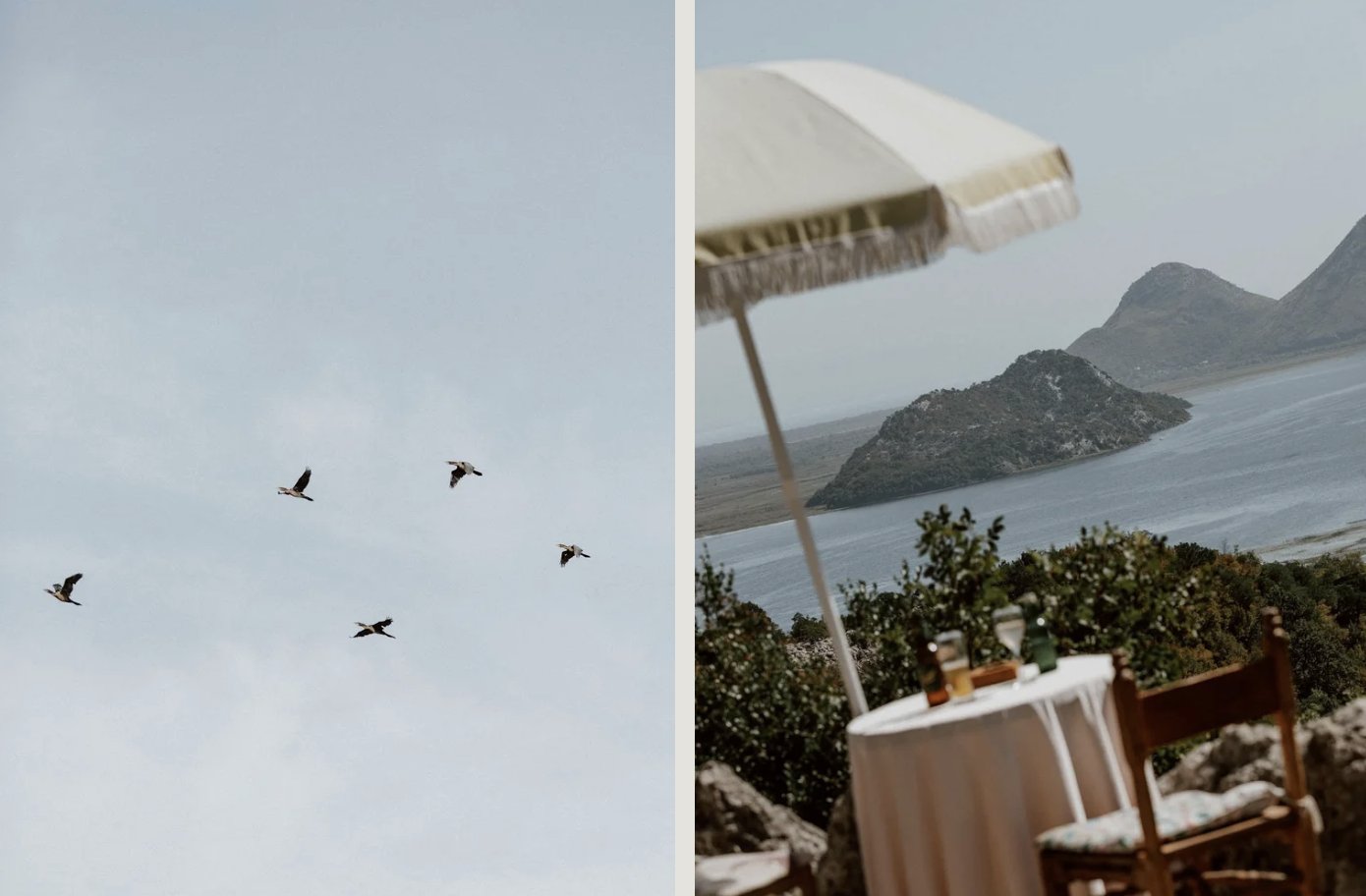
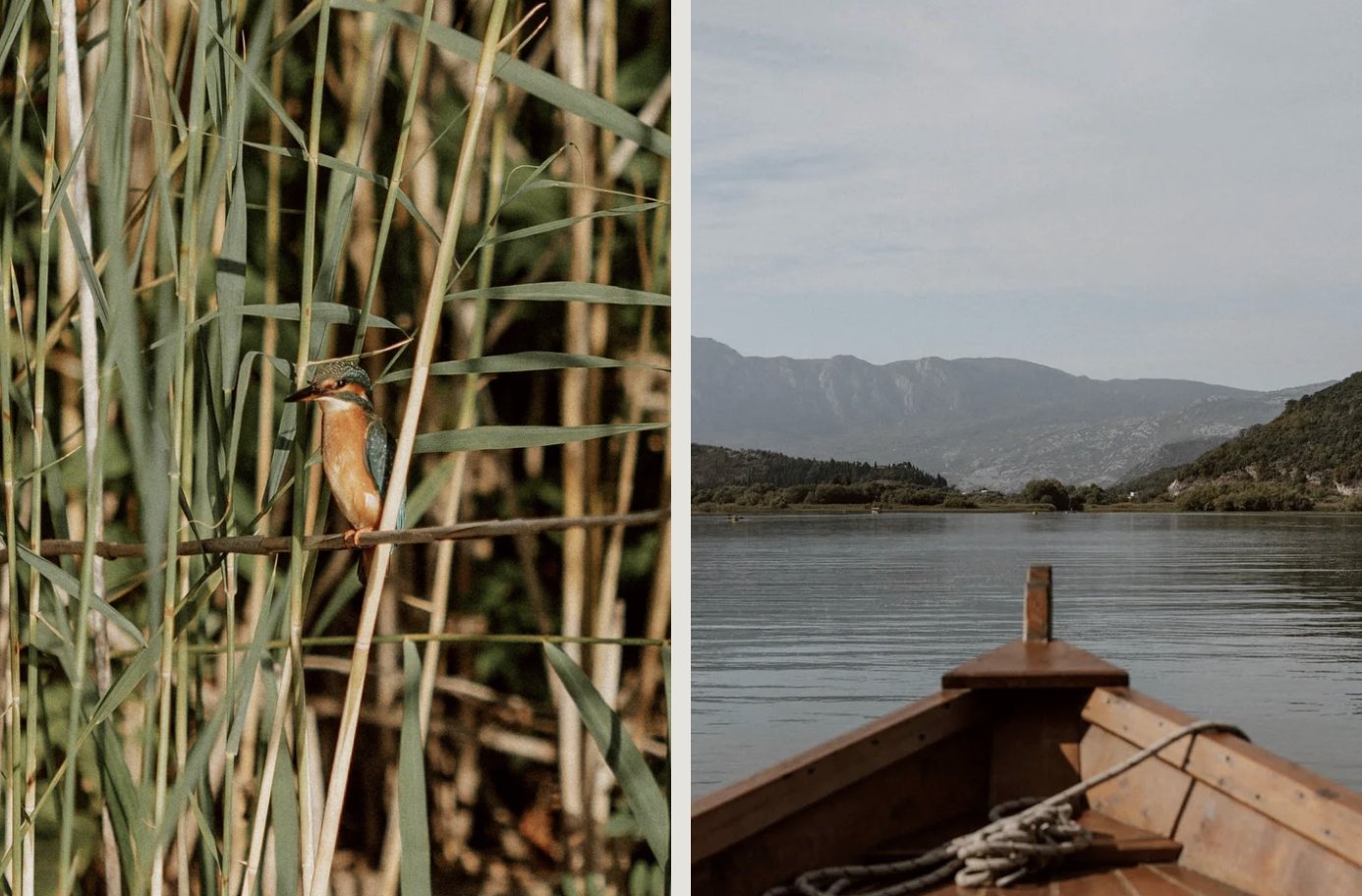
The exact mix changes almost week by week through autumn, but the Crnojević River and the wider Lake Skadar wetlands can produce:
The season changes noticeably from September to November: September is about passage migration and lingering summer species; October is a crossover month; November increasingly belongs to cormorants, grebes, coots and wintering ducks.
The river mouth and sheltered lake backwaters are also excellent fish habitat. Lake Skadar supports an unusually mixed fish fauna because the basin is connected to the Adriatic through the Bojana/Buna River system, allowing freshwater, migratory and some salt-tolerant species to coexist. Carp, chub, roach and rudd, nase, perch, mullet and other cyprinids are all found within the wider system.
For September–November, the fresh local catch has to follow the National Park’s seasonal rules. Carp and other permitted cyprinids are in season throughout autumn. Ukljeva — Lake Skadar bleak — is protected until 31 October, so genuinely fresh local bleak becomes an autumn menu option only from November. Eel cannot legally be caught from 1 June until 1 December, so we do not describe eel as a same-day September–November catch.
That seasonality is part of the point: the fish on the table depends on what local fishermen actually brought in, not on maintaining an identical tourist menu every day.
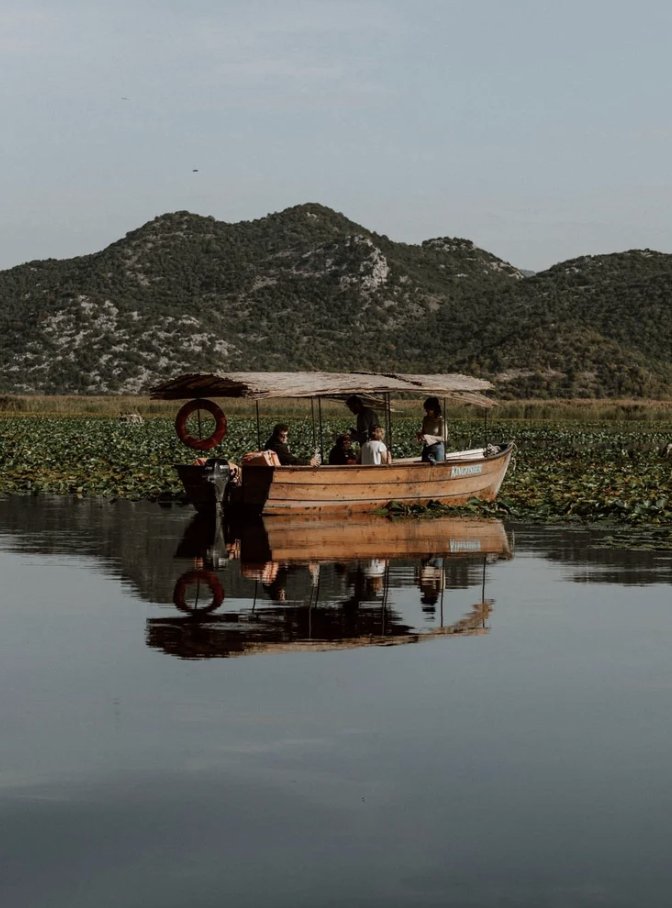
We organize a private day around this quieter, more intricate part of Lake Skadar, beginning at Rijeka Crnojevića and travelling through the river bends, channels and sheltered waters towards the lake.
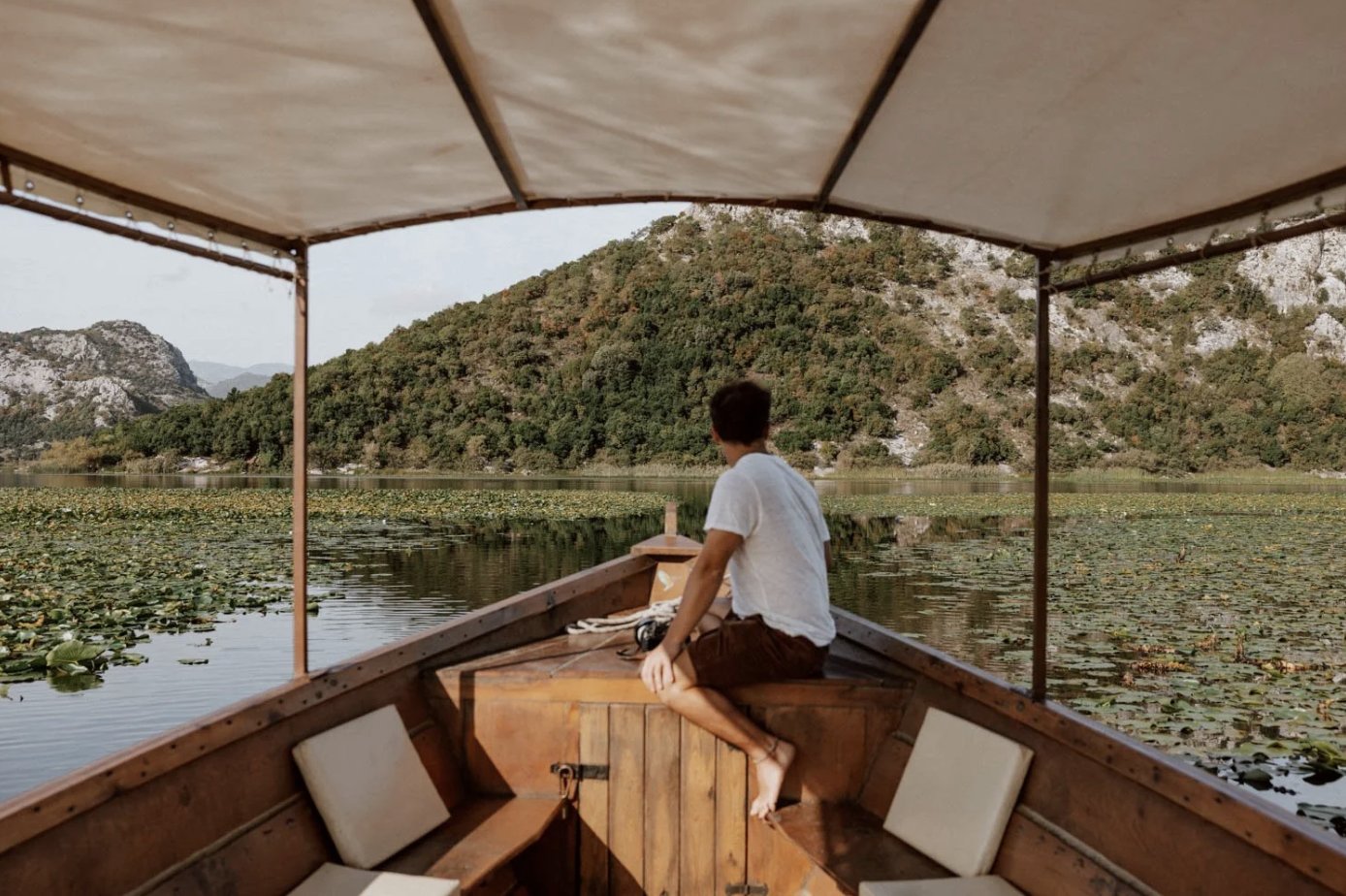
The boat has a cabin and sun canopy and carries 6-10 guests.
€350 covers the entire private boat, guide and organization.
Have a private boat cruise with champagne and quiet music - or split the bill as a group!
The main cruise lasts approximately 3 hours and concentrates on the Skadar Nile itself rather than trying to rush across the whole lake. We move slowly enough for birdwatching, wildlife photography, fishing and simply stopping in quiet places when something is worth watching.
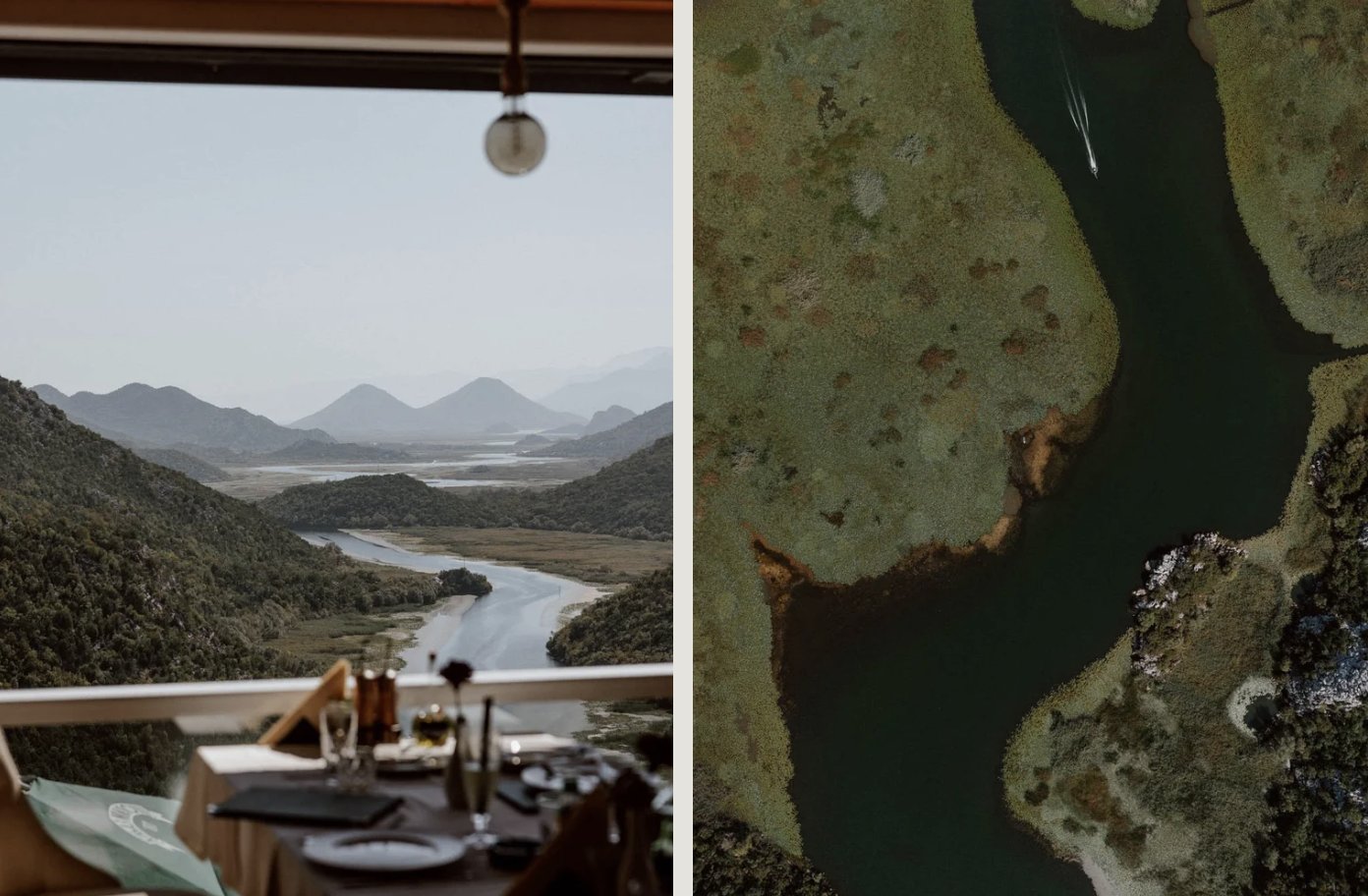
After the boat trip, we stop at the beautiful old family restaurant on the water, with a huge outdoor terrace overlooking a stunning lake view.
This is a proper local meal rather than a fixed tourist plate: food is prepared from fresh ingredients using traditional family recipes.
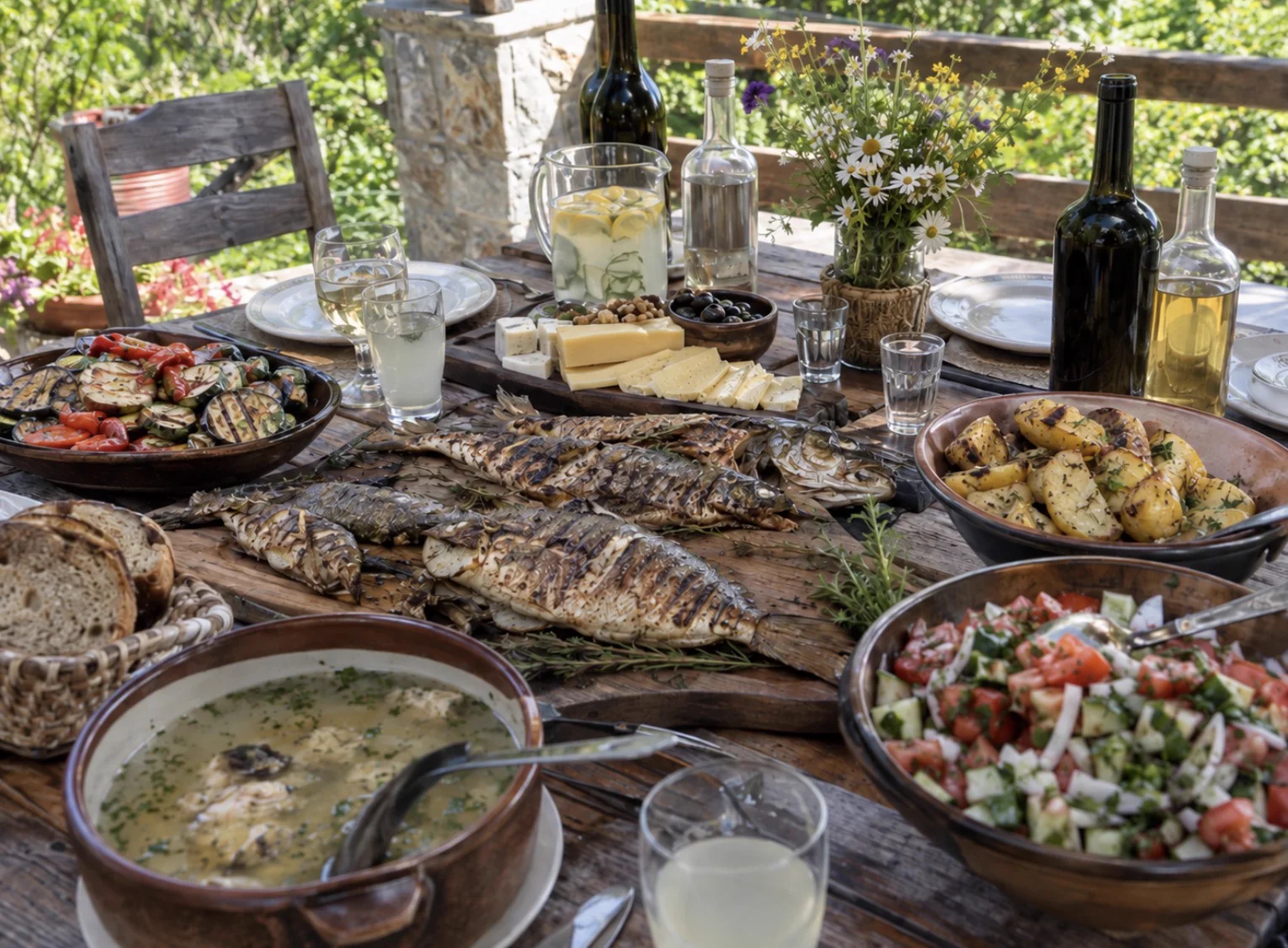
Lunch includes fish soup, a local cheese plate, vegetables from the family garden served fresh and grilled, grilled potatoes, homemade wine and rakija, and the centrepiece: a tasting spread of around six to seven kinds of locally caught fish, depending on what the fishermen brought in that morning and the previous day.
In September and October, this will usually be assembled from fish such as carp, Prussian carp, chub, local roach/rudd, nase, perch and mullet. From 1 November, freshly caught ukljeva / Lake Skadar bleak can also appear on the table.
No set menu: the point to feast on what the lake gives us that week.
A vegan version can also be prepared, centred on garden vegetables, grilled vegetables, potatoes, our coastal seasonal fruit, nuts and our home grain recipes.
The wine and rakija can be replaced with homemade lemonades and tea from local herbs.
Full lunch: €60 per person.
The quieter river channels and backwaters are particularly good for paddling because a kayak lets you move through the reeds and shallow margins much more quietly than a motorboat.
Fishing tackle and the necessary equipment are available for guests who want to fish from the boat.
The group does not have to do everything together: for example, two guests can take the kayaks while the others remain with the boat to fish, then everyone meets again before continuing.
(Because Lake Skadar is a National Park, recreational fishing is regulated and requires the appropriate permit; we confirm the applicable permit arrangements before the trip rather than treating fishing as unrestricted.)
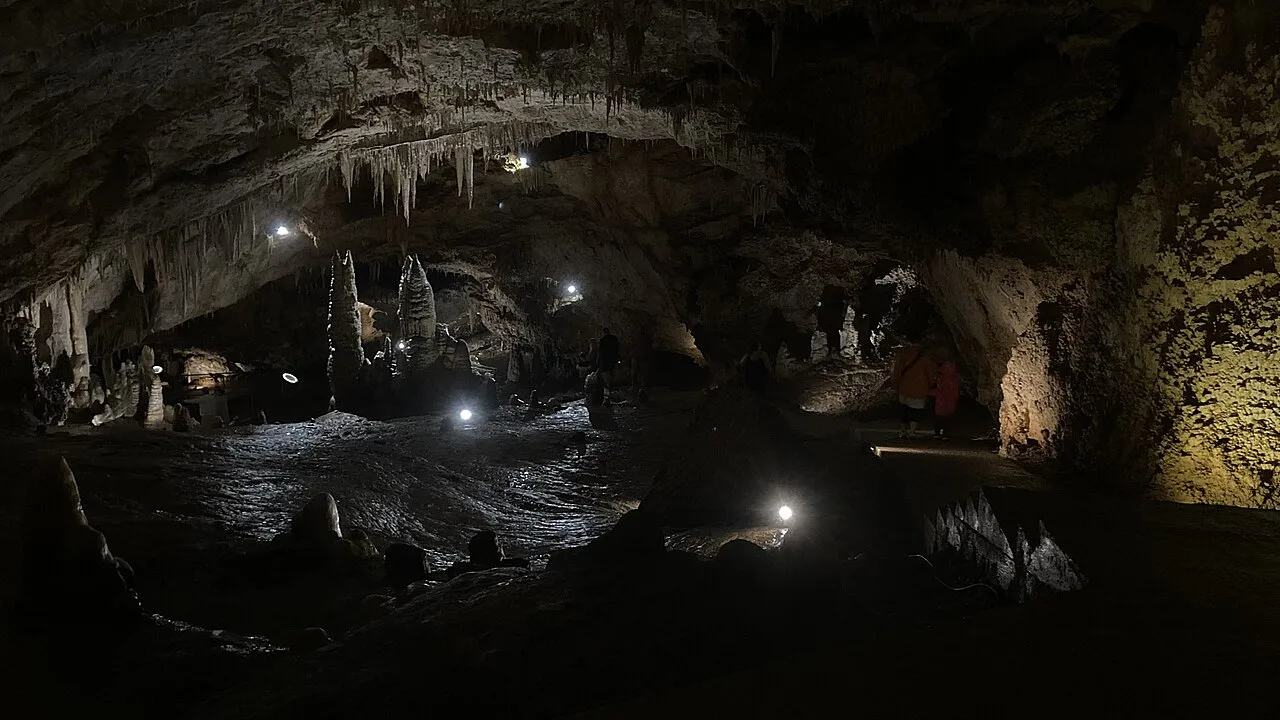
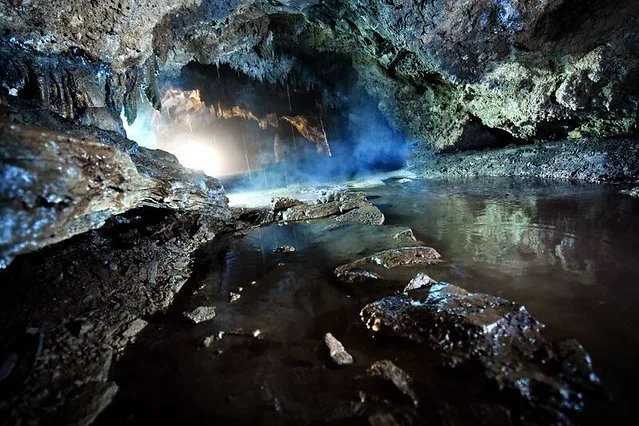
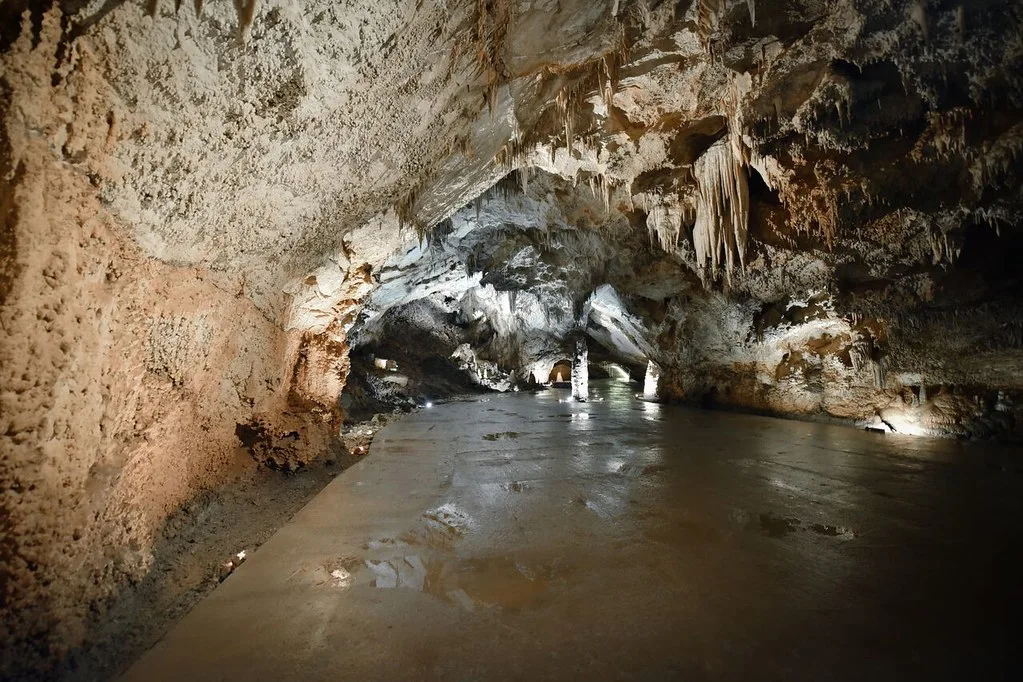
On the way back to Sutomore, add a guided visit to Lipa Cave near Cetinje, Montenegro’s first cave developed for regular visits. The route passes through cool dripstone chambers formed over thousands of years; at a steady 10–12°C underground, it feels like stepping into another climate after a day on the lake.
The supplement is €20 per person, subject to the cave’s seasonal timetable and available departure times.
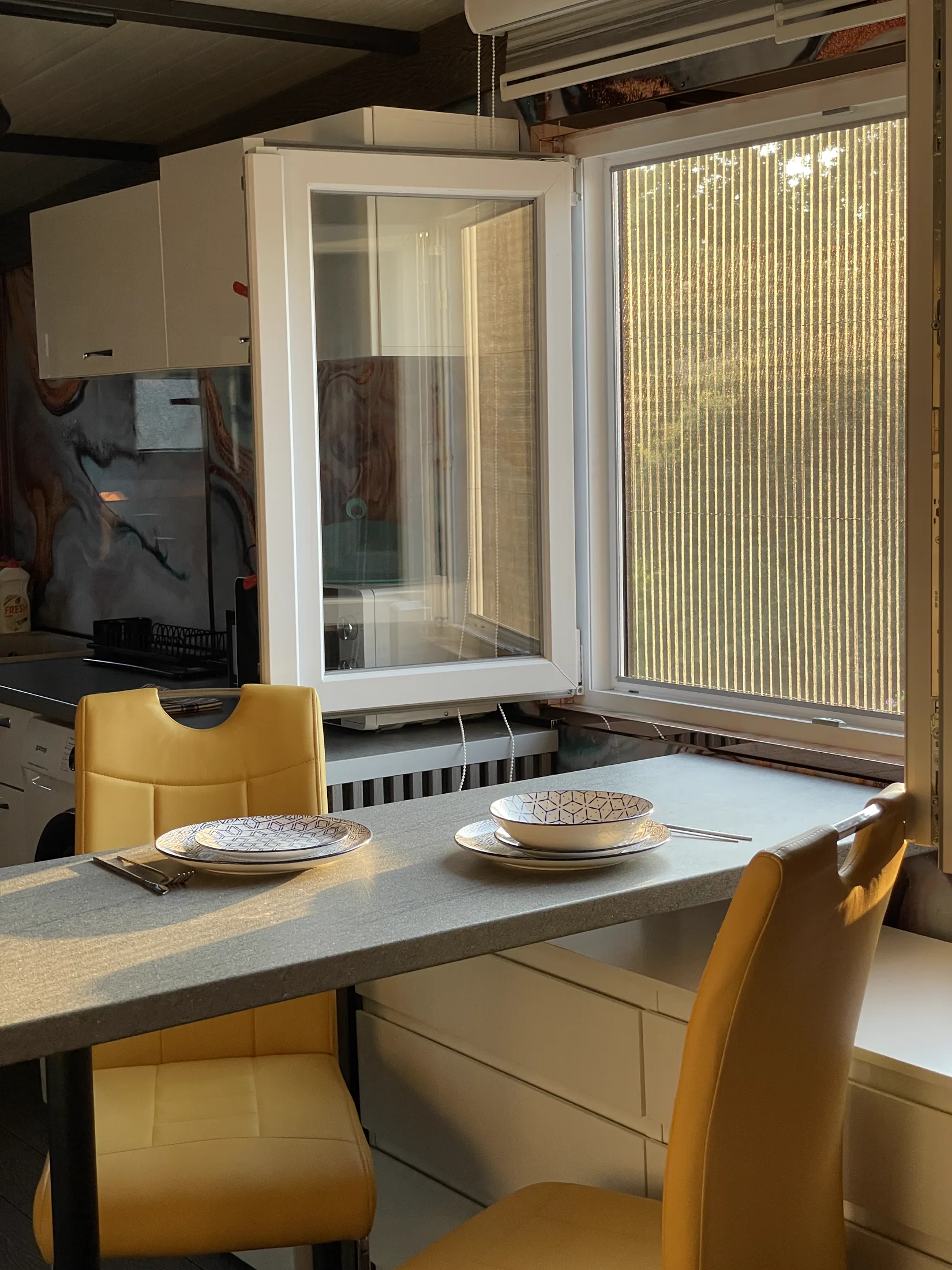
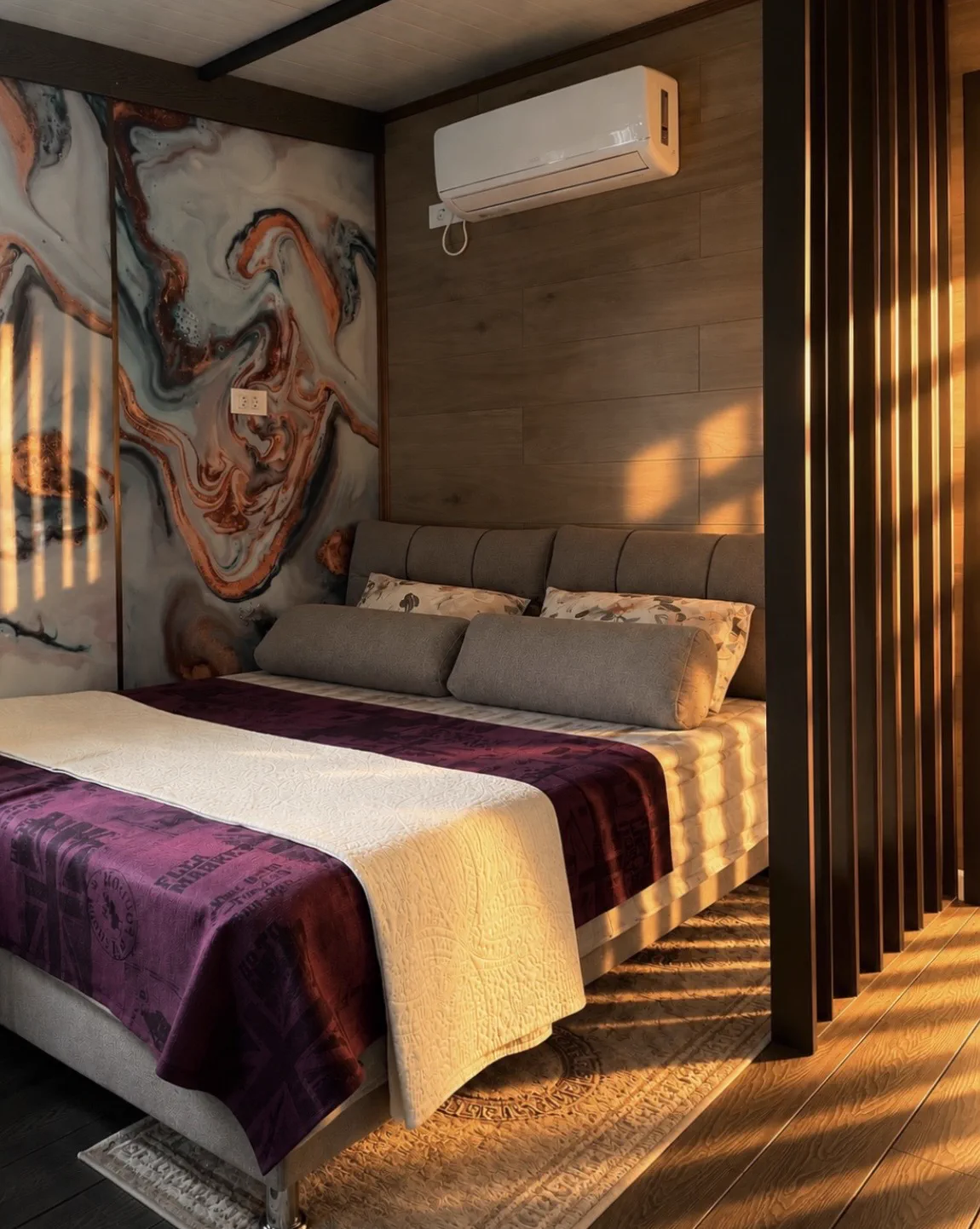
Return from the wetlands to your own apartment at iTiS Villa in Sutomore. The villa sits in the centre of the Montenegrin coast, making the road to Rijeka Crnojevića straightforward and leaving the evening open for the beach, dinner or rest.
Ask us to coordinate the private boat, lunch, kayaks, transfer and optional Lipa Cave stop as one day.
A Skadar day should end at its own pace: no rushed crossing of the lake, no fixed tourist plate and no unrelated detour added just to fill the itinerary.
View Apartment 211One of the interesting things about Lake Skadar is that it is not visually the same lake from month to month. Late summer leaves the water relatively low; autumn rains gradually refill the channels and marshes. A route that feels like a narrow river expedition in September can feel broader and more flooded several weeks later. This changing water level is one reason the wetlands support such a large variety of birds and fish.
Autumn is also when the two sides of Skadar become most obvious. September and early October still have Mediterranean warmth, softer sunlight and much less summer traffic. By late October and November, the same place becomes a wintering wetland: quieter, greener again after the rains, and increasingly dominated by waterbirds arriving from farther north.
For wildlife, morning is usually the strongest part of the day: the water tends to be calmer, birds are feeding, the light is lower, and fishing is generally better before the day warms up. November trips are more dependent on the forecast, but on a clear day they can be some of the quietest and most atmospheric trips of the entire year.
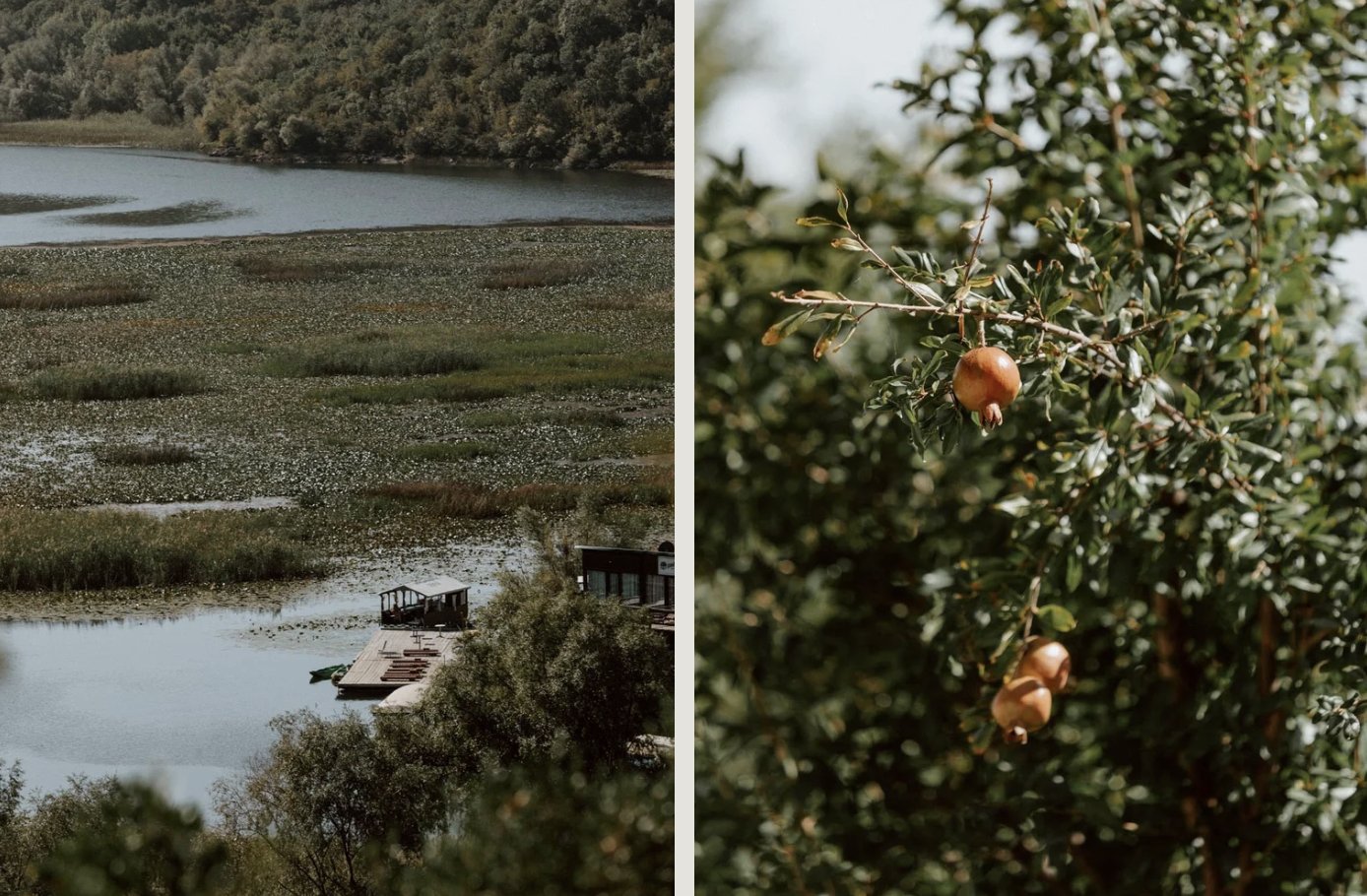
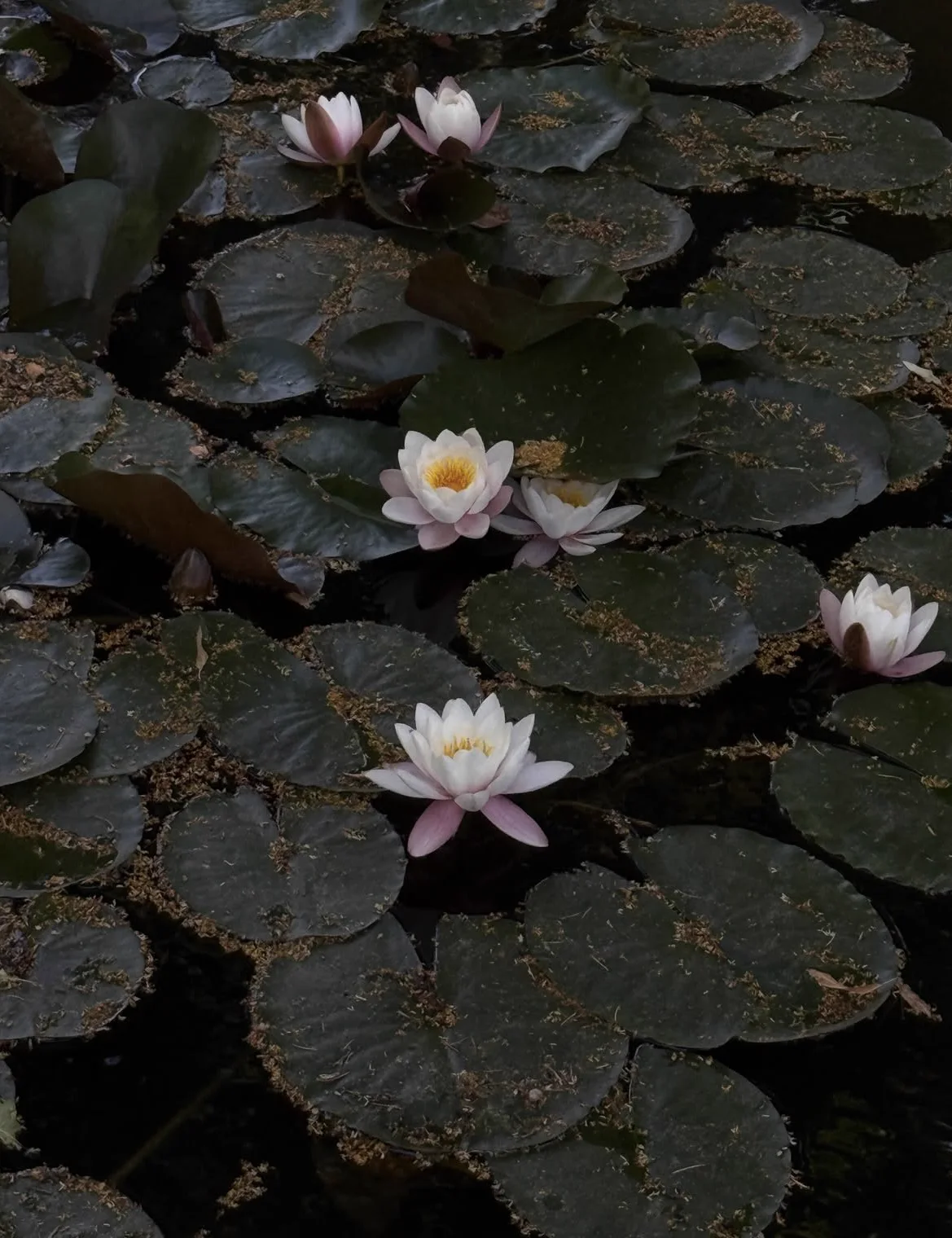
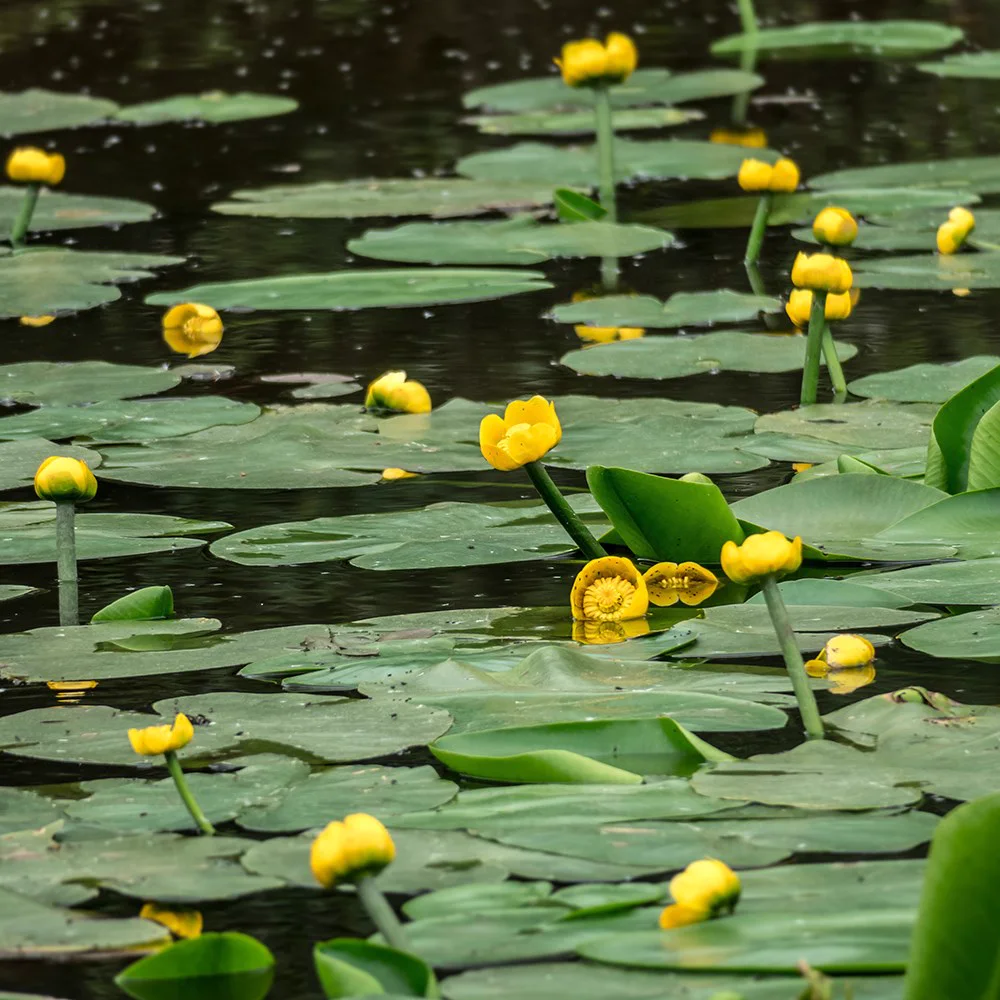
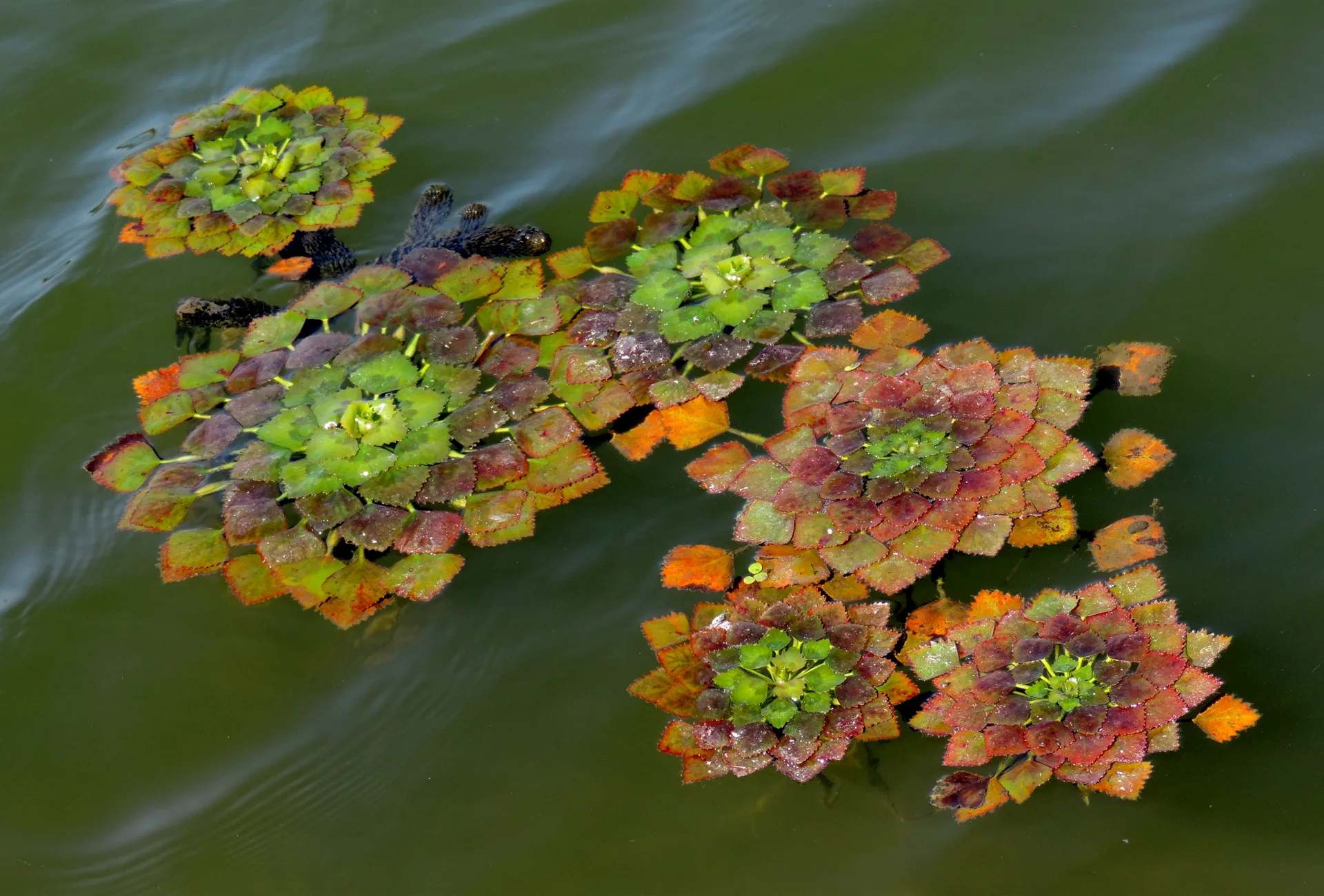
The floating vegetation is part of what makes the “Skadar Nile” feel so strange and lush. White water lily (Nymphaea alba) and yellow water lily (Nuphar lutea), often mixed with dense floating rosettes of water caltrop / water chestnut (Trapa natans), are still flowering in September. The pads, caltrop beds, reeds and flooded willow corridors remain and gradually take on a much more autumnal look.
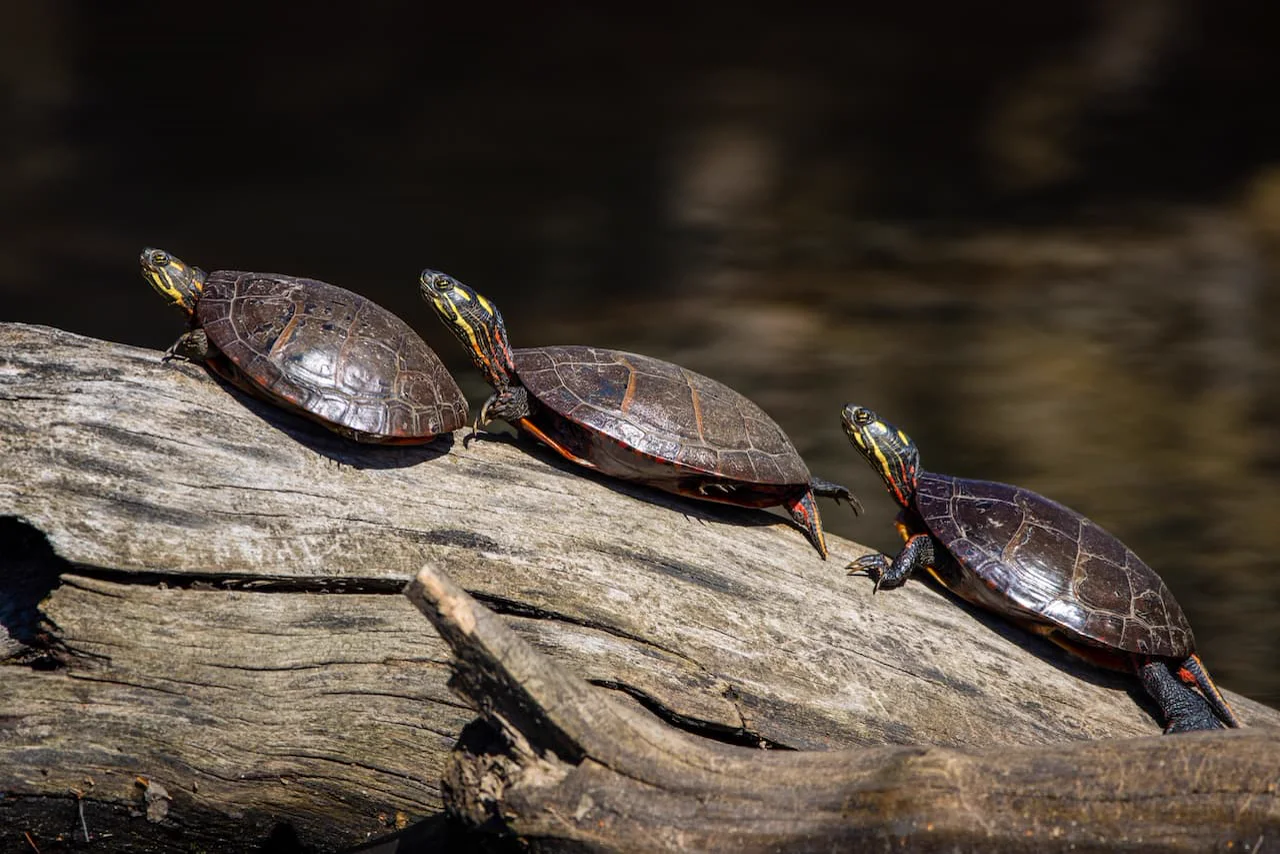
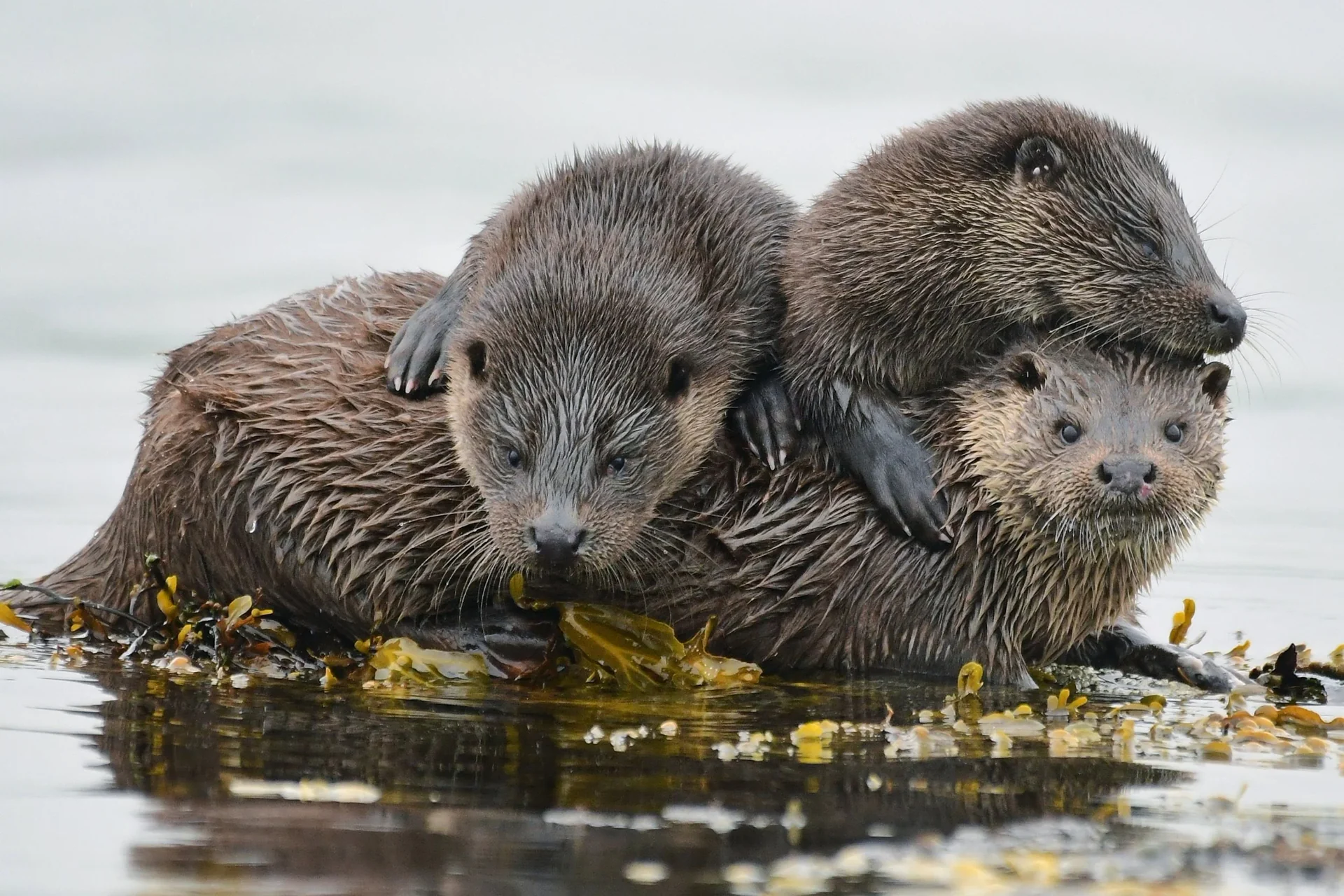
On warm September and early-October days you may also notice European pond turtles basking near the water, Albanian water frogs, lizards and dragonflies; the lake also has Eurasian otters, although they are shy enough that tracks or ripples are much more realistic than a guaranteed sighting (but a quiet kayak has a better chance).
And one detail that explains the food here: Lake Skadar is not an isolated freshwater bowl. Its connection through the Bojana/Buna system to the Adriatic is one reason its fish community is so unusual: local freshwater species live alongside migratory fish and species capable of moving between fresh and brackish water. The menu is therefore genuinely different from the seafood culture only an hour away on Montenegro’s coast.