
September-October is the high time for hundreds of flamingos in the Ulcinj Salina Nature reserve, as one of the genuinely best times to see Ulcinj Salina as a living ecosystem rather than just a cinematic wetland. It sits on the Adriatic migration corridor, and the official Salina birding guidance lists August–October as the strongest period. But why?
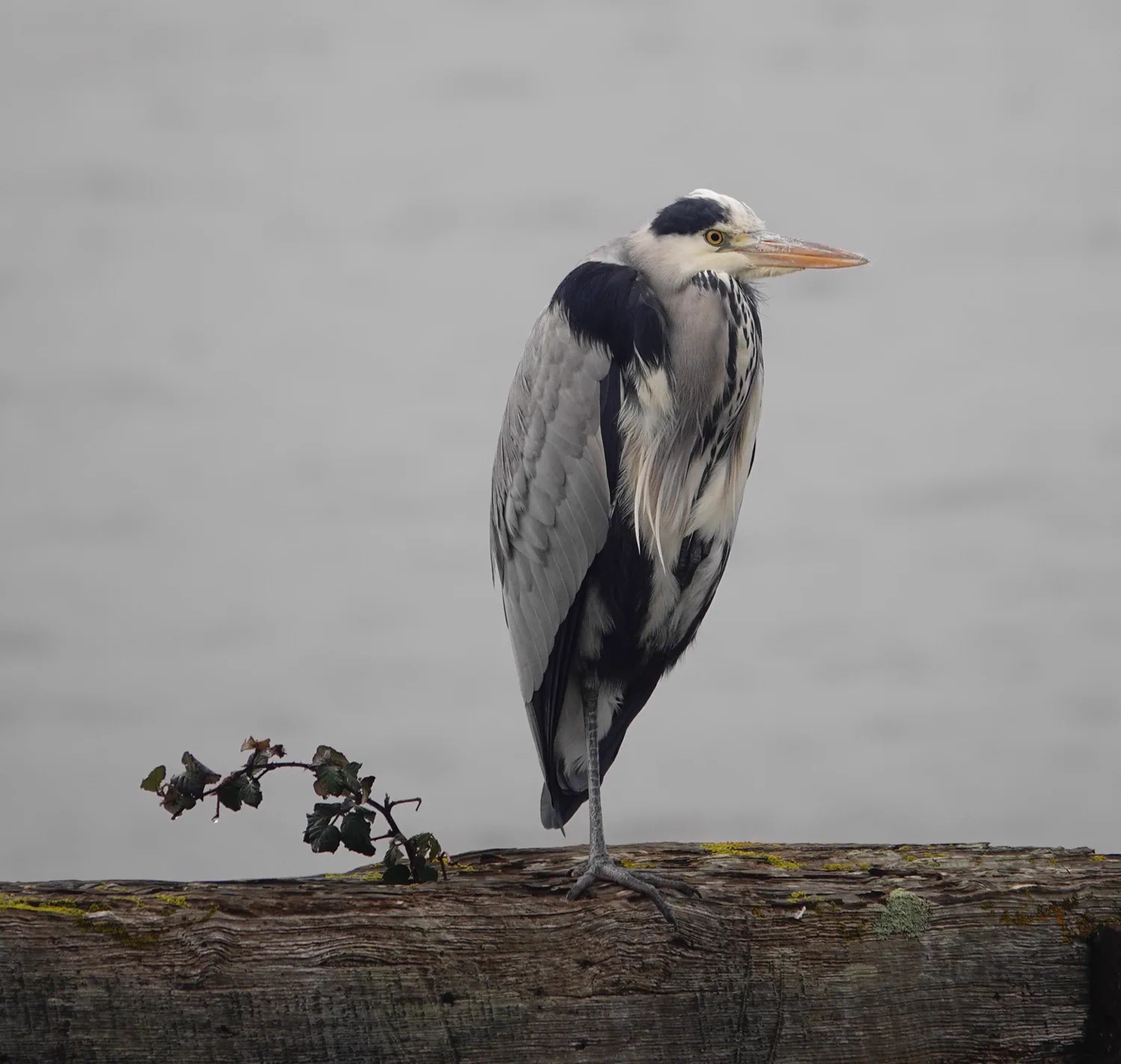
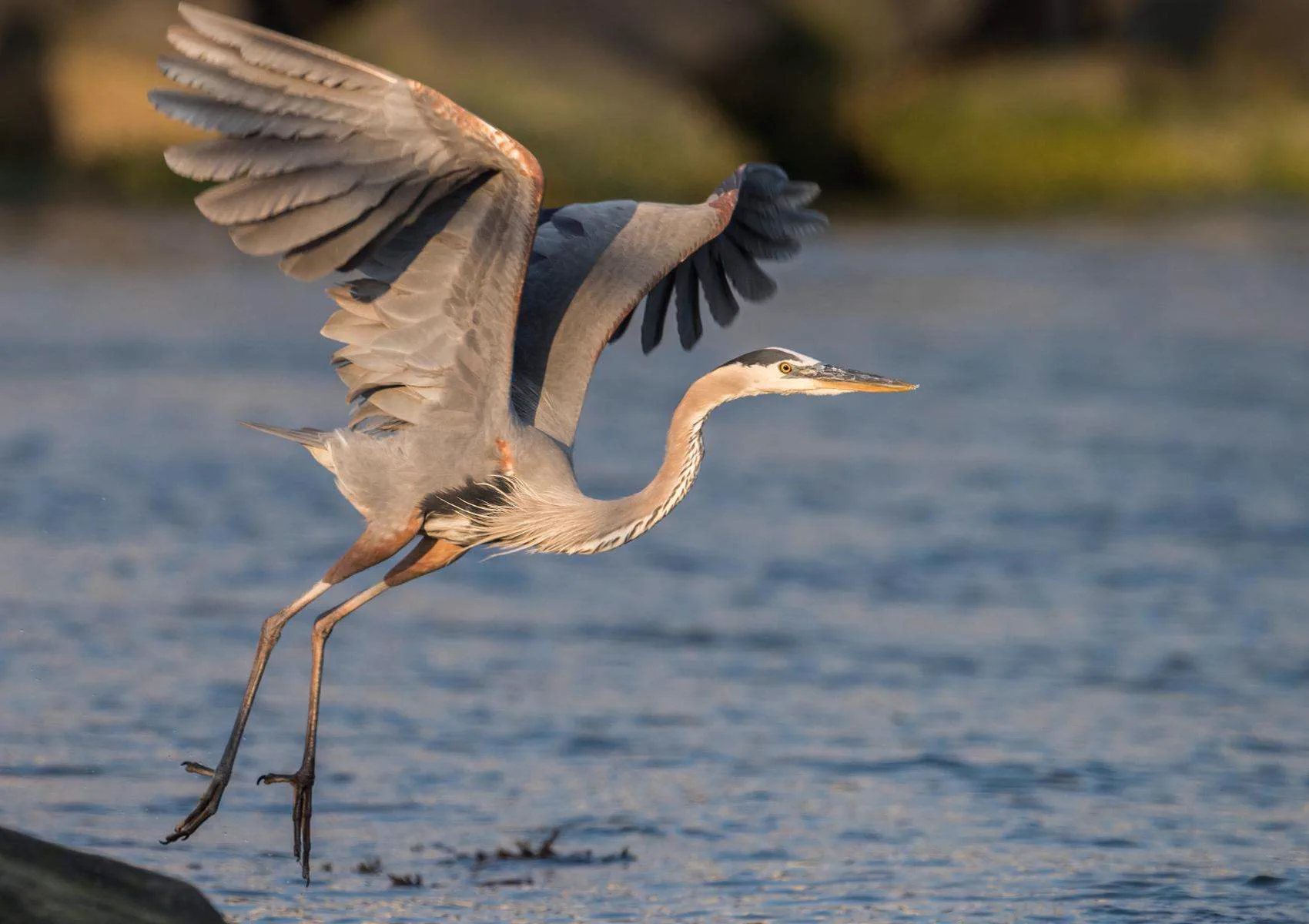
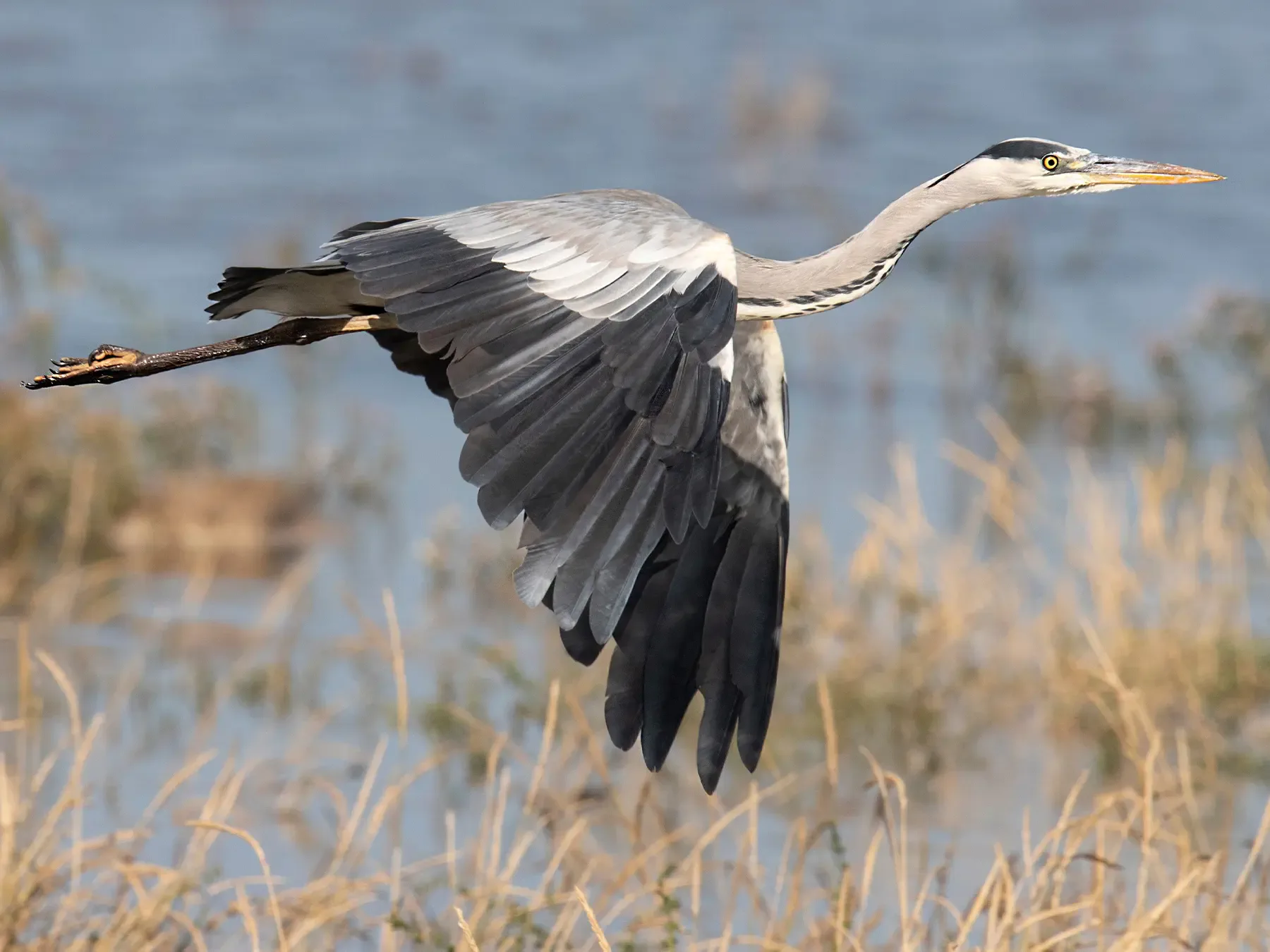
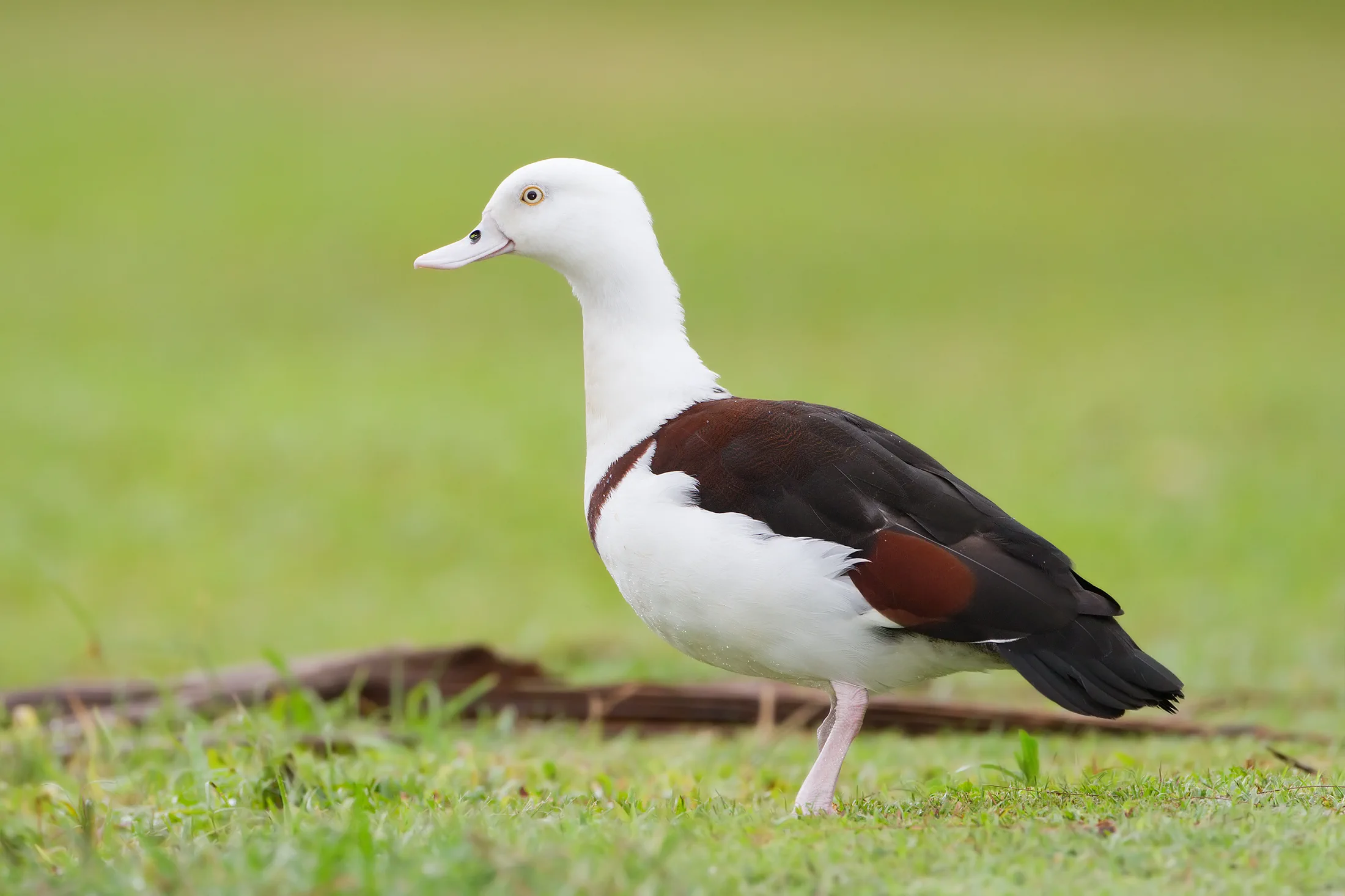
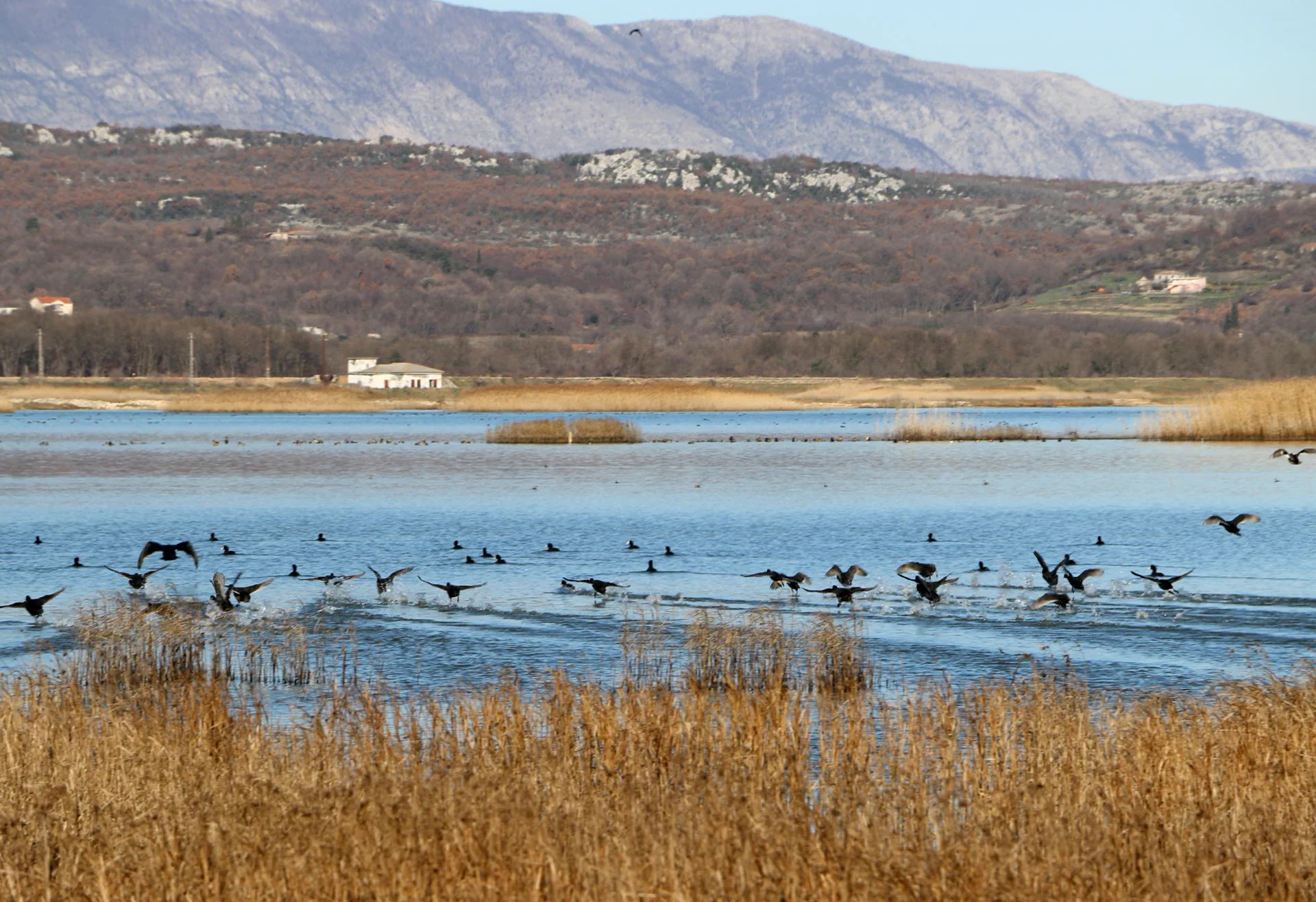
Autumn adds waves of migrating waterbirds around flamingos, which in the wild are much stranger and more impressive than the zoo-image version of them. A vast expanse of salt pans, absurdly long lines of pink birds standing in silver water, feeding, flying, arguing, landing. The Salina is roughly 1,500 hectares and has recorded around 250 bird species, so the flamingos are the reason you go, but they aren’t the only thing that will impress you.
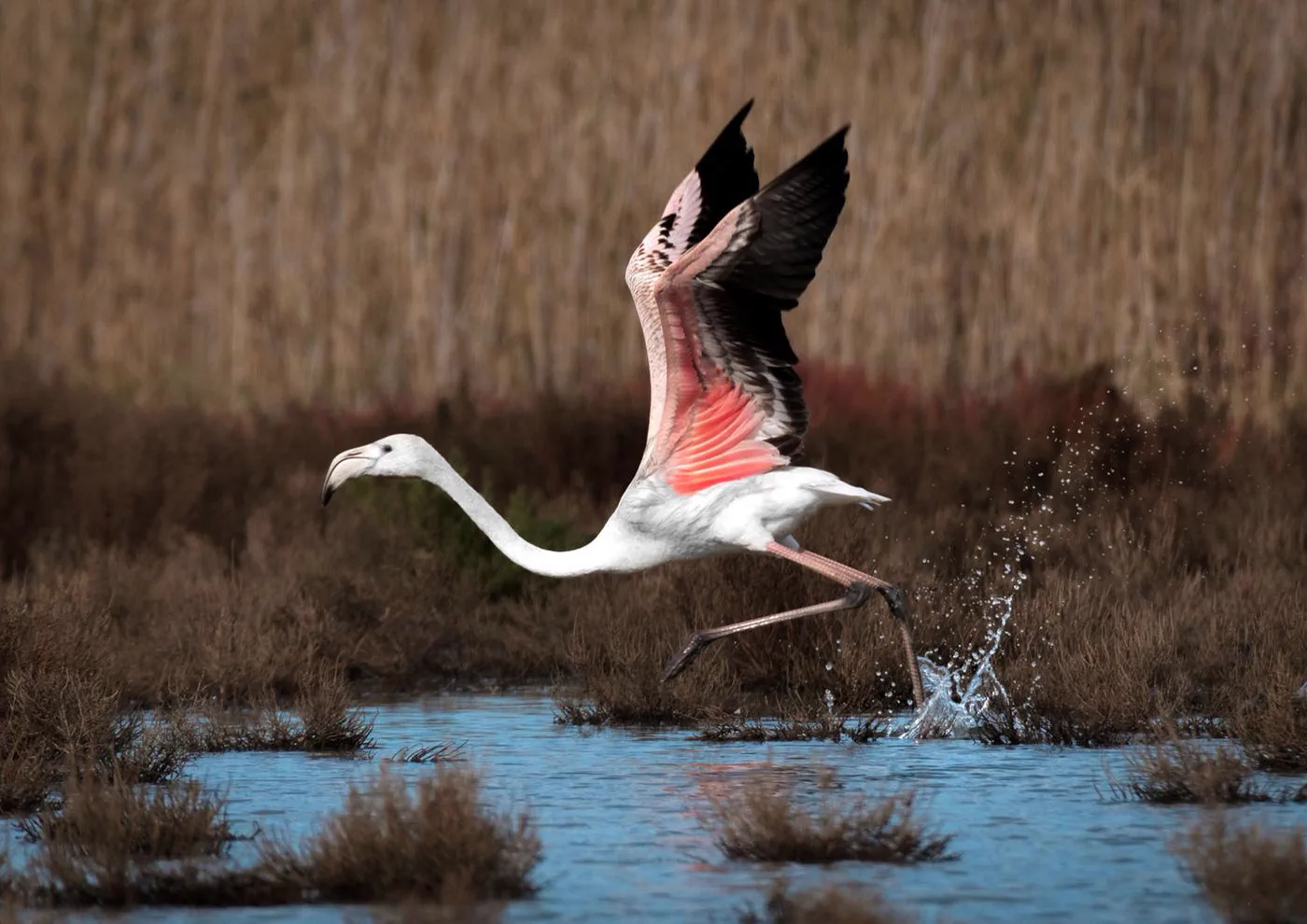
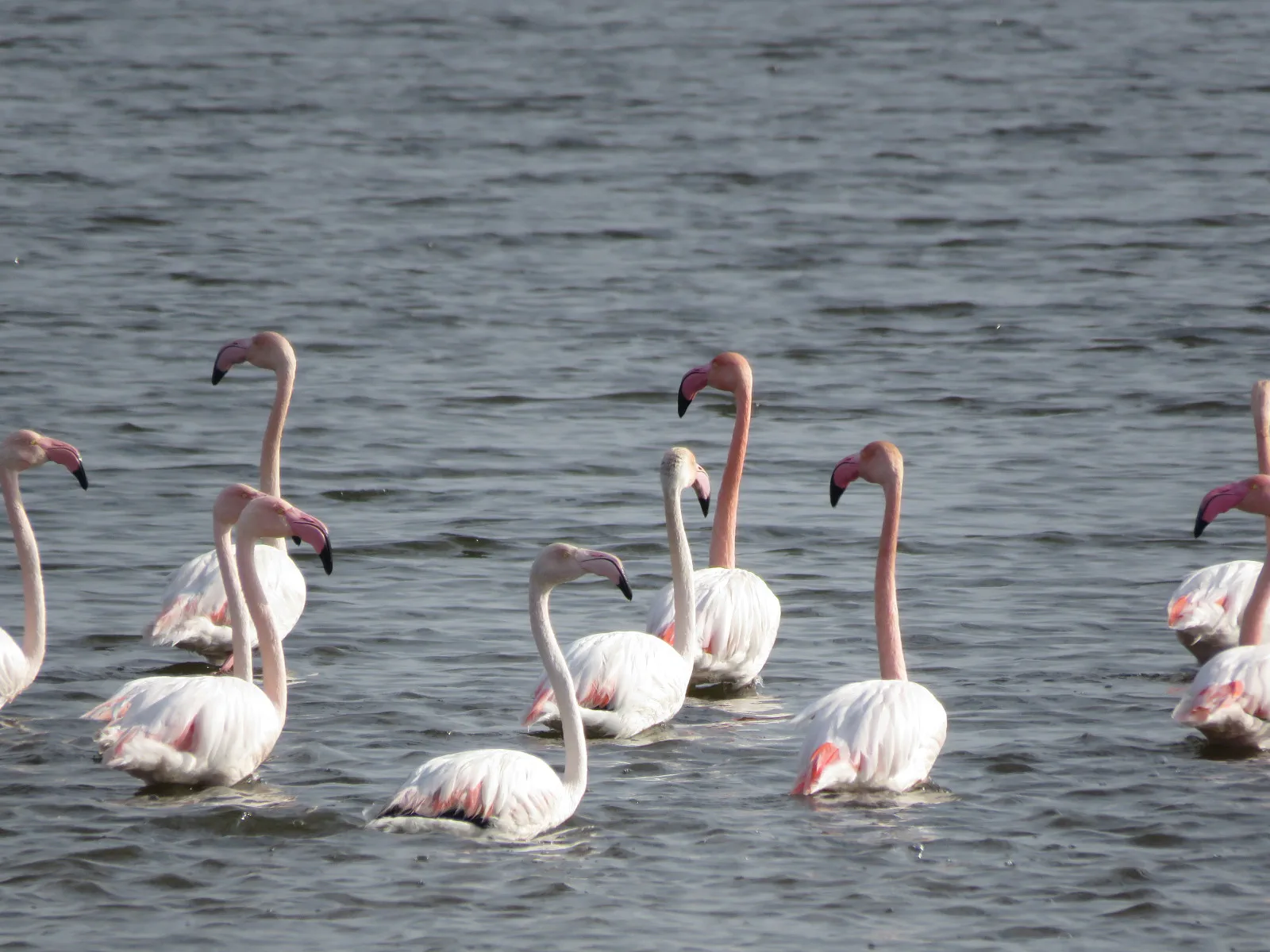
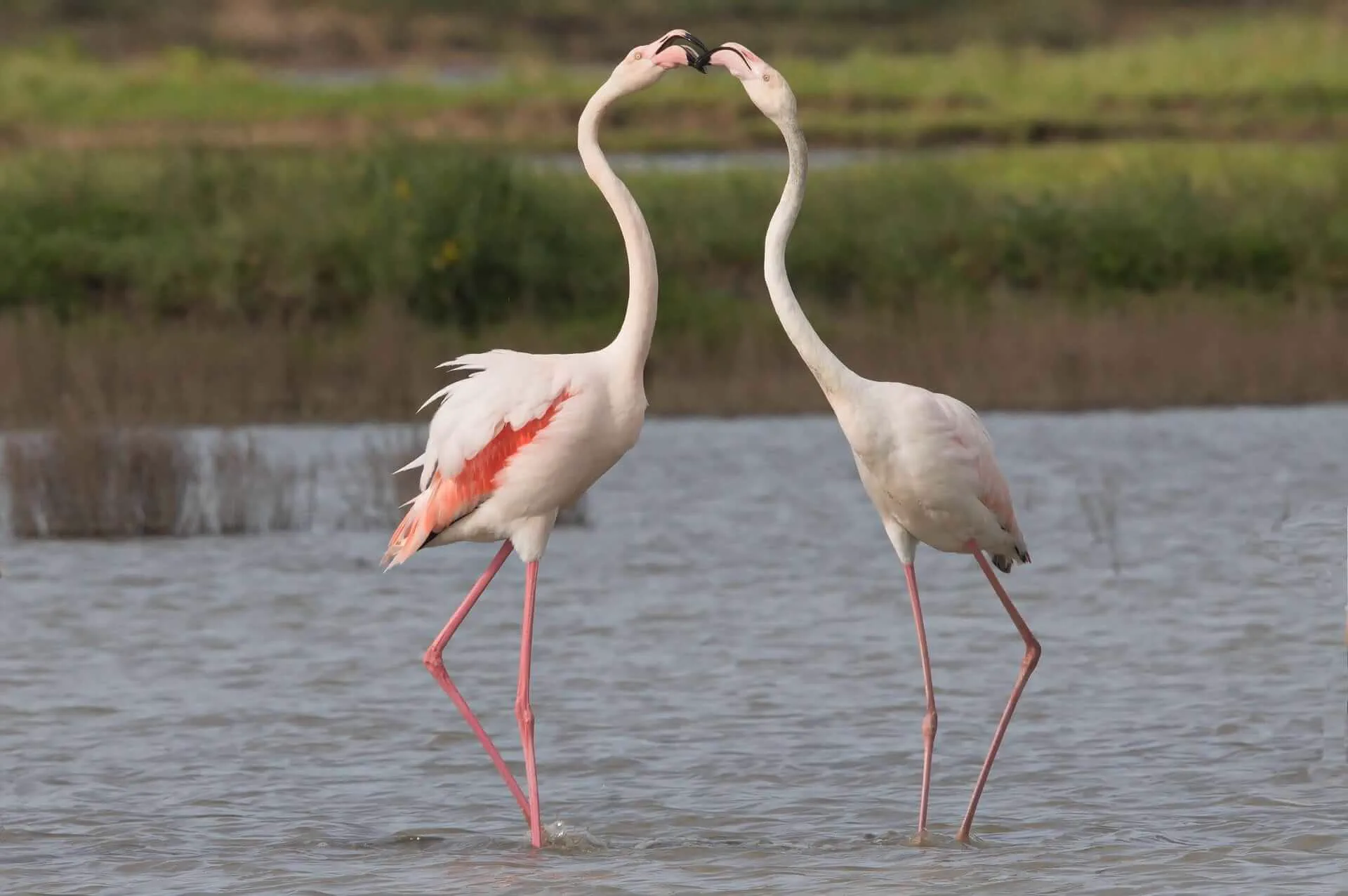
That is also why I would actually book the birdwatching tour rather than just drive there. The Salina is enormous and flat; the birds can be hundreds of metres away, and a telescope is genuinely useful. A knowledgeable guide knows which basins are active that morning, where the flamingos have moved, and which apparently anonymous brown thing in the distance is actually worth stopping for. You spend your time watching birds instead of wandering around trying to locate them.
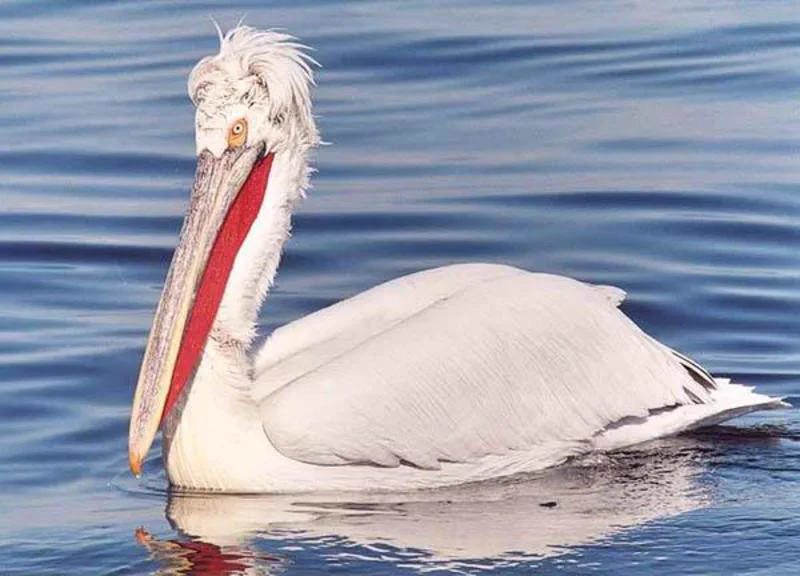
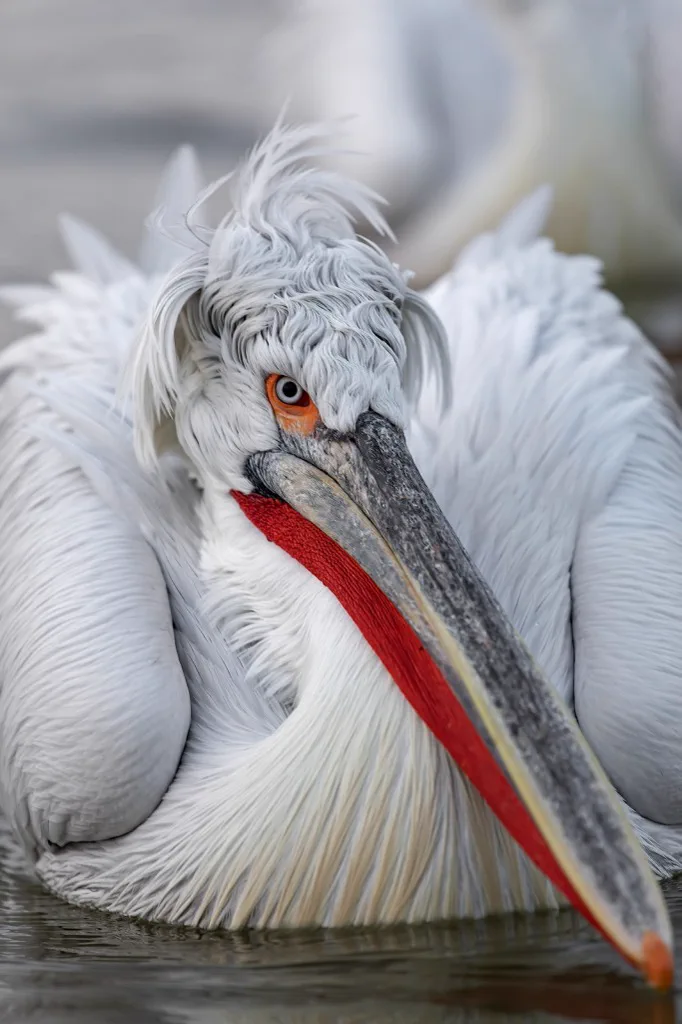
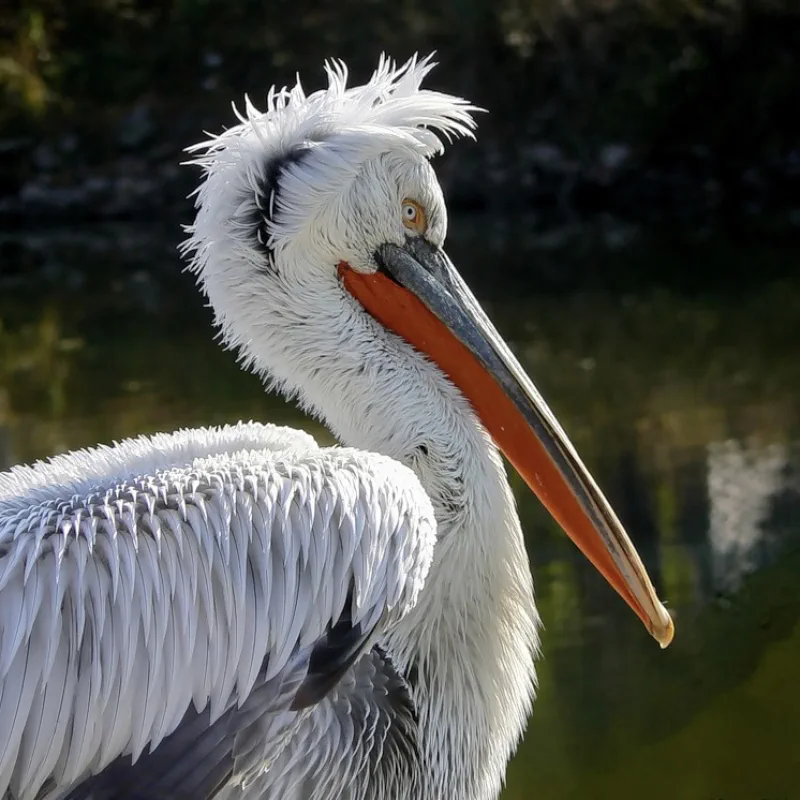
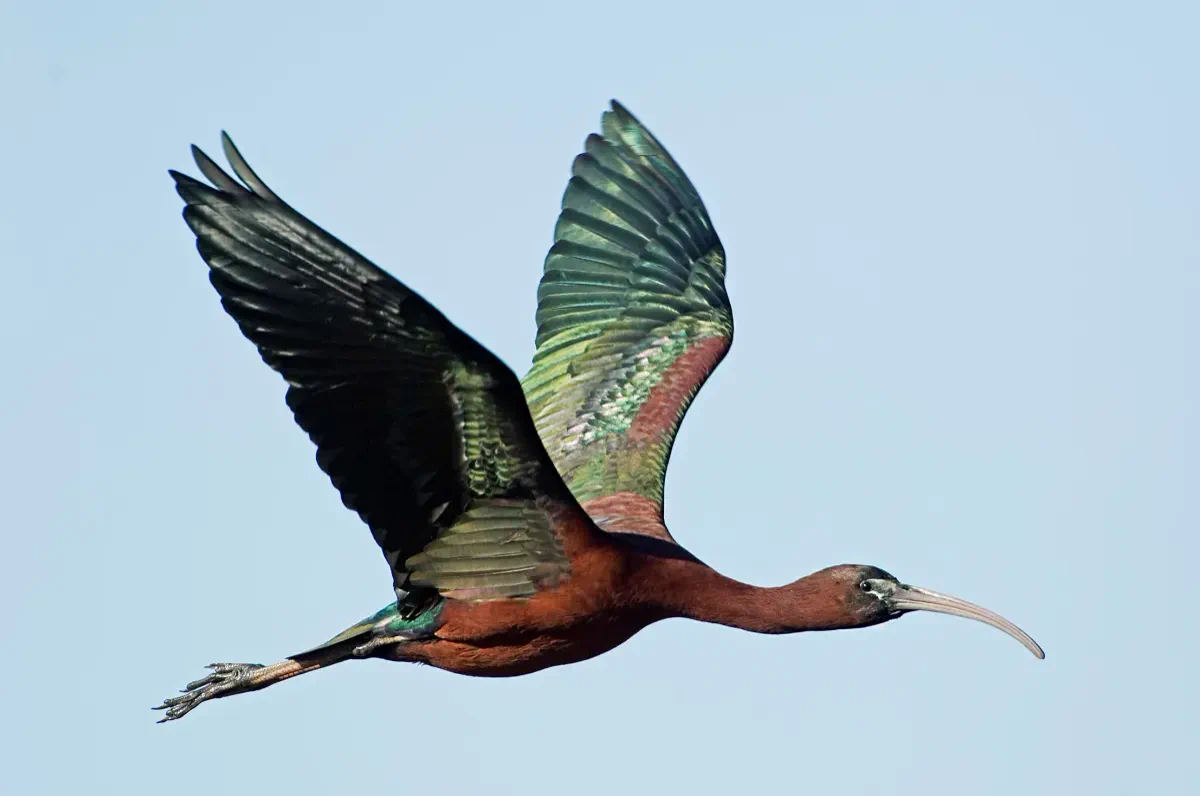
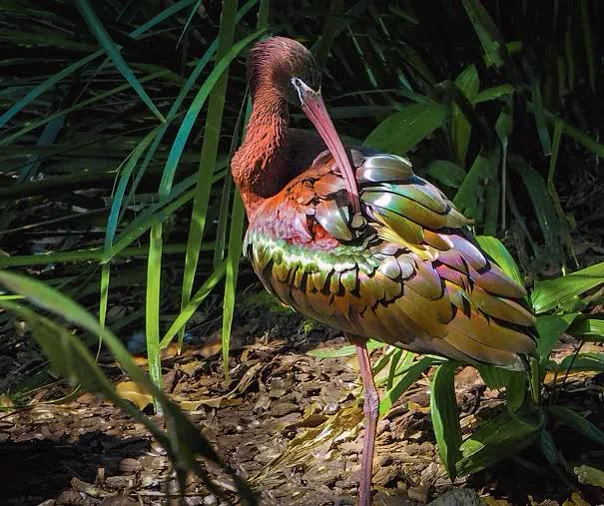
Plants and wildlife.
Autumn gives the Salina a completely different botanical palette from spring: its salt-loving glasswort (Salicornia) reaches its peak in late summer and autumn and turns striking red, while sea lavender (Limonium) is another characteristic autumn plant, alongside silvery-green Suaeda, sea rush, reeds and tamarisk around the channels.
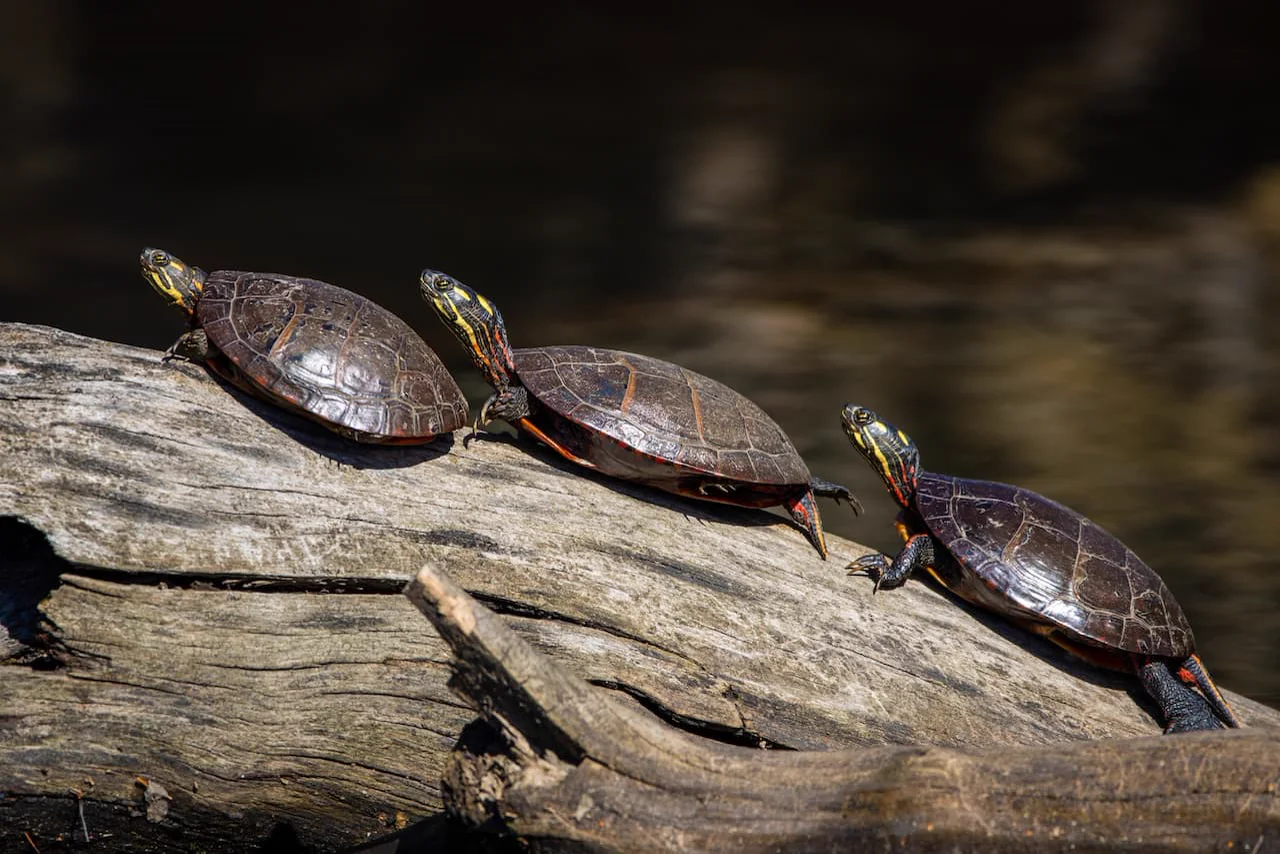
The pools and embankments are not only bird habitat: the Salina supports European pond turtles, Albanian water frogs and Eurasian otters, while golden jackals, large legless sheltopusik lizards and other Mediterranean reptiles occur in the surrounding Salina/Bojana wetland landscape. September is the easiest part of this window for seeing reptiles active in the warmth; by November they are far less conspicuous, while otters and jackals remain present year-round but are much more often detected by tracks than actually seen.
Then the day gets ridiculously well structured.
Morning: flamingos and migration at Ulcinj Salina, ideally early when the landscape is quiet and the light is low.
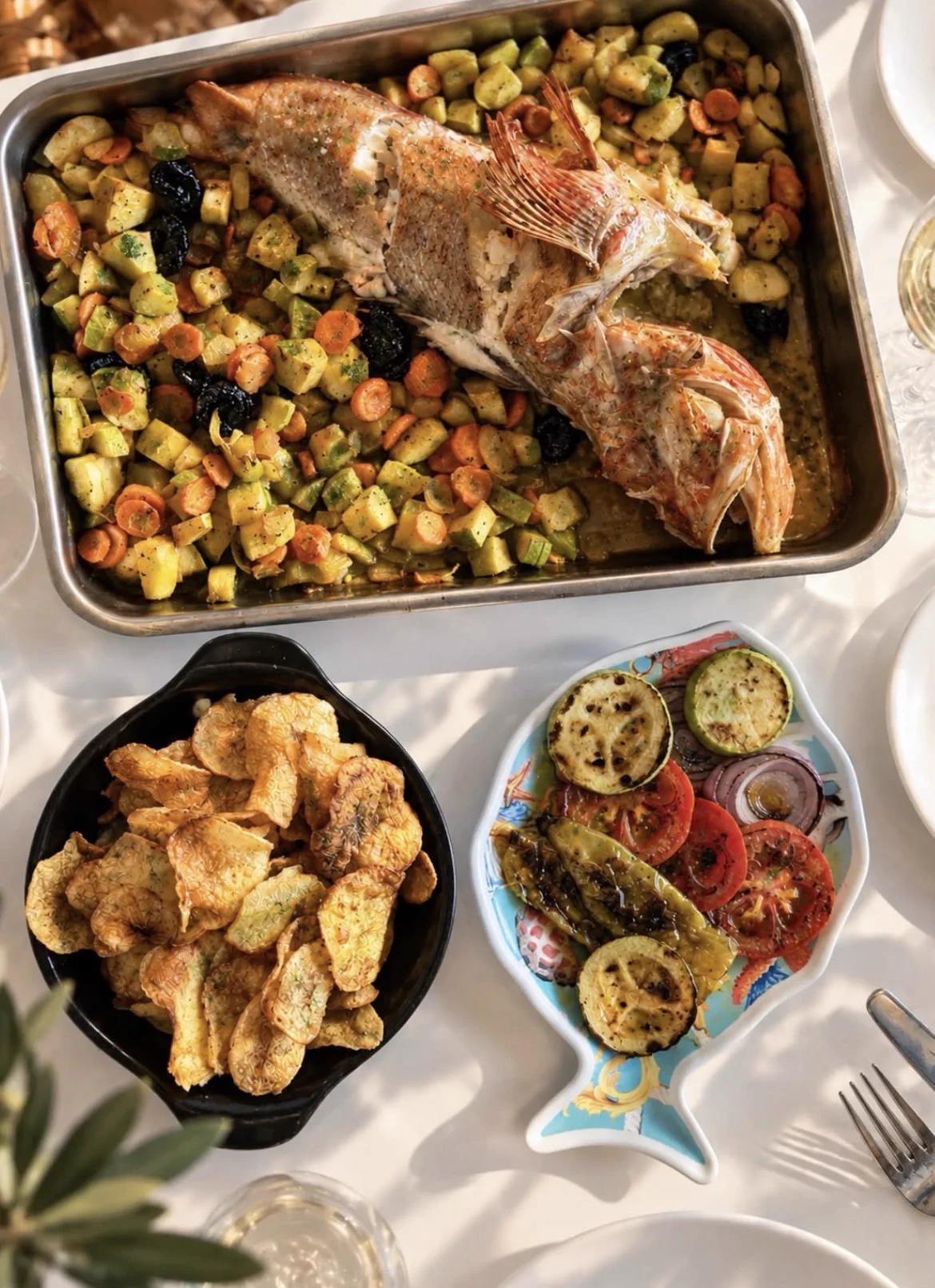
Lunch: we drive down toward the Bojana and eat at Misko - najstariji riblji restoran na Bojani -The Oldest Fish Restaurant on Bojana. Miško is the first and oldest fish restaurant on Ada Bojana, opened in 1991 and still run by the same family, specialising in local fish and Mediterranean seafood beside the river.
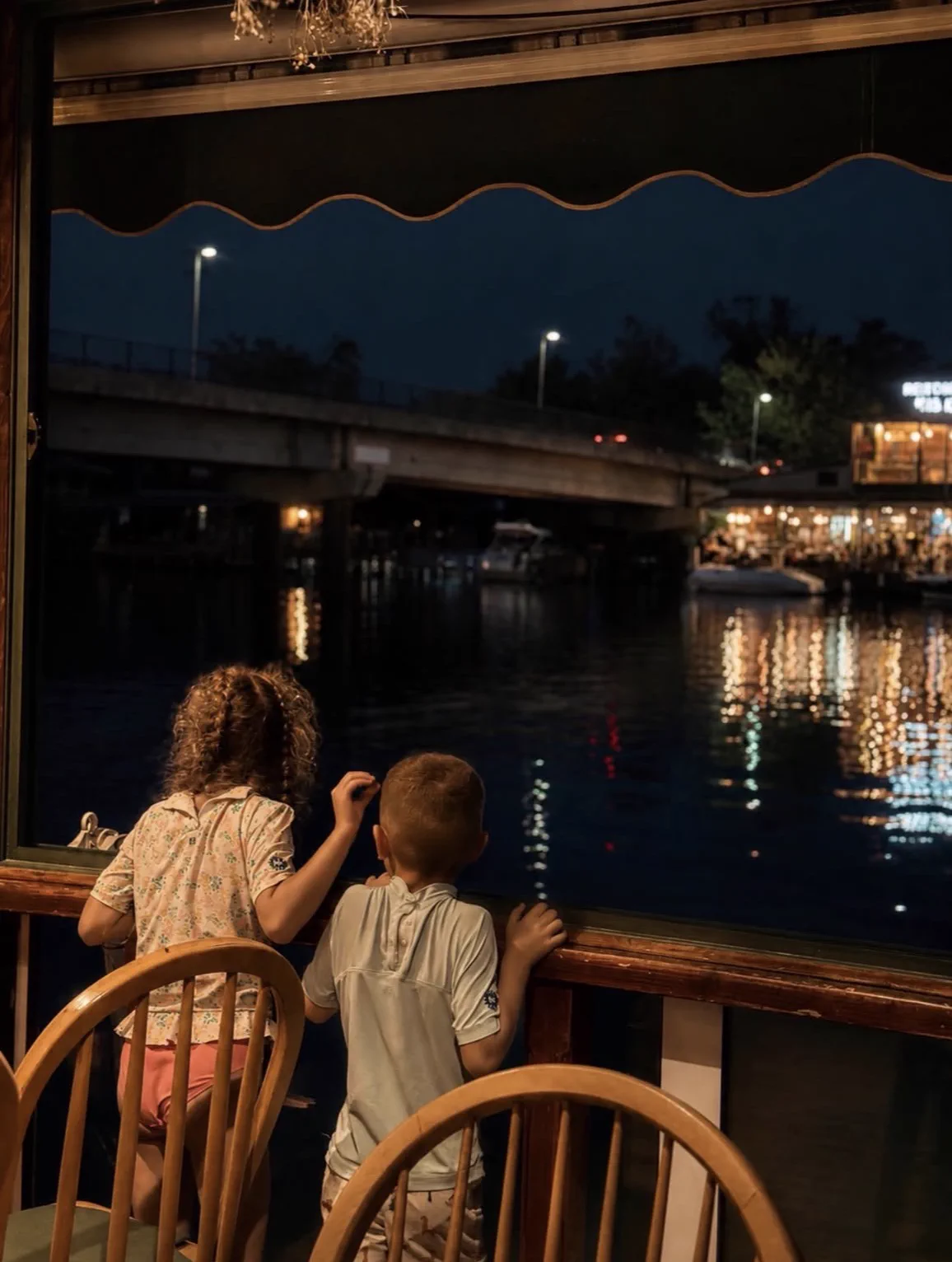
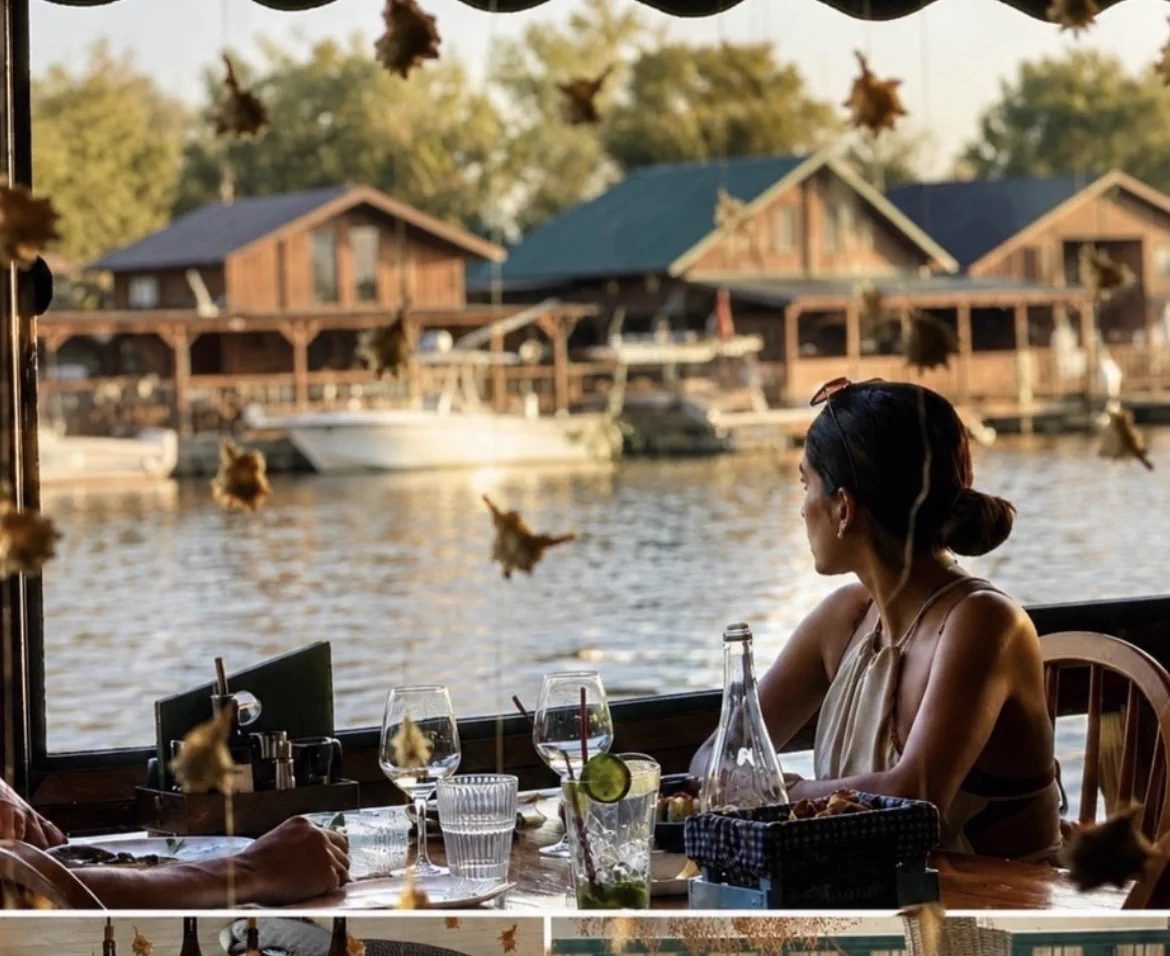
After lunch: Ada Bojana. You go from controlled salt pans and thousands of birds to the completely different landscape of the Bojana delta meeting the Adriatic — a triangular island bordered by two river arms and the sea, with roughly 3 km of sandy beach. Montenegro’s tourism authority specifically lists autumn among its seasons.
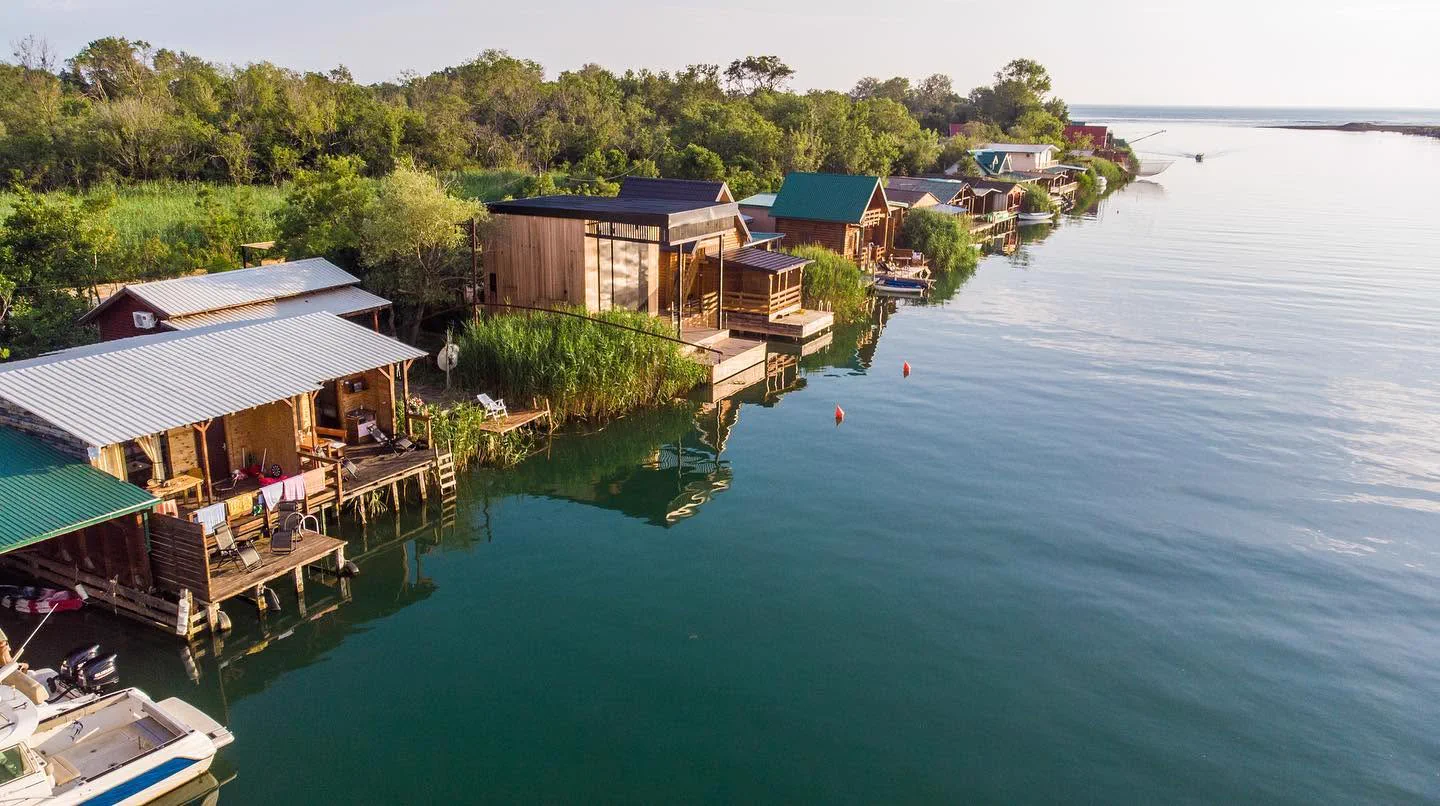
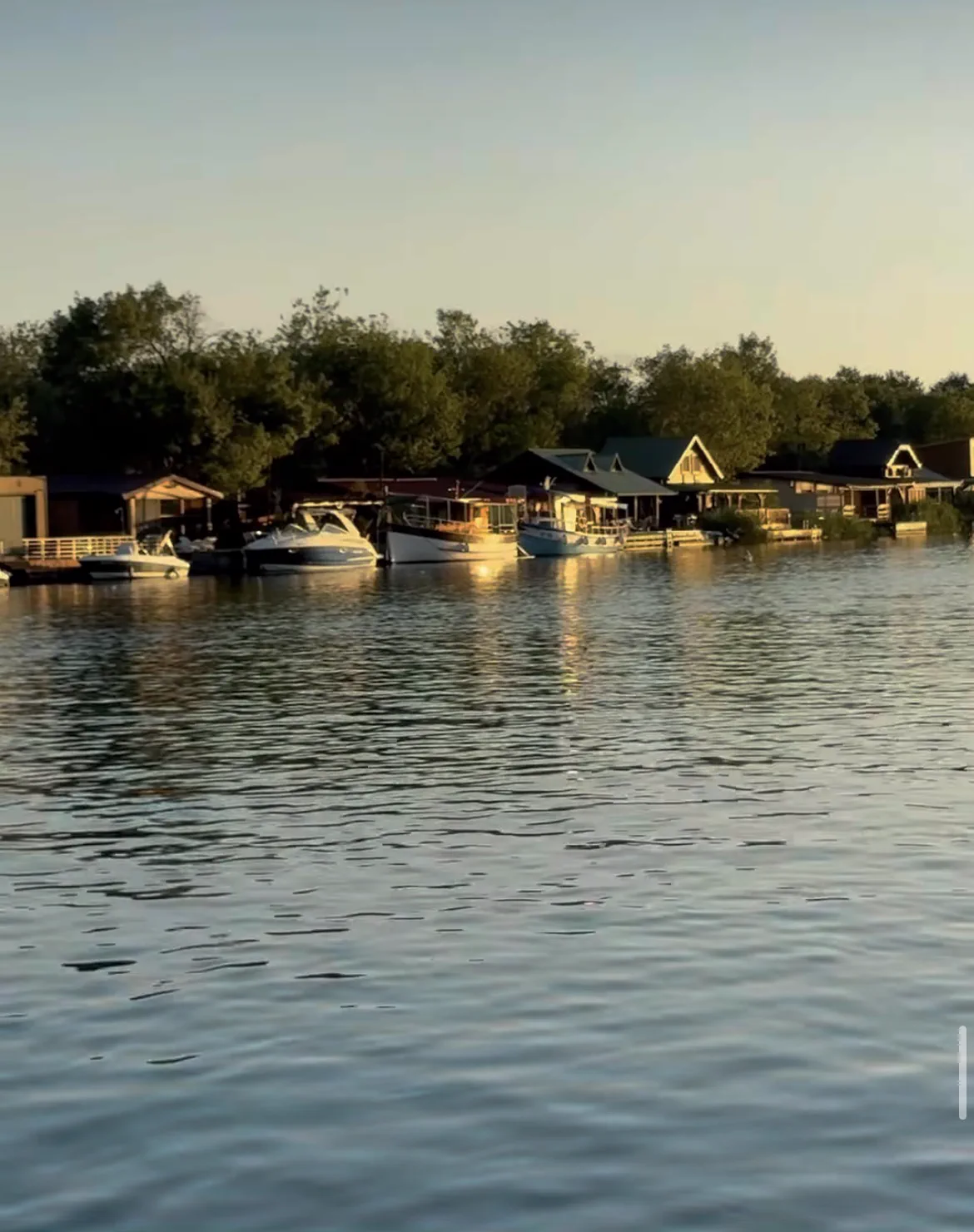
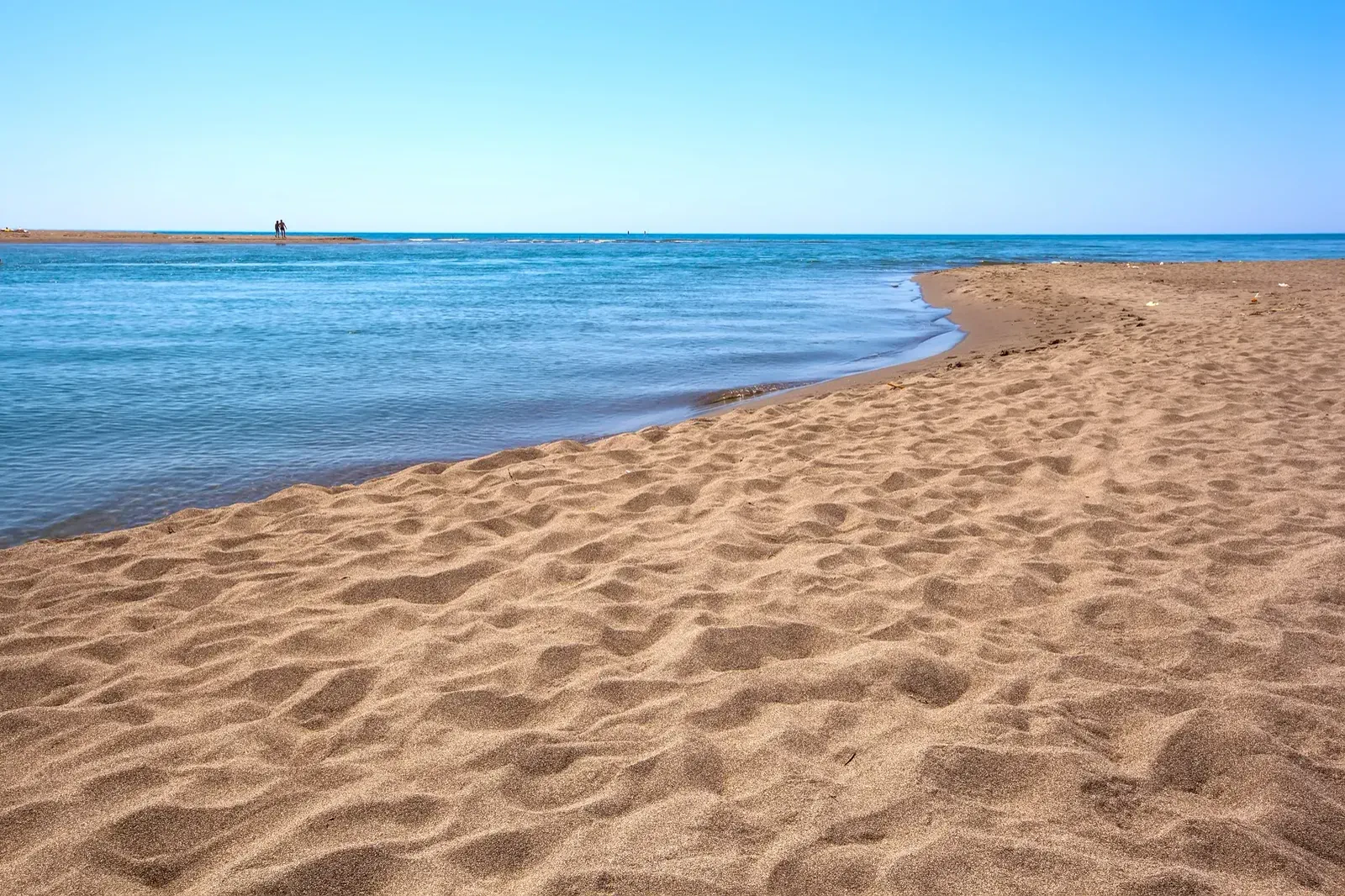
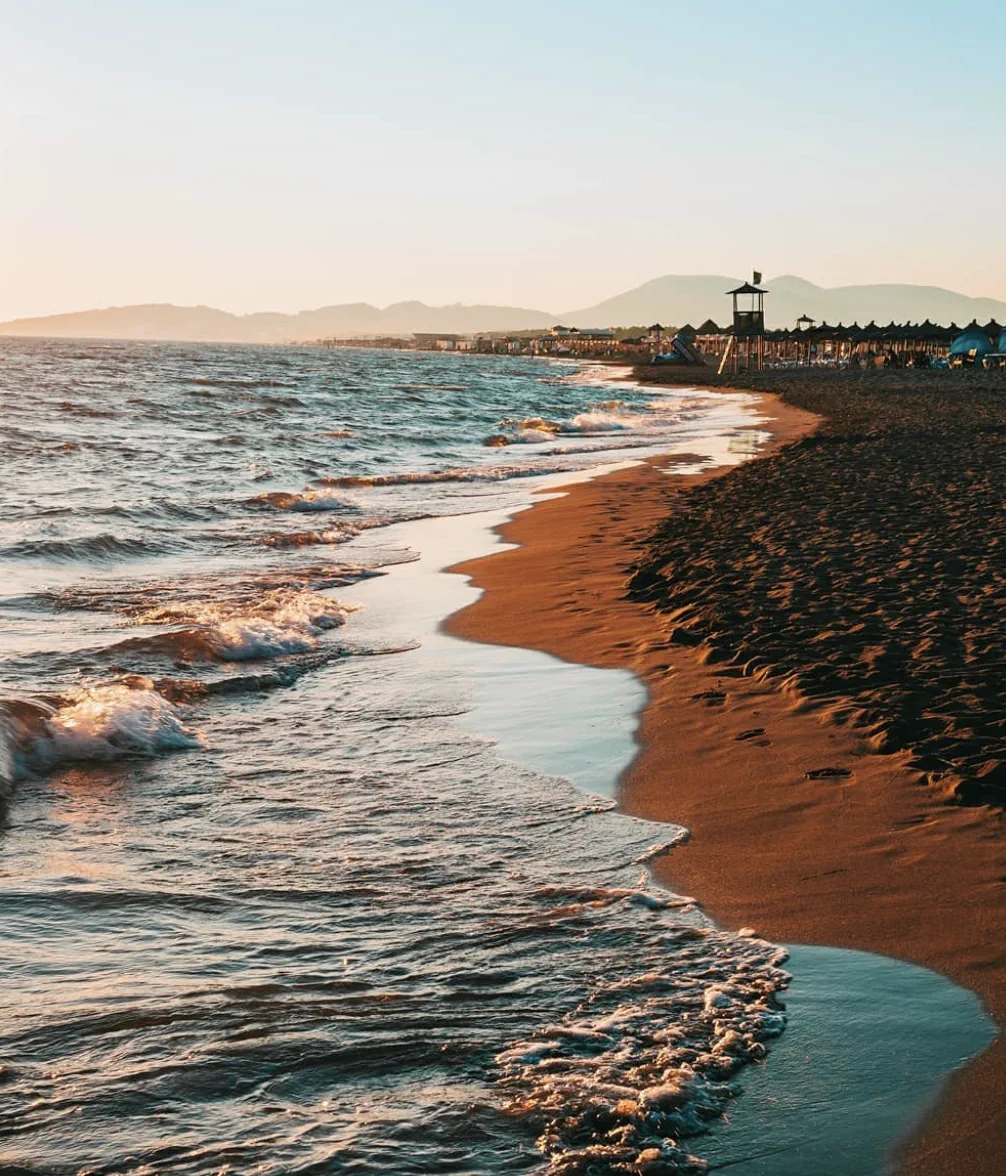
What sells it for me is that the three pieces aren’t competing activities. Flamingos are the experience. Miško and Ada Bojana are the reward afterward.
You aren’t spending a day driving around ticking off “Ulcinj attractions.” You get one proper encounter with something you genuinely cannot see almost anywhere else in Montenegro — hundreds of wild flamingos in an abandoned Adriatic saltworks during migration season — and then you finish with fish on the river and a walk on a nearly end-of-season beach.
In July, I’d make the beach the main activity. In October, I’d absolutely make the Salina the reason for the trip. The empty beach afterward is the bonus.