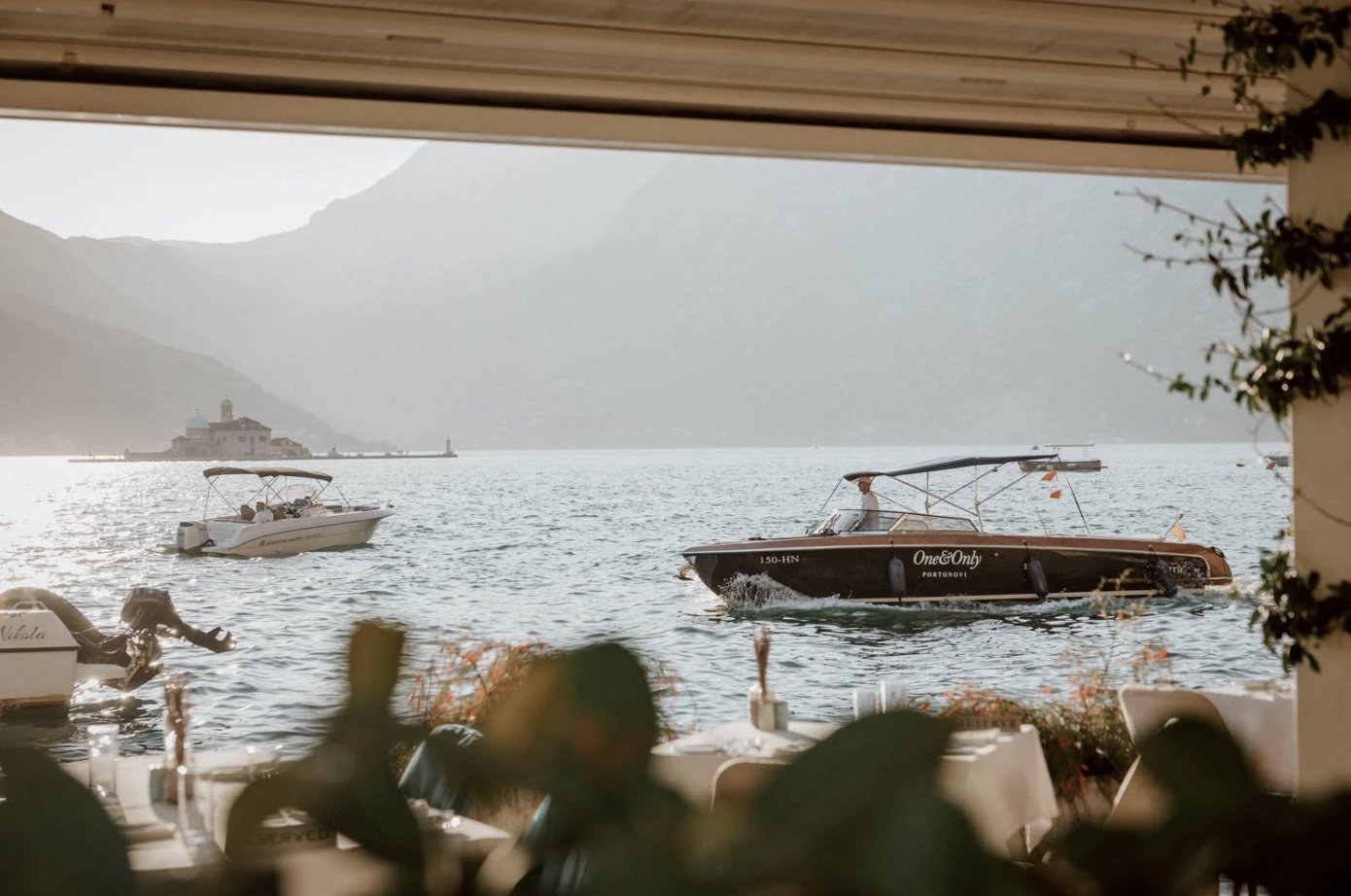
Autumnal Wonders in Montenegro
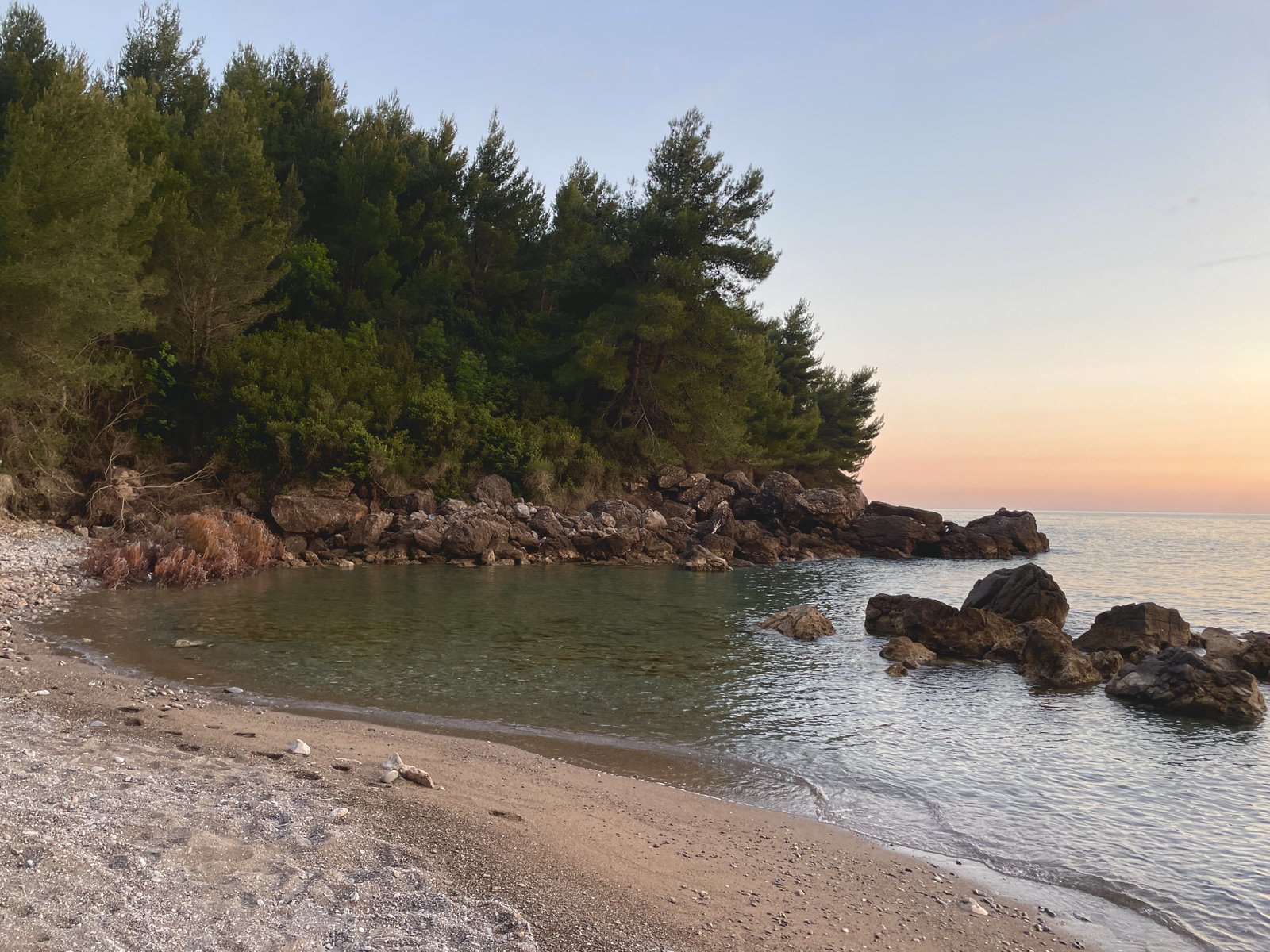
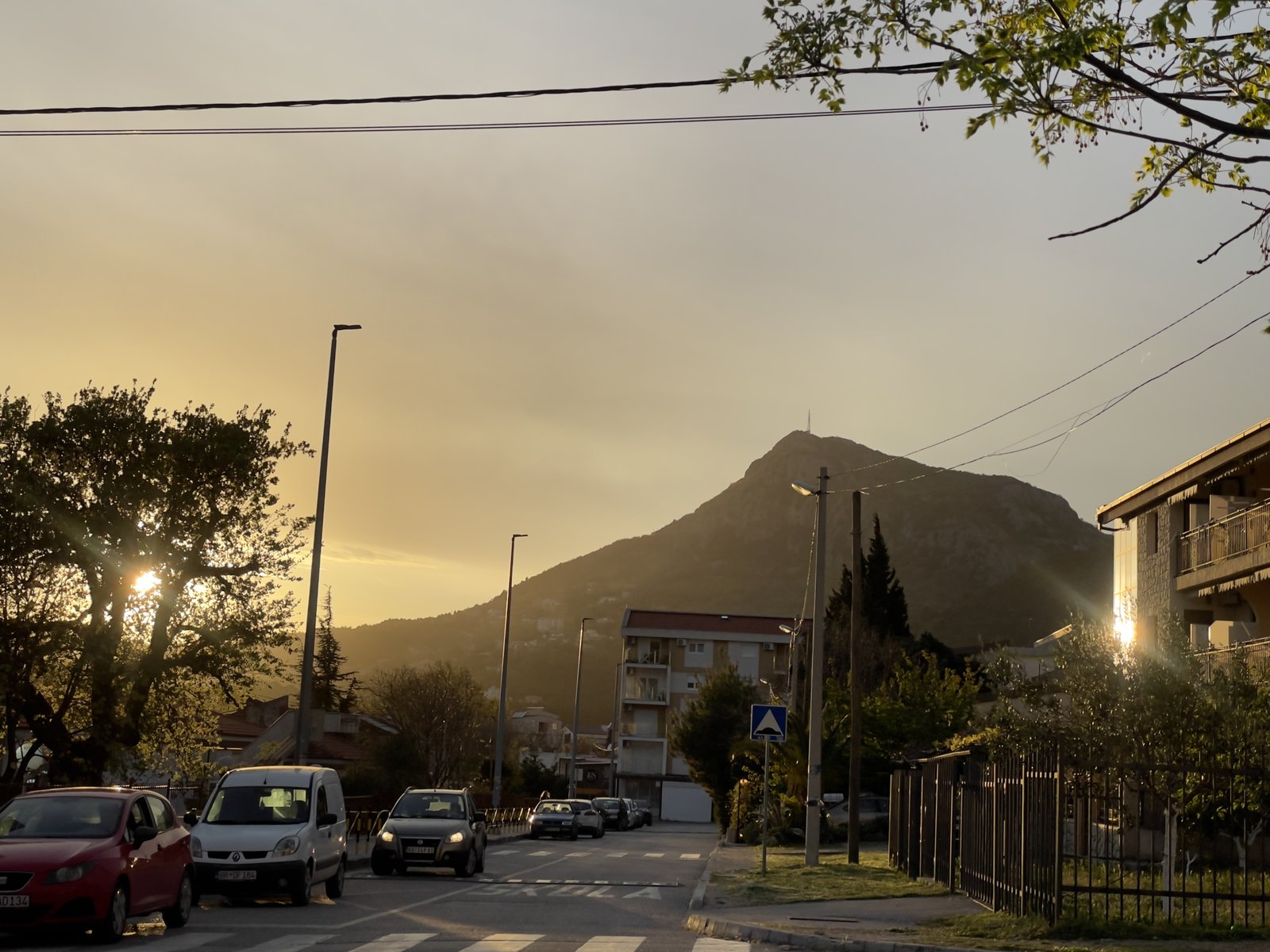
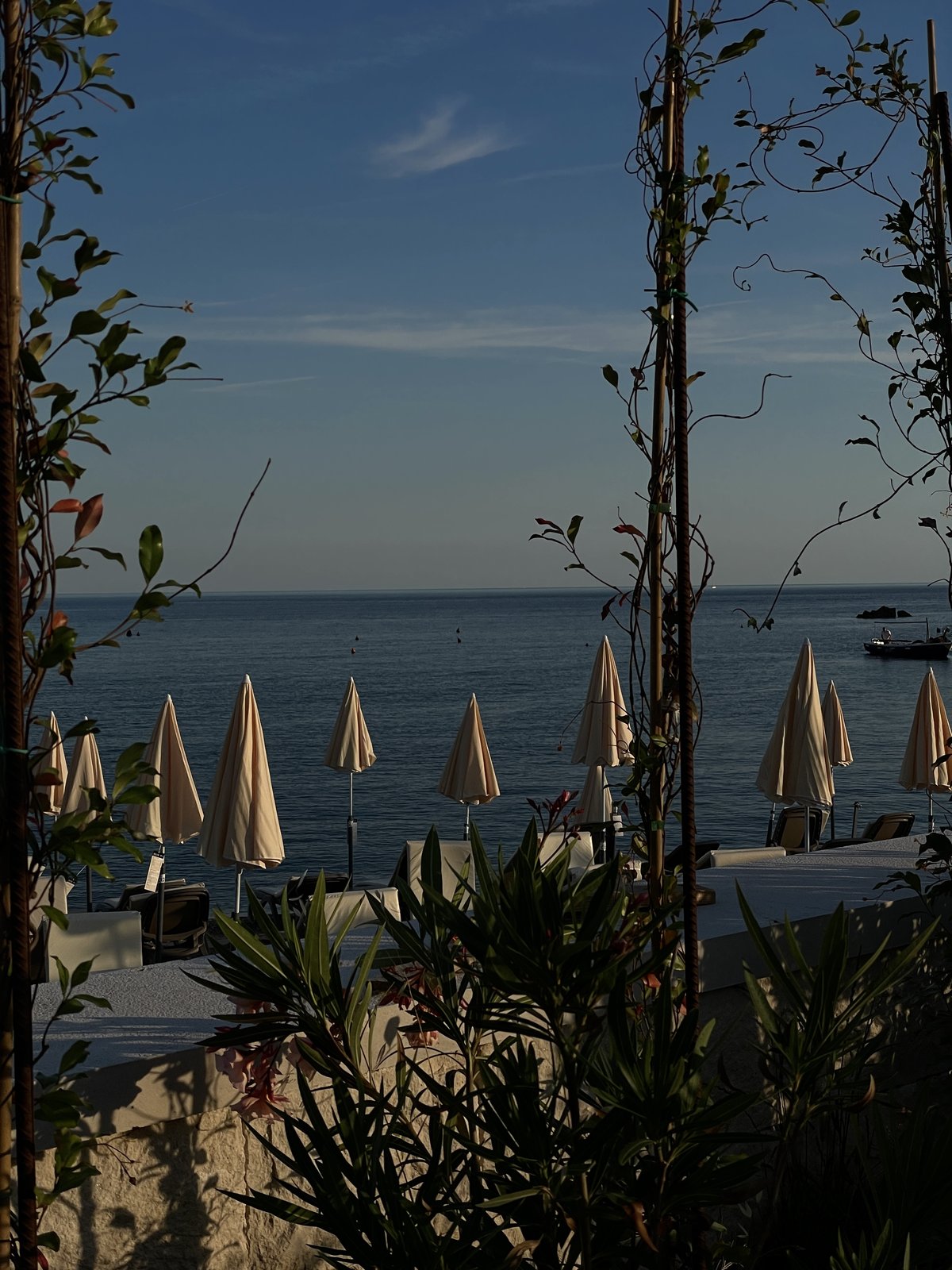
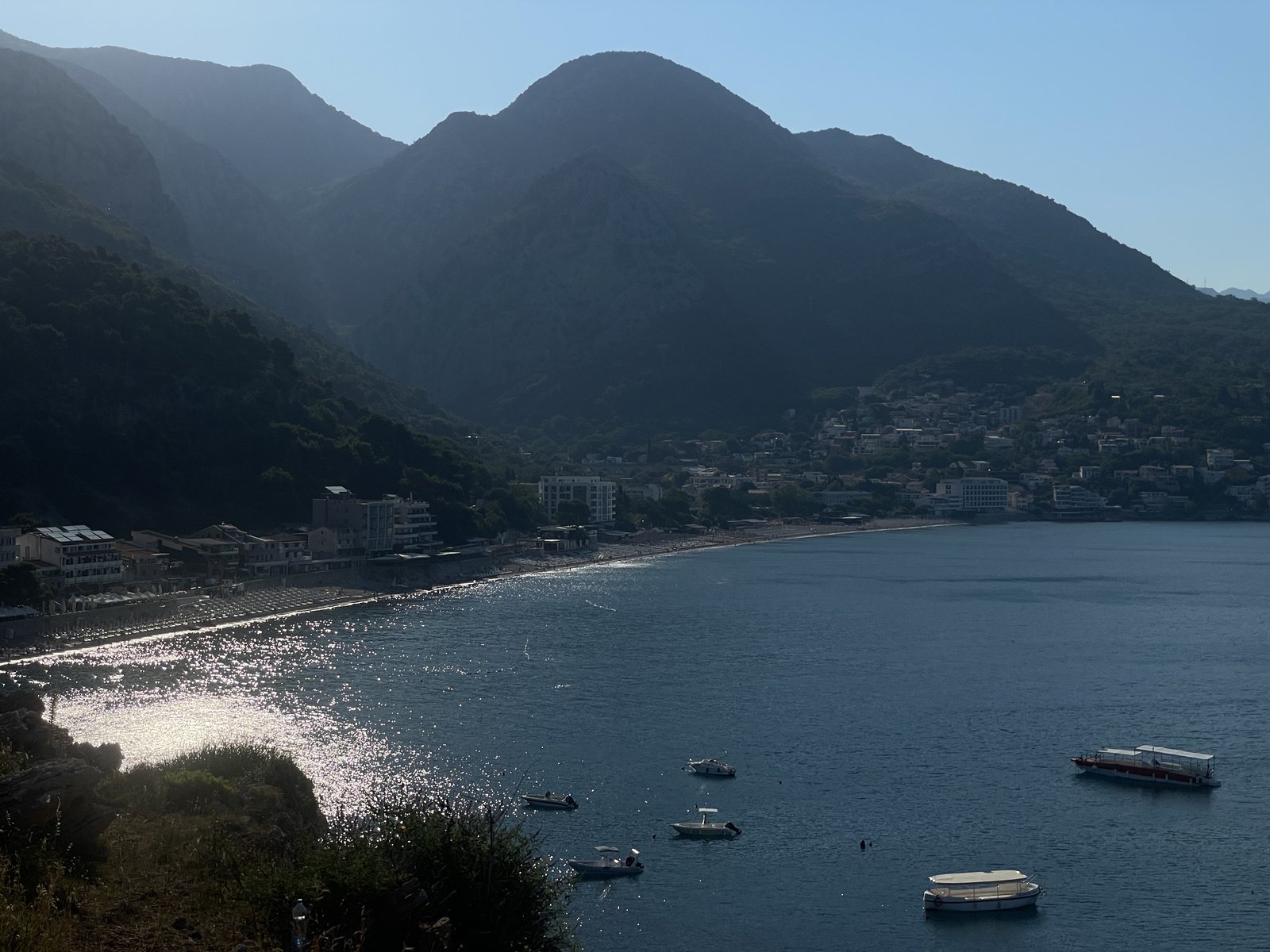
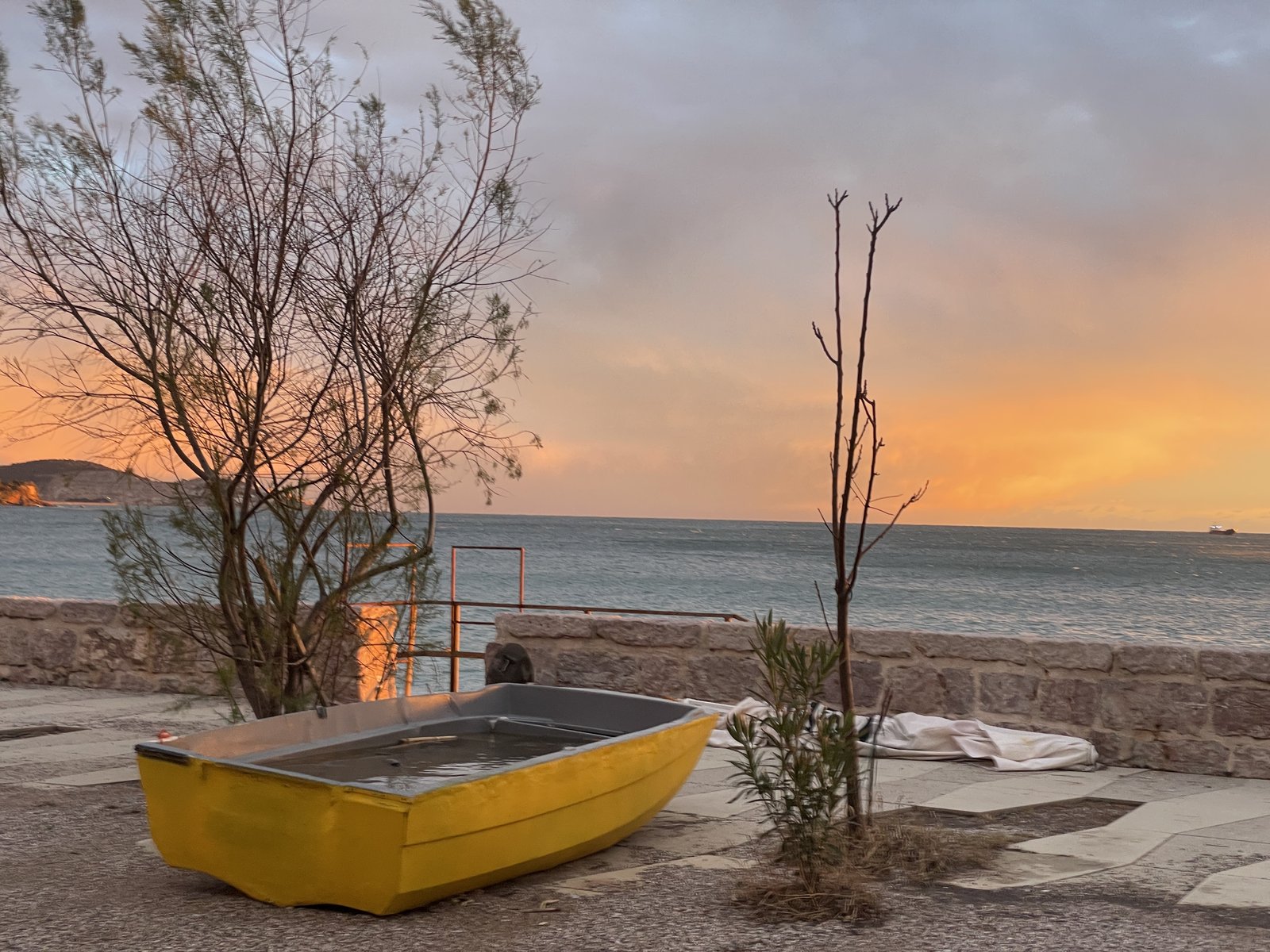
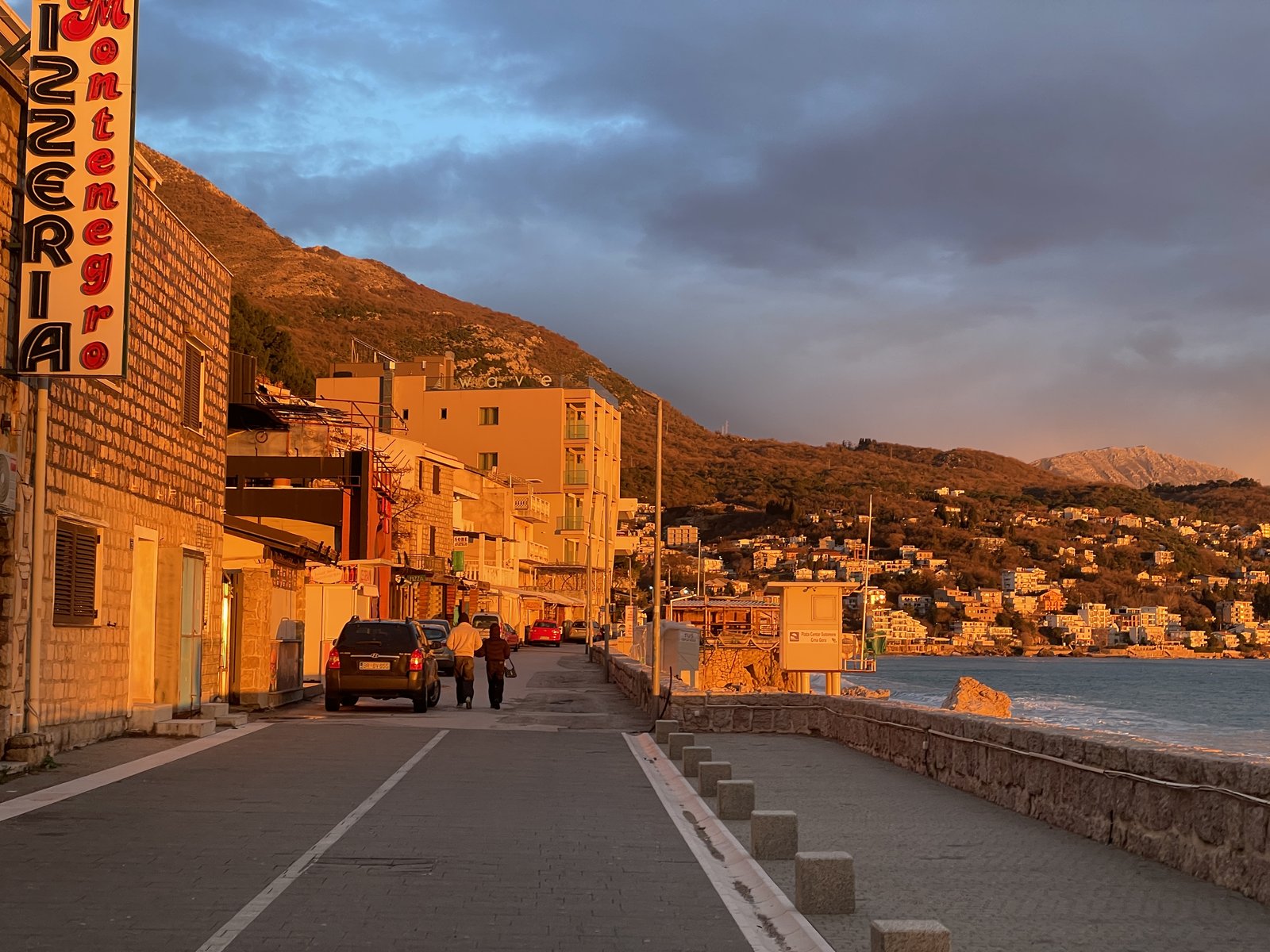
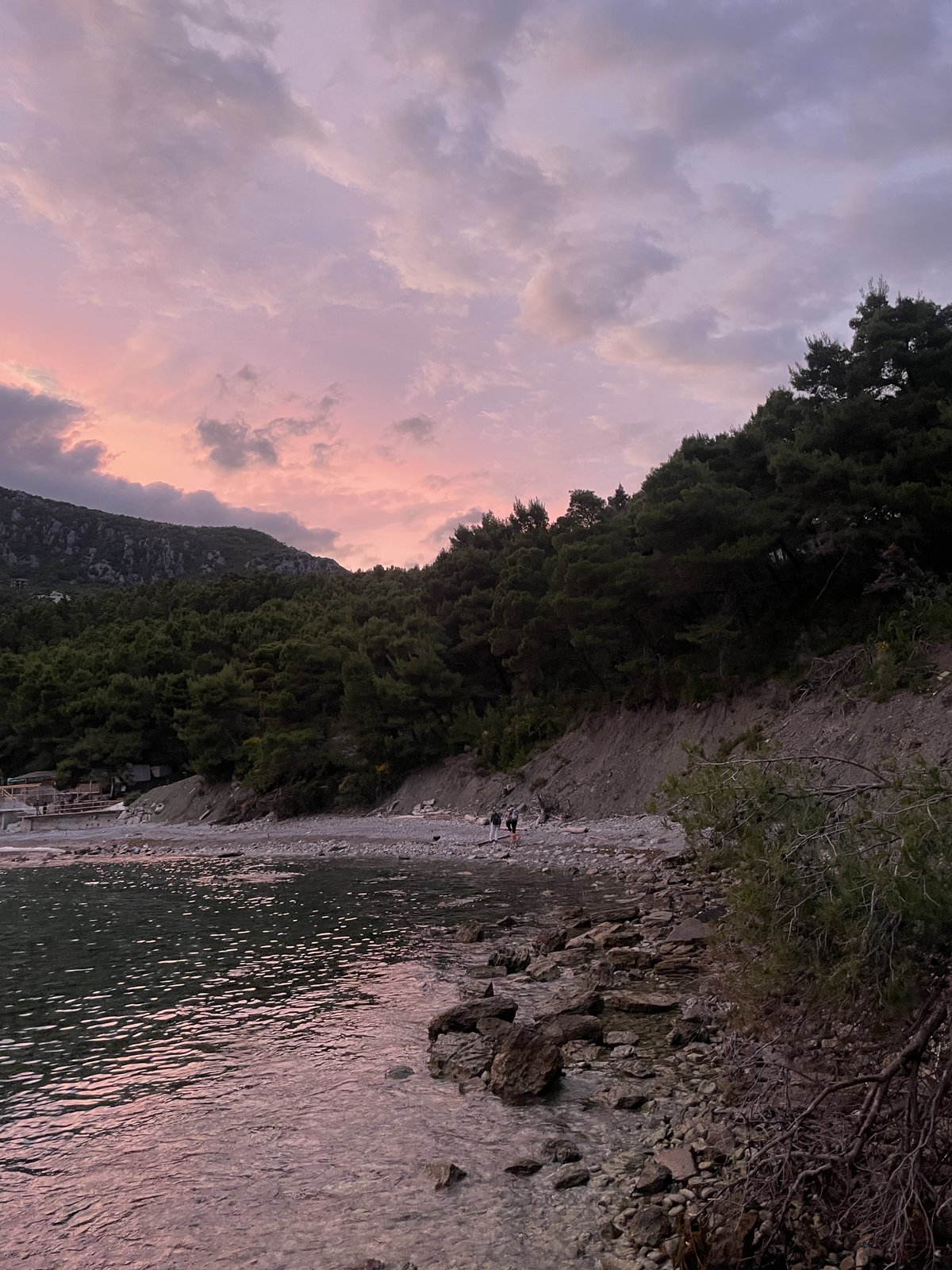
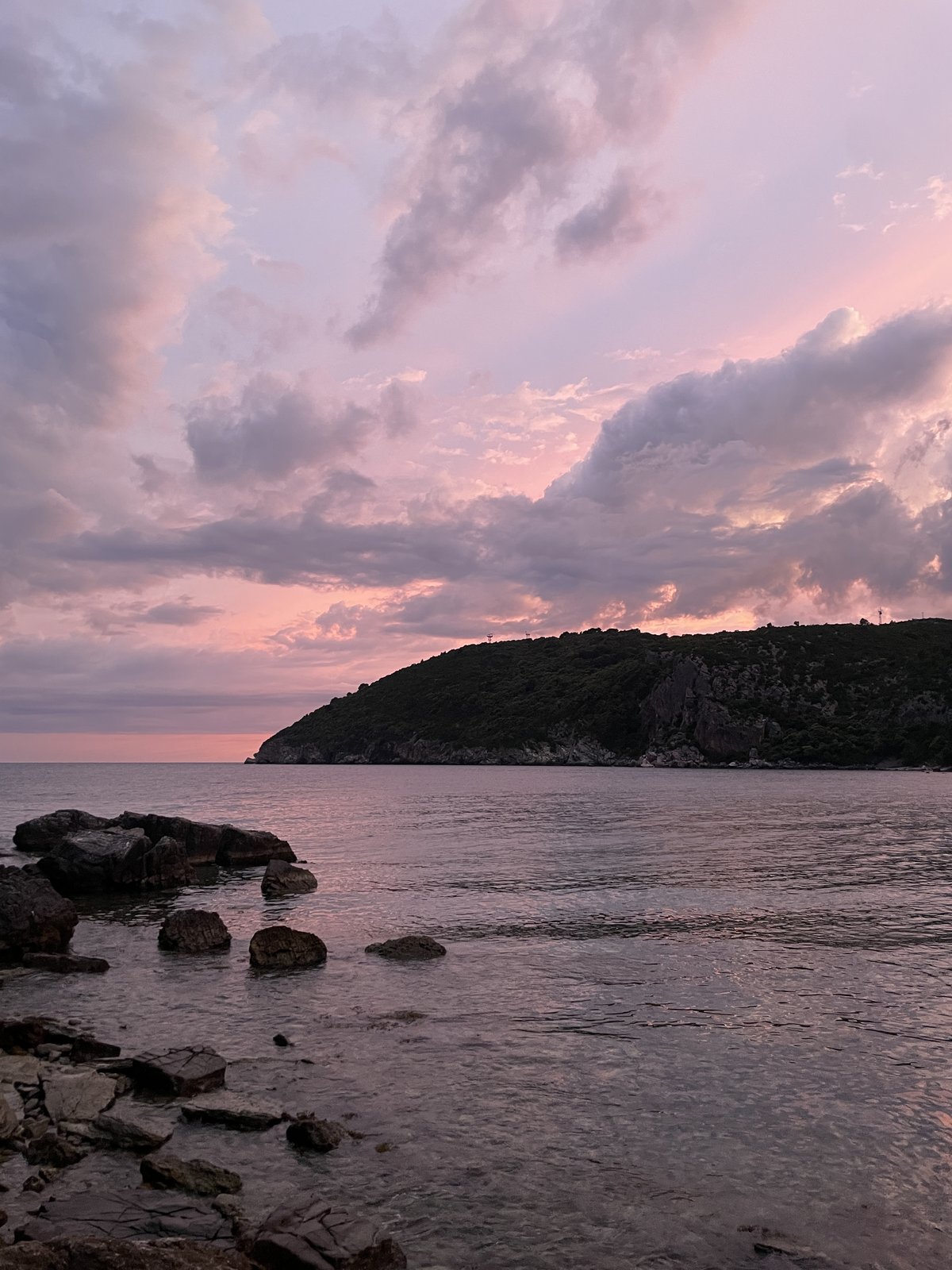
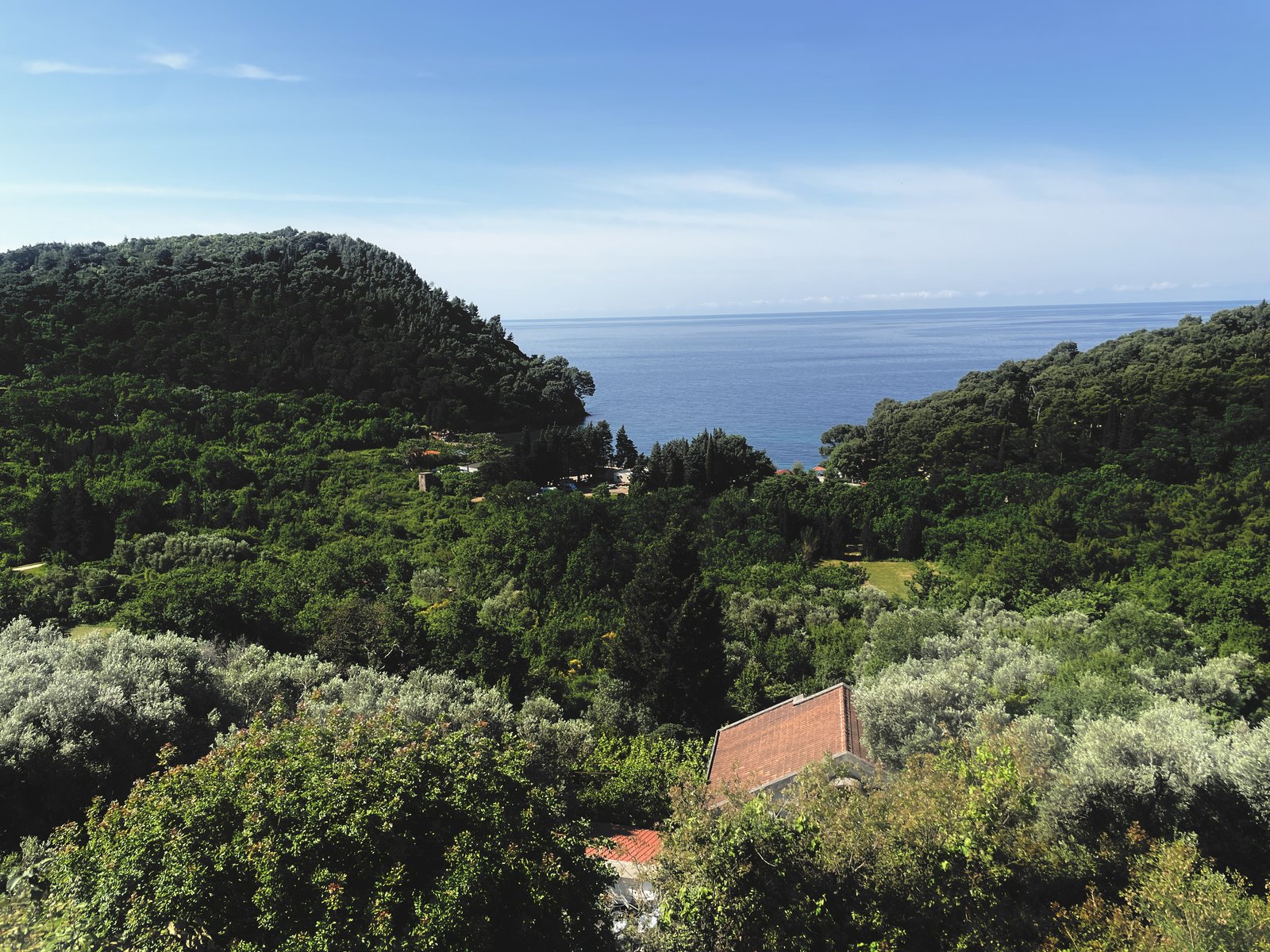
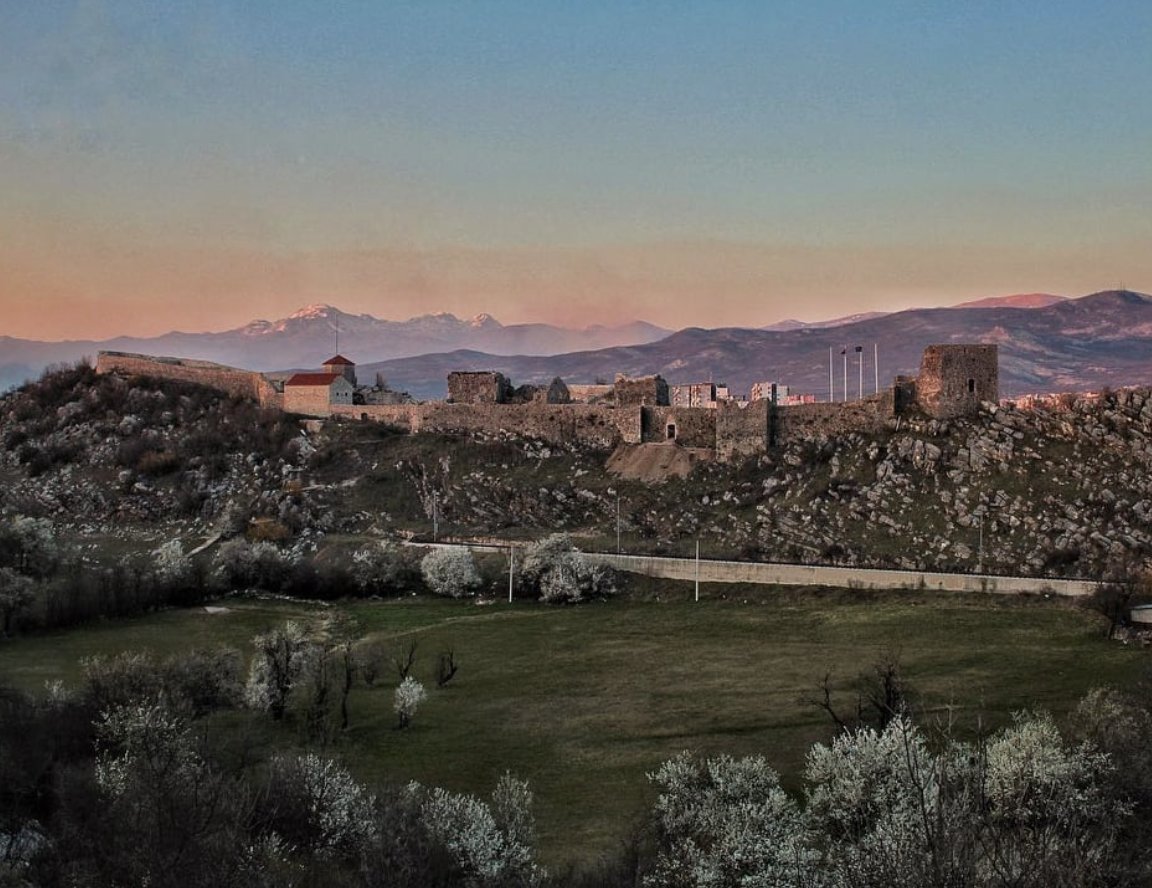
We start in Sutomore because it is at the very centre of the Montenegro coast, because it is our favourite town, and because we live here. There is a rocky beach surrounded by pine forest, sweet little cafes and amazing seafood bars on the old promenade, mountain trails all around, and our favourite picnic spot on the Tabia ruins to watch the sunset from.
These are our must-see places in Montenegro for September and October 2026:
Places in this story
Sutomore
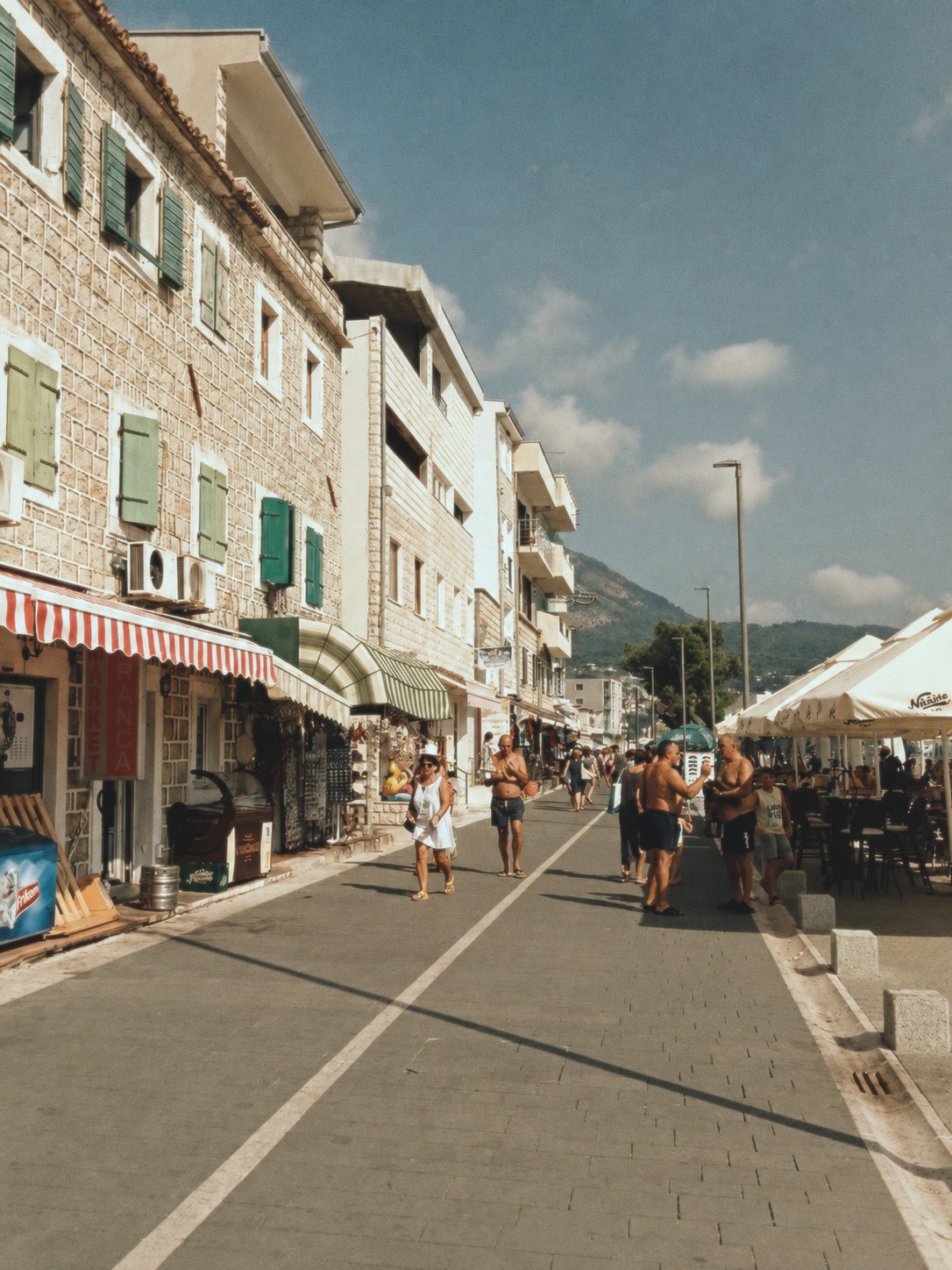
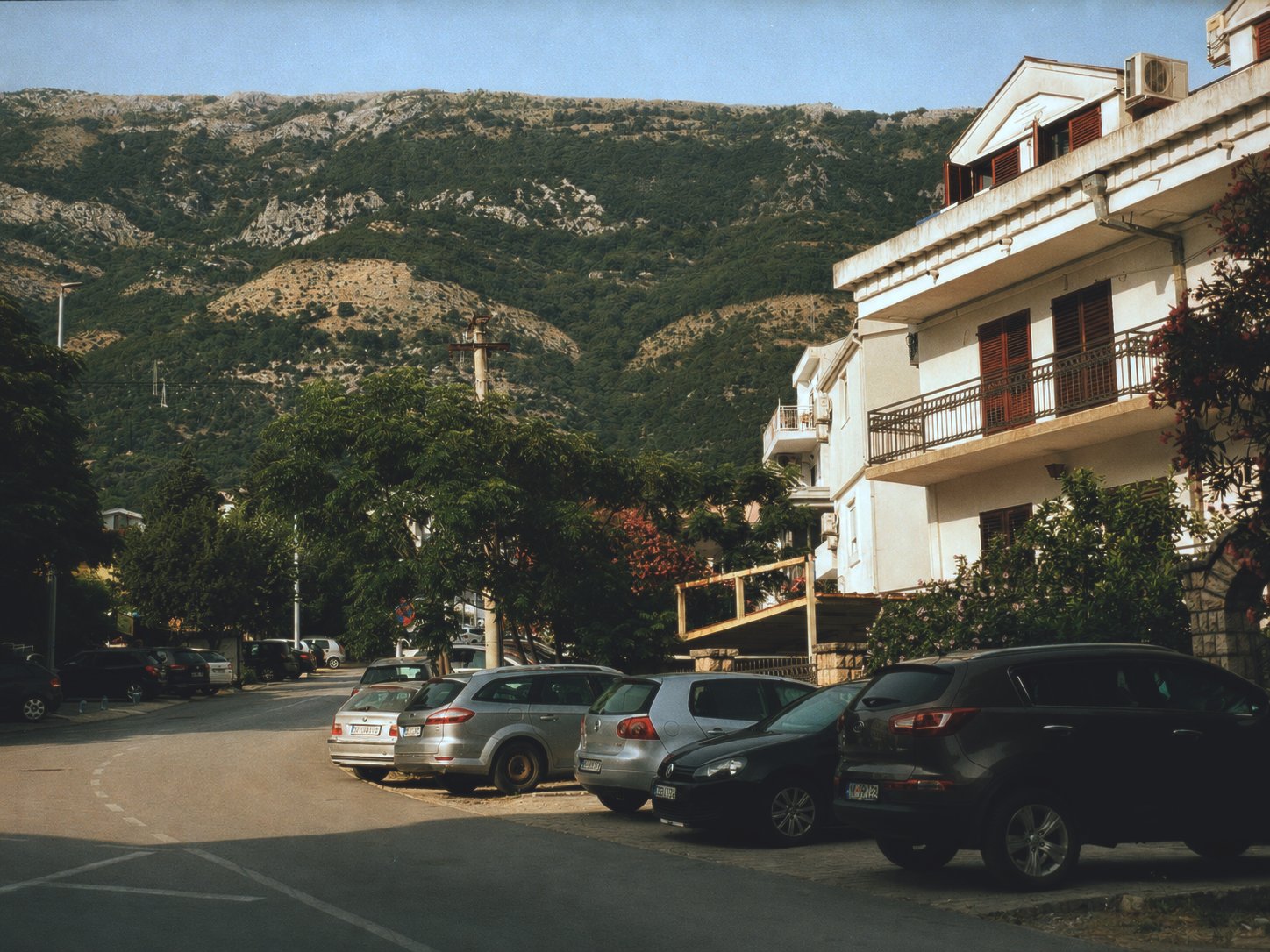
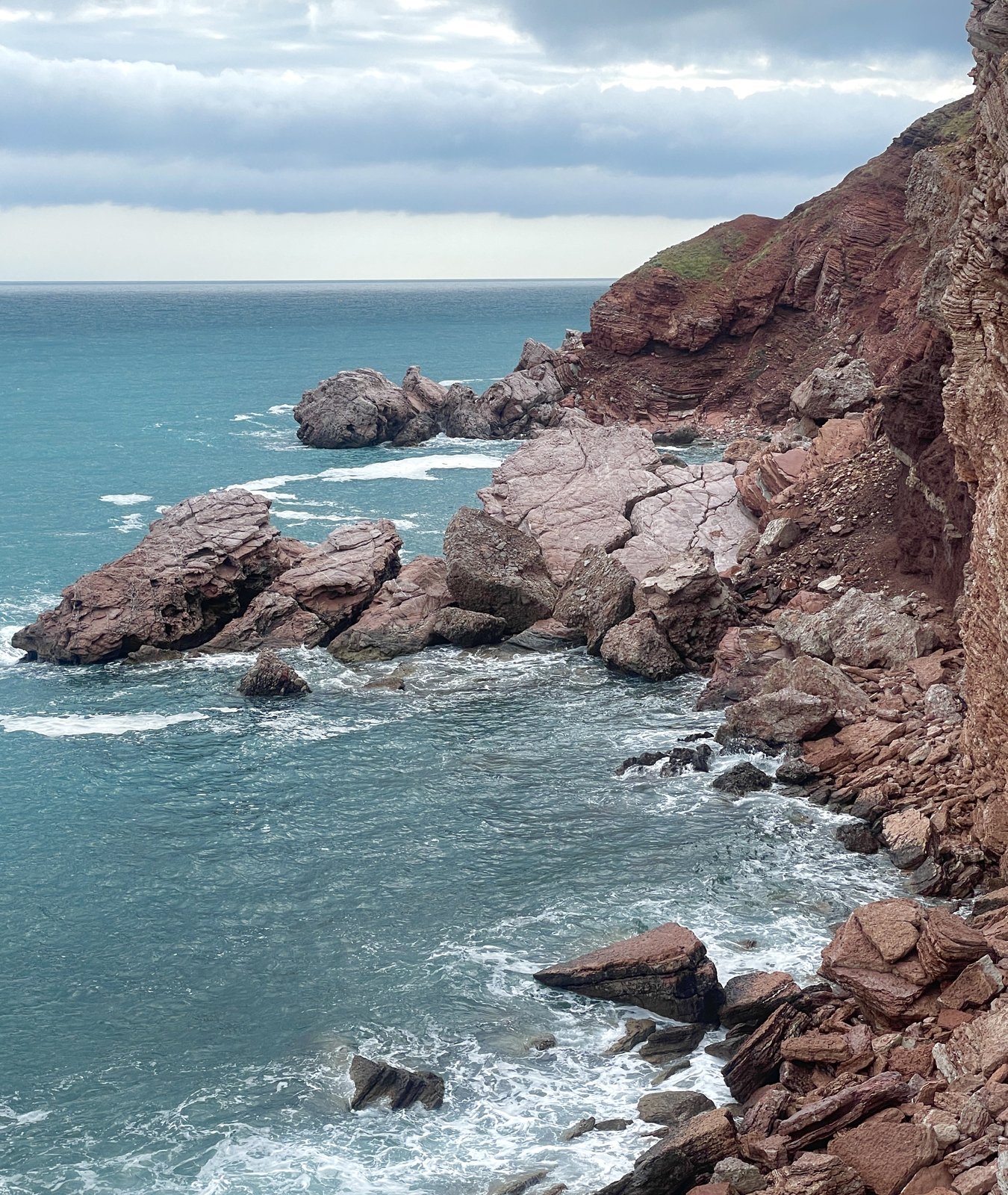
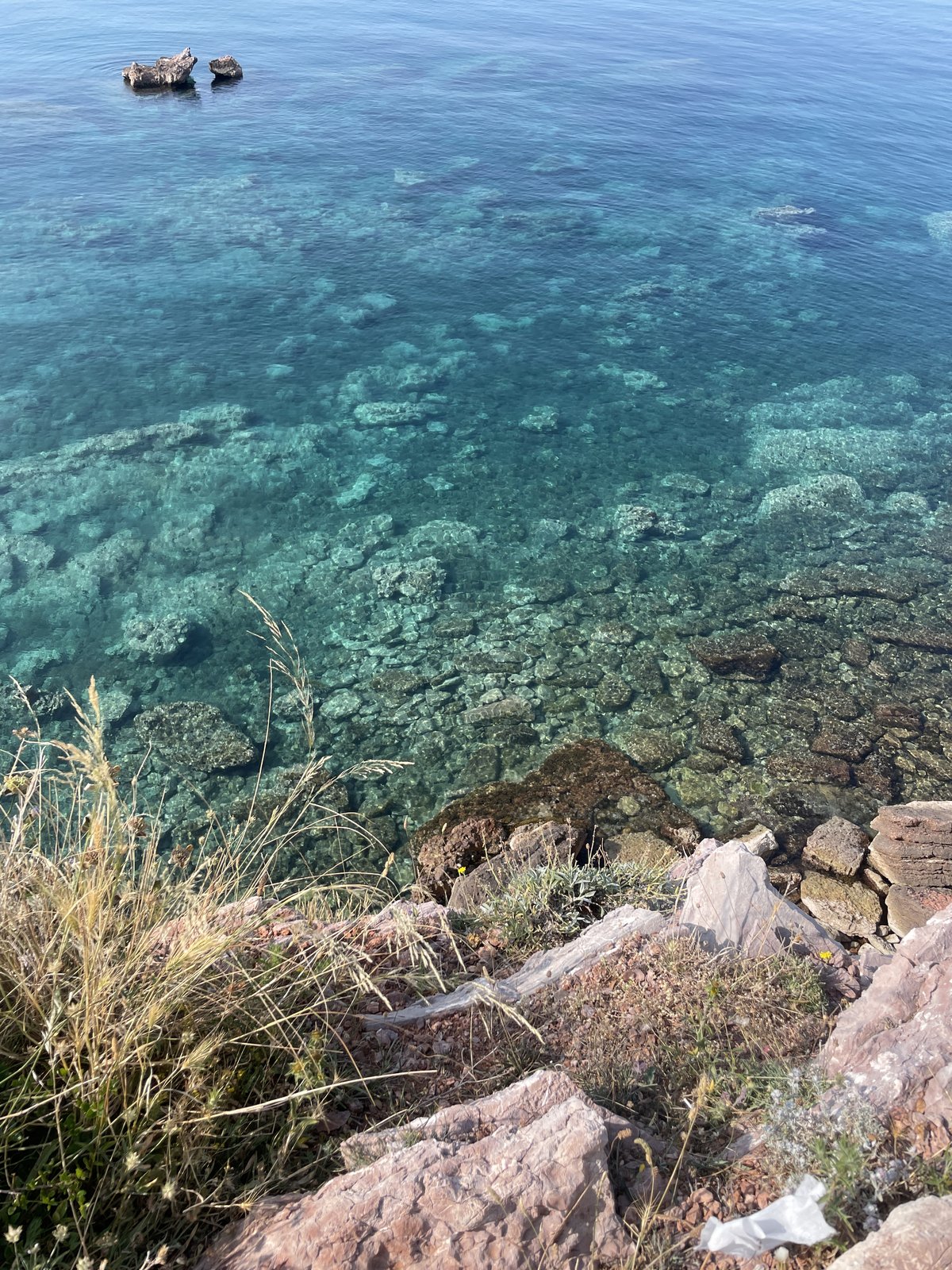
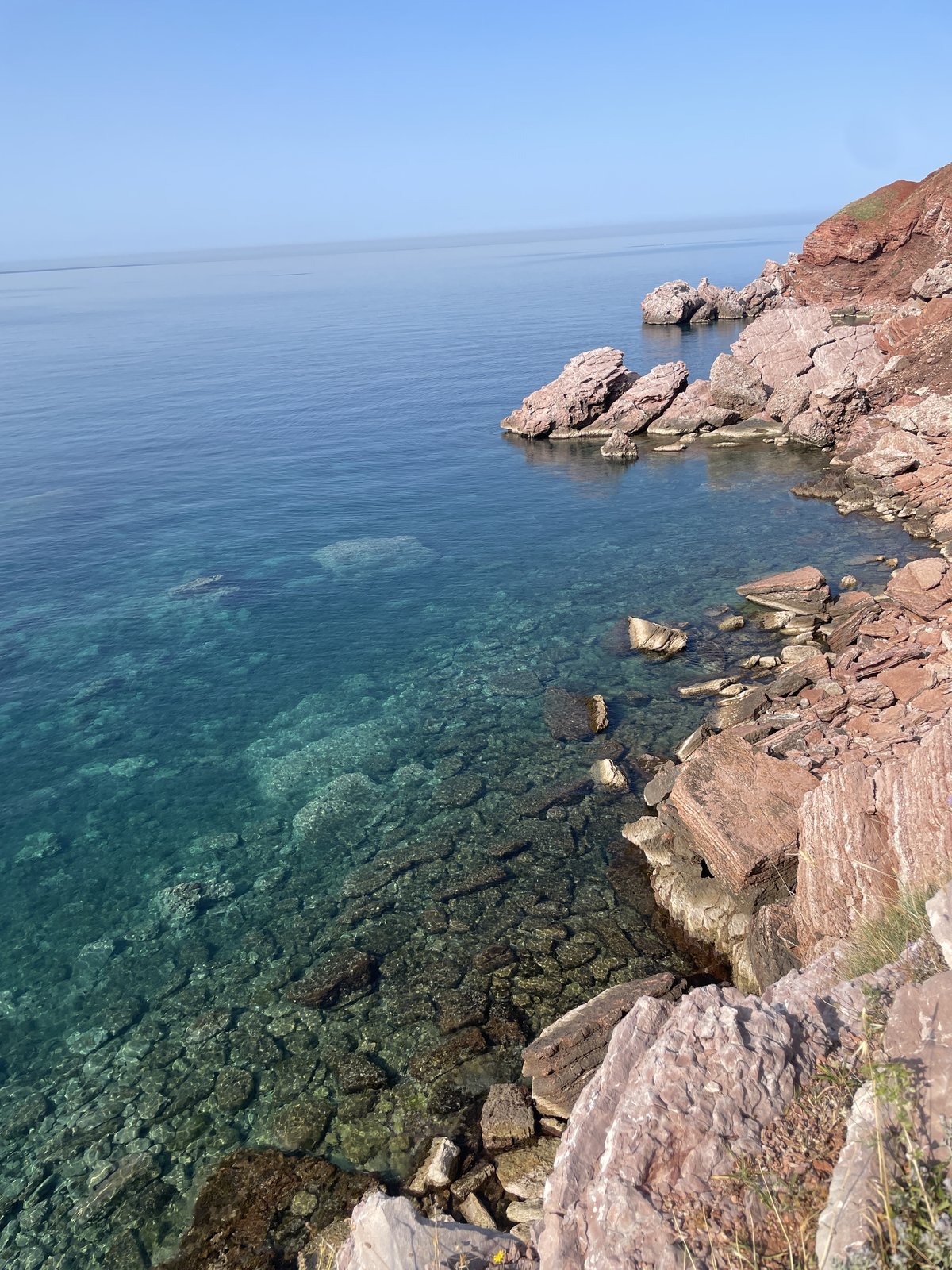
Sutomore sits between the Bar Riviera and the inland routes toward Lake Skadar, with a railway station that makes it unusually practical as a base without a car. Maljevik, just west of town, is a pine-framed cove with a much wilder feel than the central beach. Two old hill forts, Tabia and Haj-Nehaj, explain why this small coastal town has such wide views in every direction.
Tabia, Sutomore
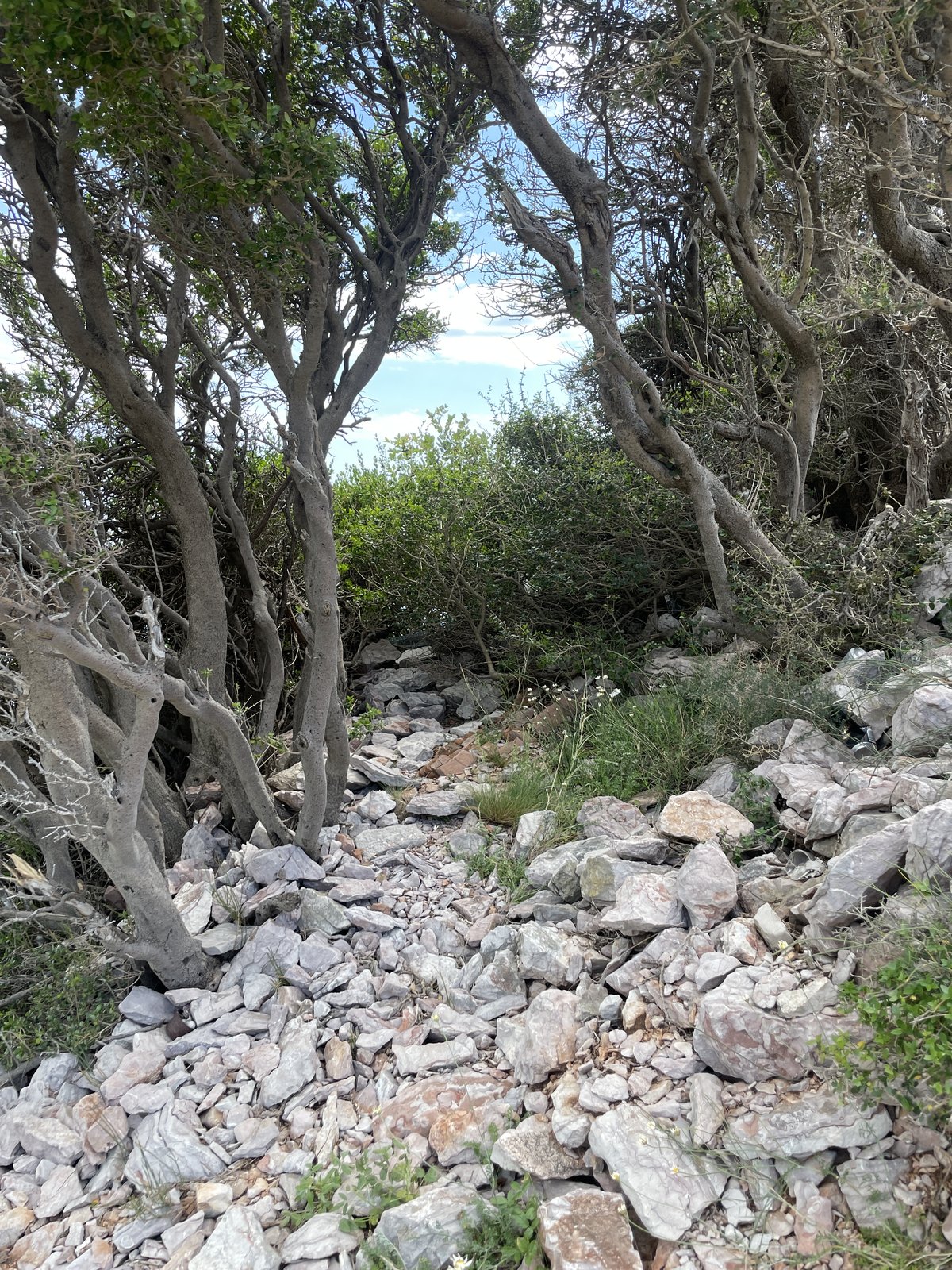
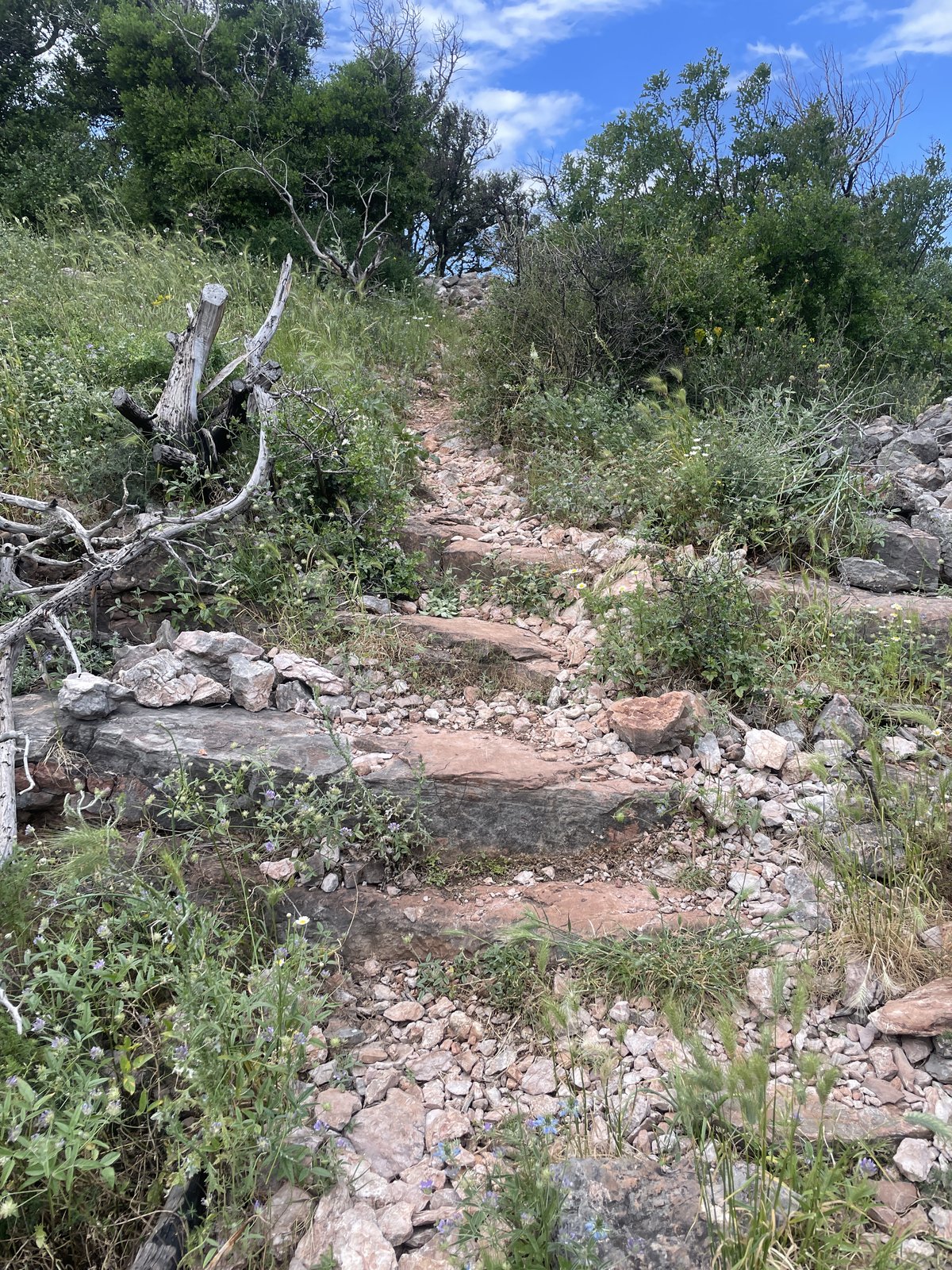
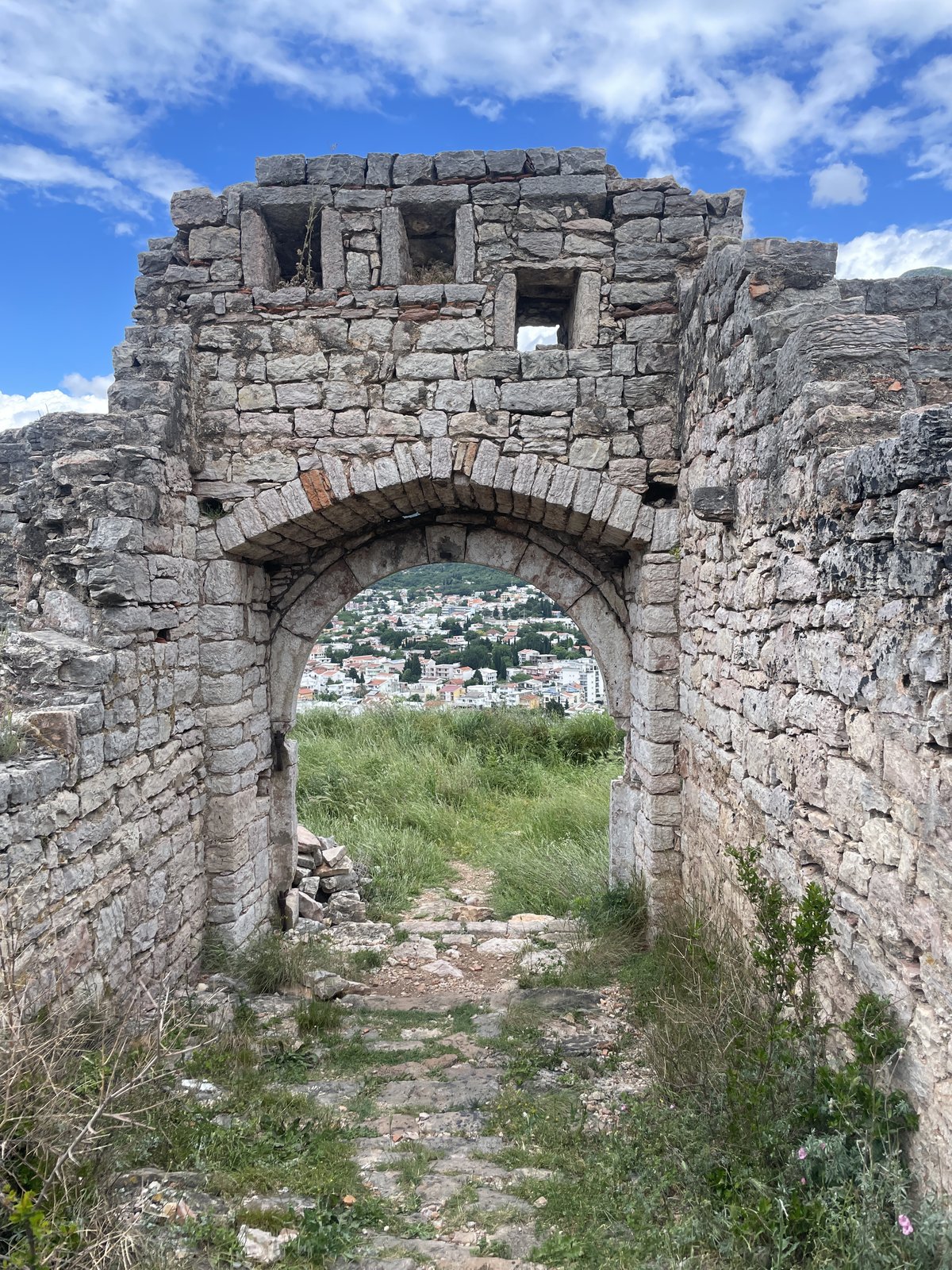
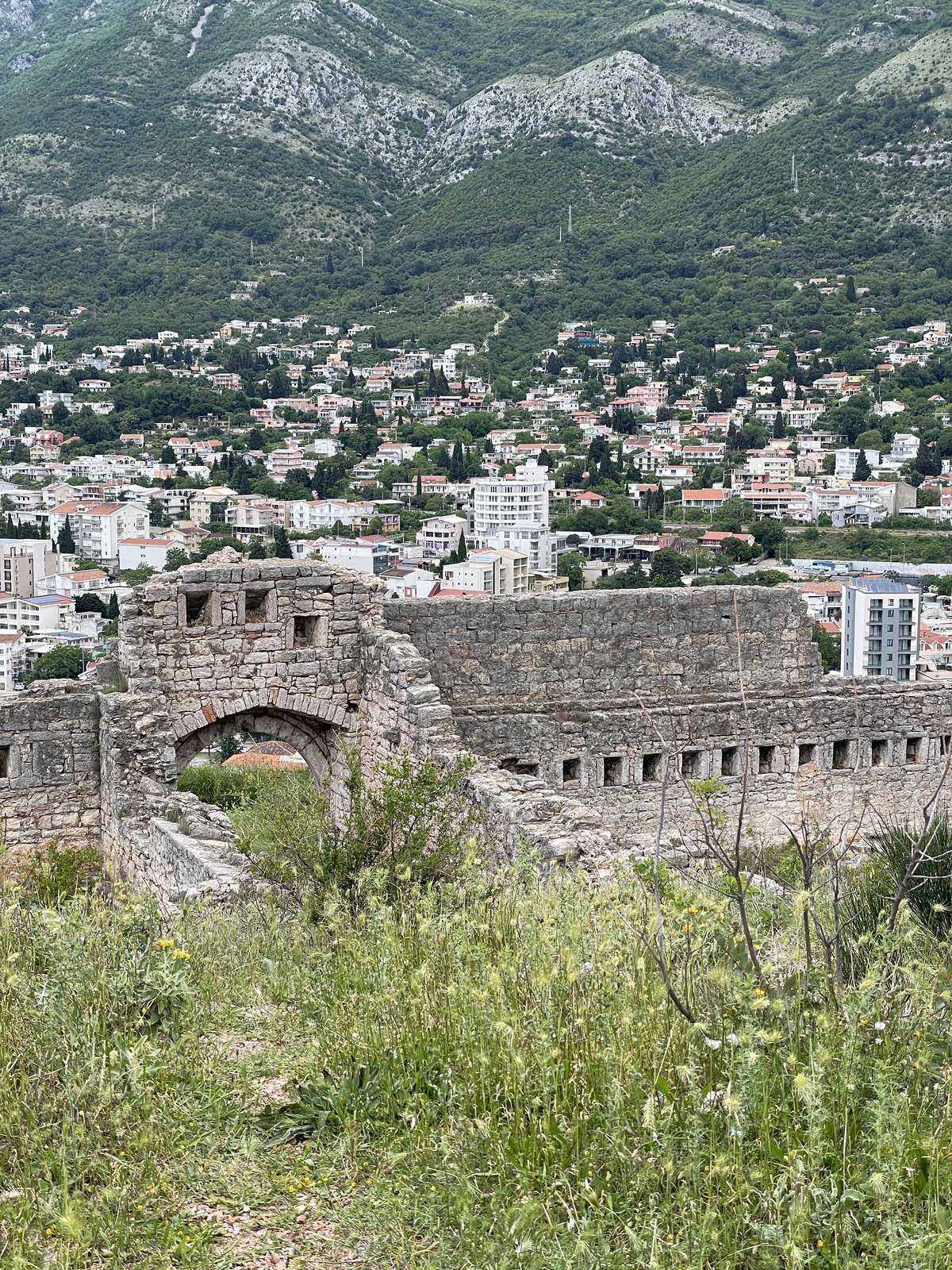
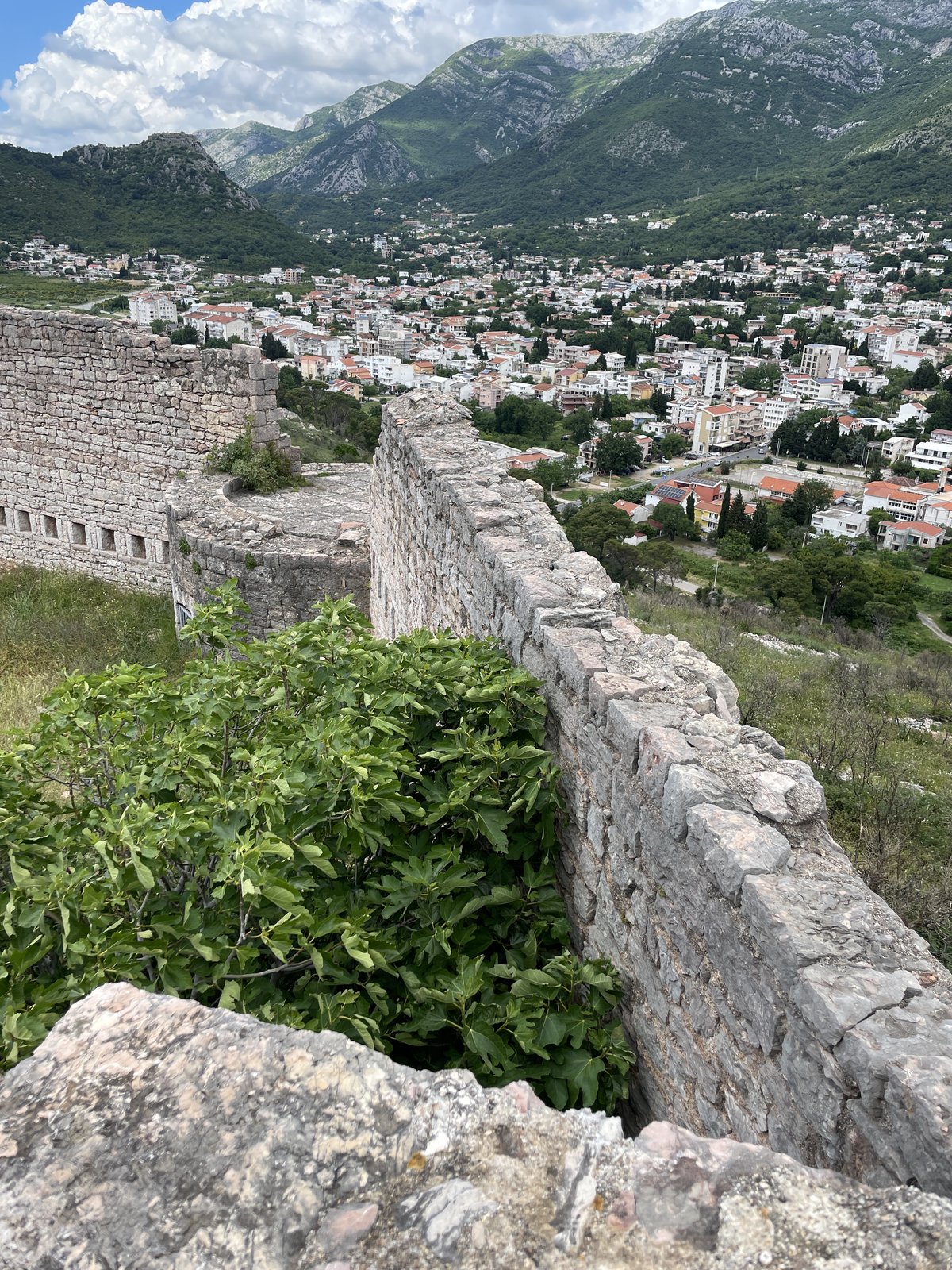
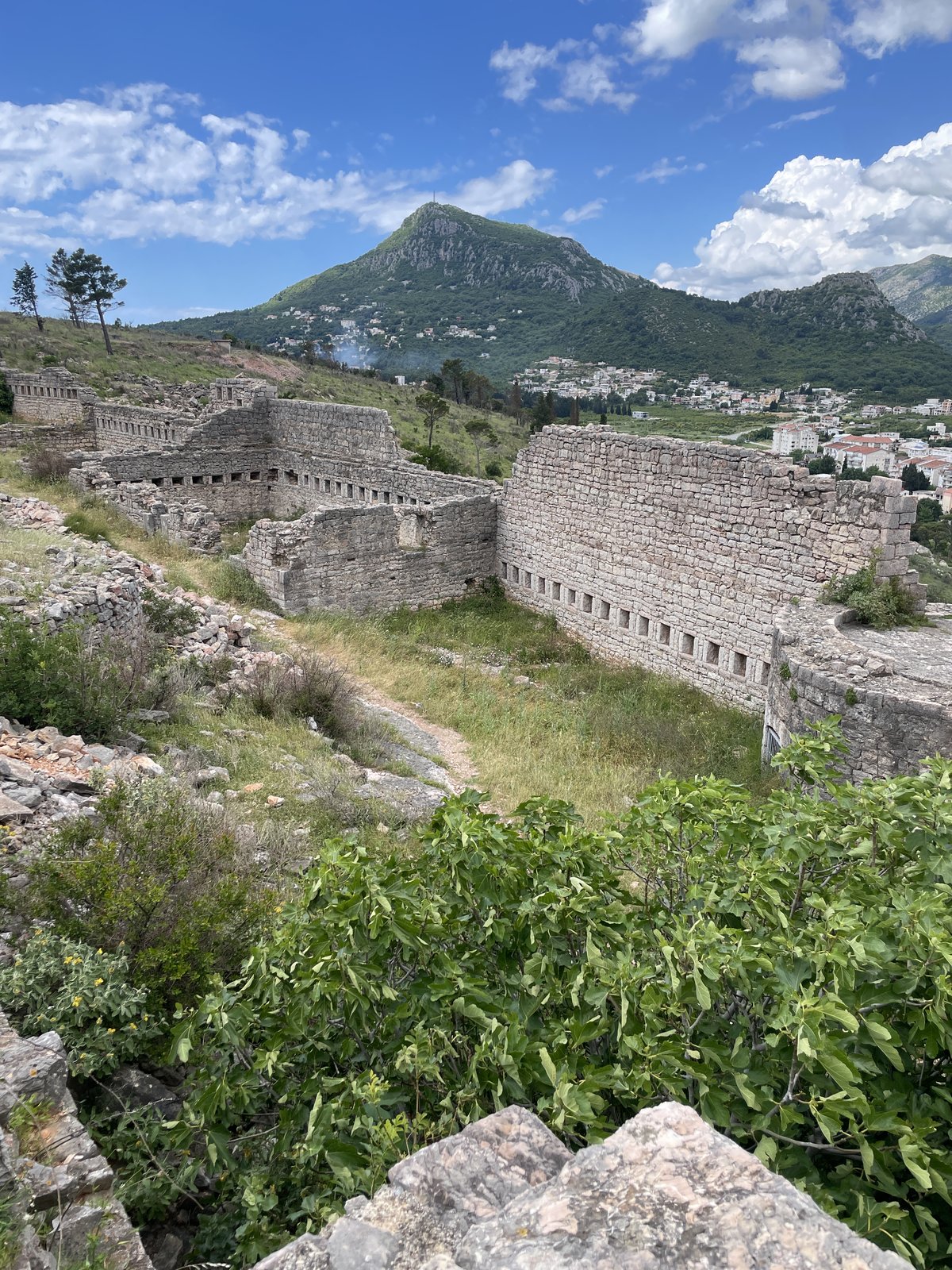
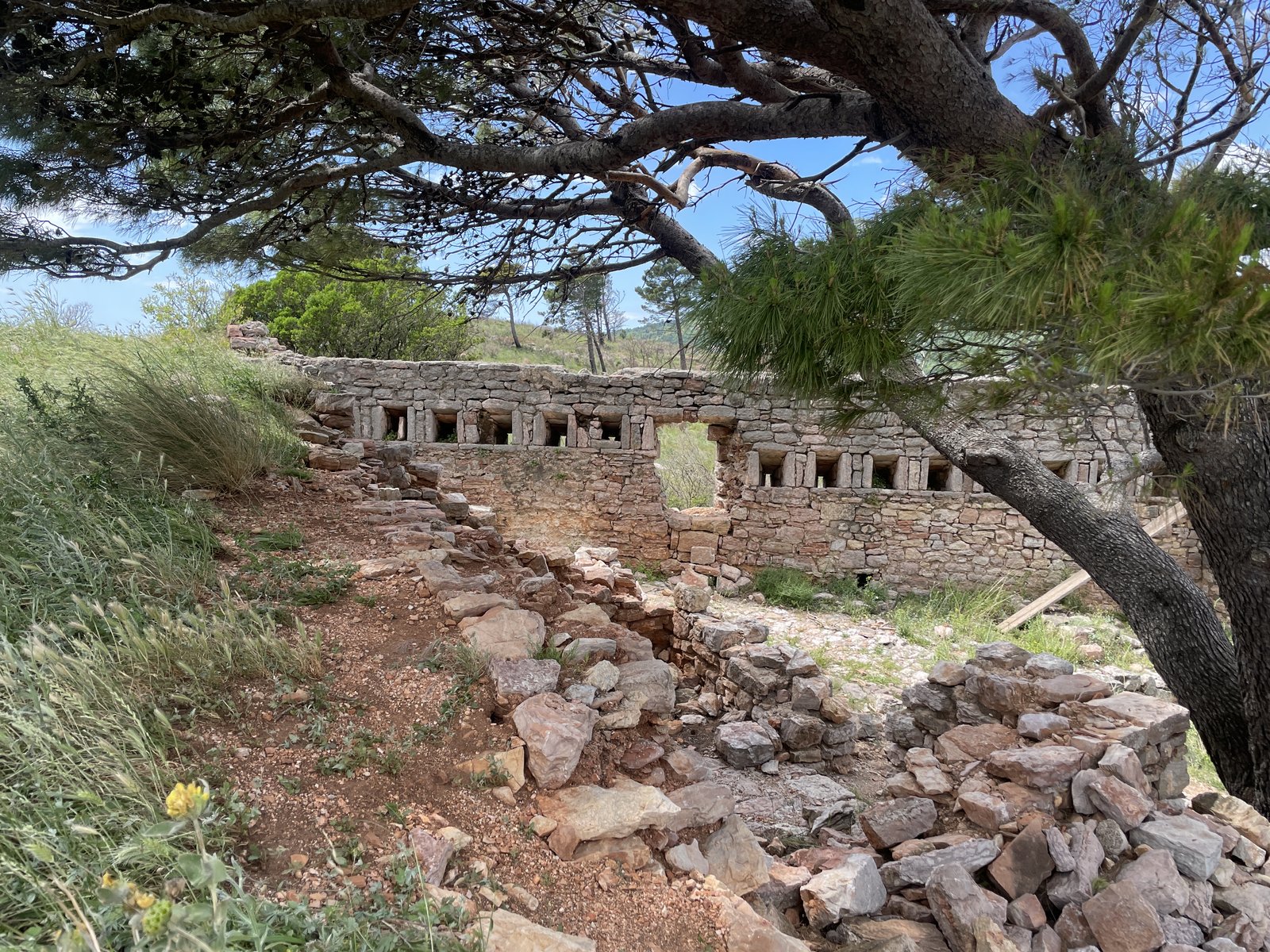
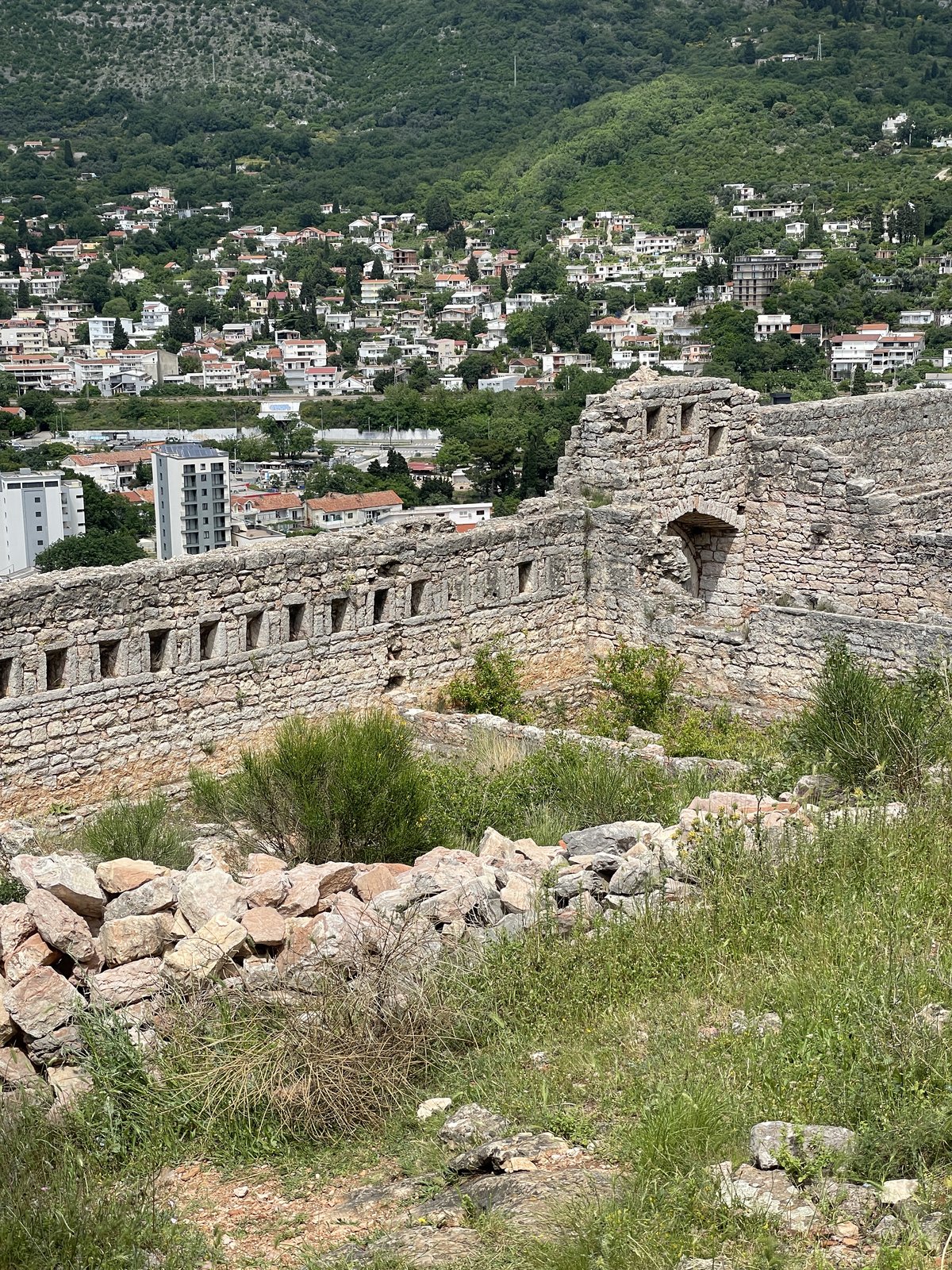
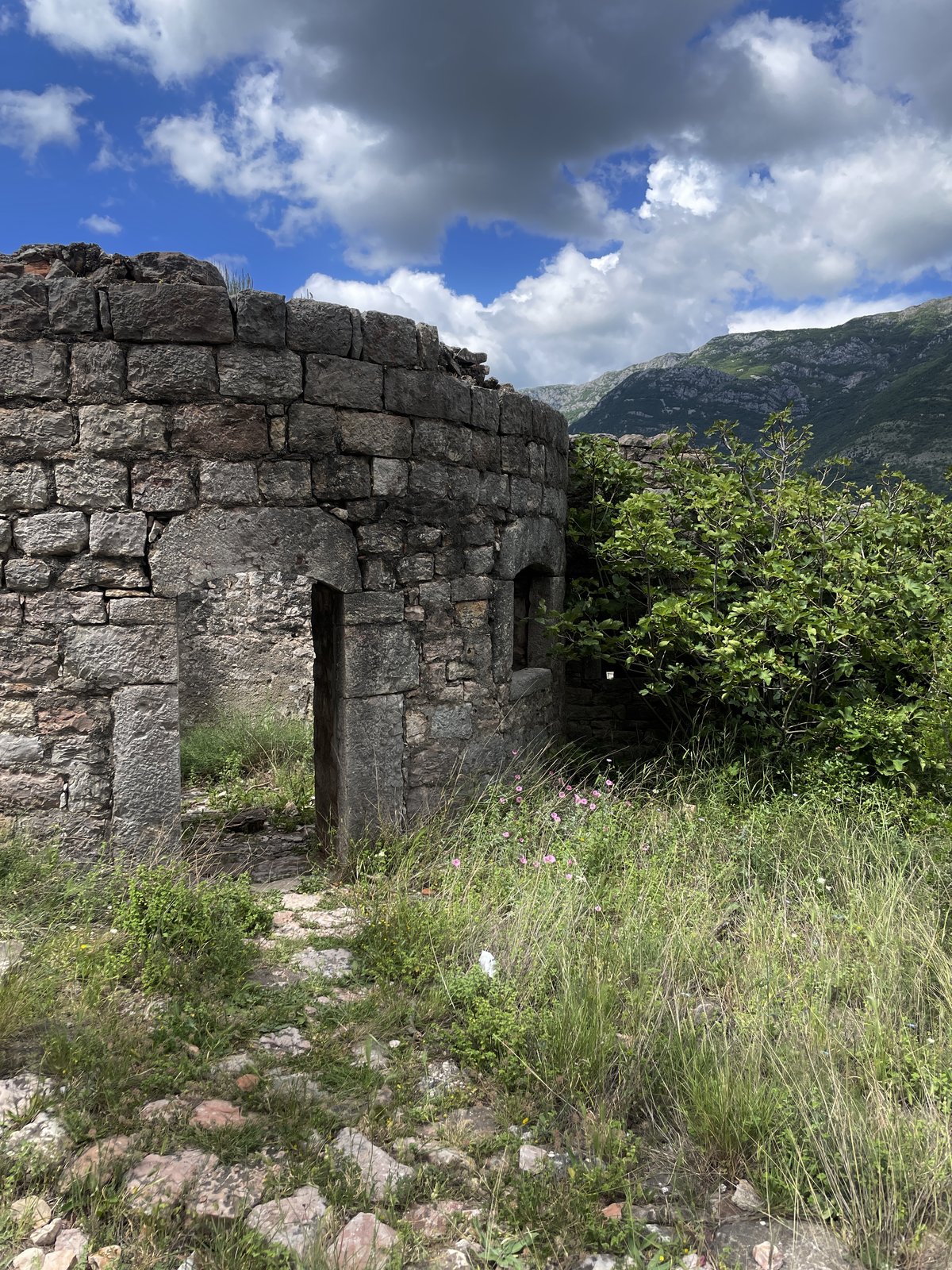
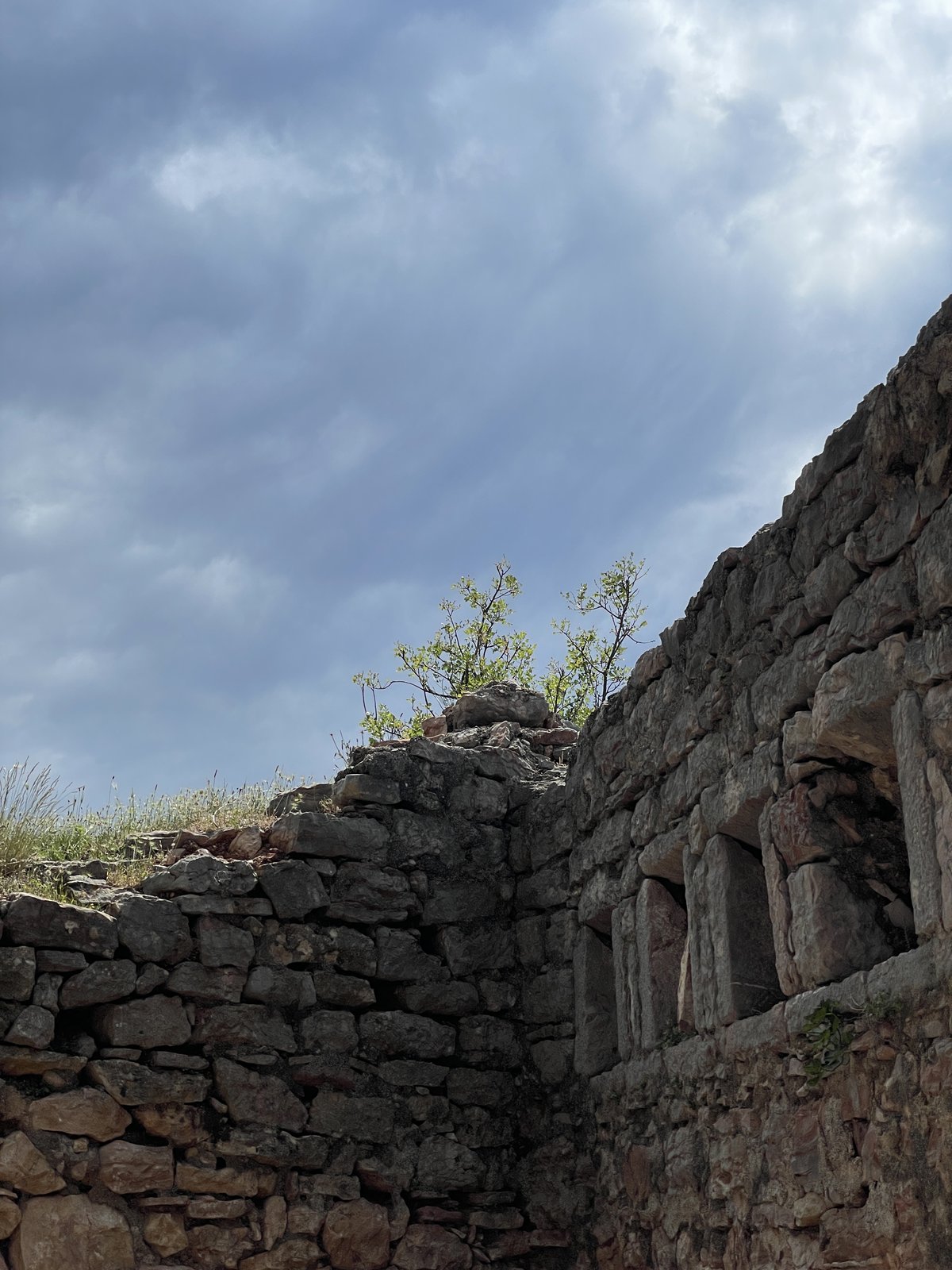
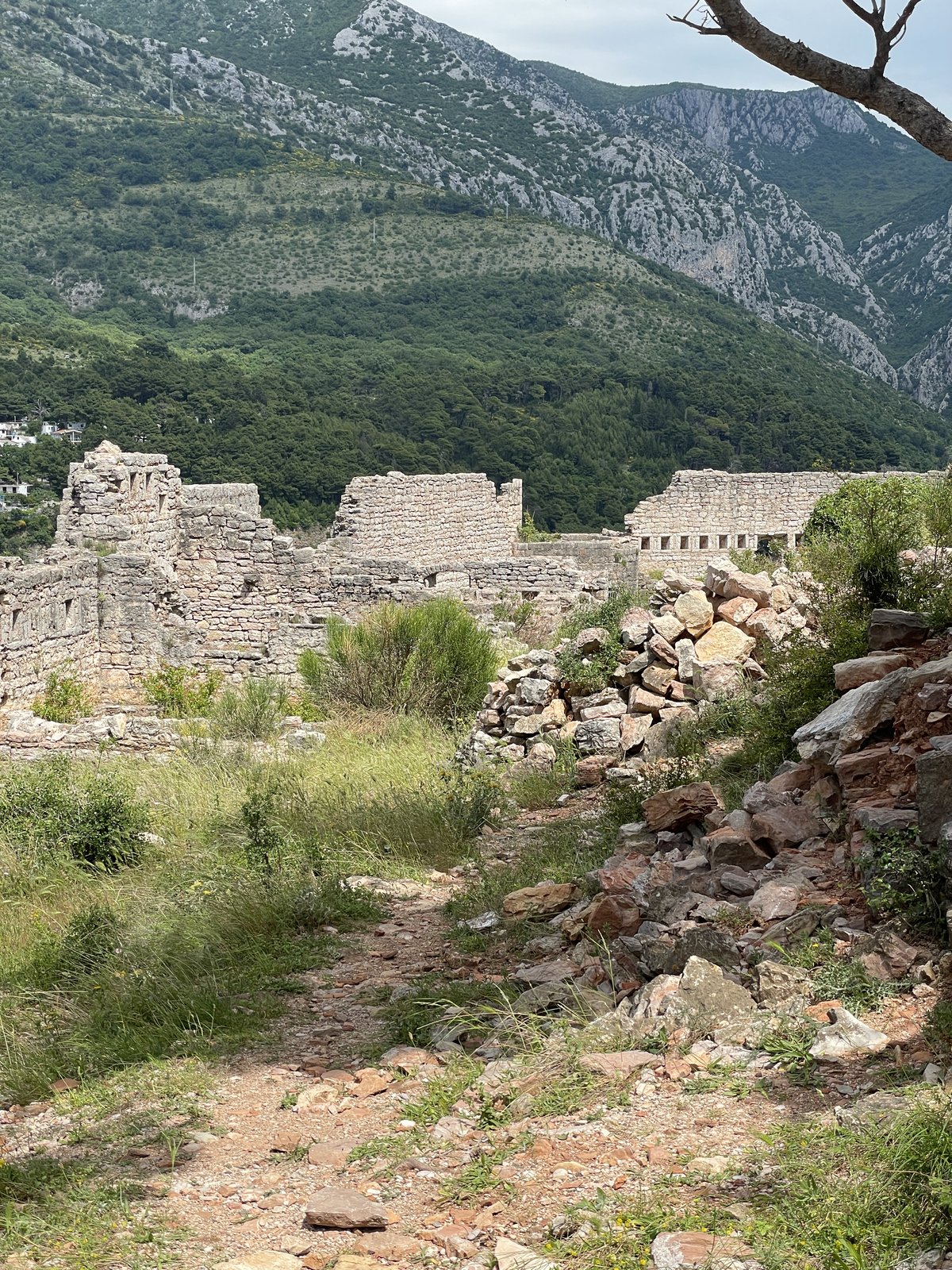
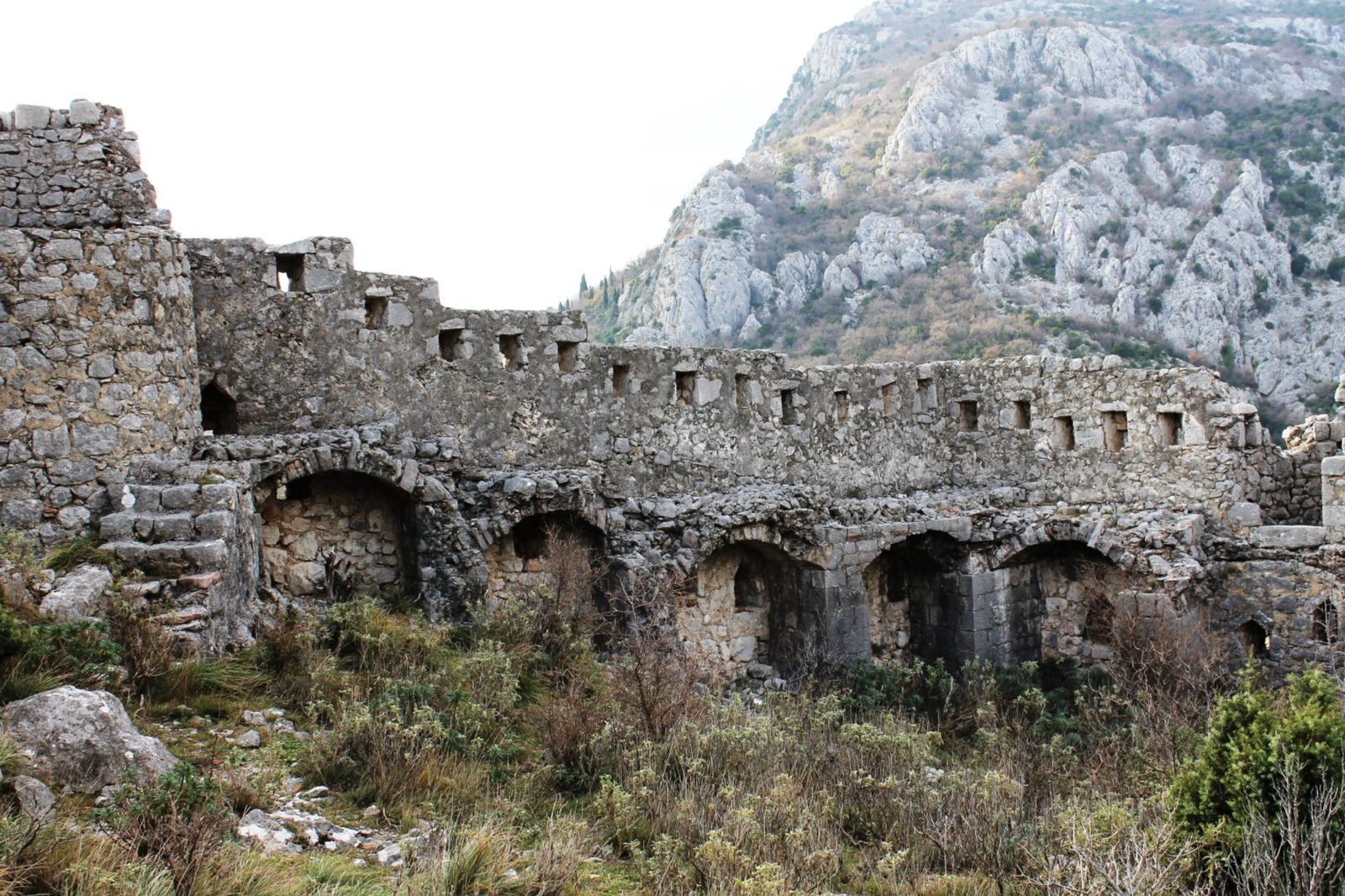
Tabia is an Ottoman-period fortification on Golo Brdo, built to watch the coastal passage above Sutomore. Its Turkish name simply means a fortification, and the surviving walls still show why this ridge mattered: the old town, rail line and Adriatic are all visible below. It is the local sunset viewpoint we return to because the history and the view occupy the same small hill.
Haj-Nehaj
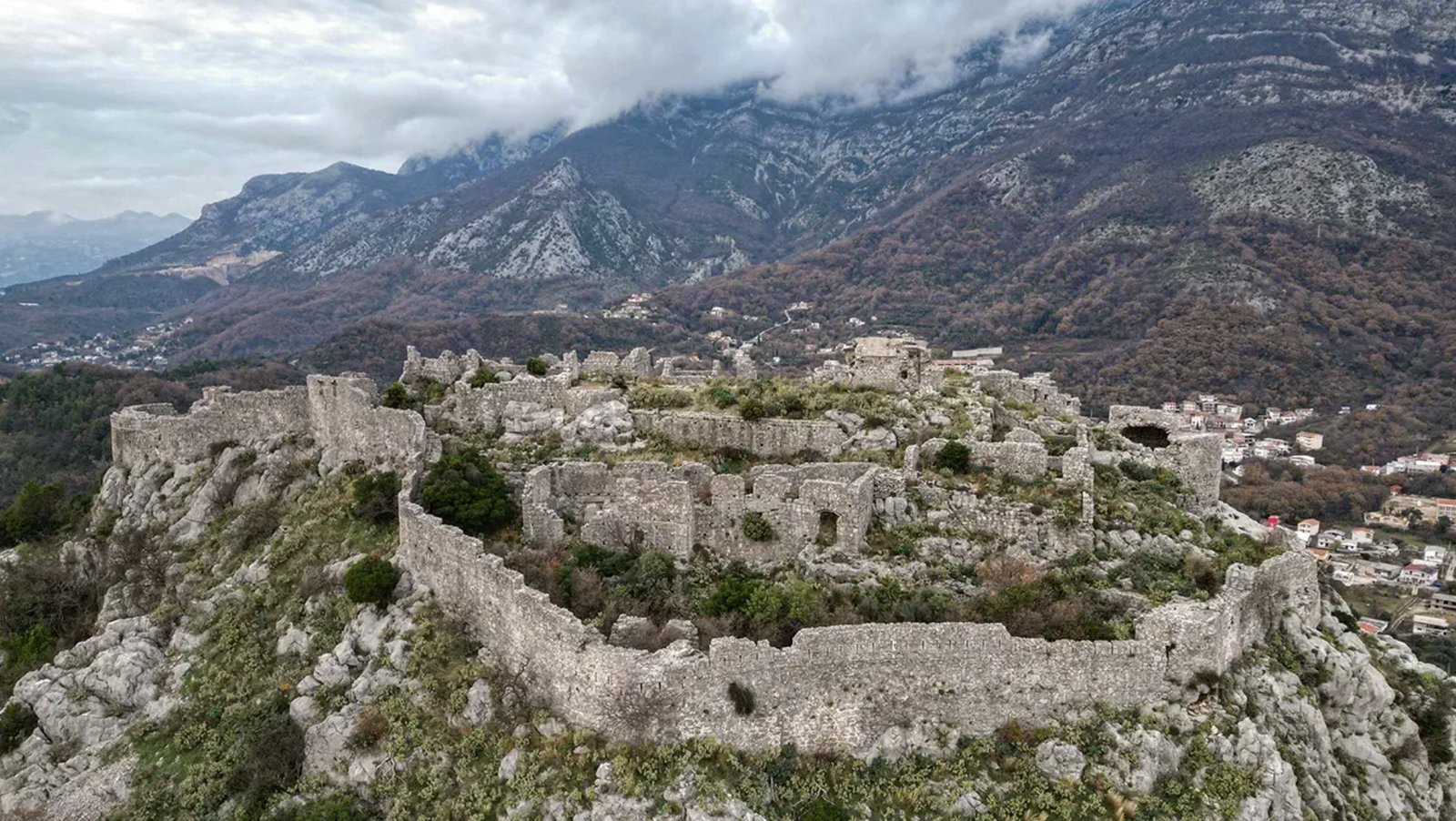
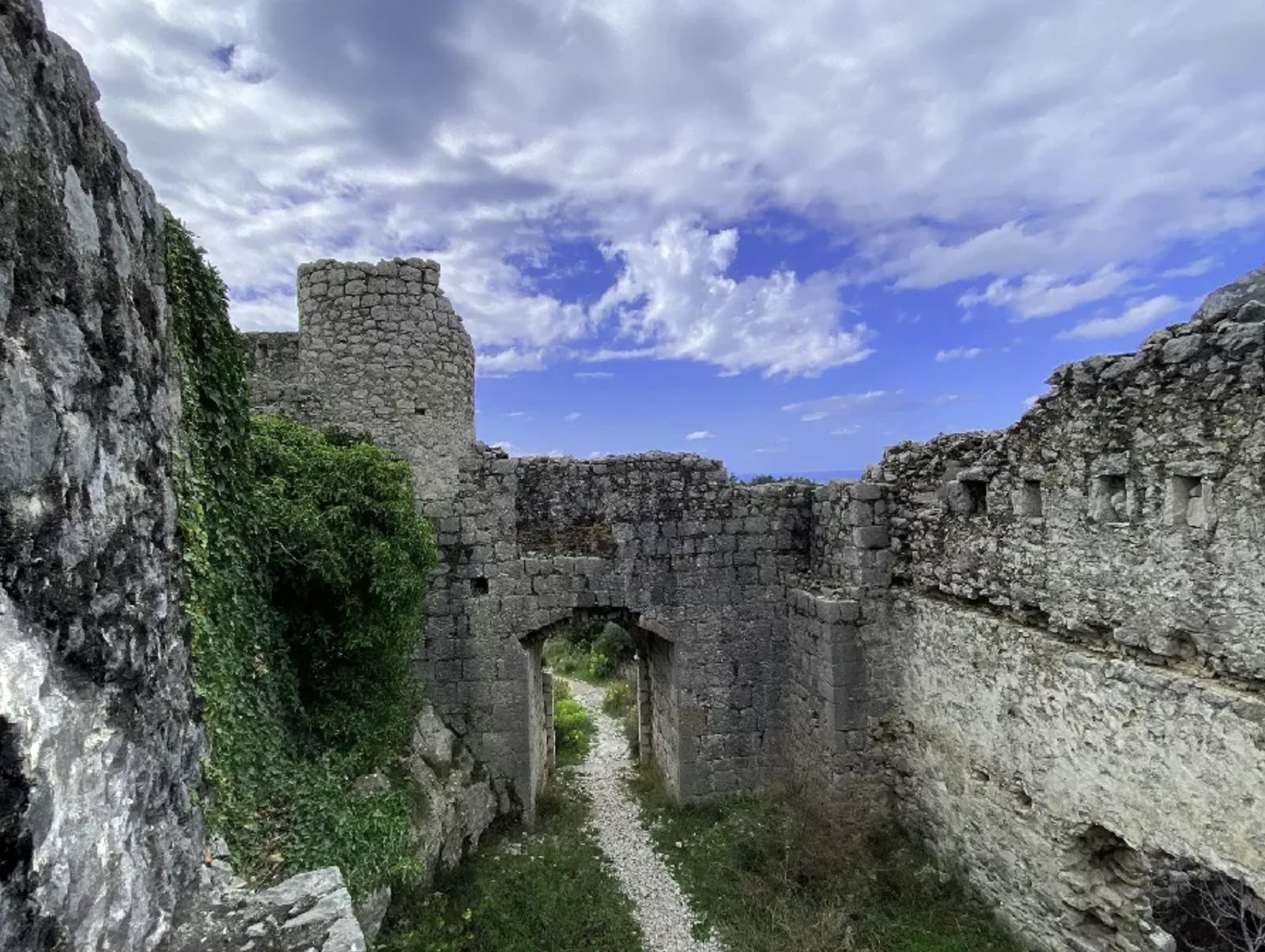
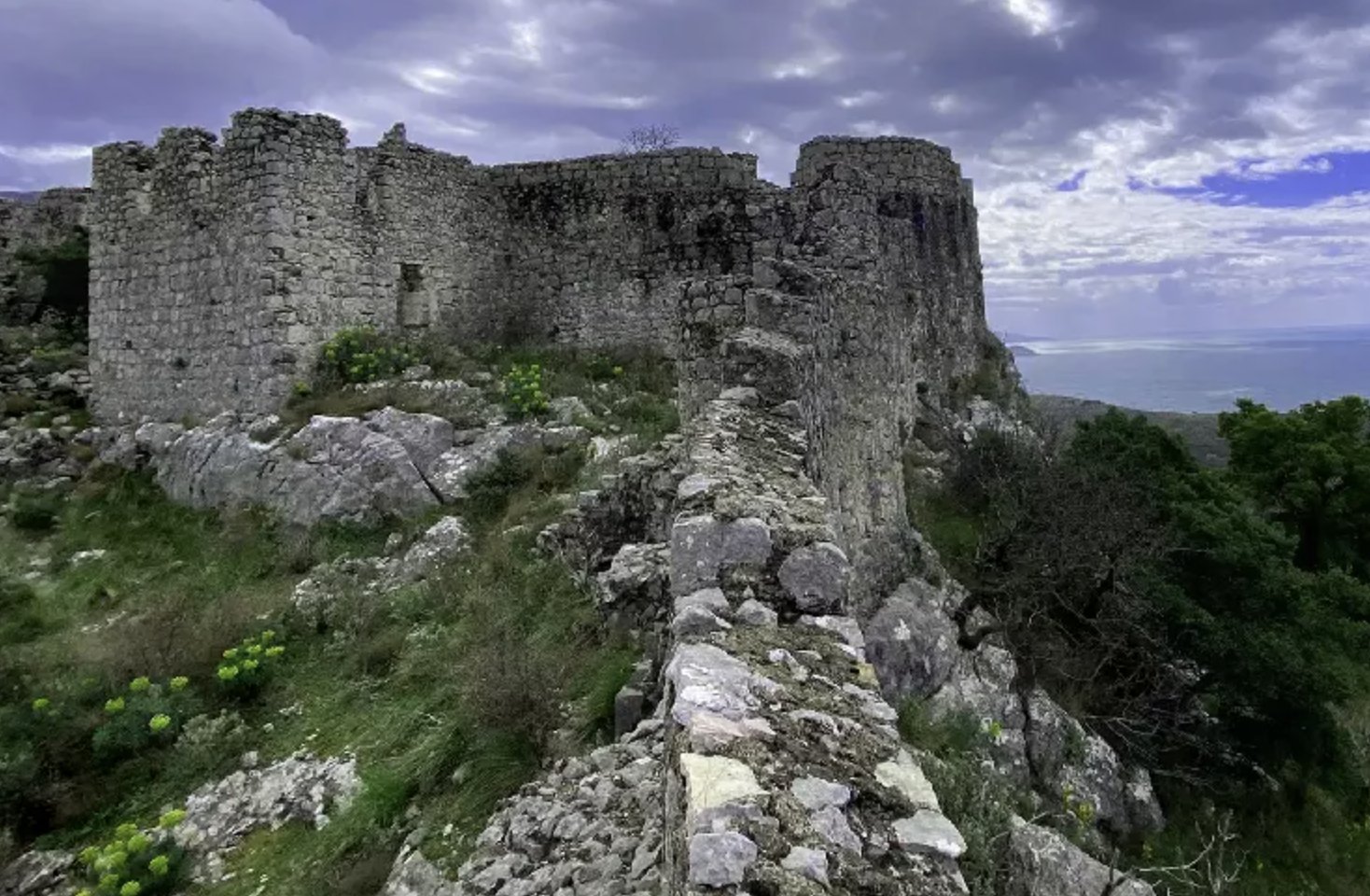
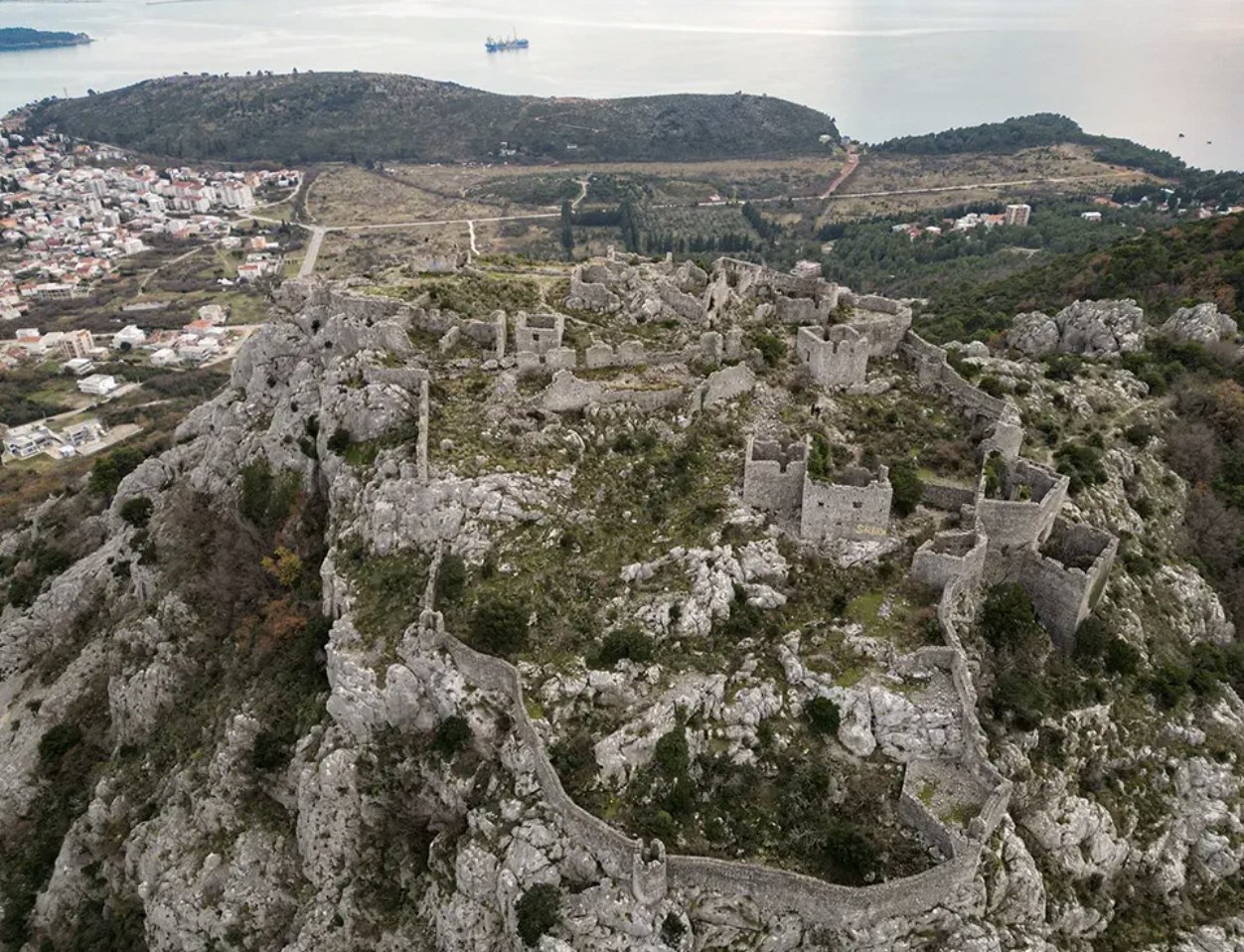
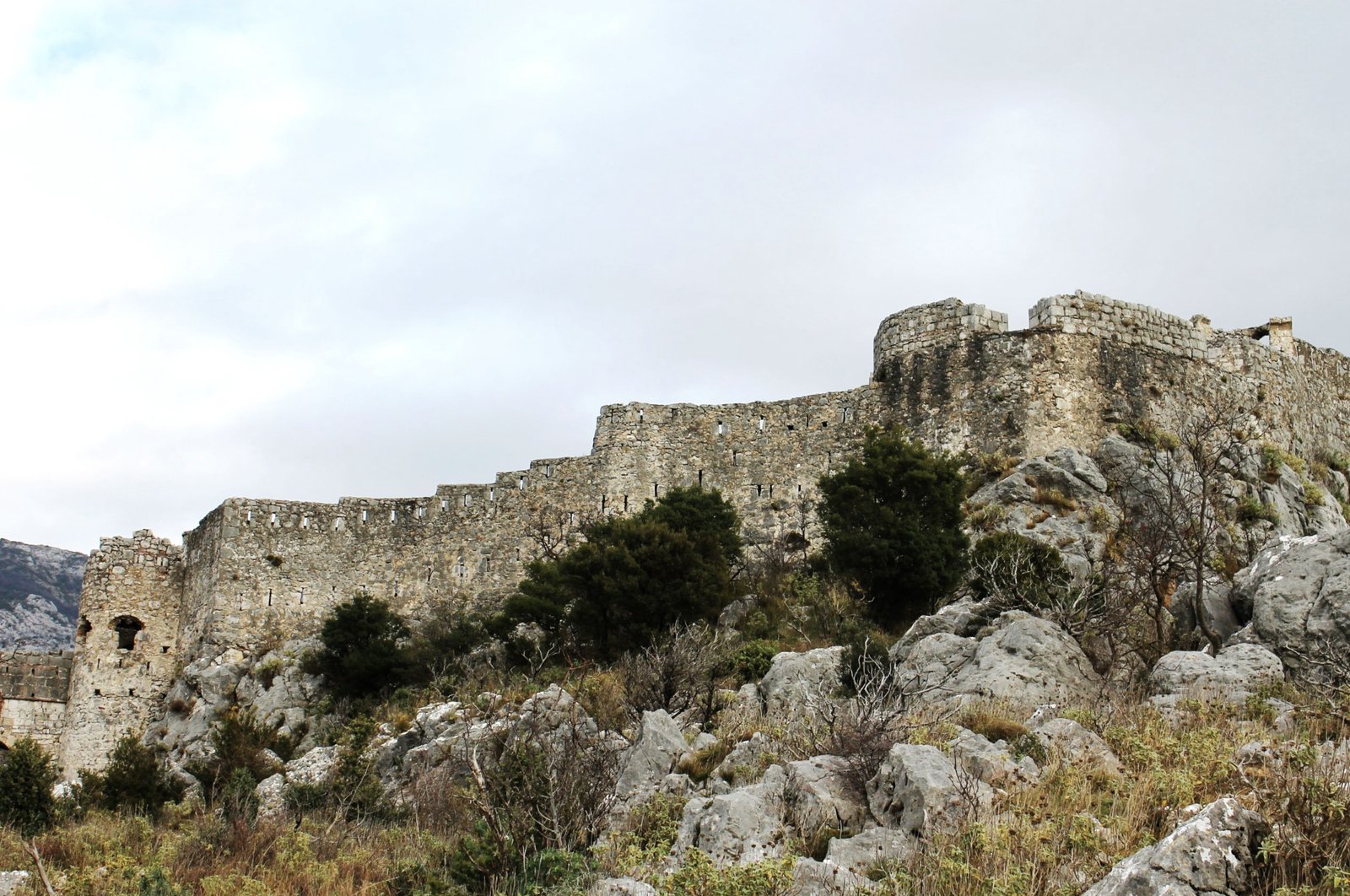
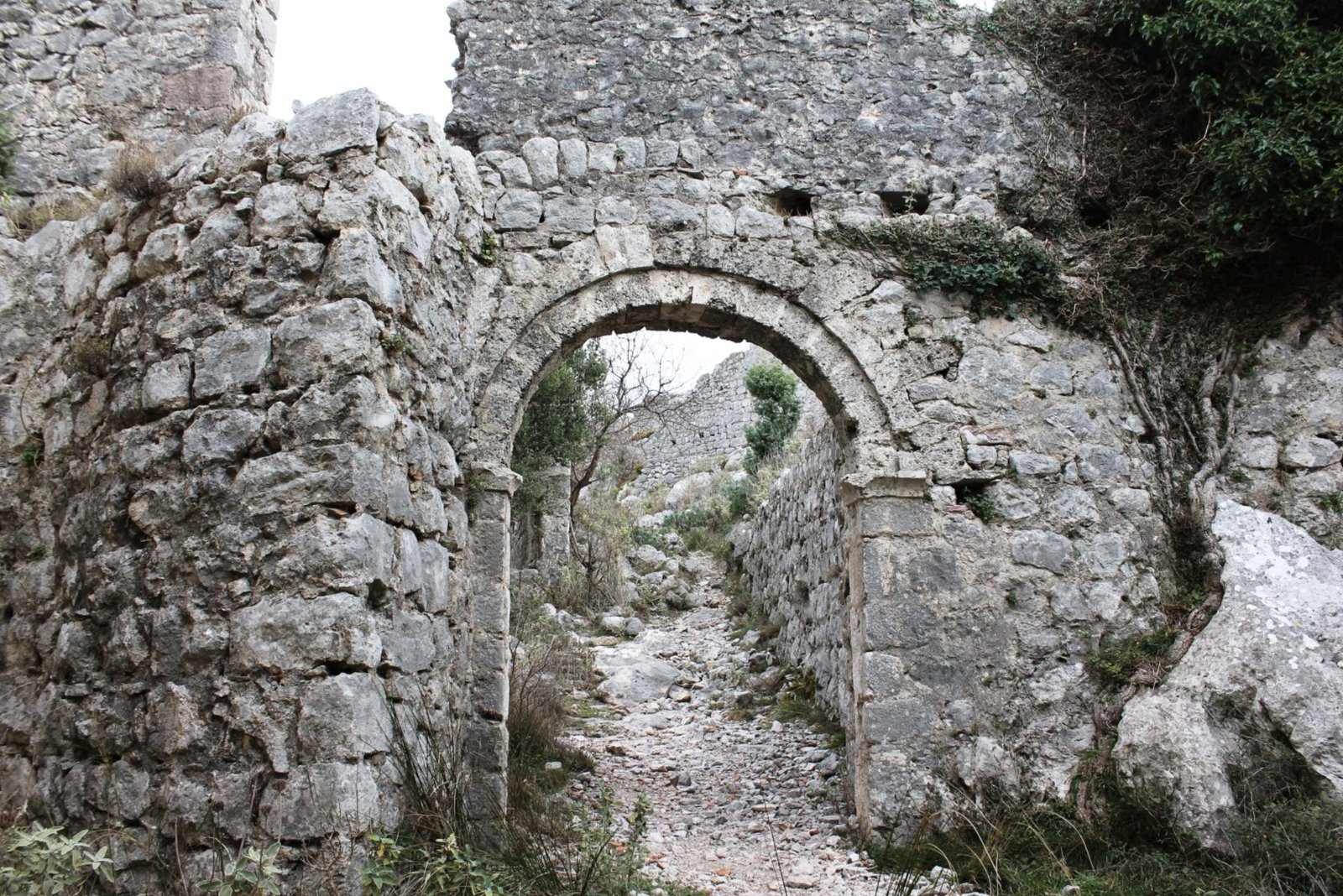
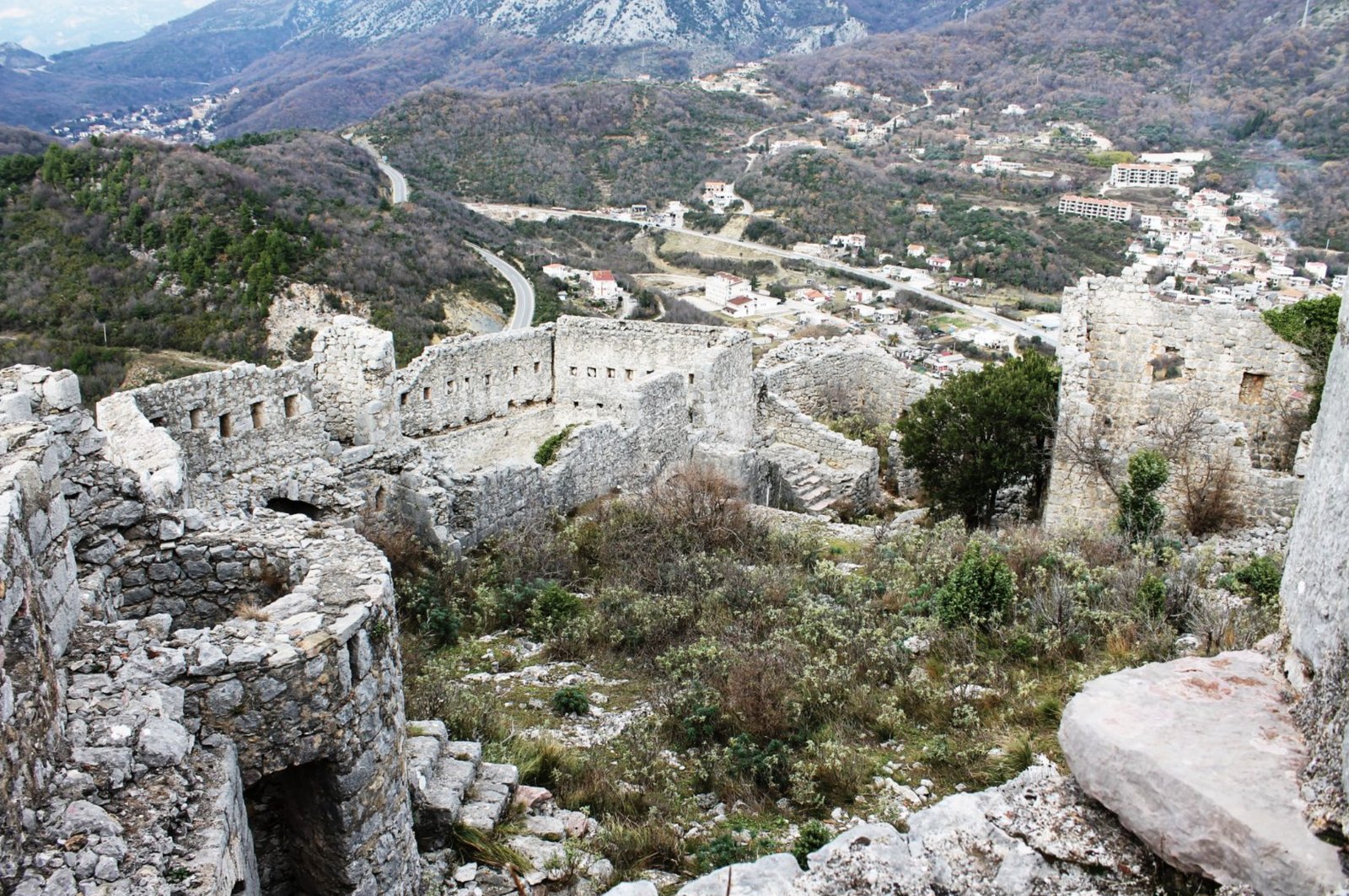
Haj-Nehaj is a hilltop fortress above Sutomore, usually dated to the Venetian period and later held and adapted by the Ottomans. The name is often read locally as “fear, do not fear”, a fittingly dramatic phrase for a stronghold that once watched both the coast and the inland approach. Inside the enclosure, the small Church of St Demetrius remains one of the clearest traces of the site’s long life.
Dague wreck, Bar
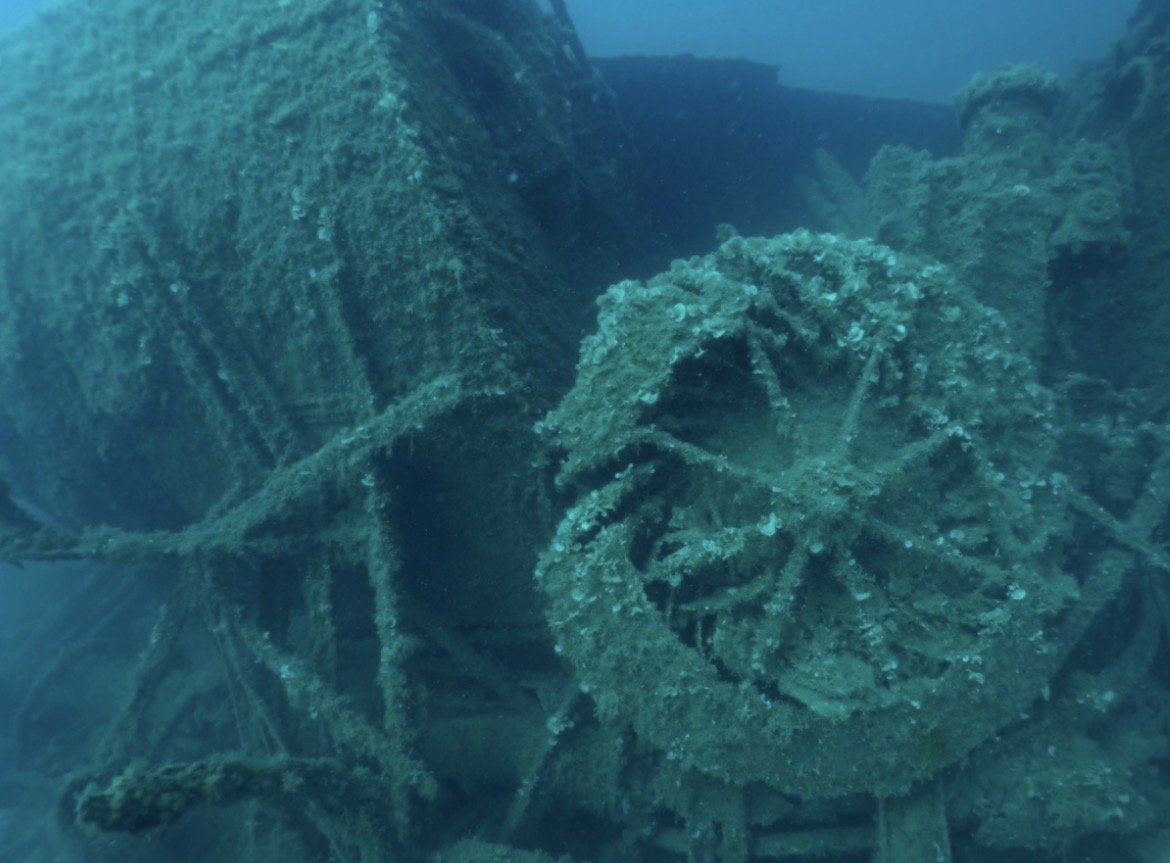
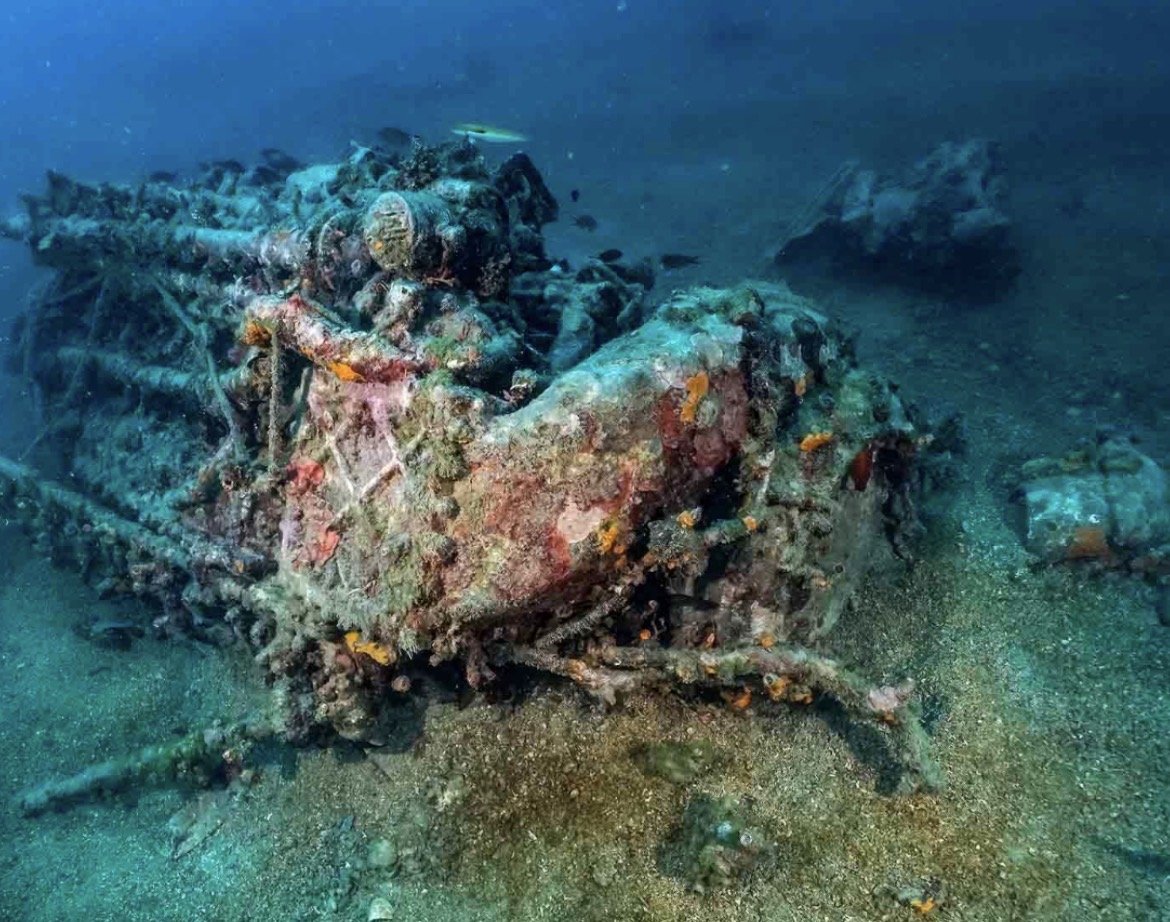
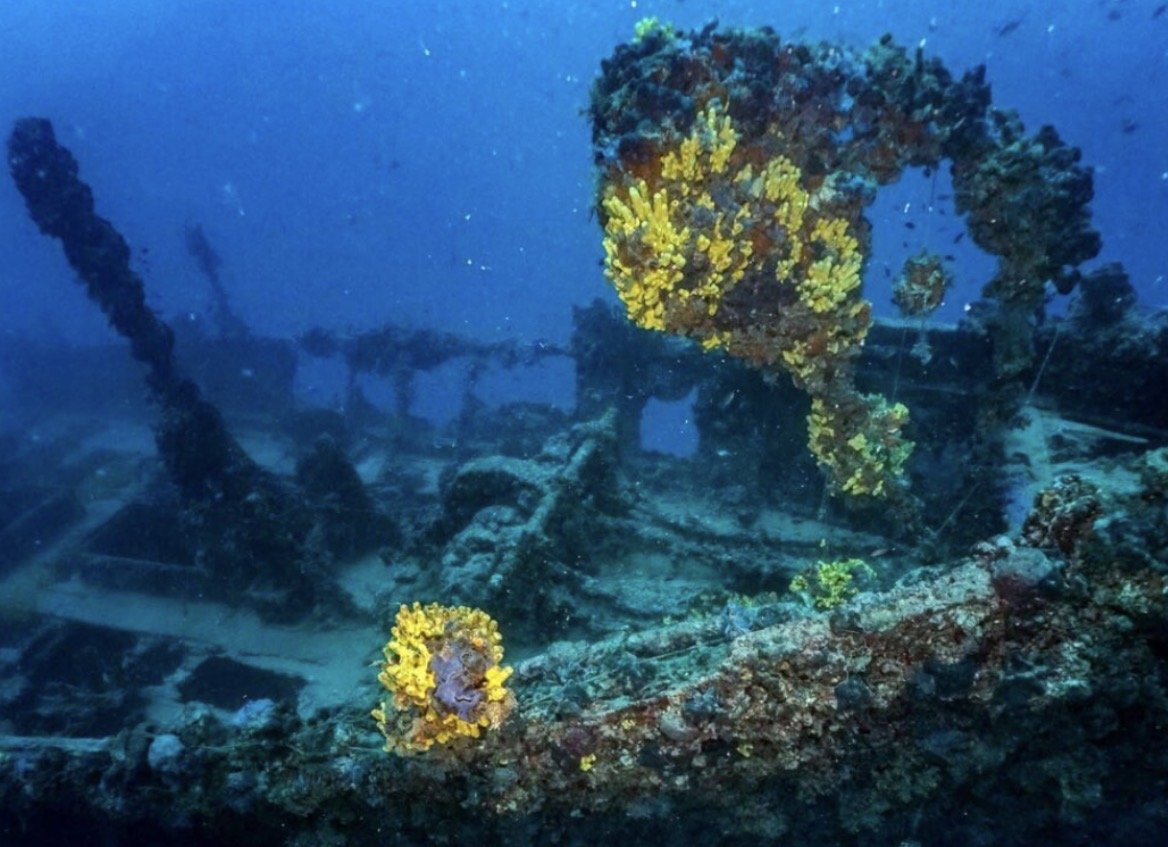
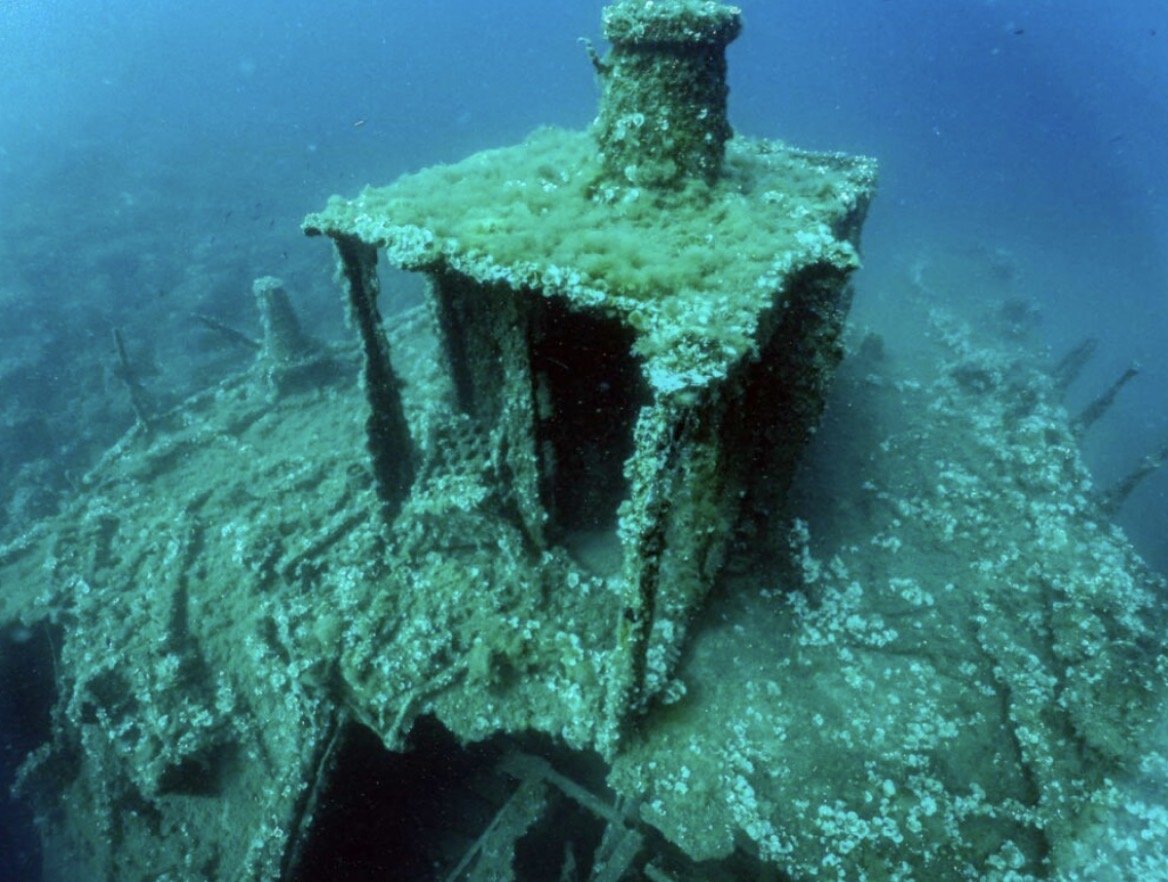
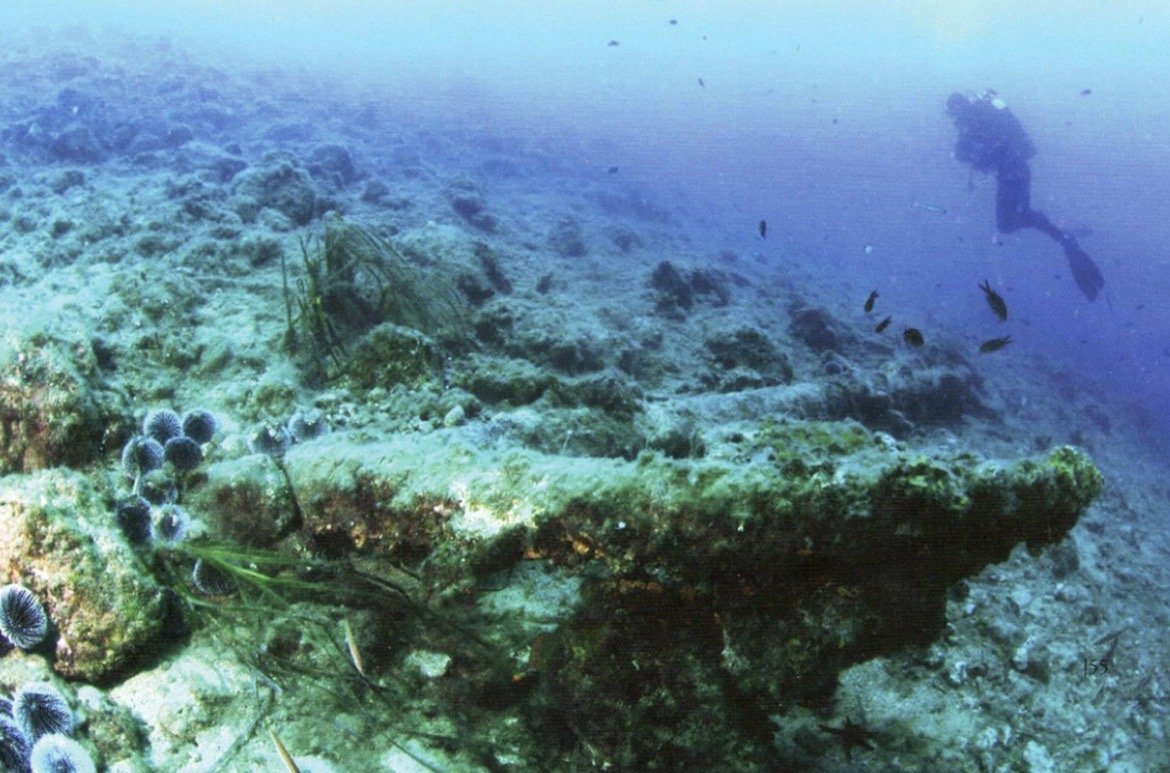
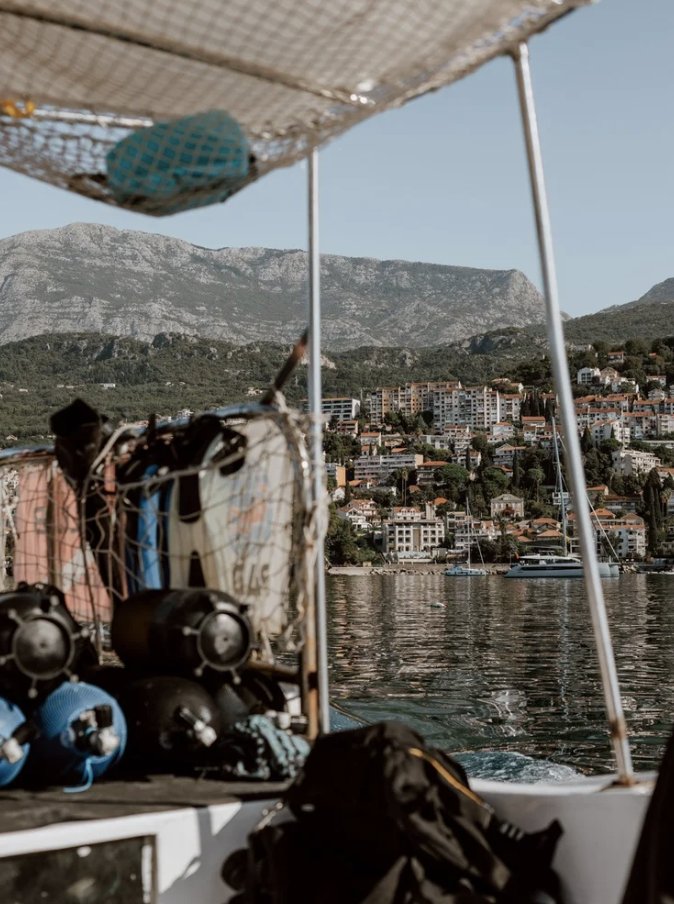
The French destroyer Dague sank off Bar in 1915 after striking a mine while escorting a food-aid vessel. Her remains now sit at diveable depths of up to 18 metres and have become a reef for marine life rather than an empty relic. The owner of iTiS Villa operates these dives, with each departure matched to the sea and diver experience.
Stari Bar
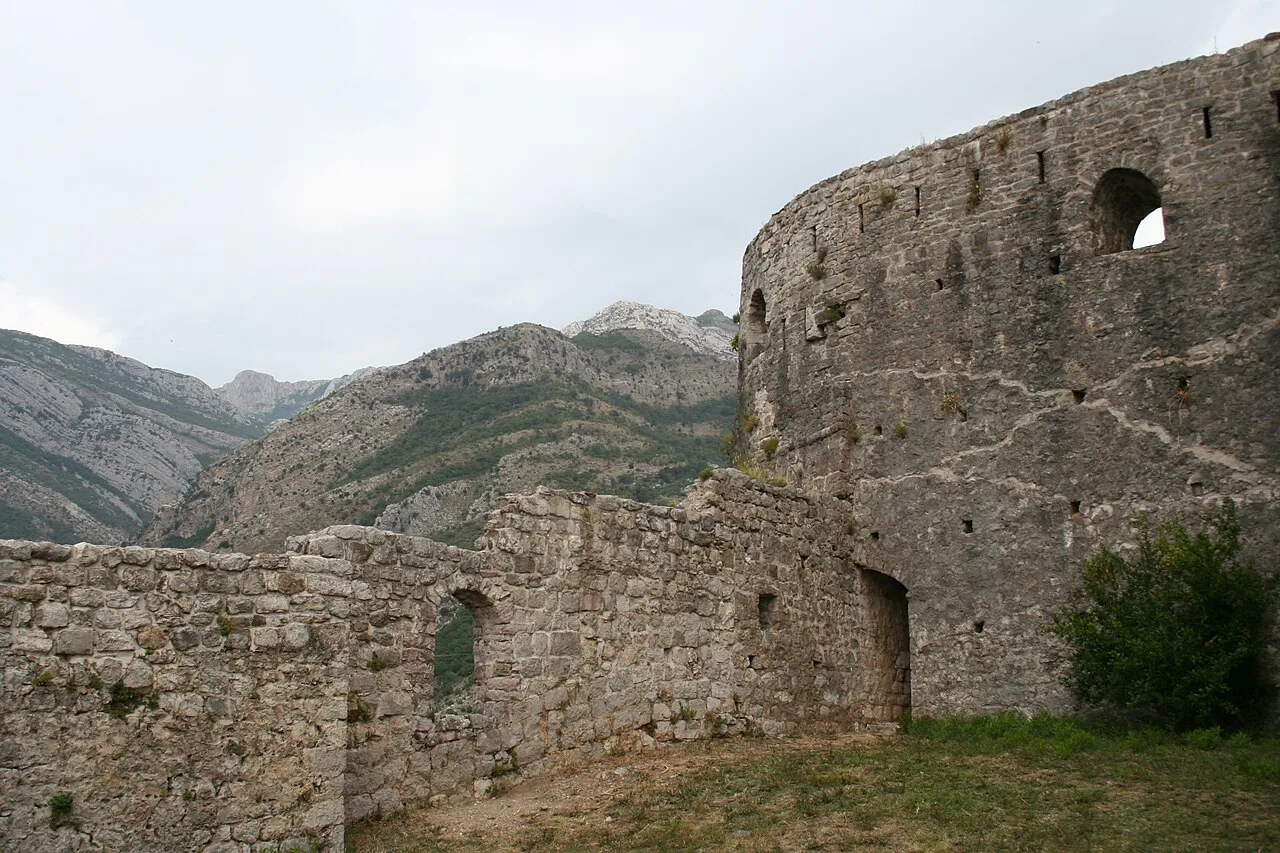
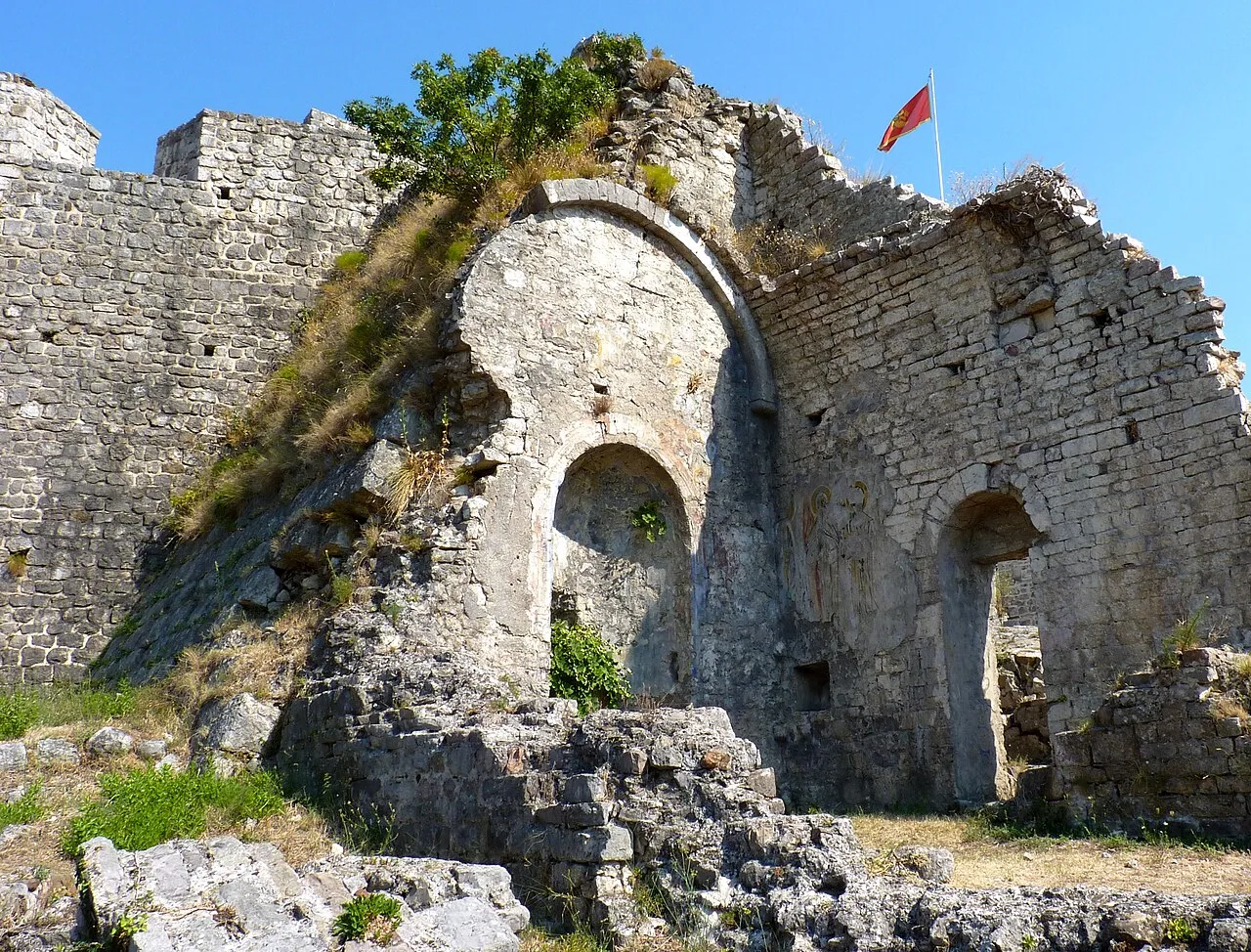
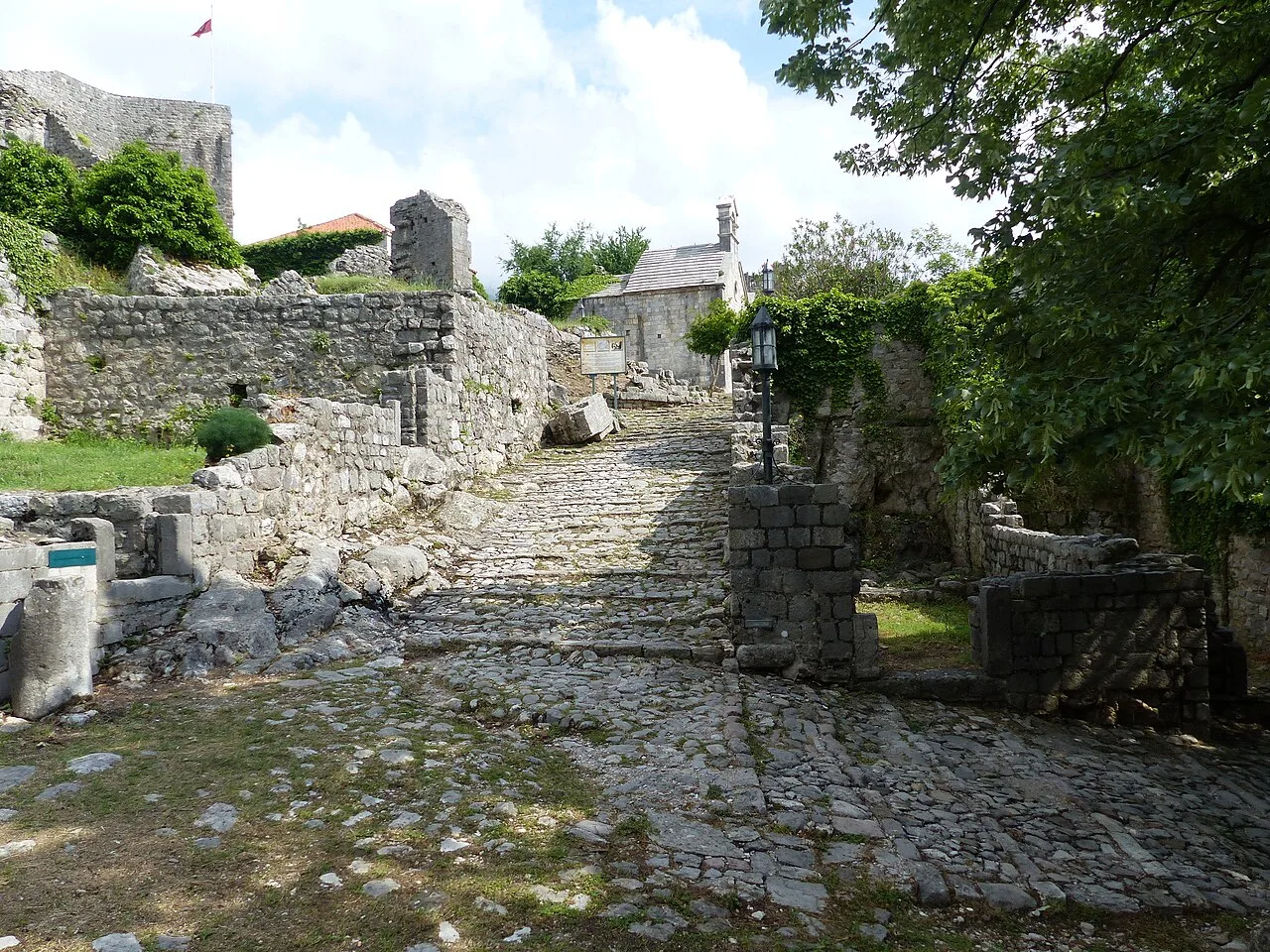
Stari Bar is a walled town on the slope of Rumija, with more than two millennia of layers from Roman, Byzantine, Venetian and Ottoman rule. Its rebuilt eighteenth-century aqueduct is the landmark most visitors recognise, but the lanes, ruined houses and old market remain the better reason to take time here. Pomegranates and olives grow around a settlement that was once Bar’s inland heart before the modern port developed on the coast.
Ulcinj old town
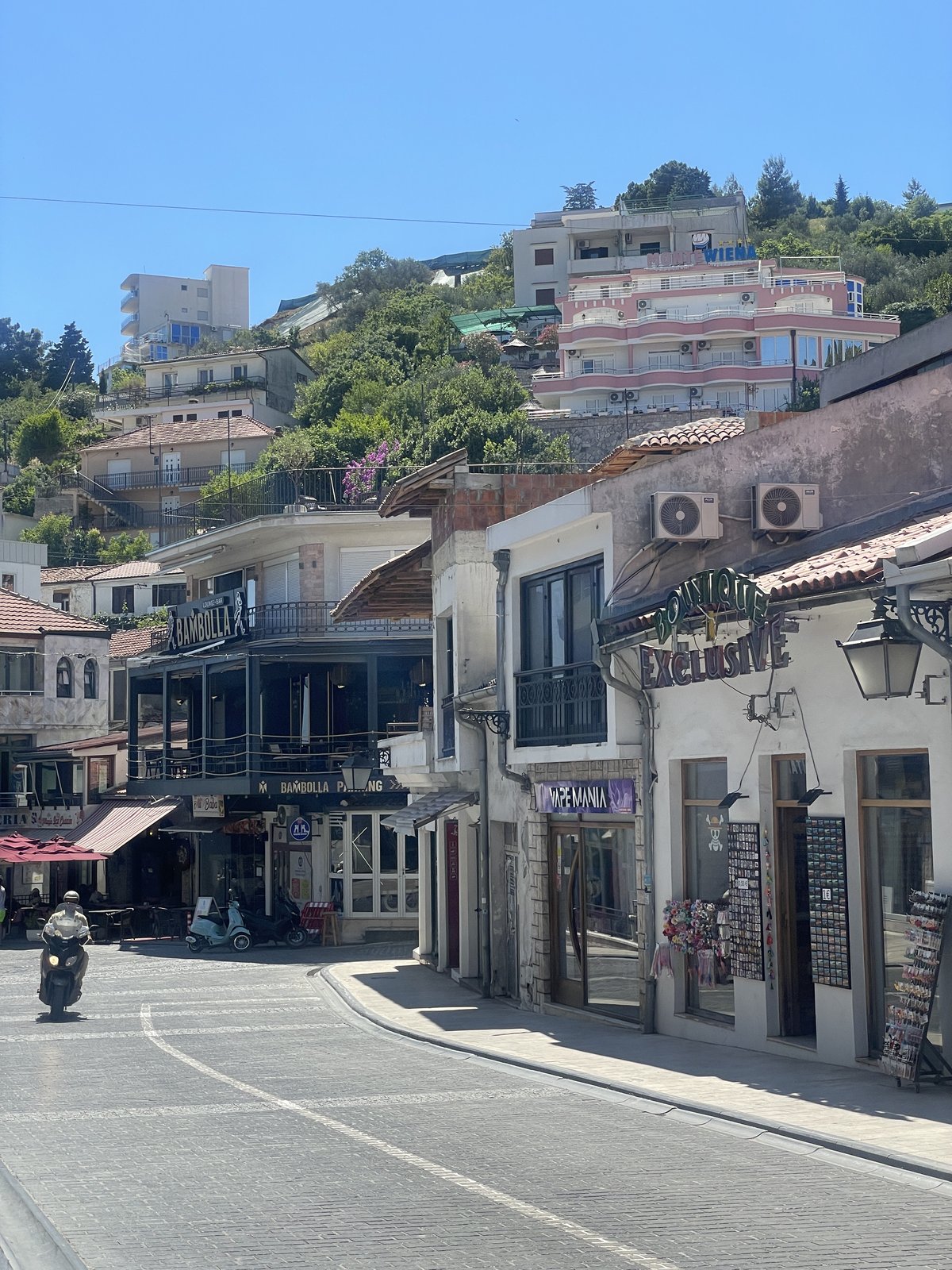
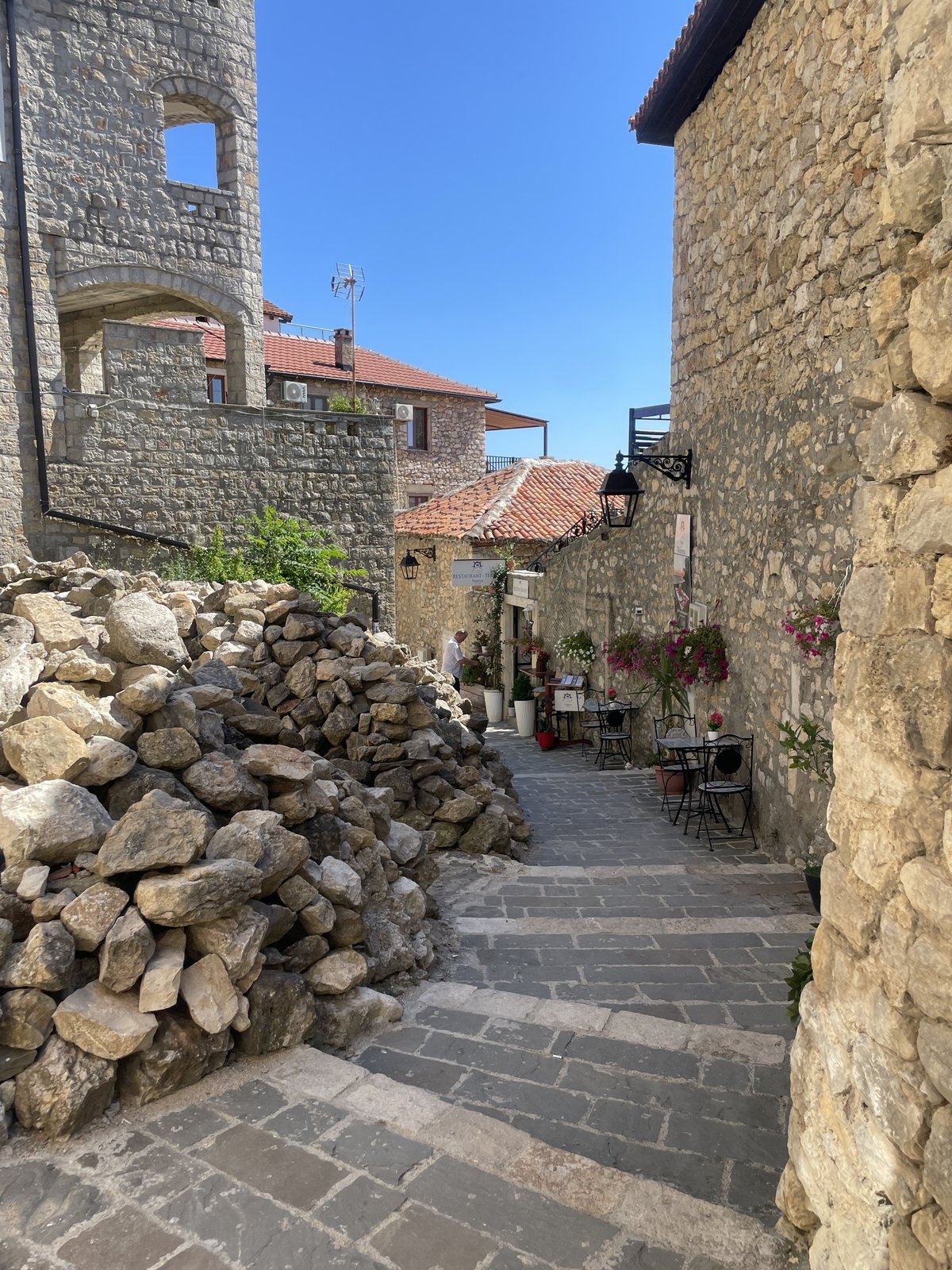
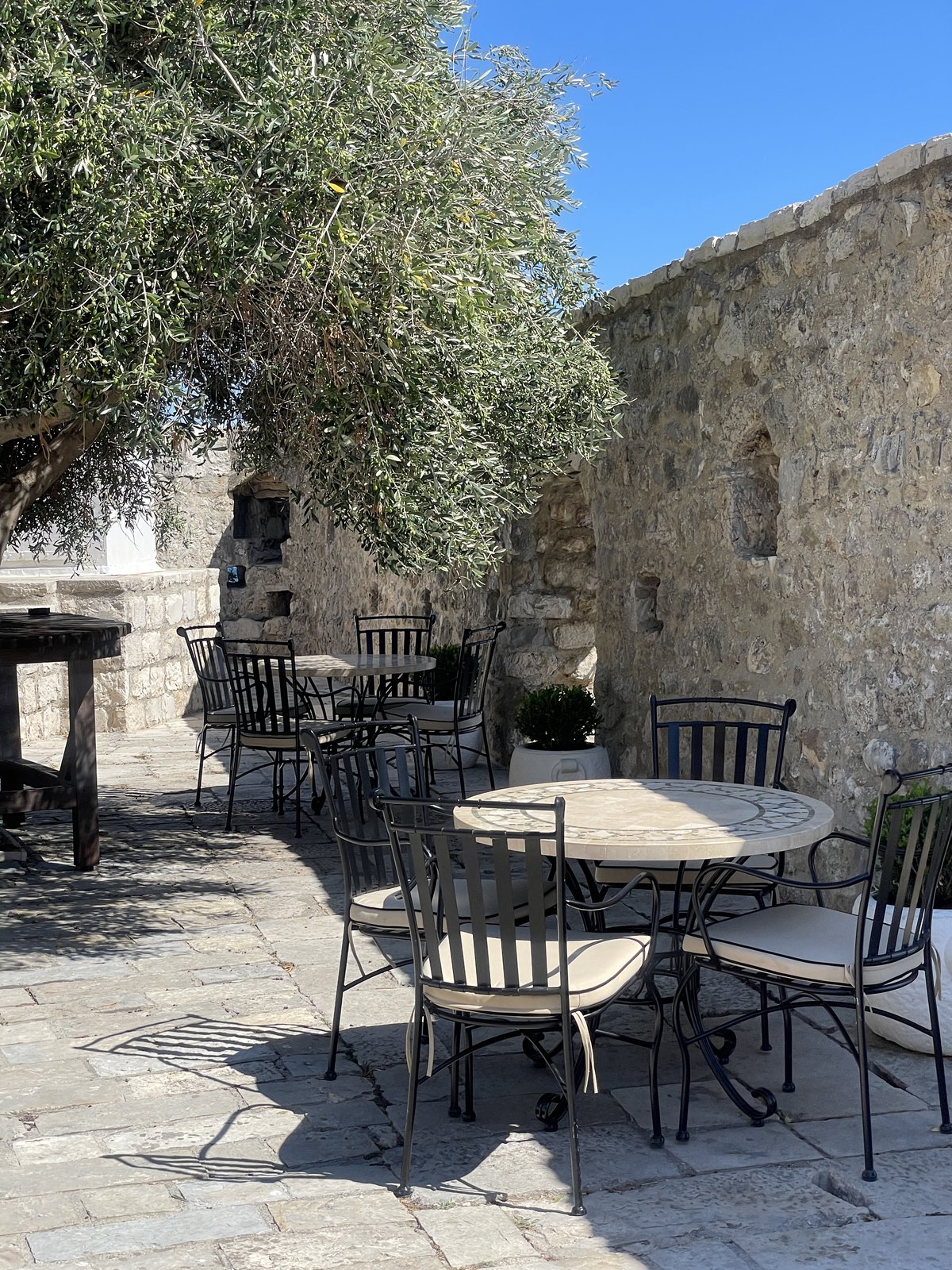
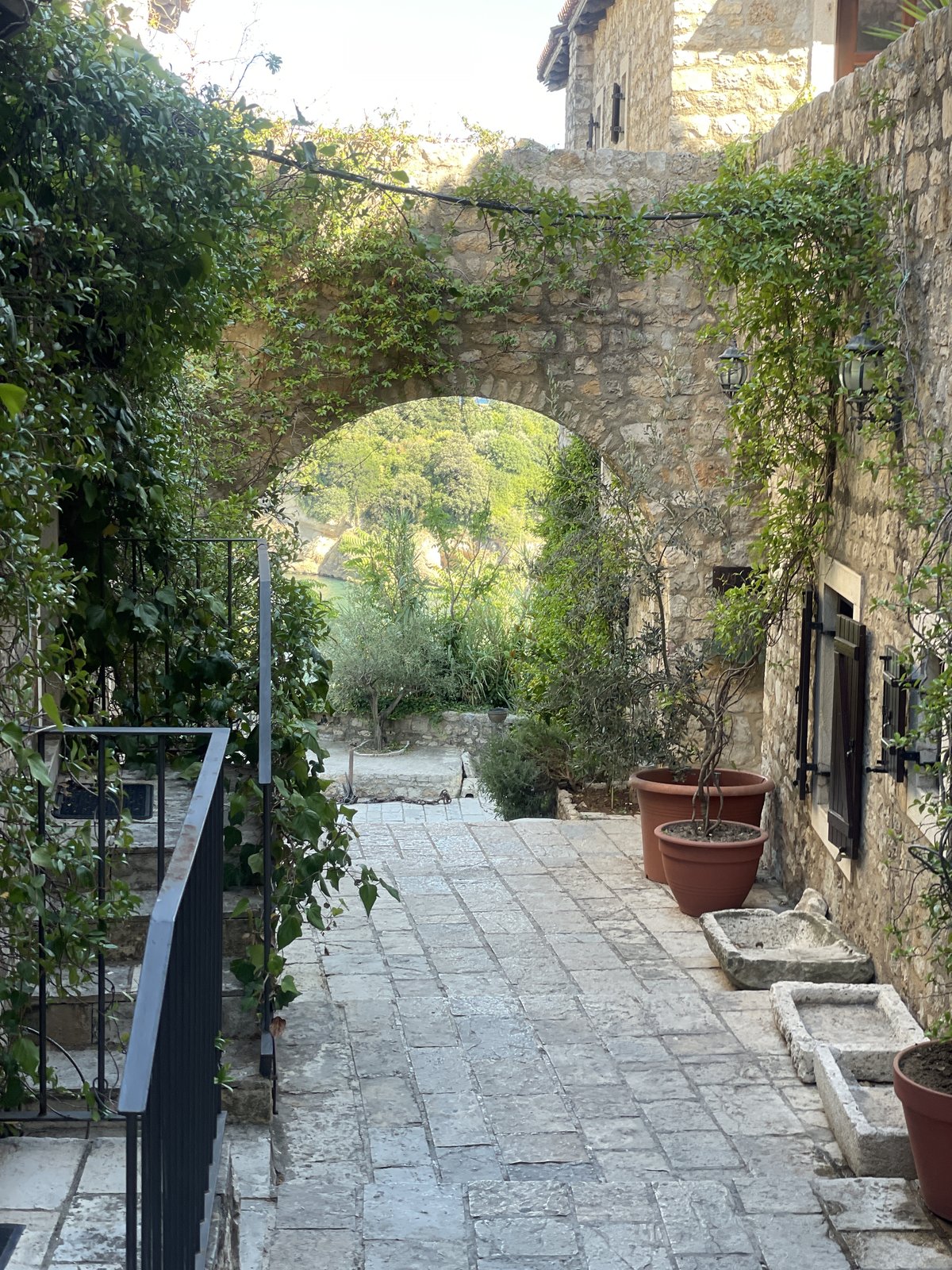
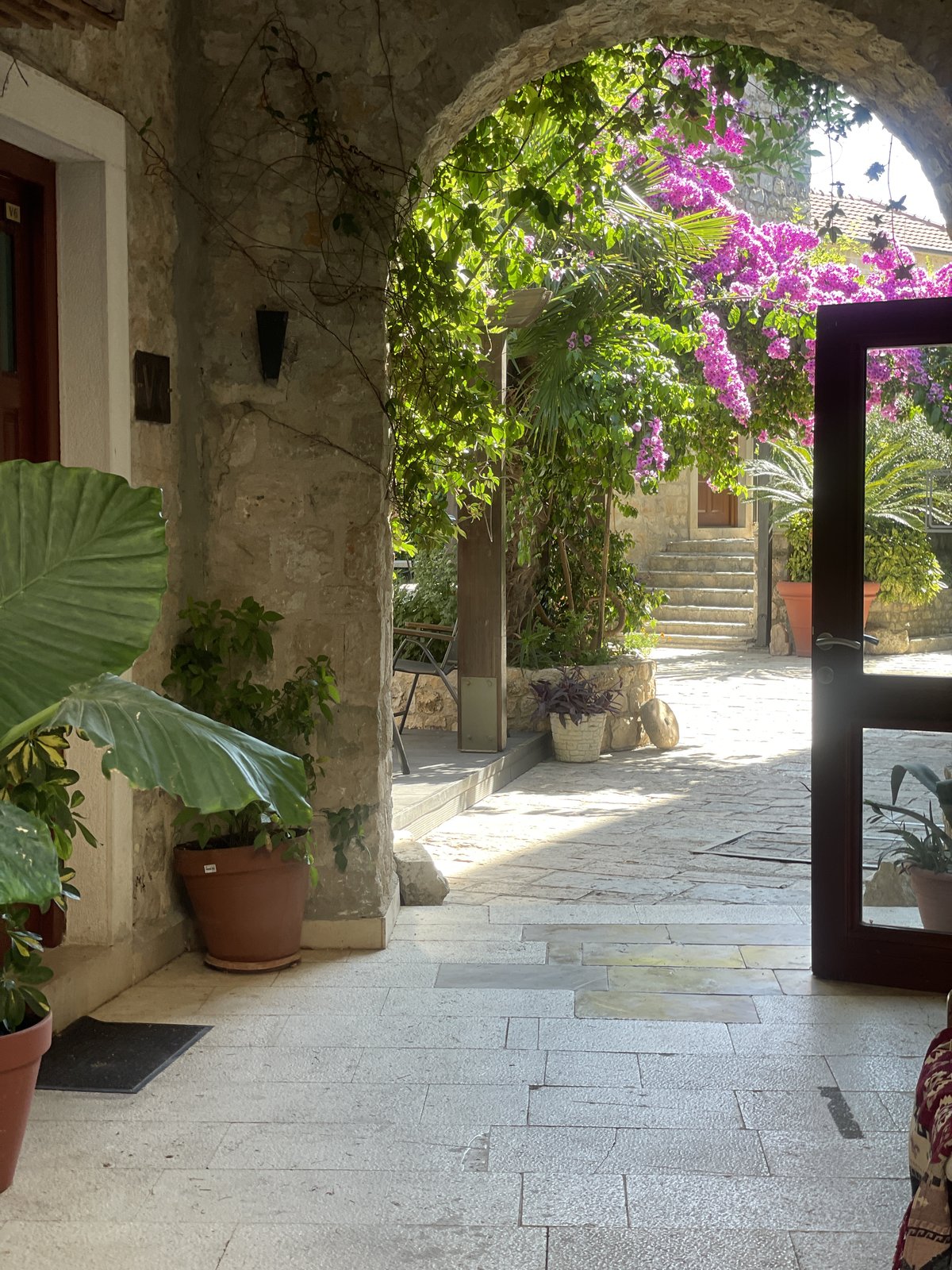
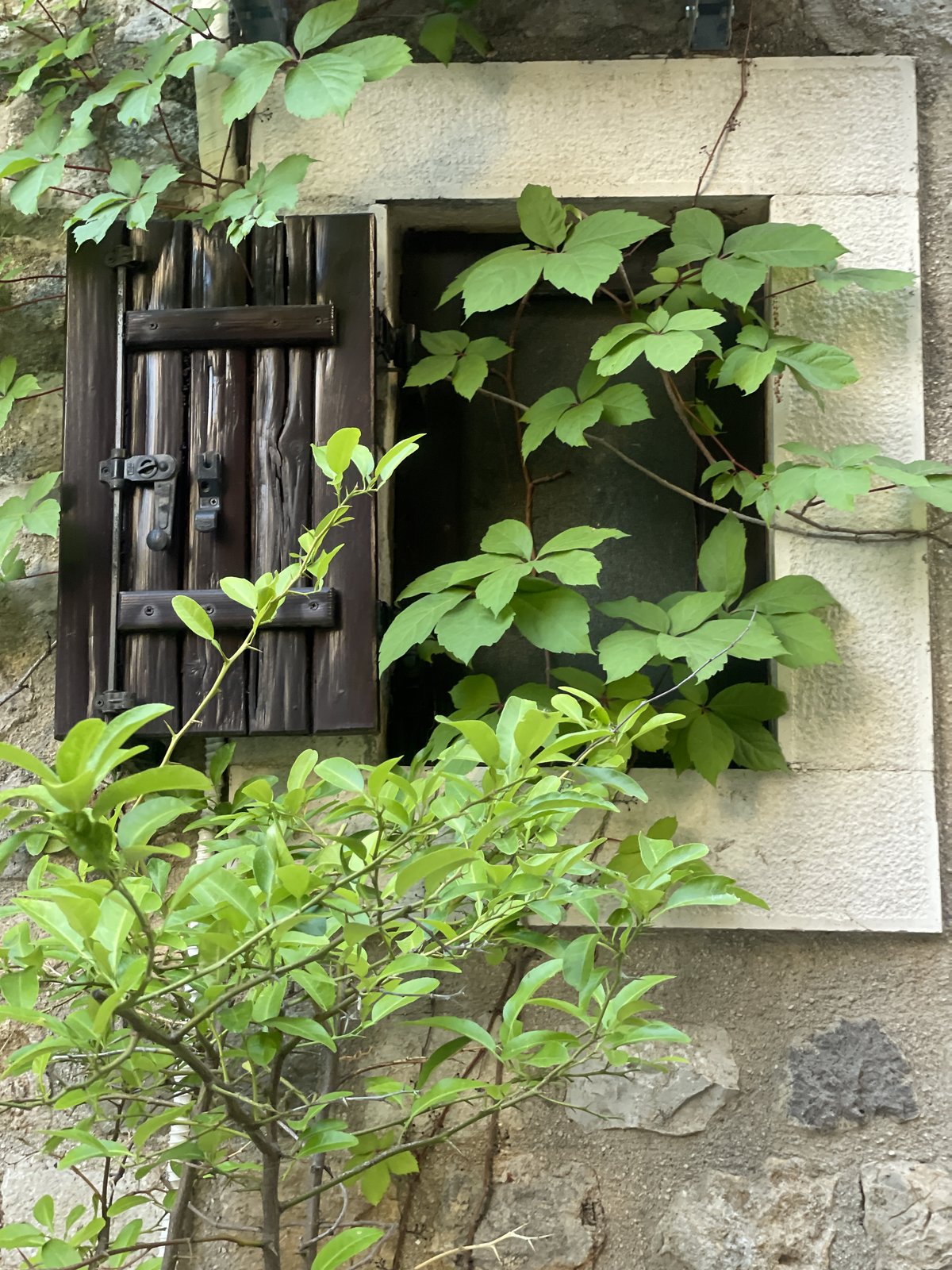
Ulcinj’s fortified old town rises above the sea on a headland settled for more than 2,500 years. Illyrian foundations, Venetian walls and Ottoman-era lanes all remain visible within a compact walk, and the museum gives the fortress its archaeological context. The stone steps are part of the experience: they keep leading to small terraces, sea views and a different angle on the walls.
Petrovac
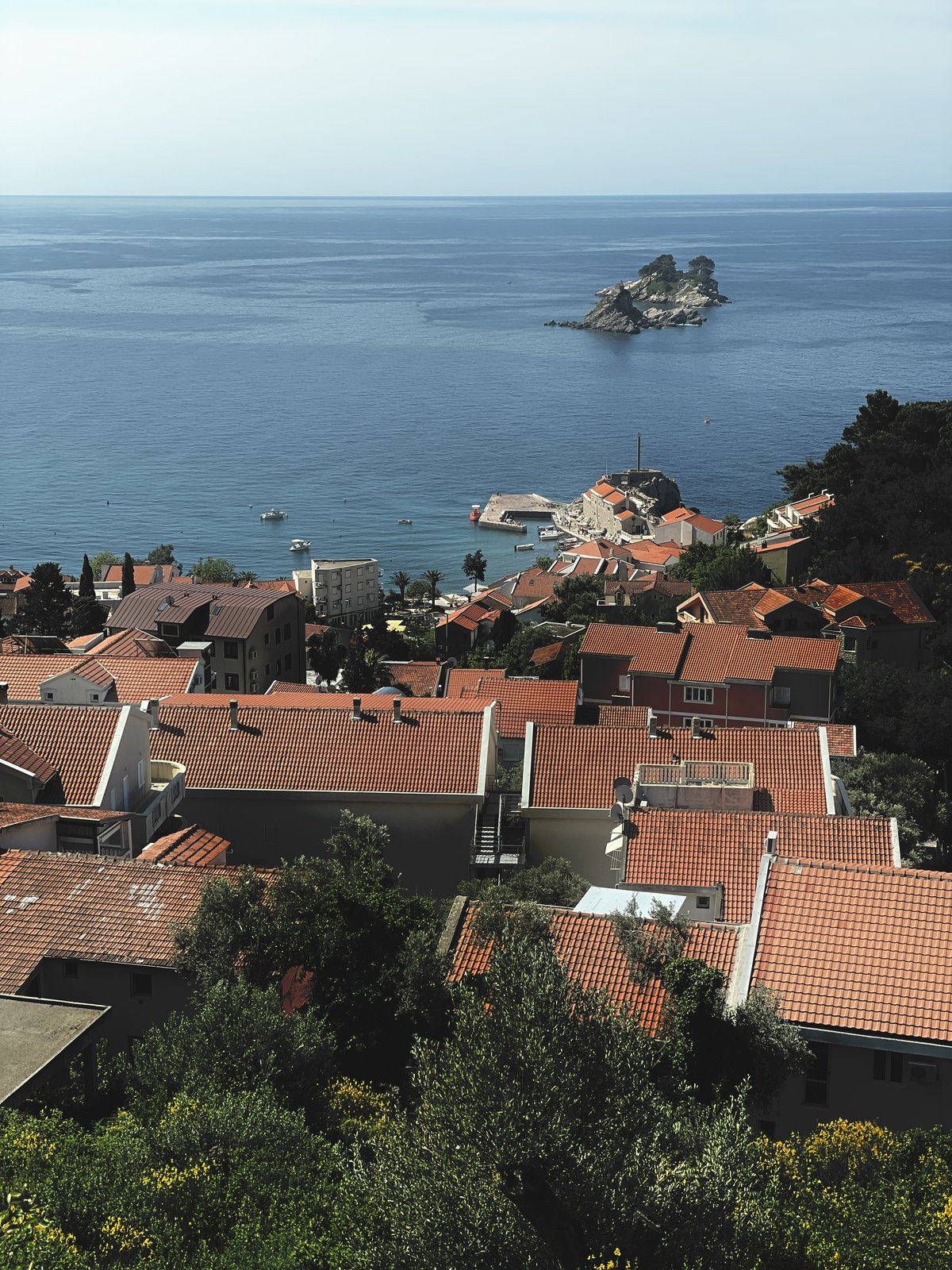
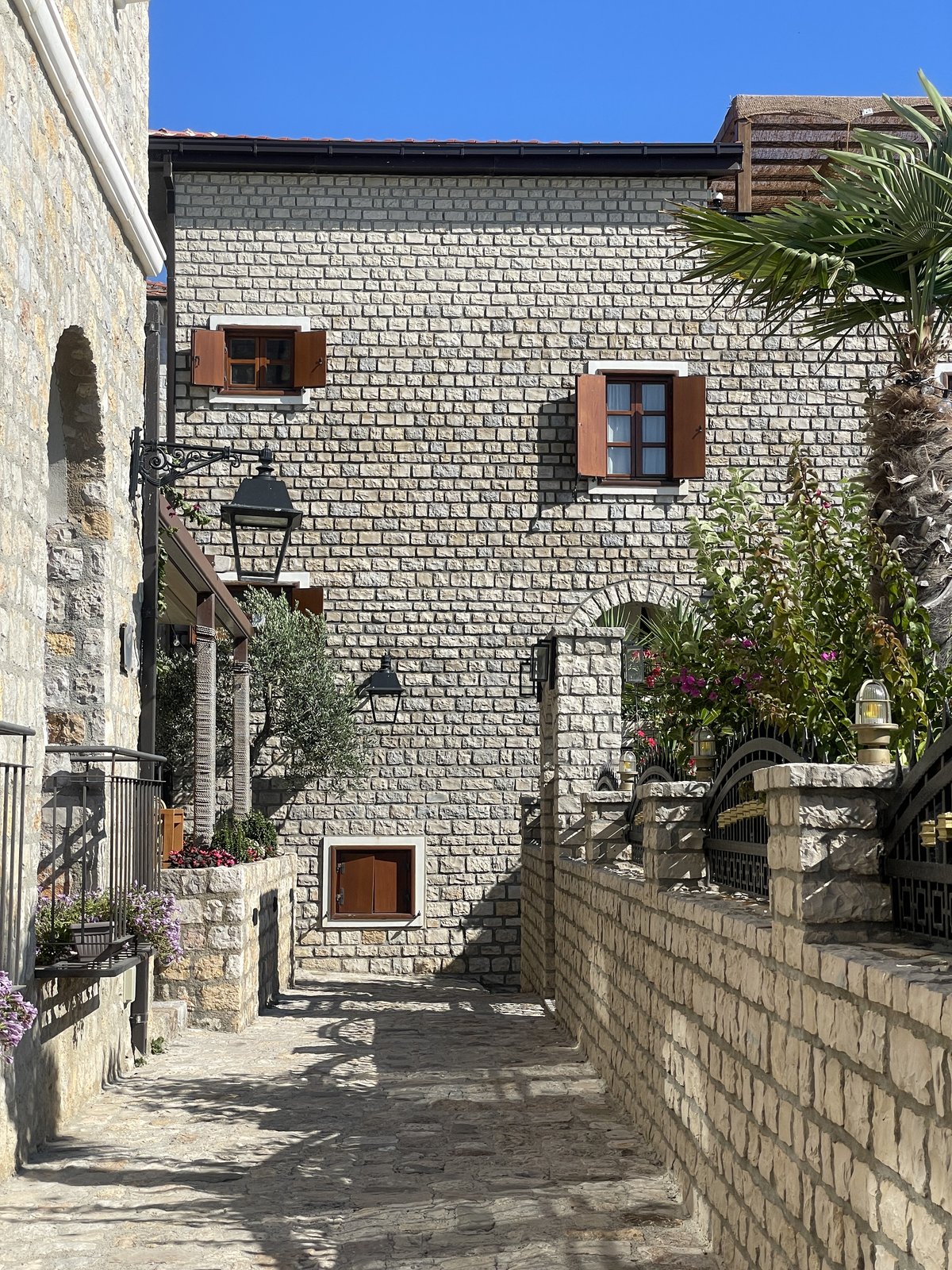
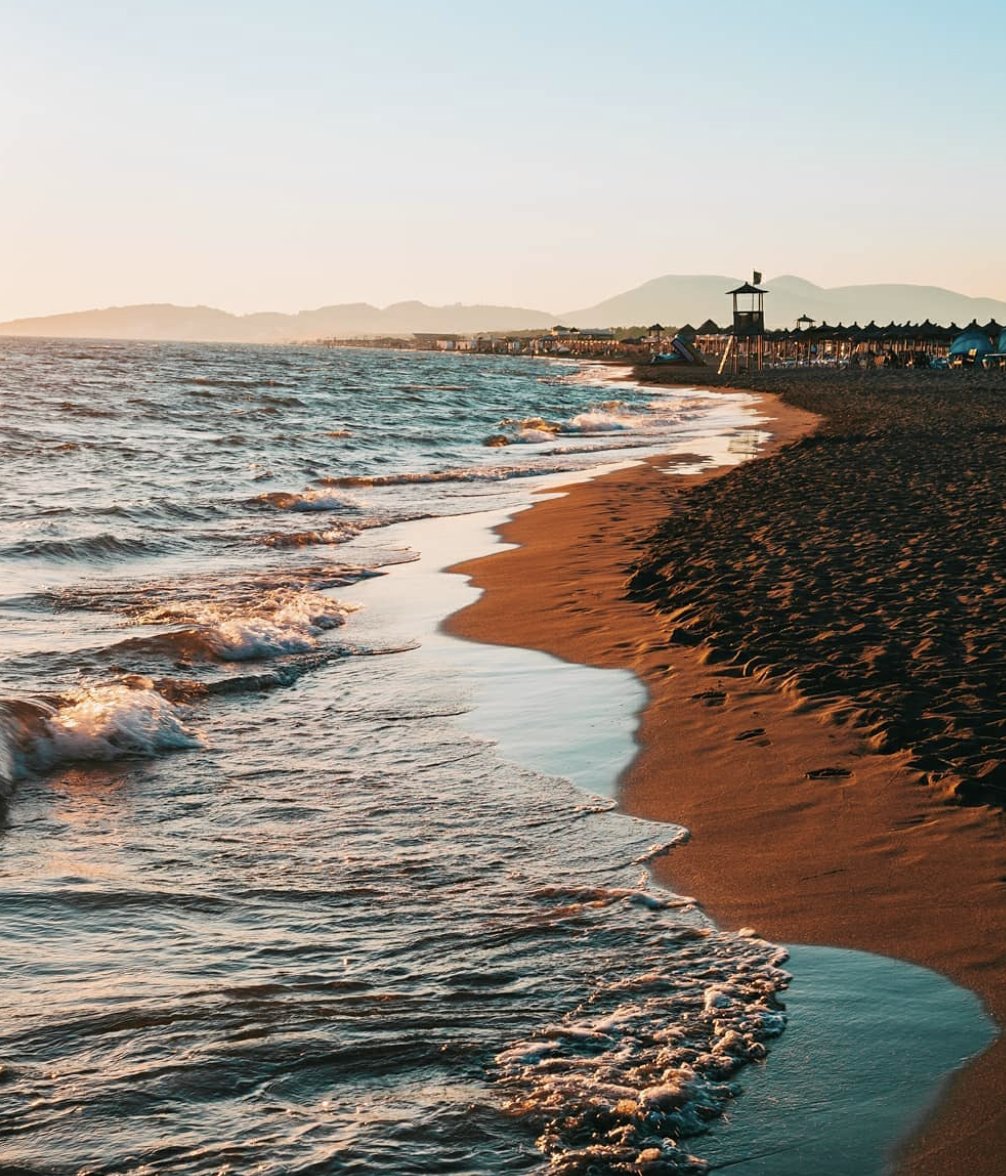
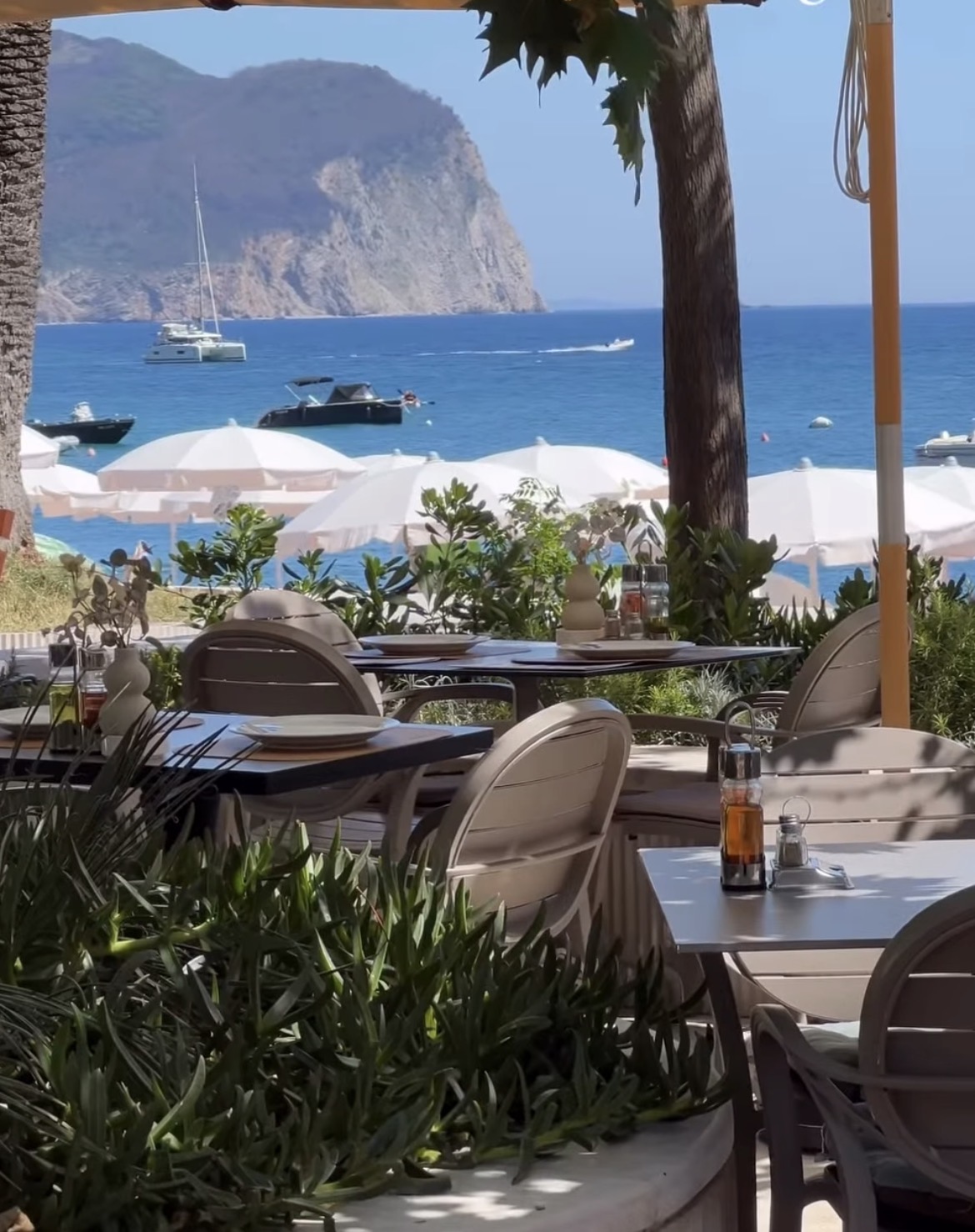
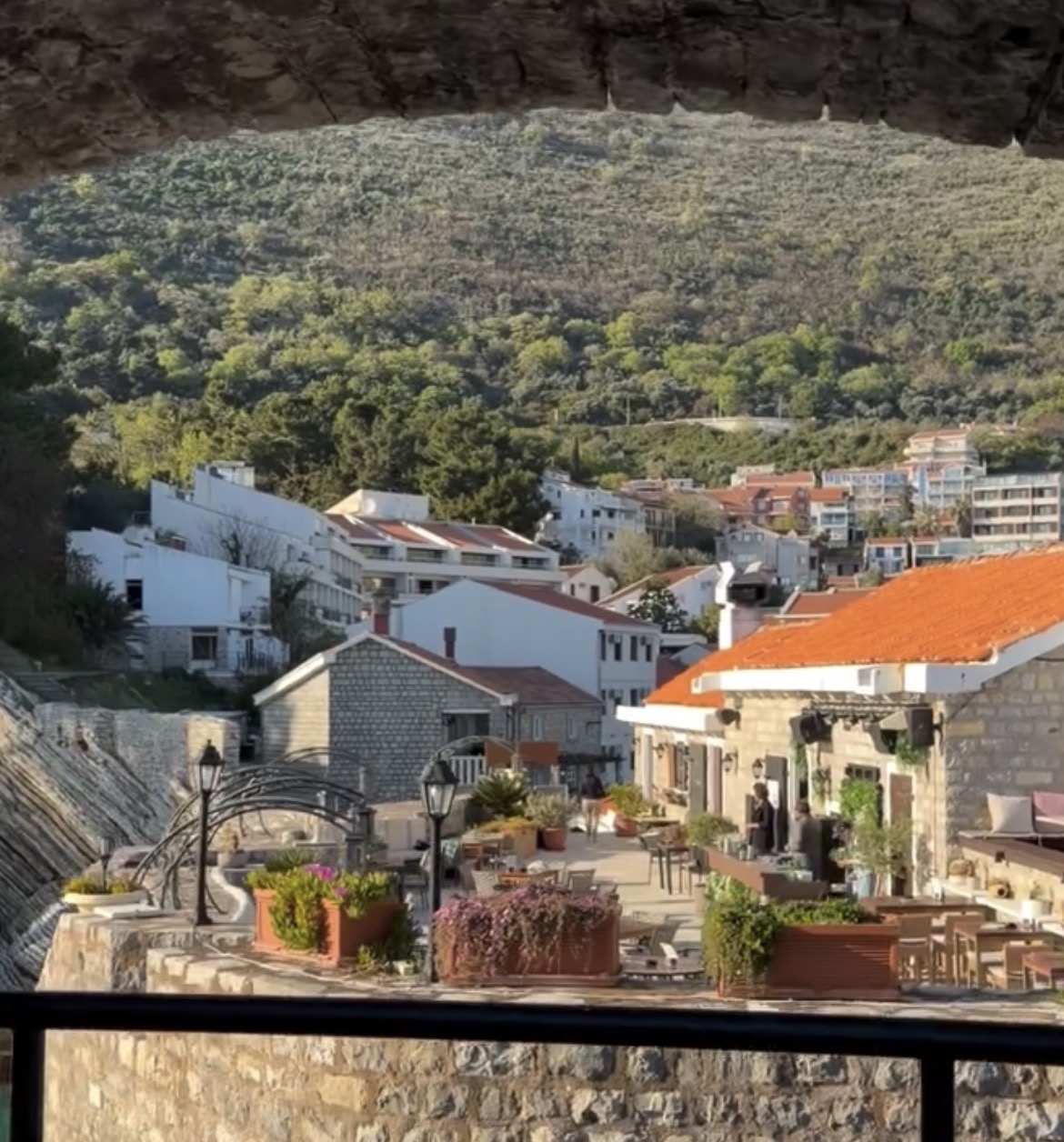
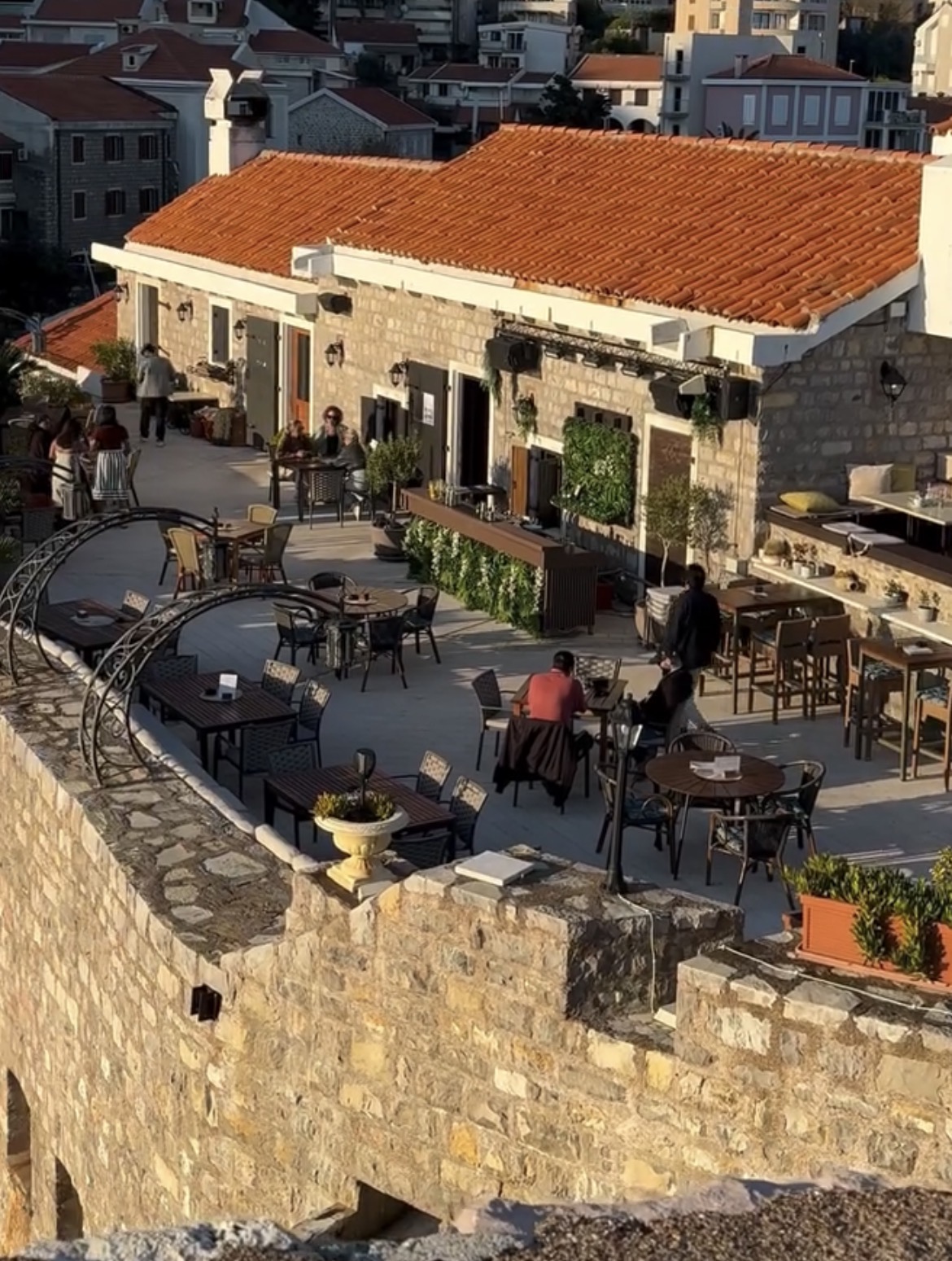
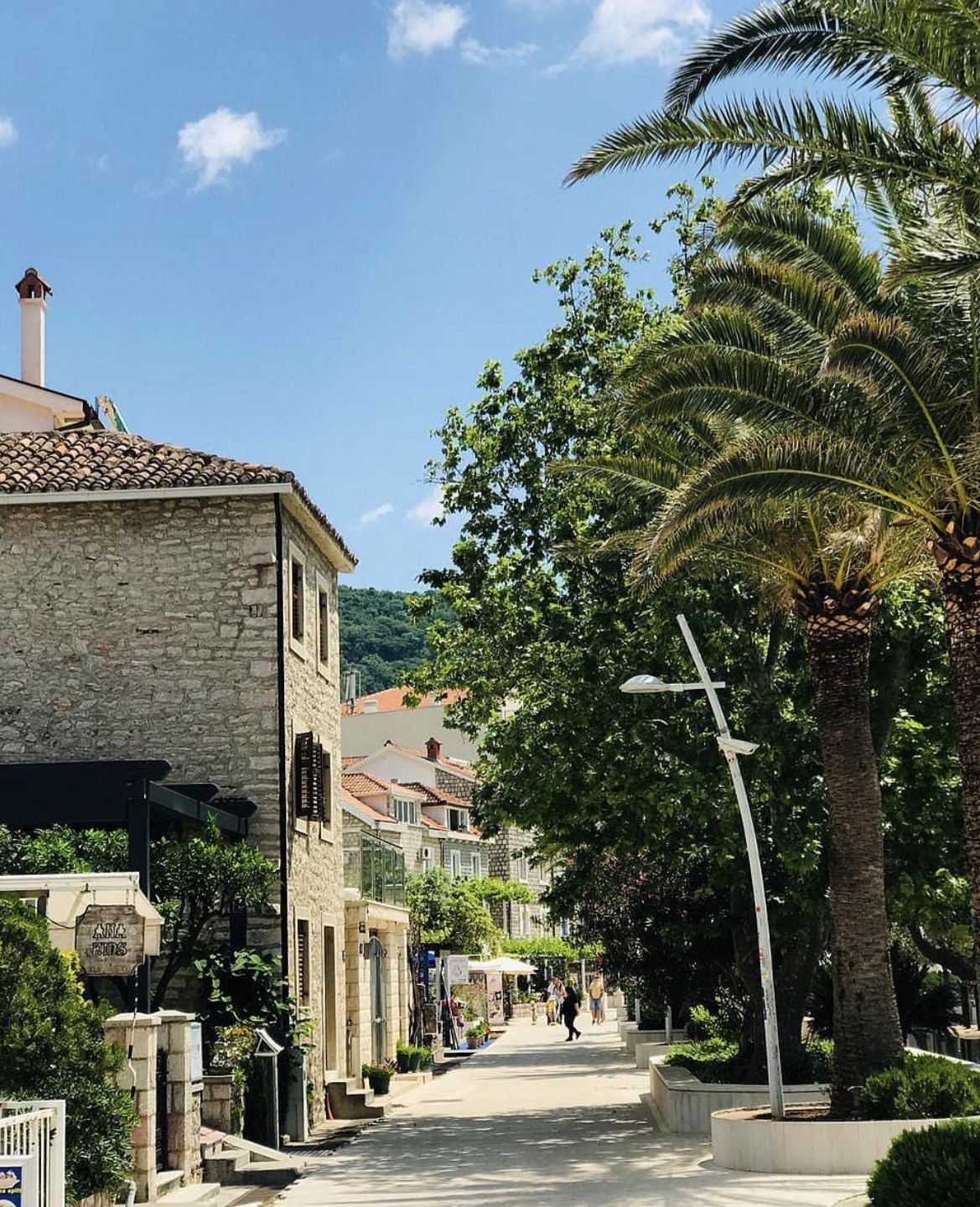
Petrovac’s old waterfront has stone houses and the small Kastio fortress overlooking the bay. The offshore islets are Katič and Sveta Neđelja, the latter with a small church. Skadar Lake is a separate inland destination, not a lake within Petrovac.
Budva old town
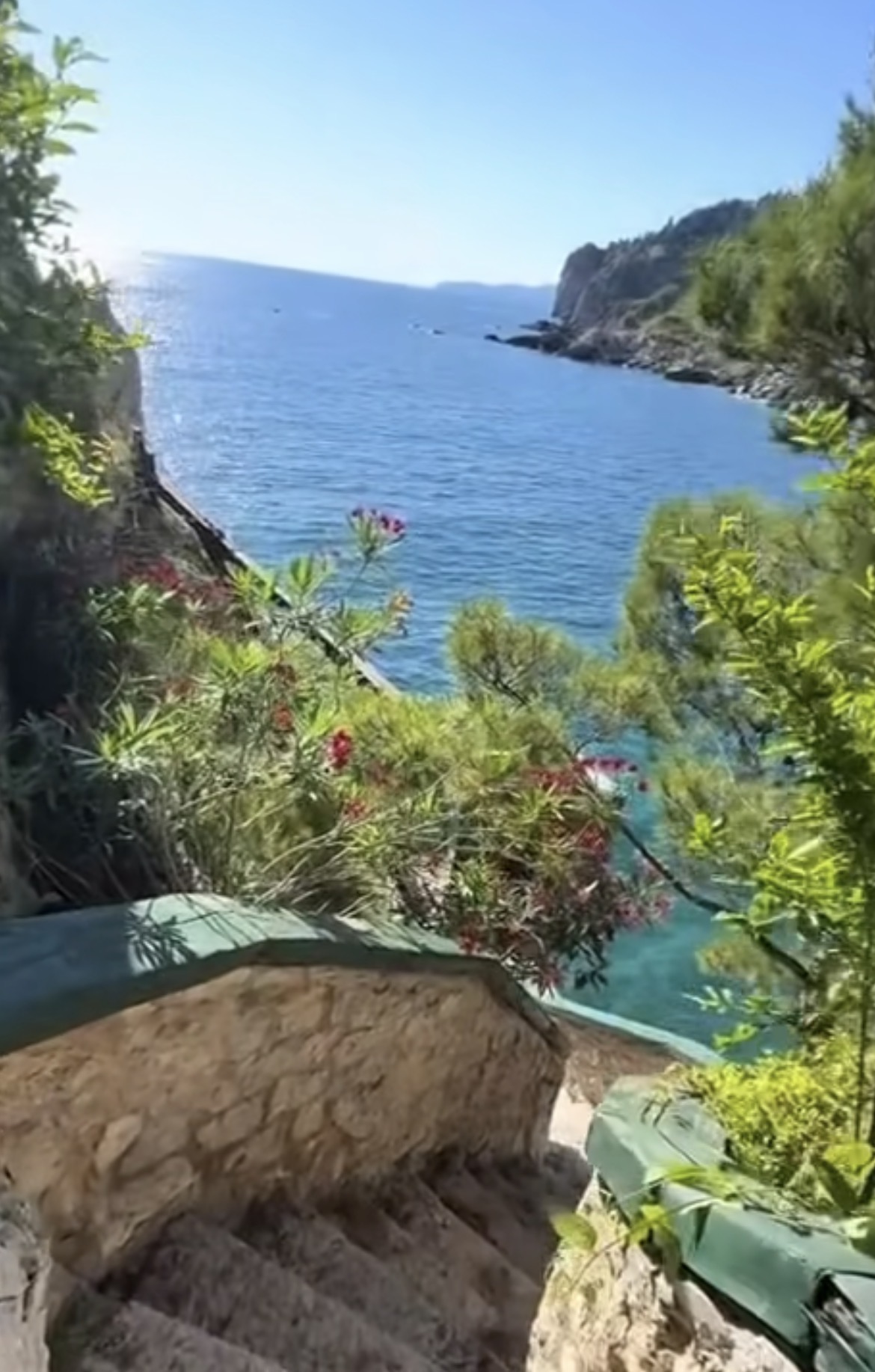
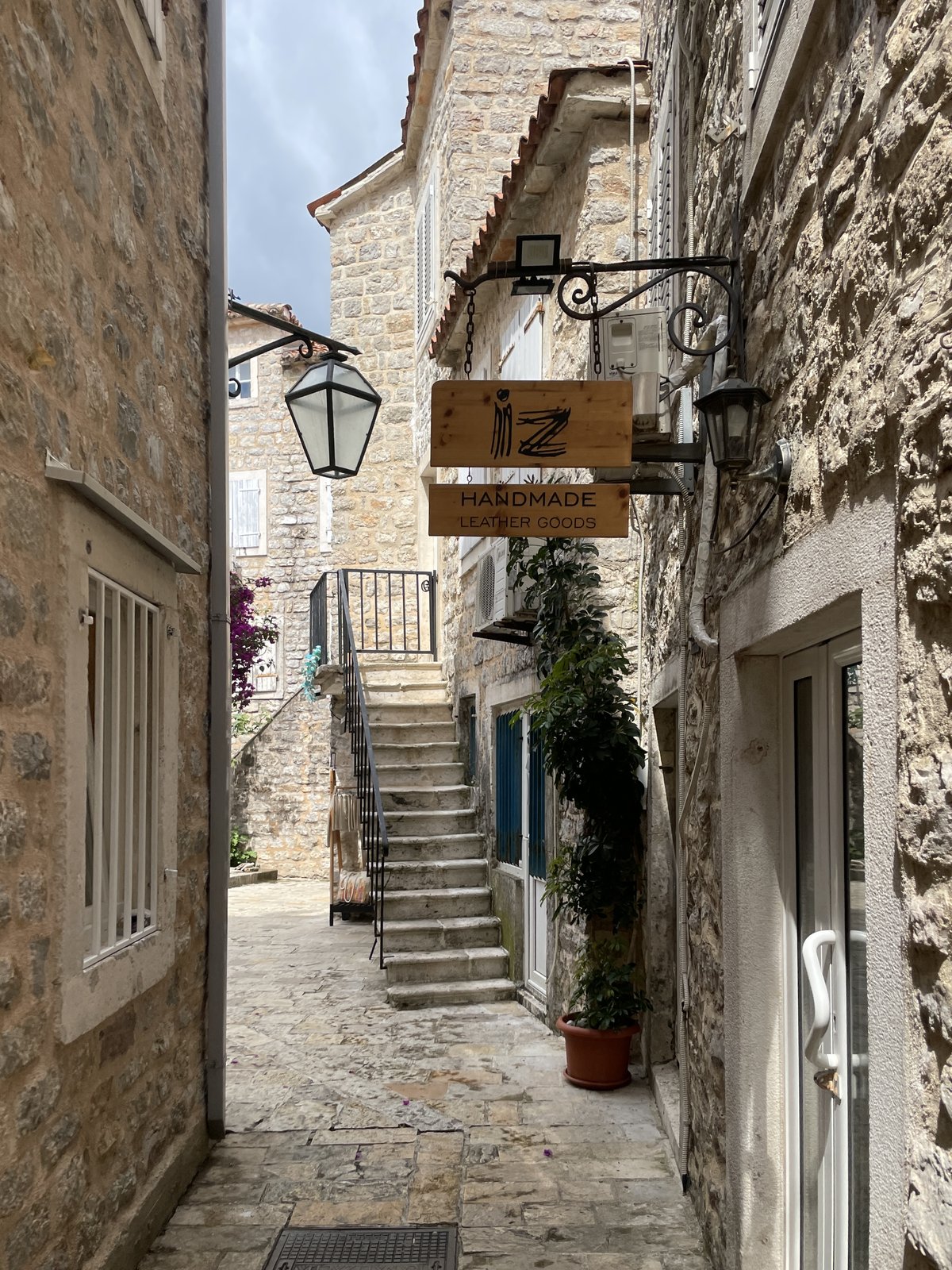
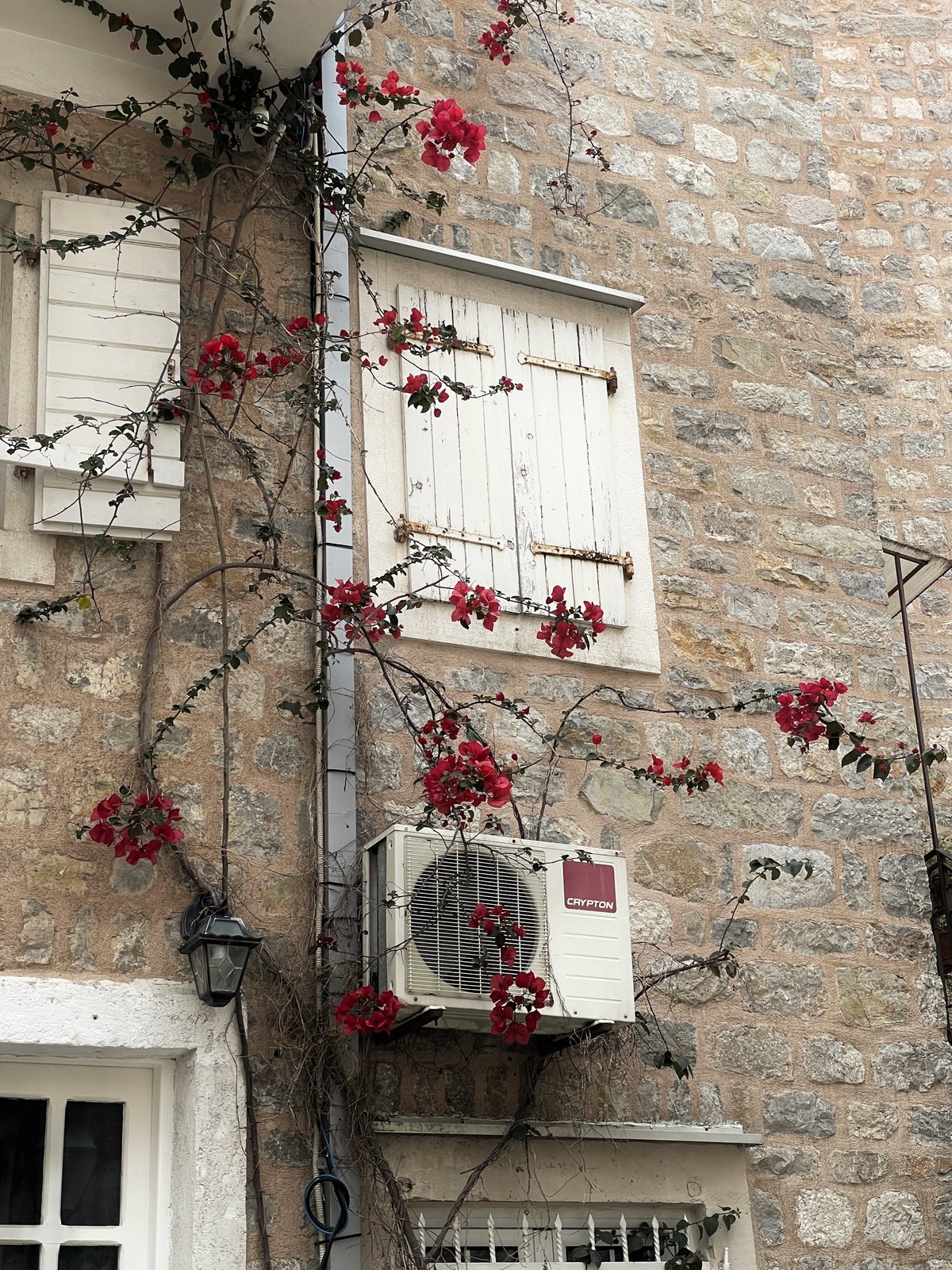
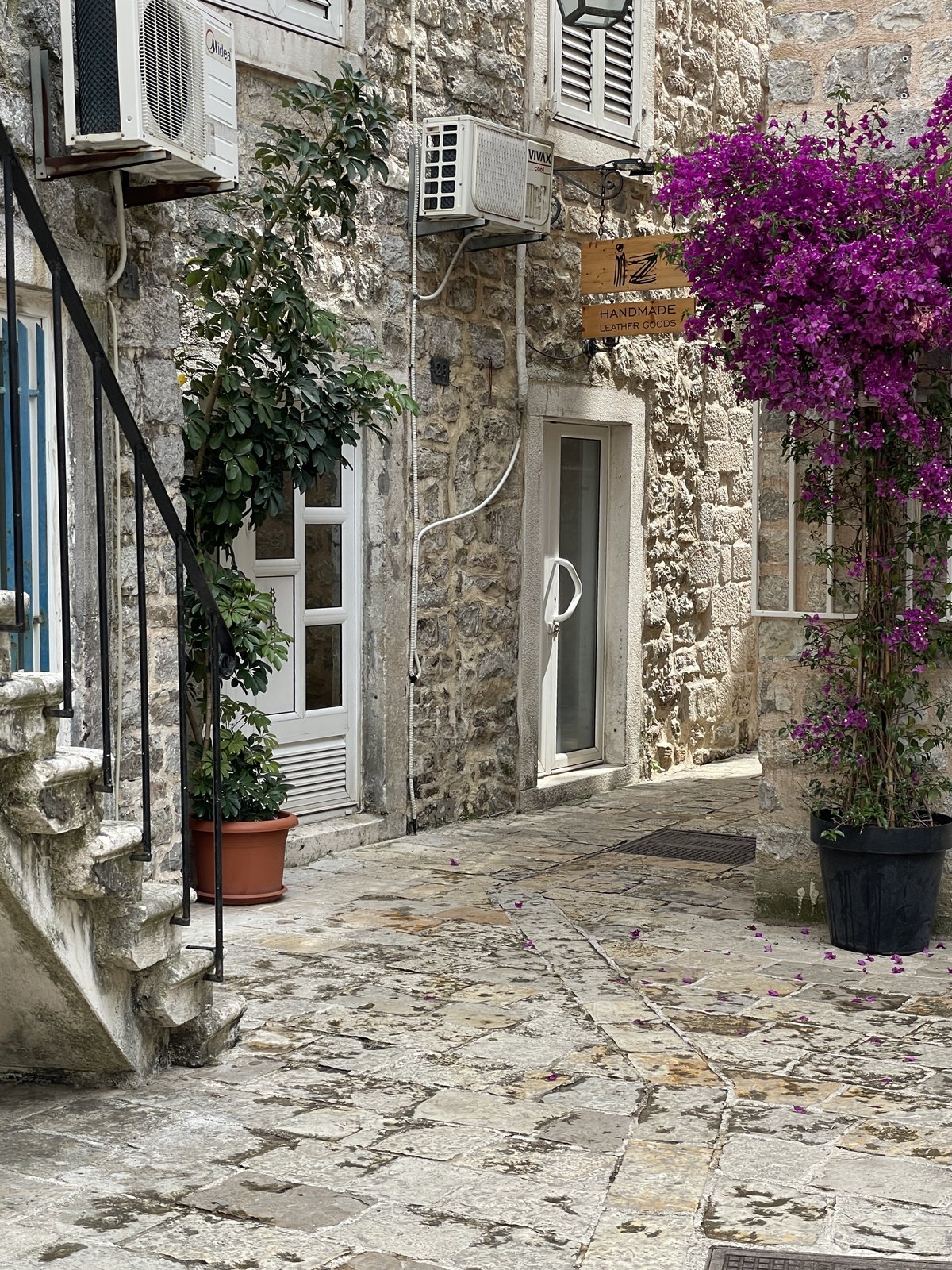
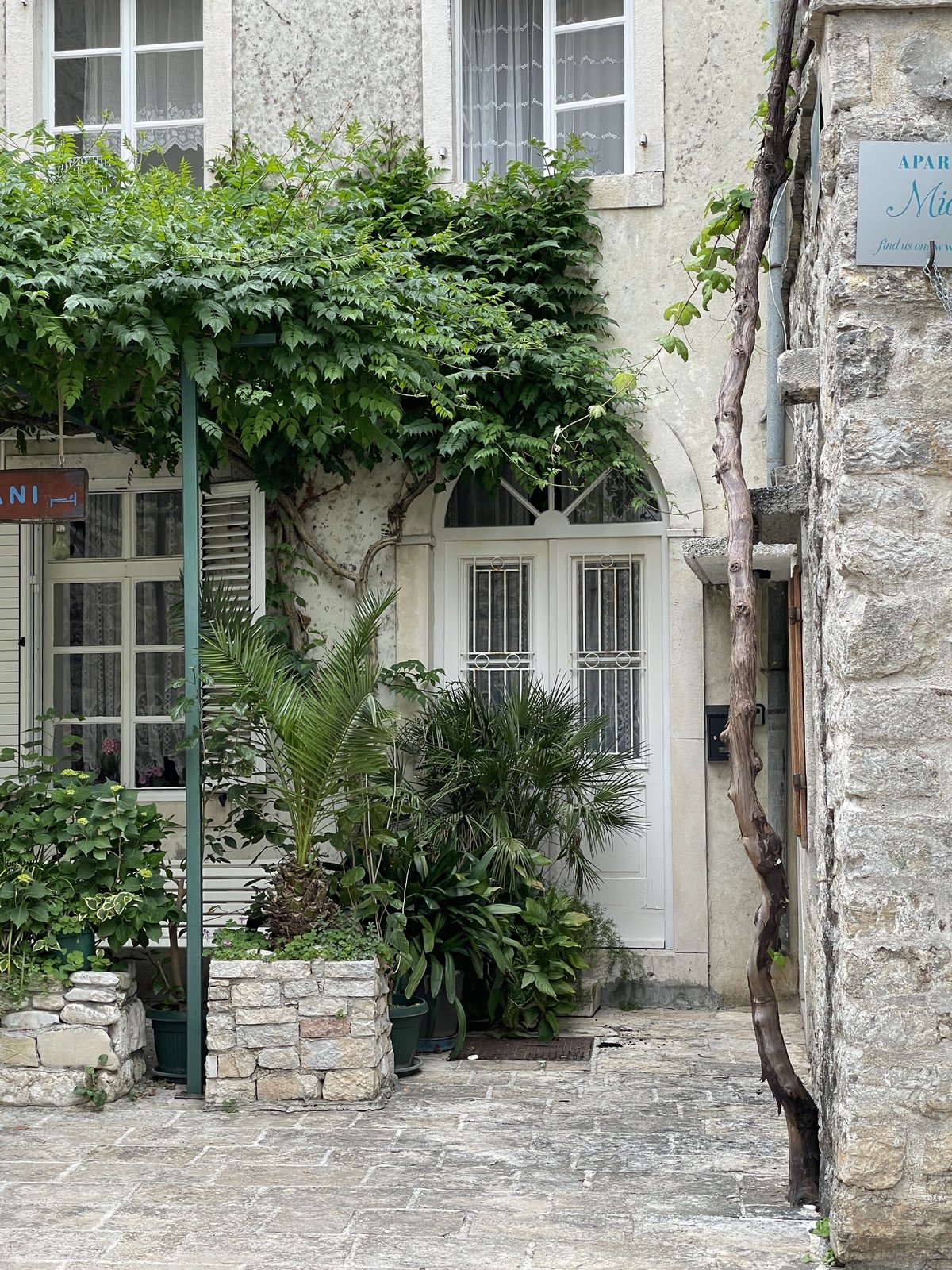
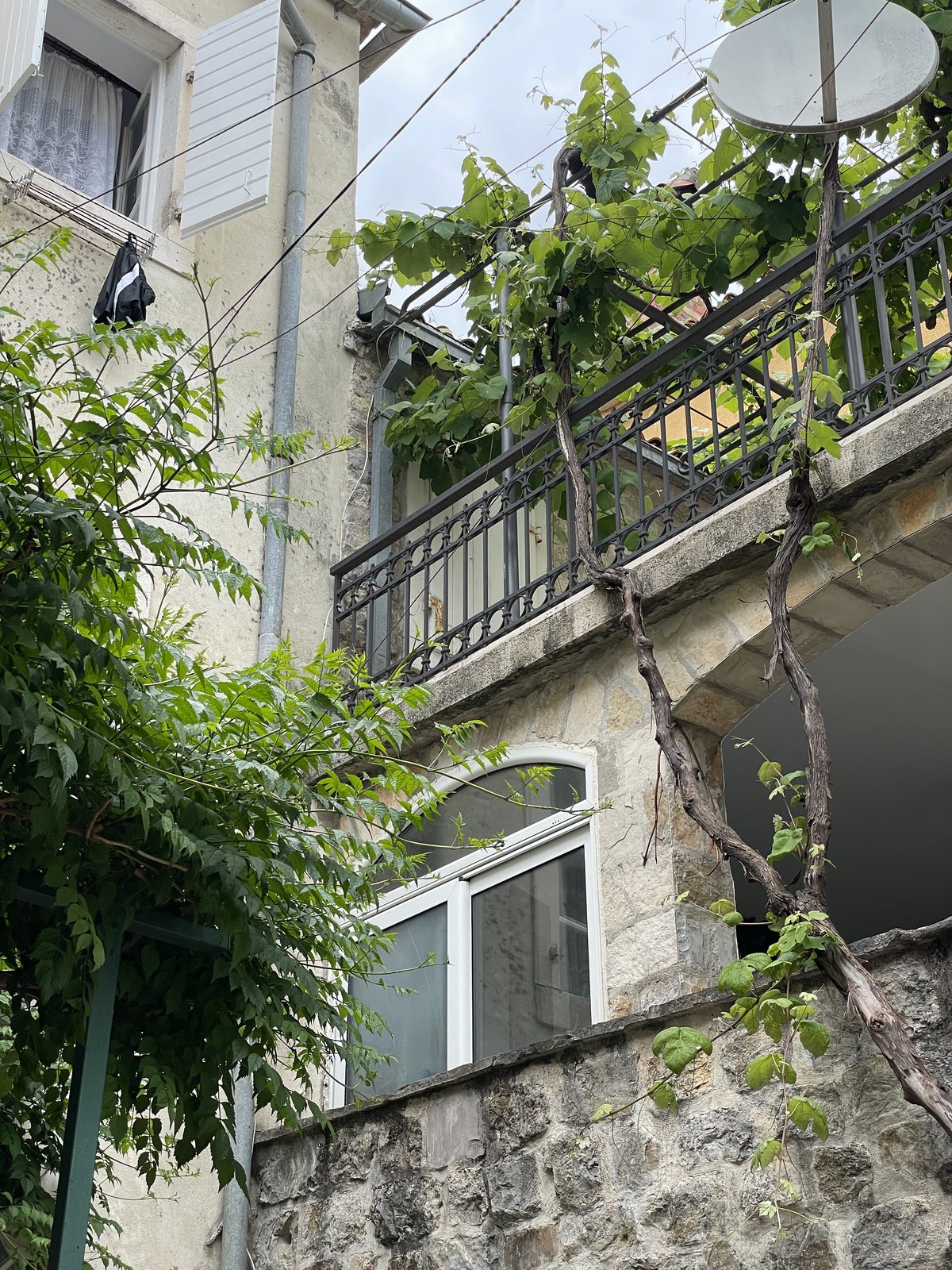
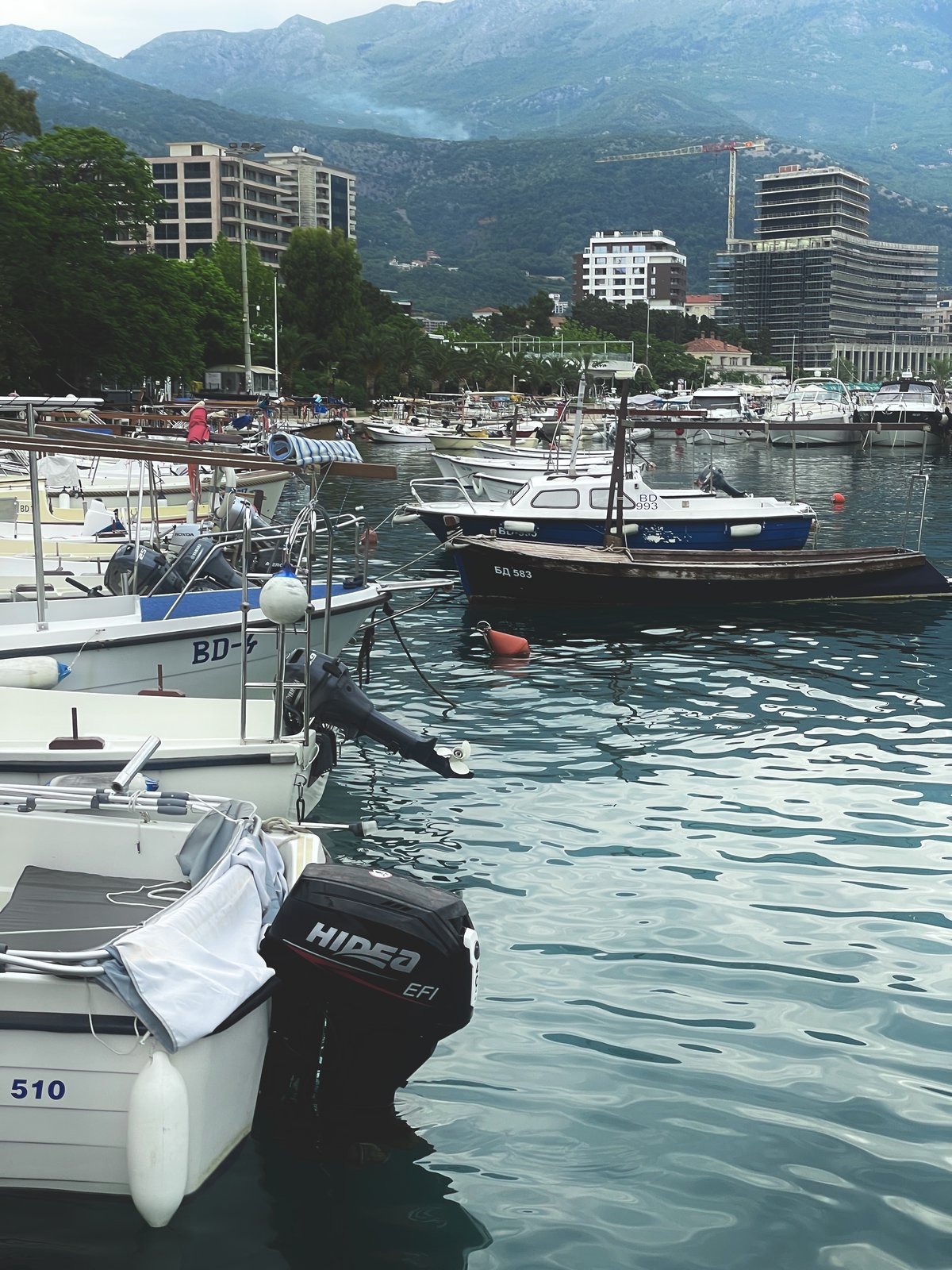
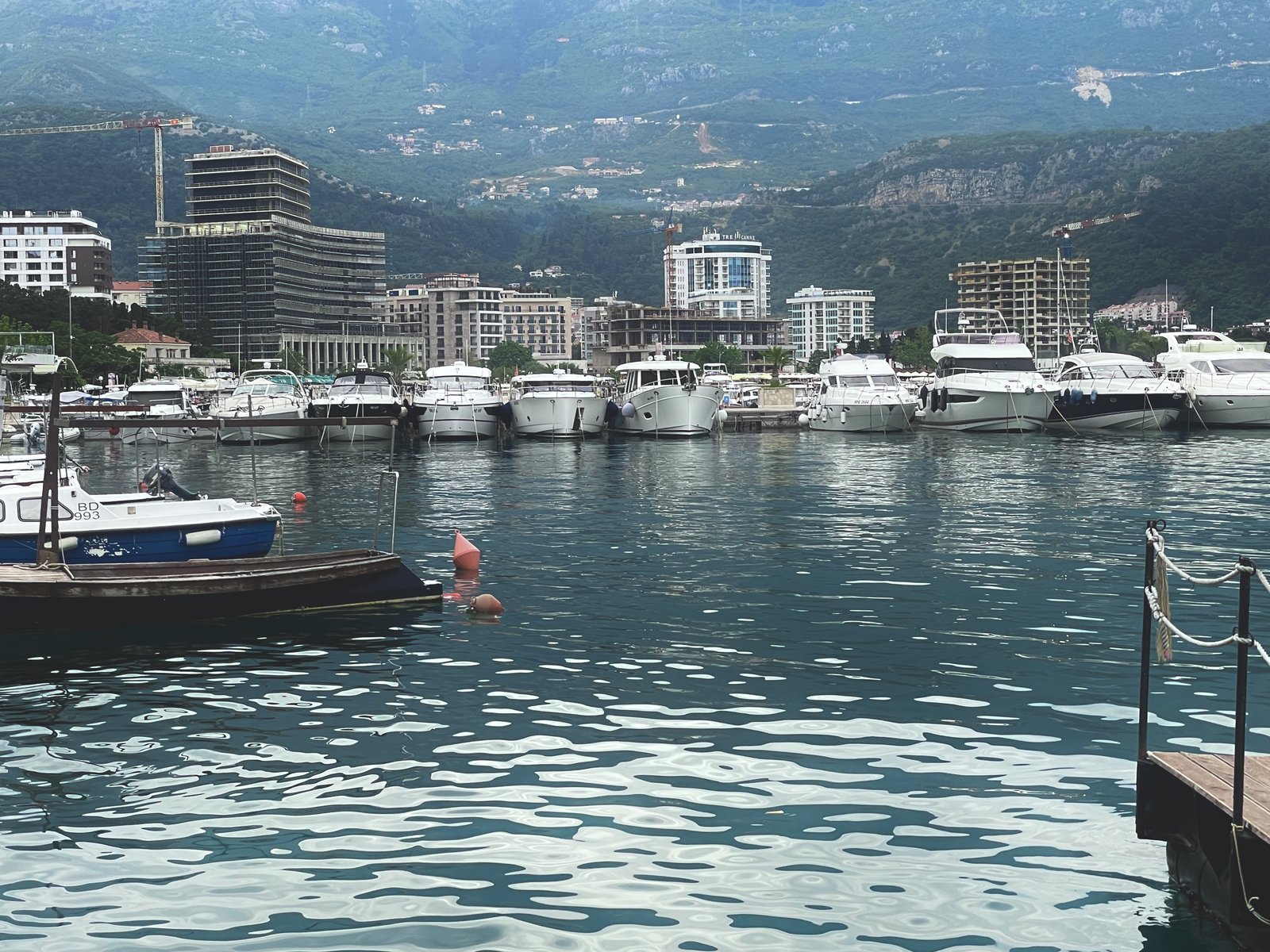
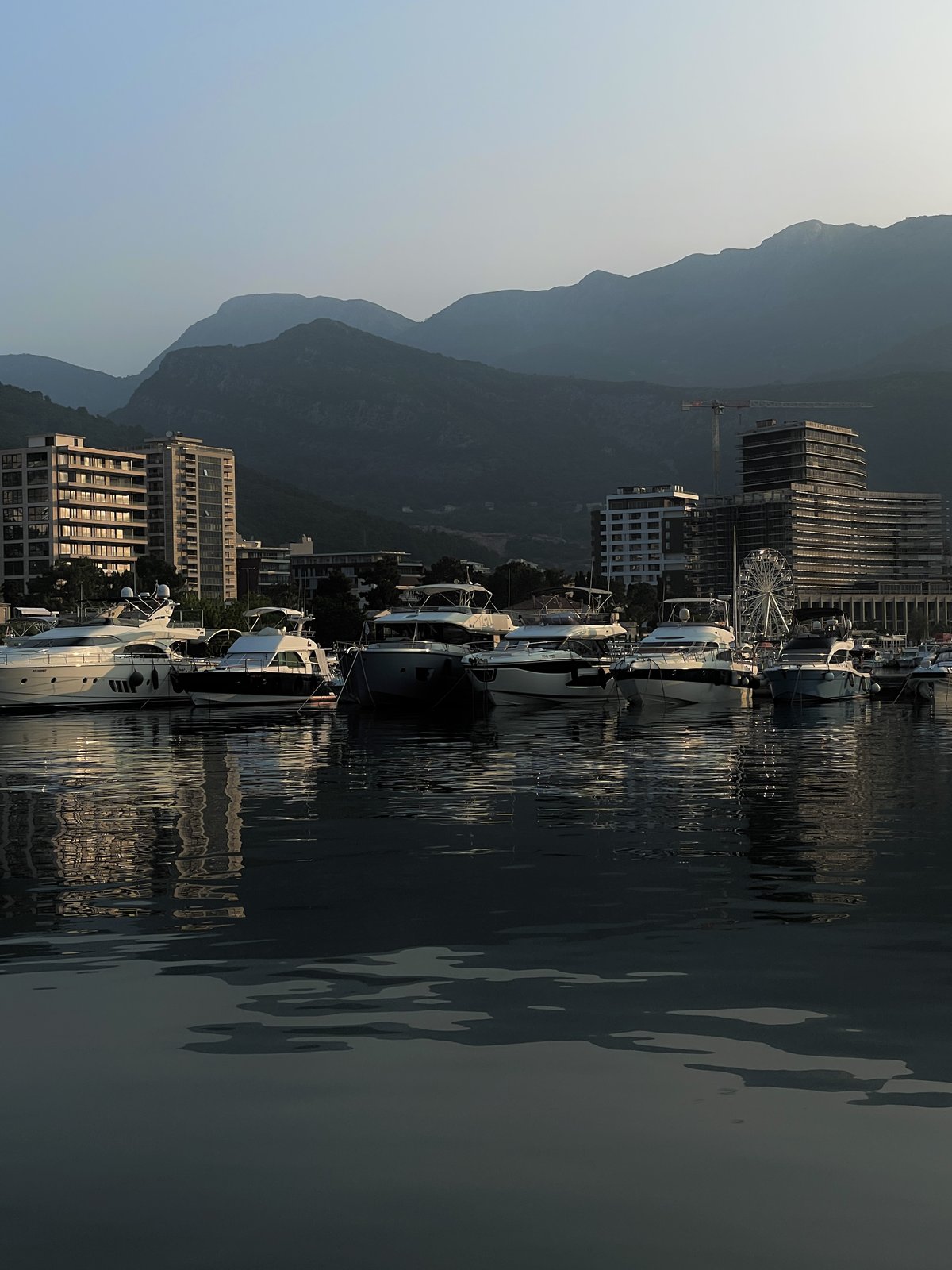
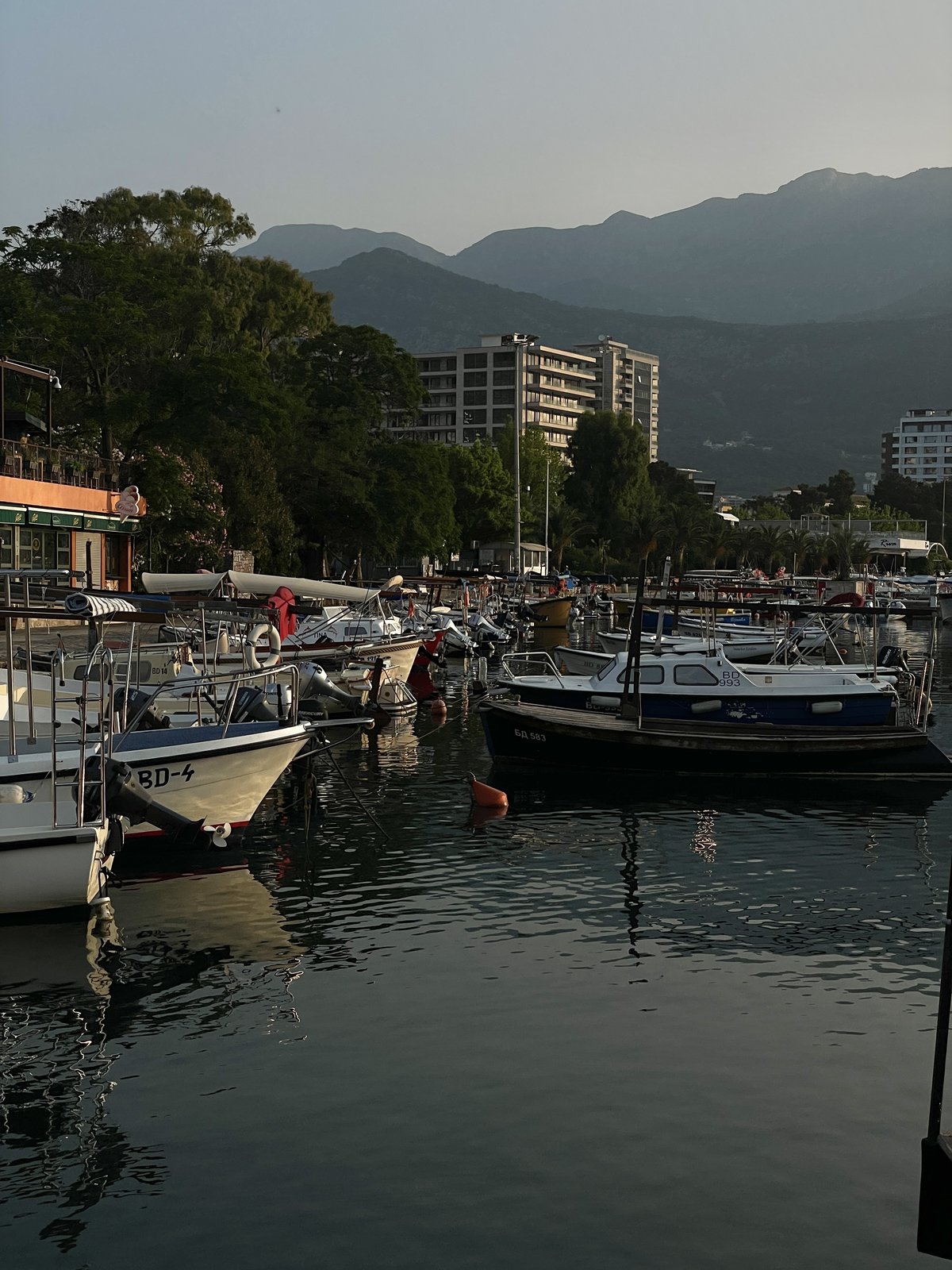
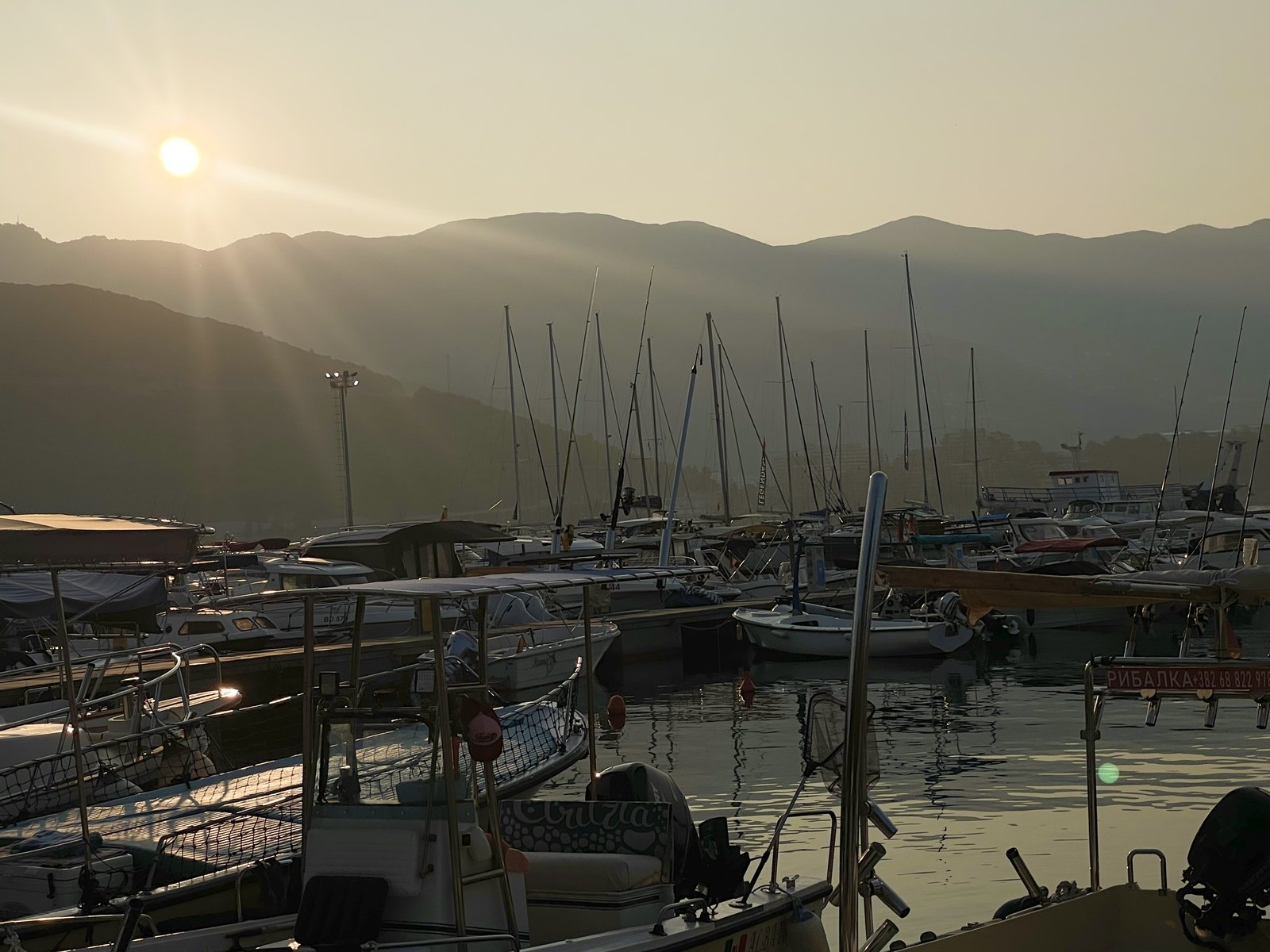
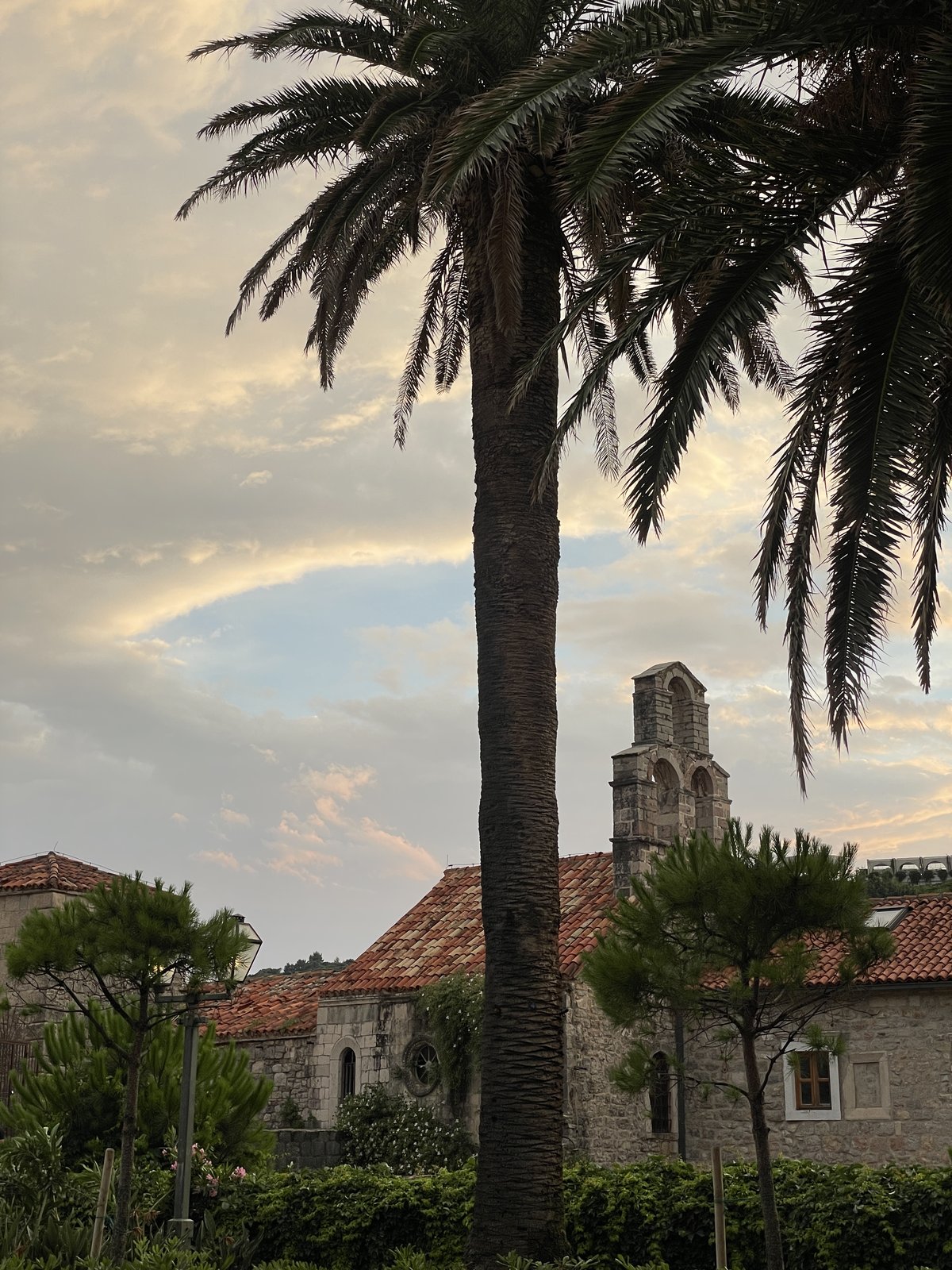
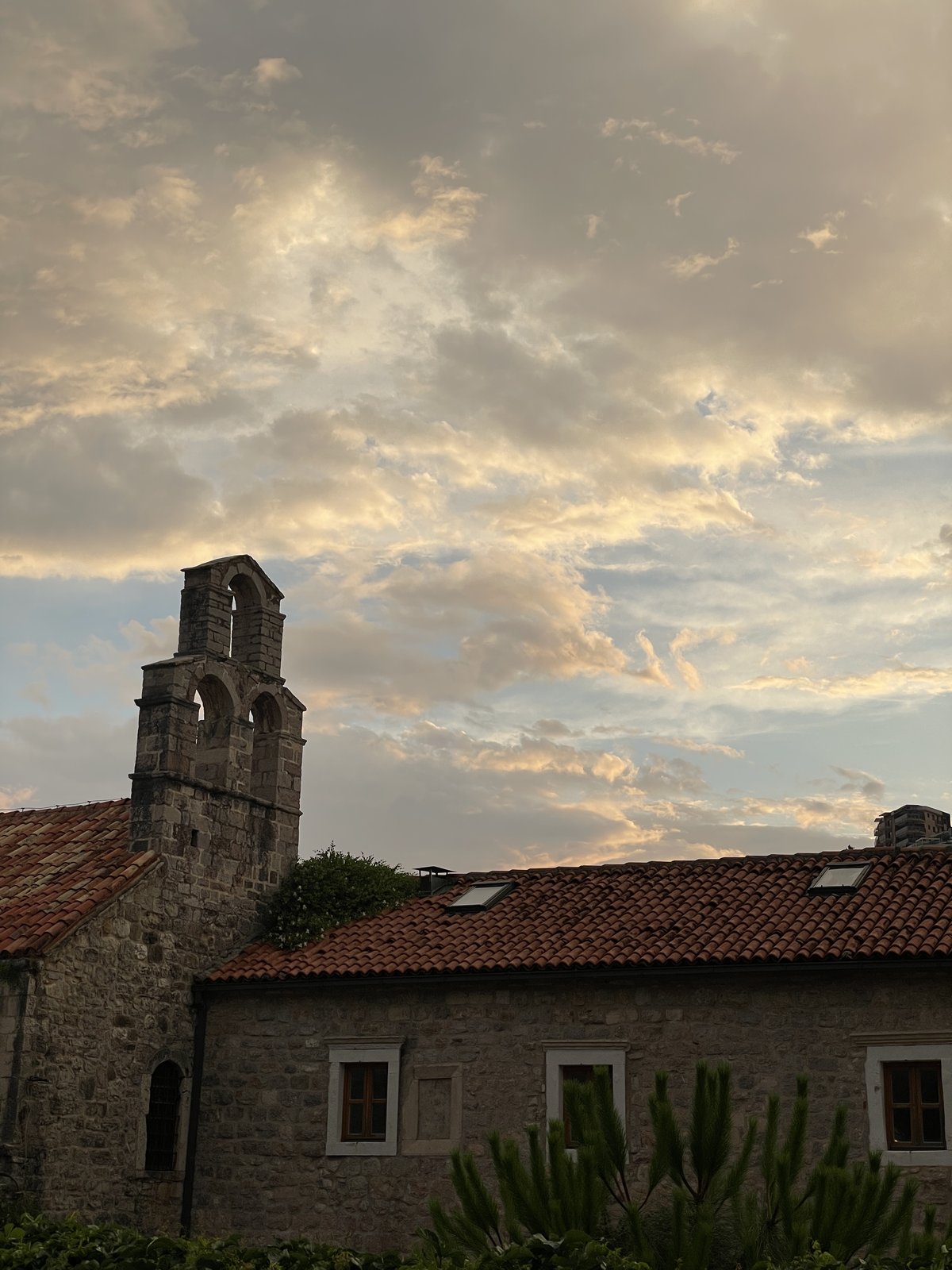
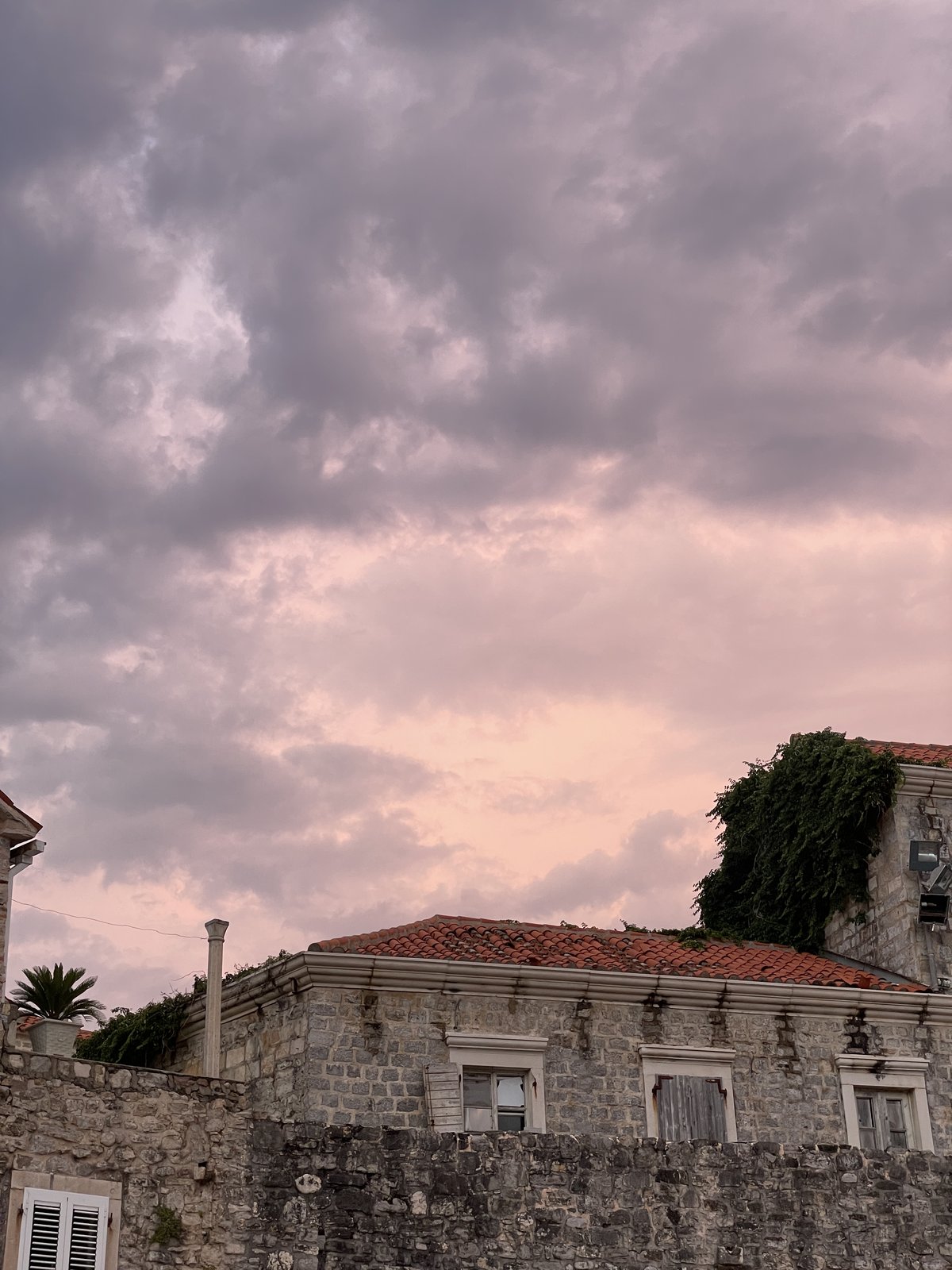
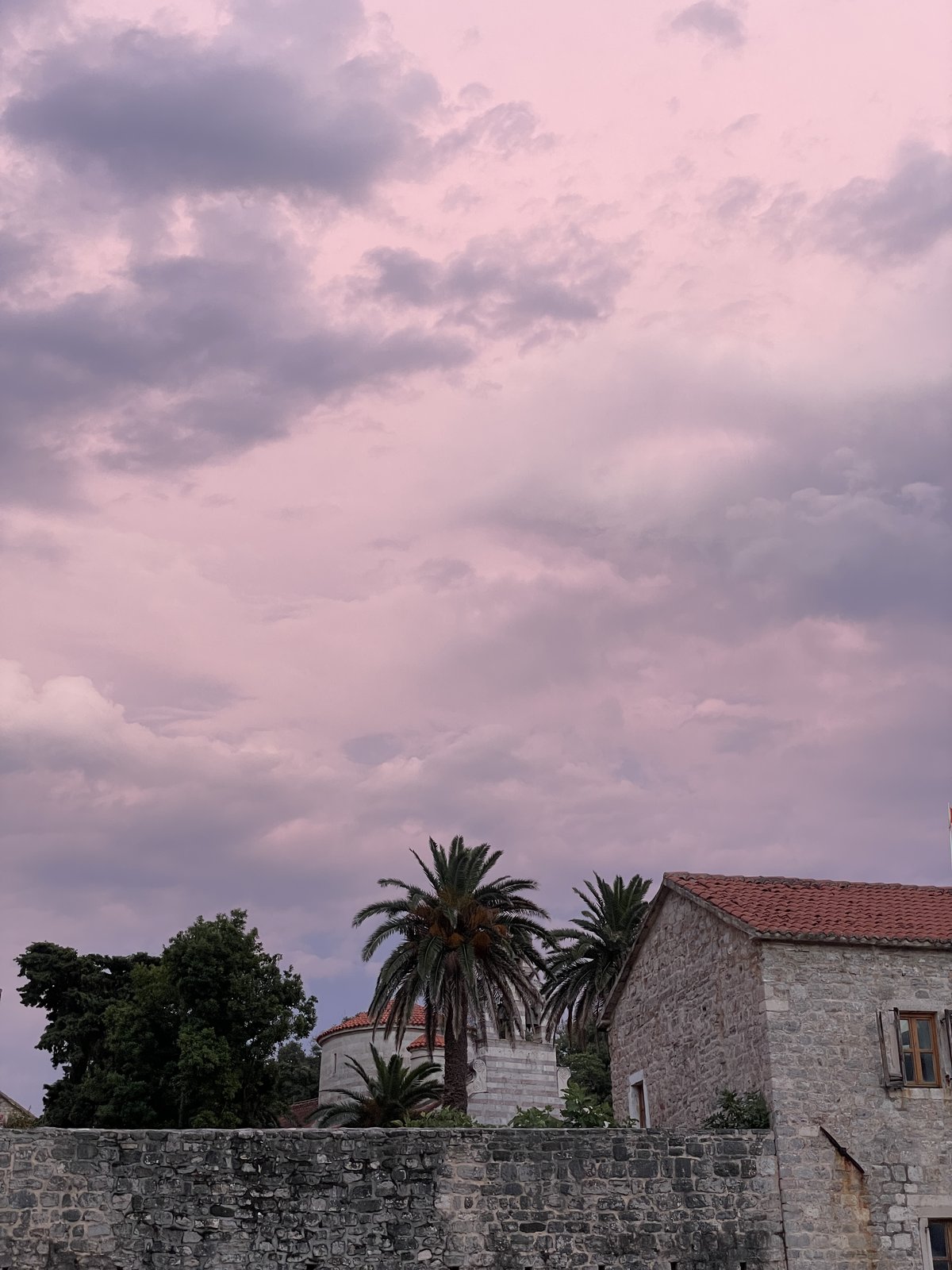
Budva’s walled old town contains narrow stone streets, churches and small squares beside the harbour. The Citadel provides an elevated view over the town and sea. Add the city museum if you want to understand the archaeological finds behind the old streets.
Skadar Lake
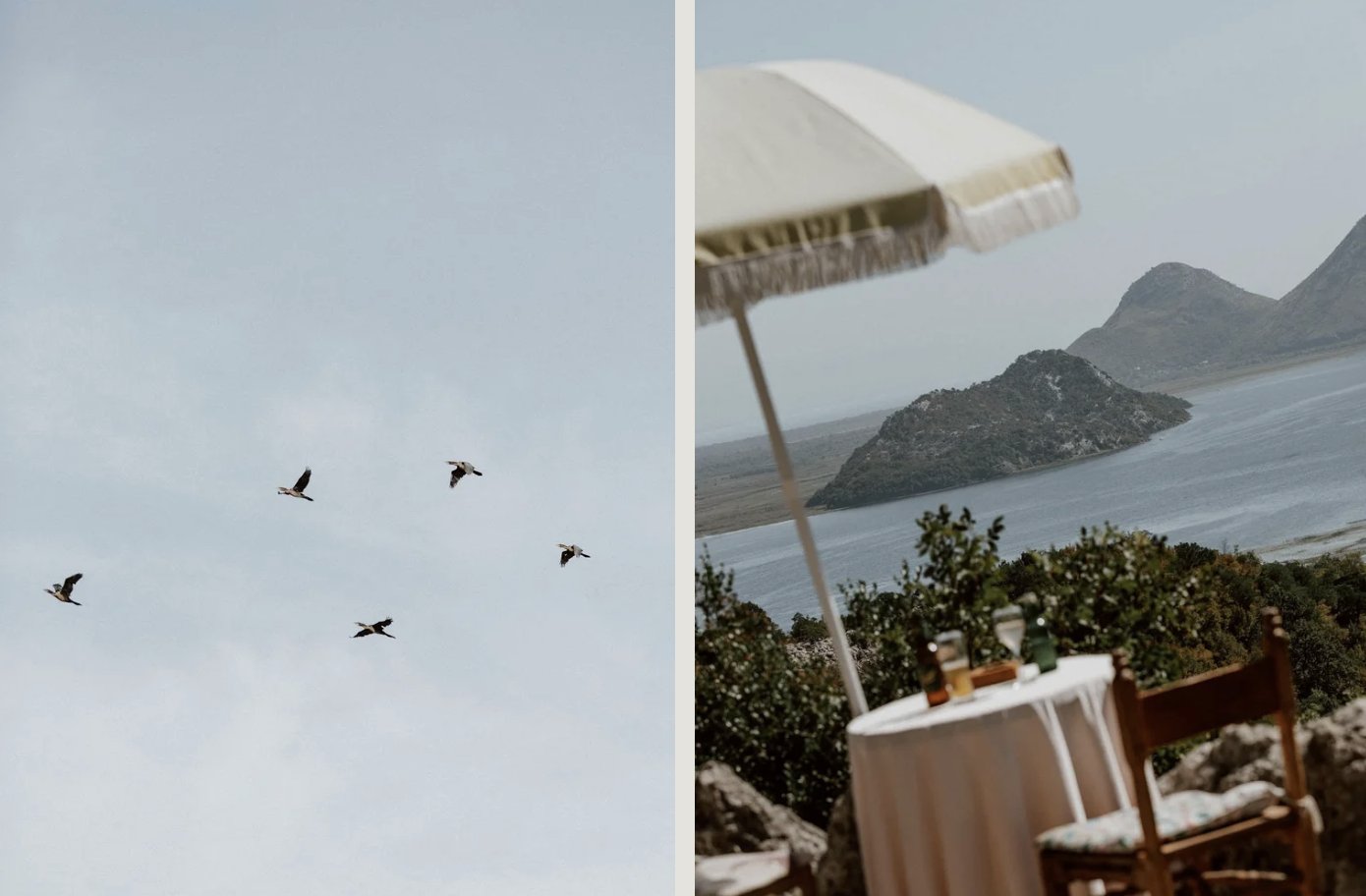
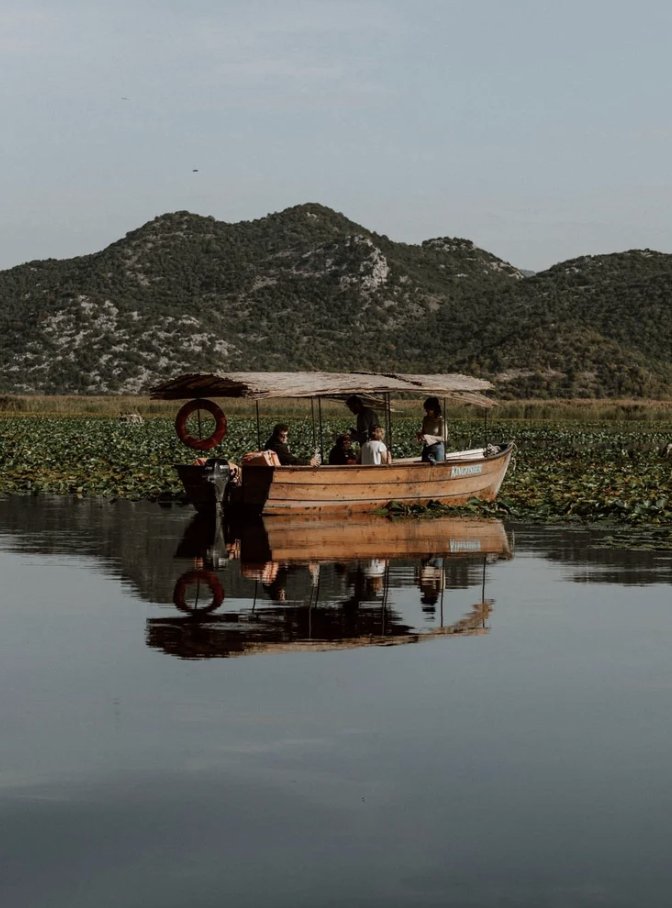
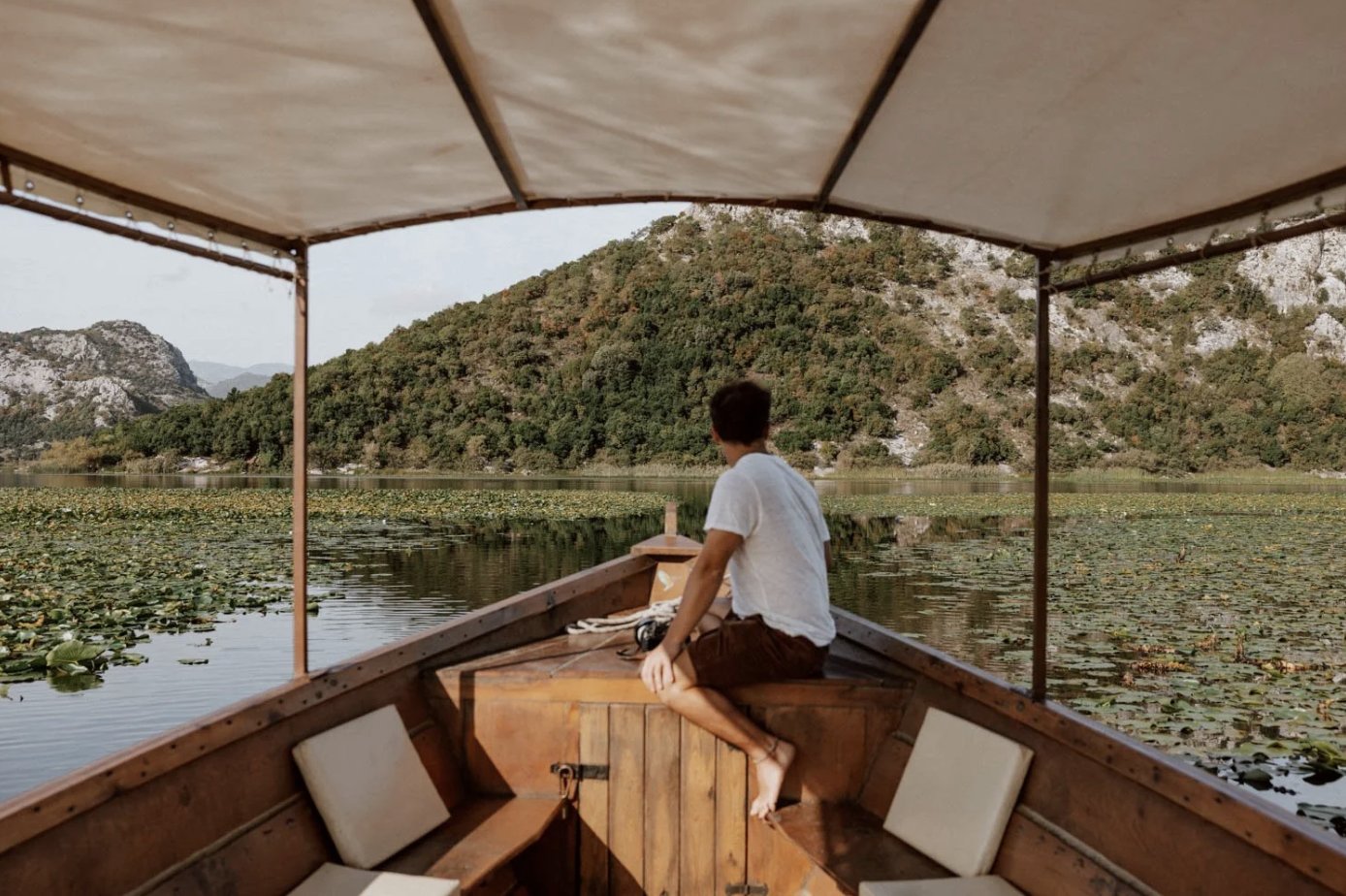
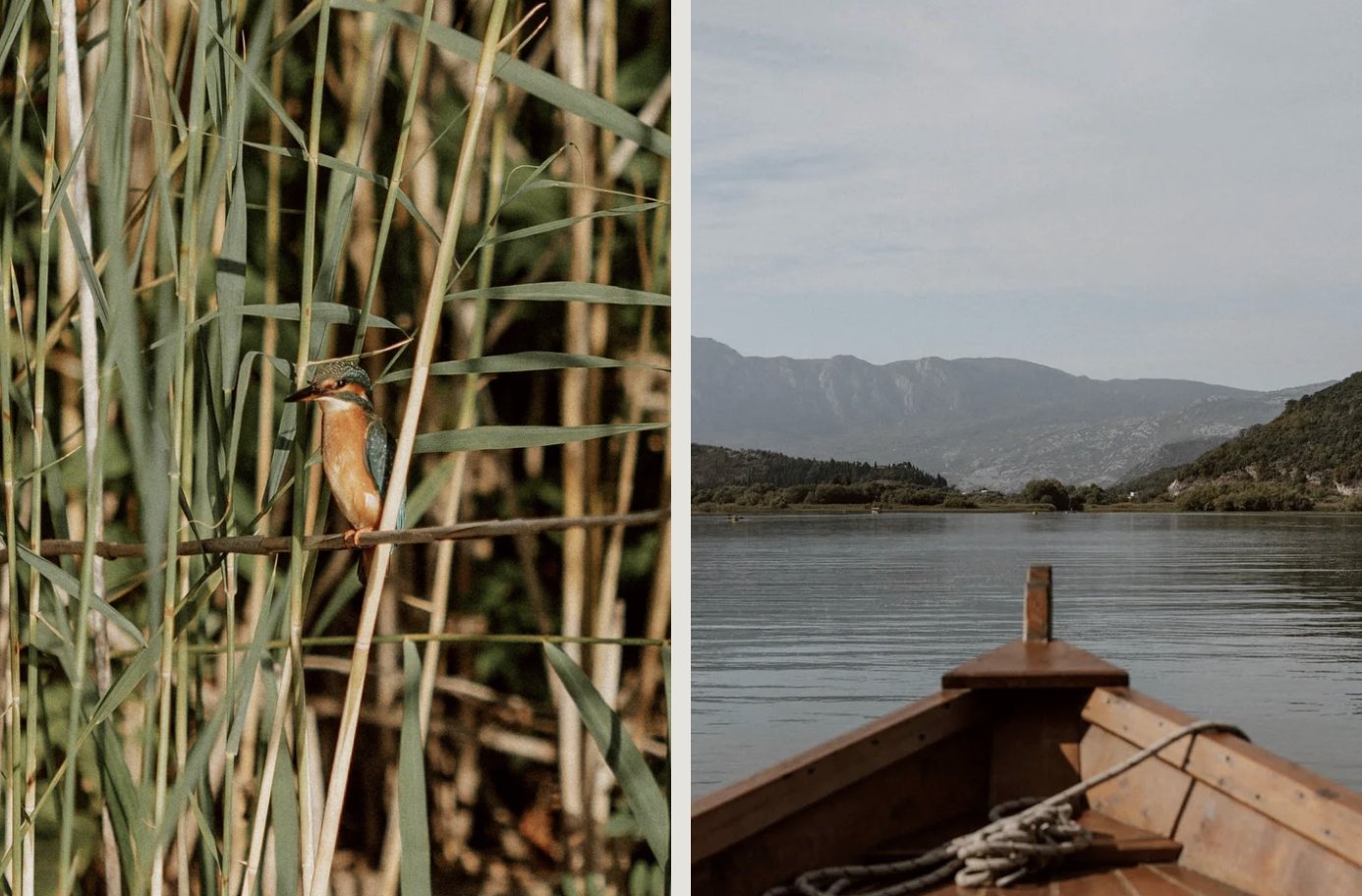
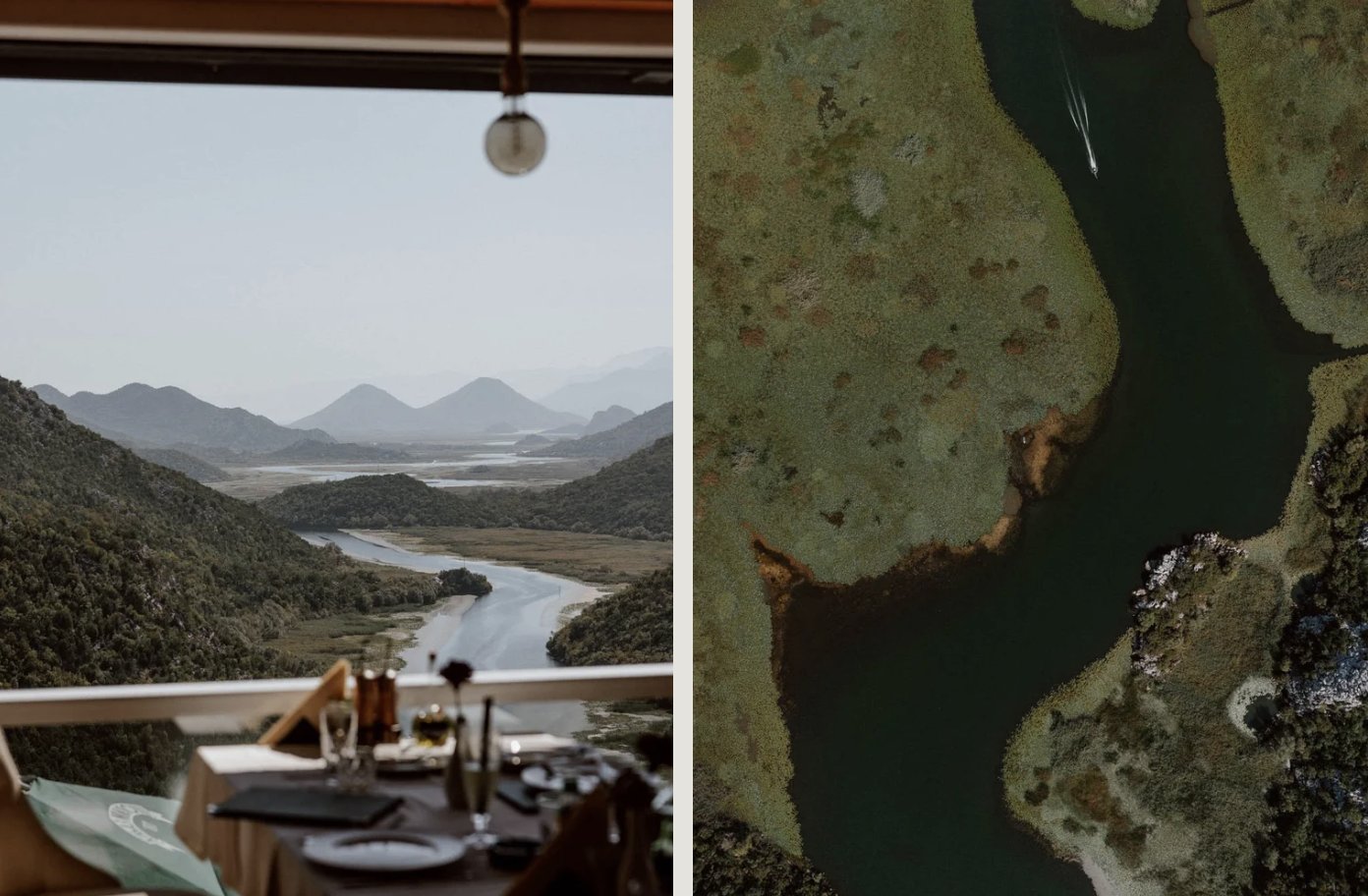
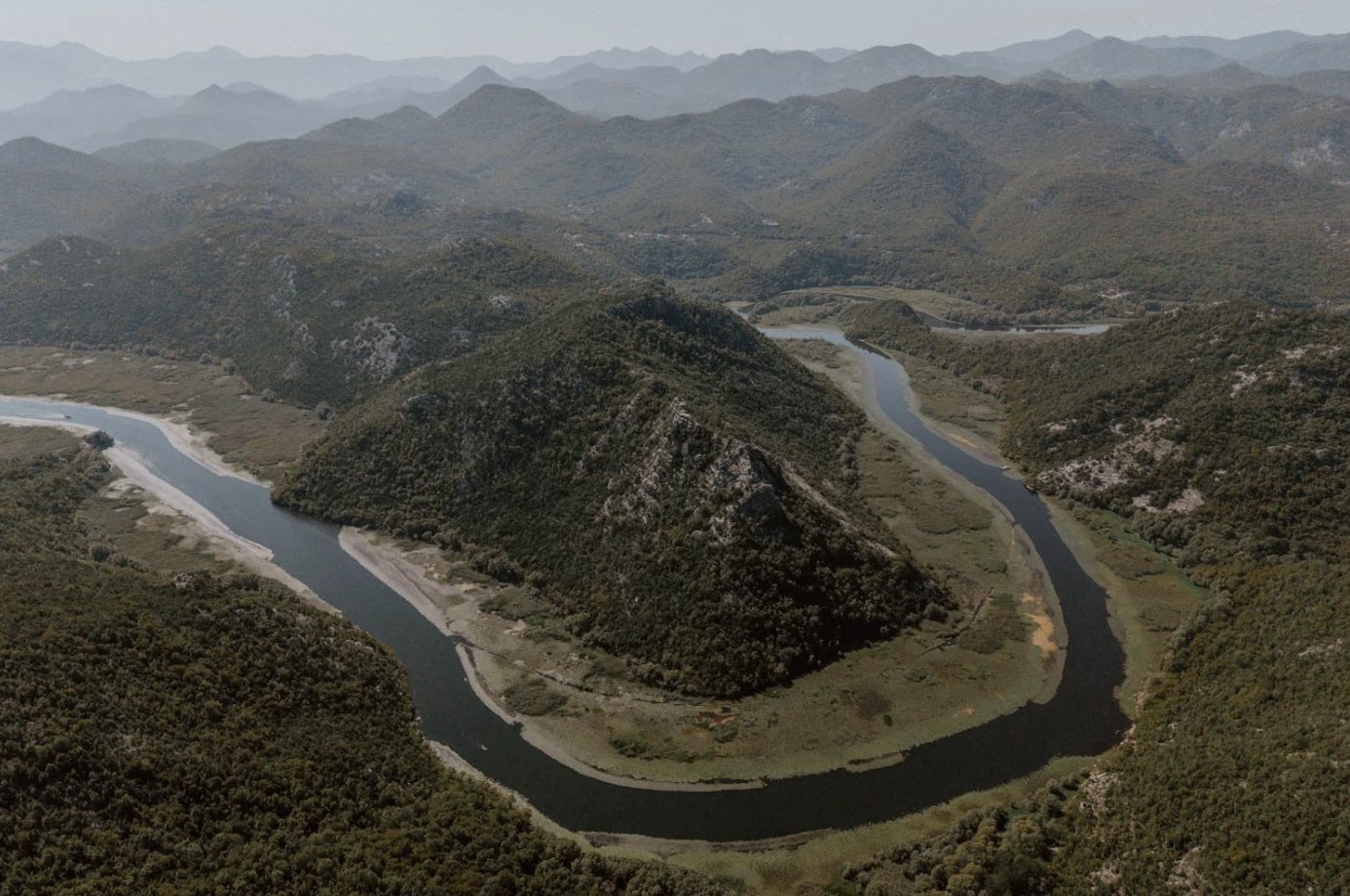
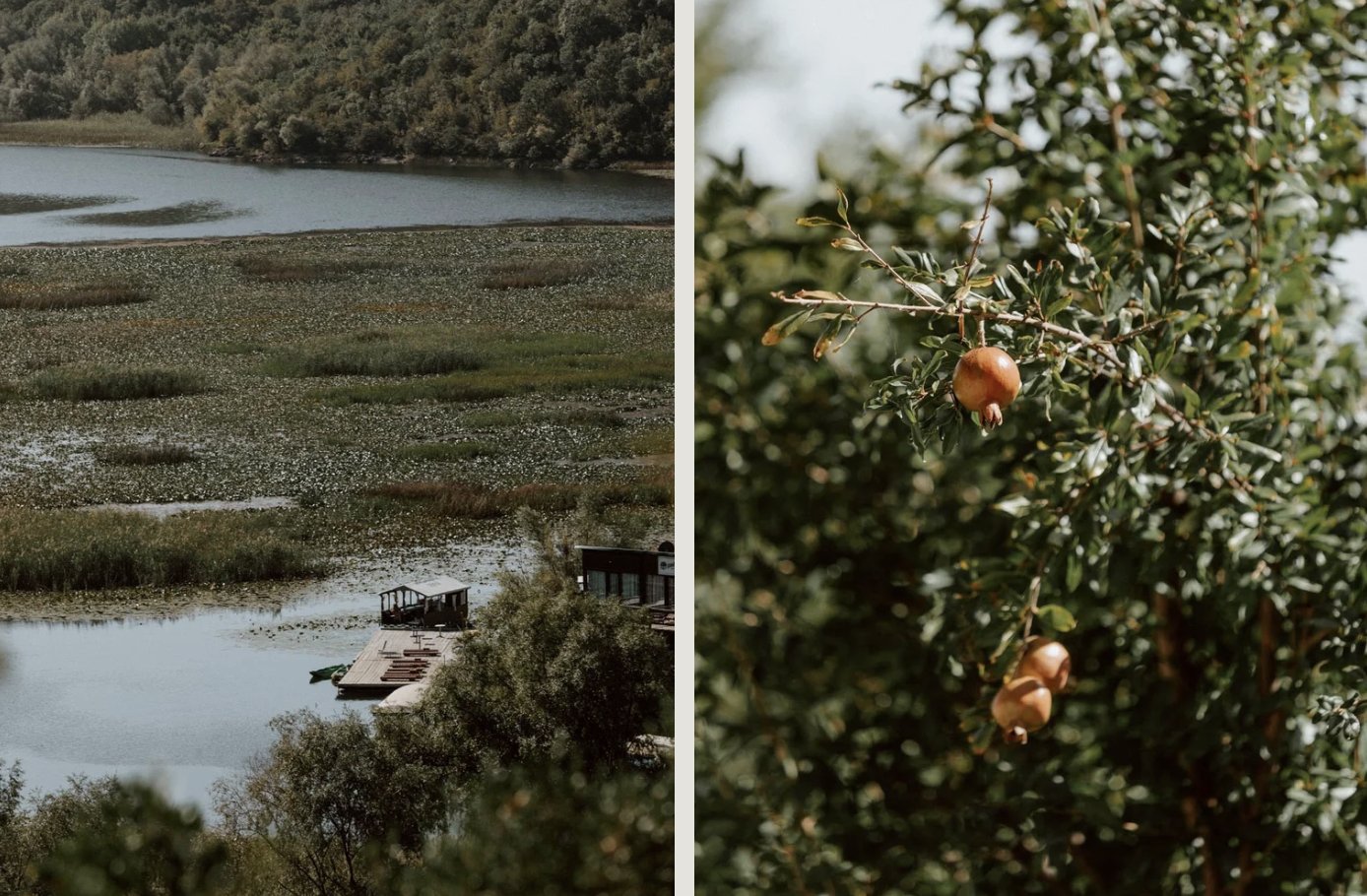
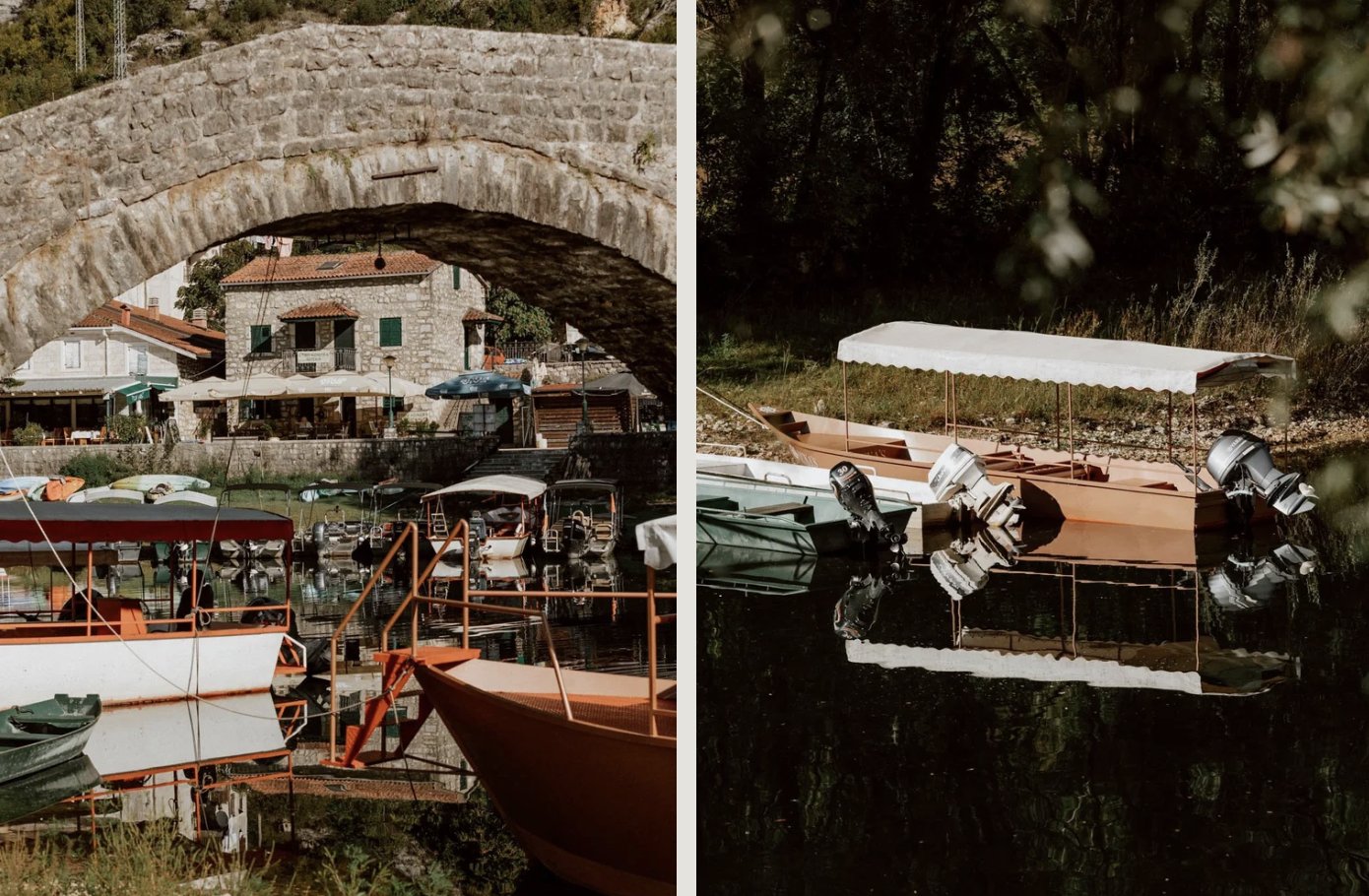
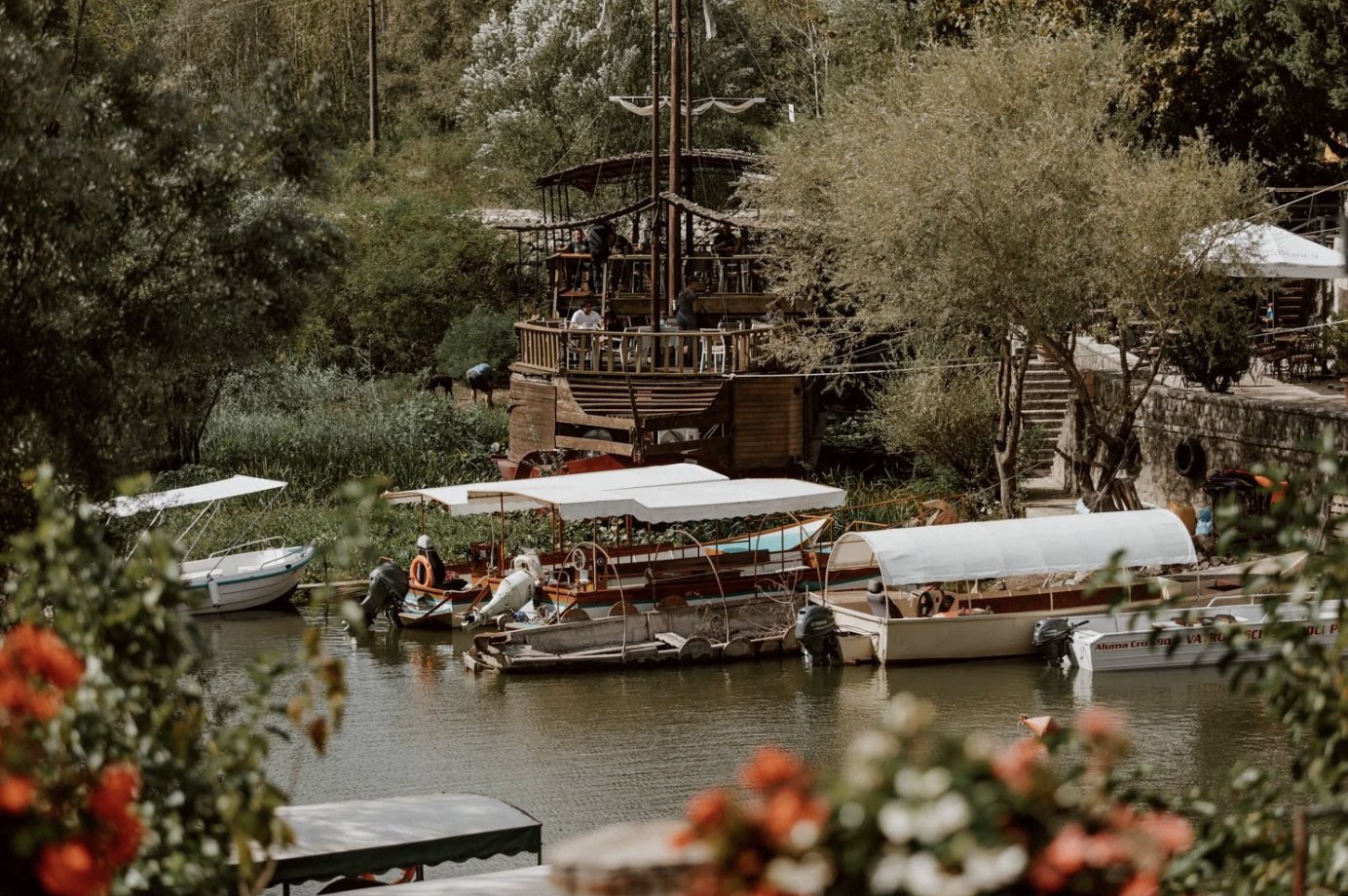
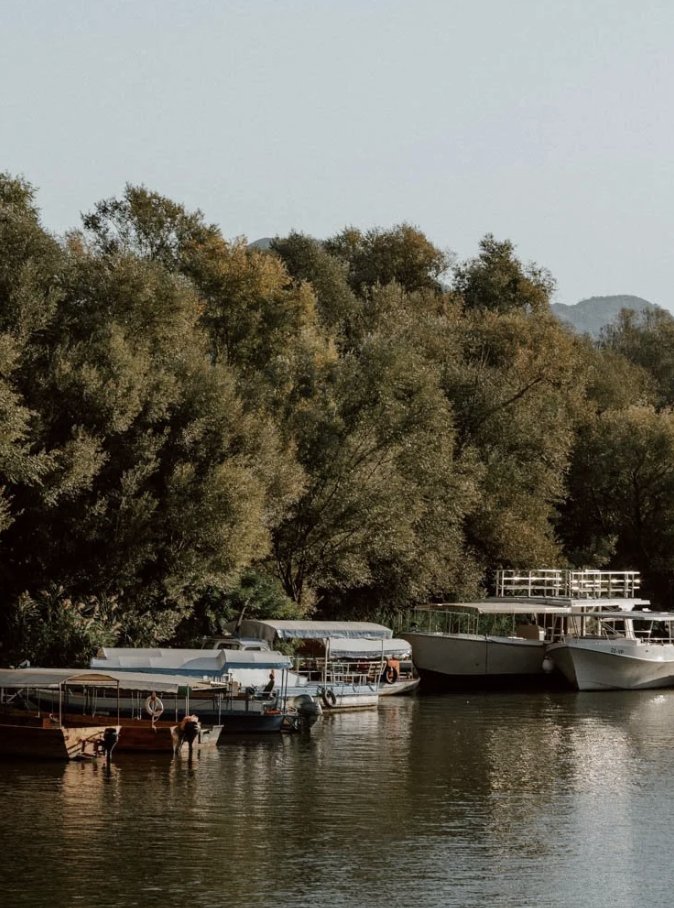
Lake Skadar is the Balkans’ largest lake and a protected wetland shared by Montenegro and Albania. Virpazar and Rijeka Crnojevića are the natural launch points for its reed beds, island monasteries and birdlife, while the old fortress at Besac overlooks Virpazar itself. Our Skadar Lake tour makes this a full day on the water rather than a quick stop between coastal towns.
Lipa Cave
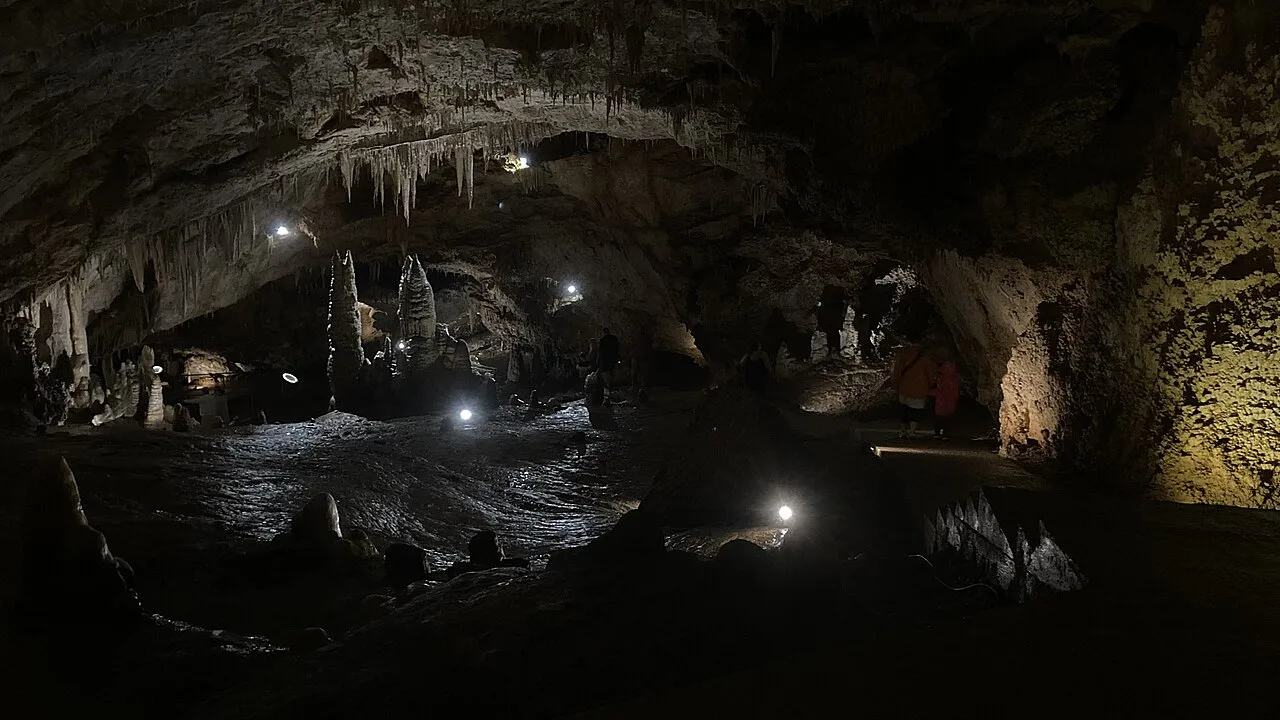
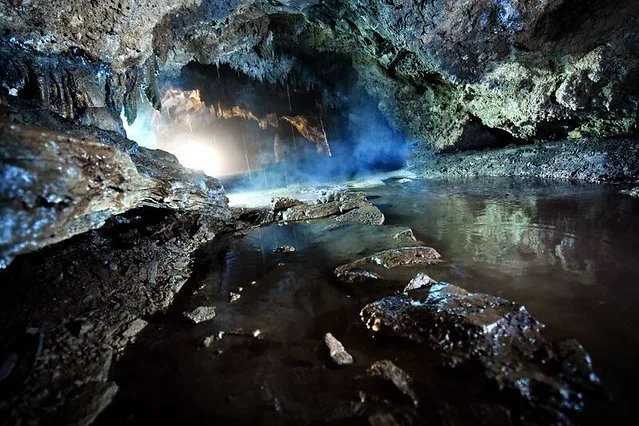
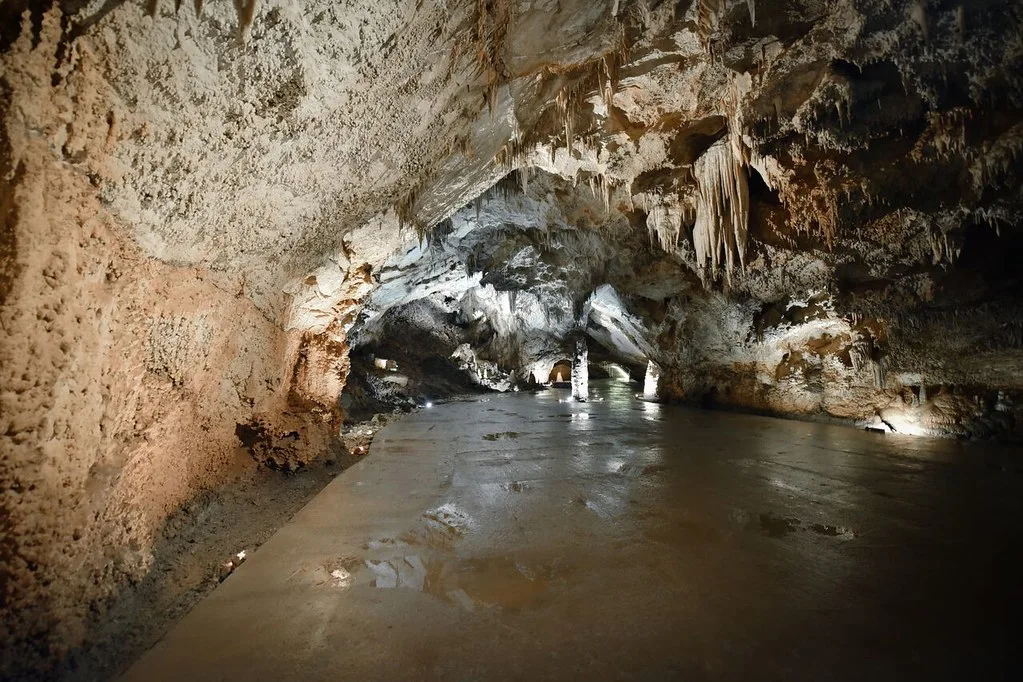
Lipa Cave near Cetinje is Montenegro’s first cave developed for regular guided visits, with chambers of dripstone formed over thousands of years. Its underground temperature stays around 10–12°C, creating a complete change of climate from the coast. The public route and seasonal timetable make it an easy cultural-natural stop beside the old capital.
Lovćen: the stairs and Njegoš Mausoleum
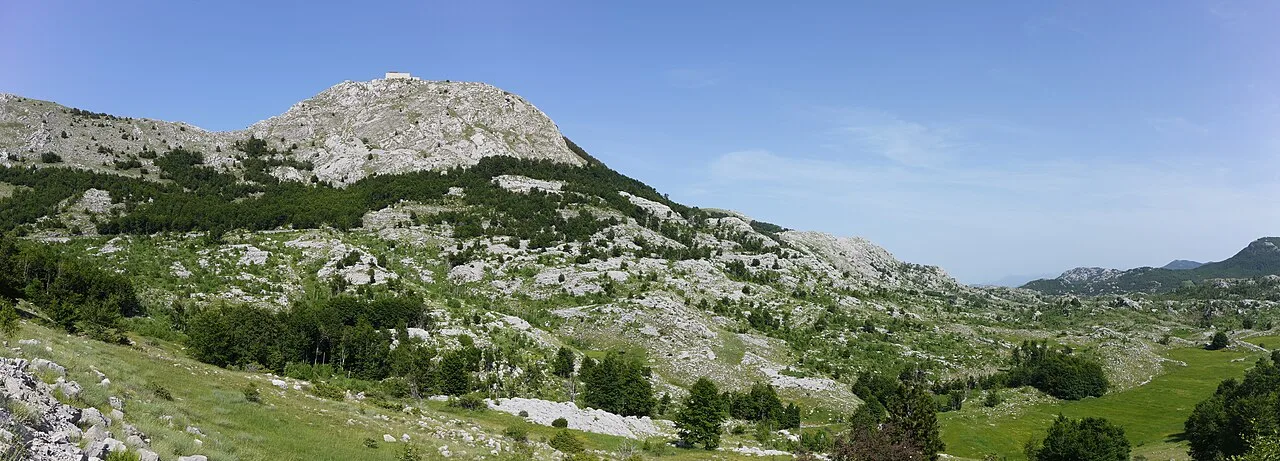
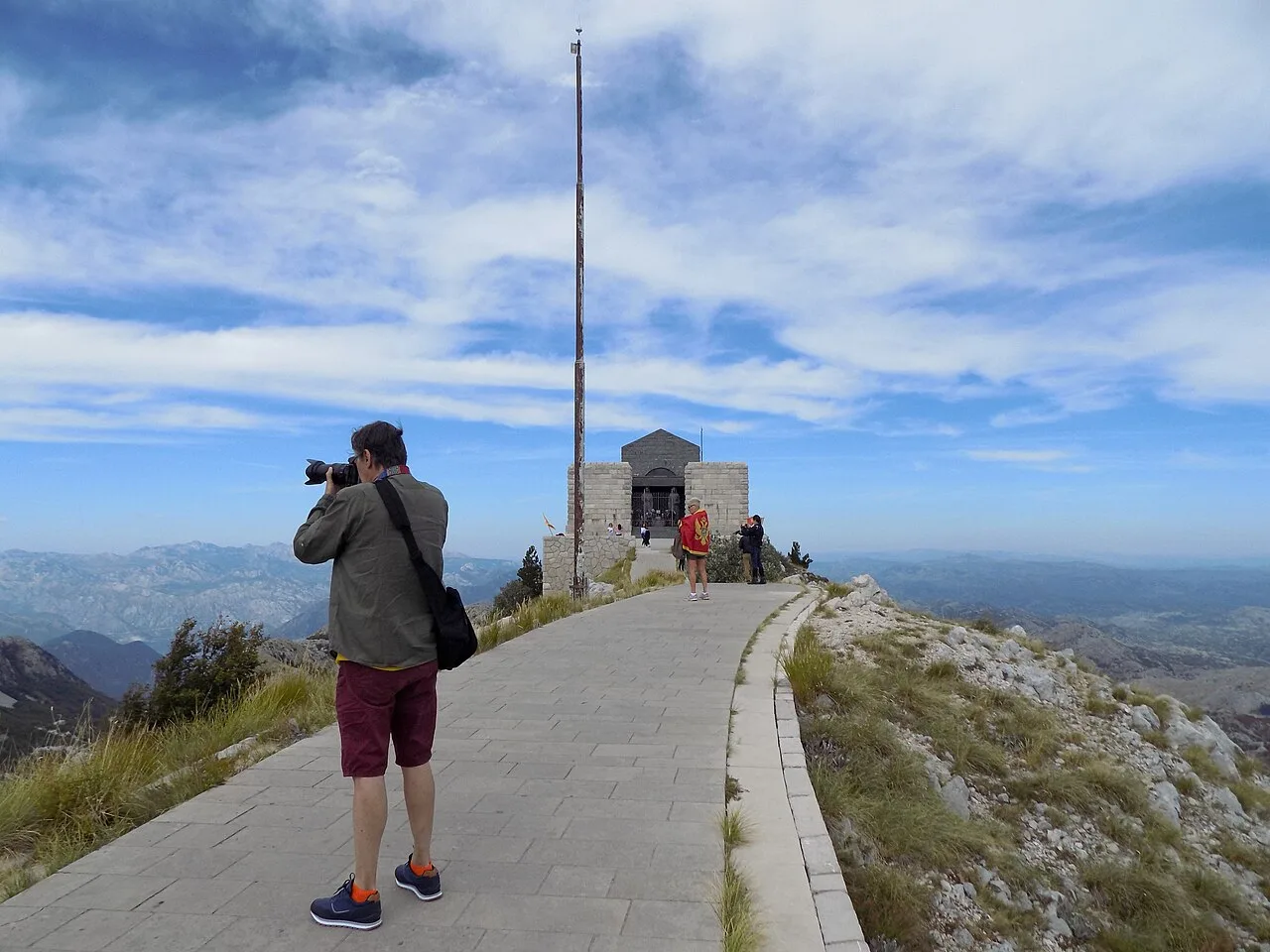
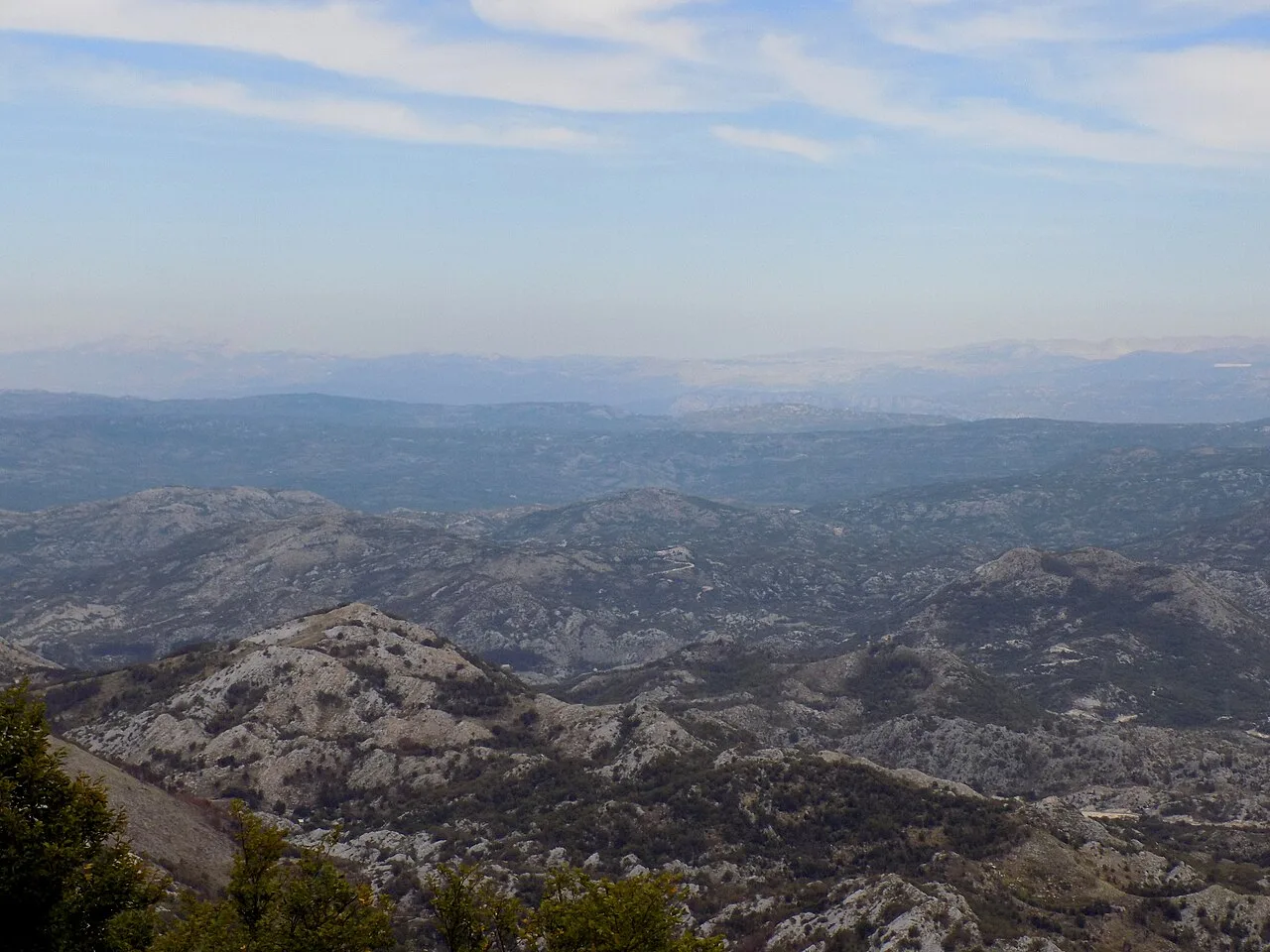
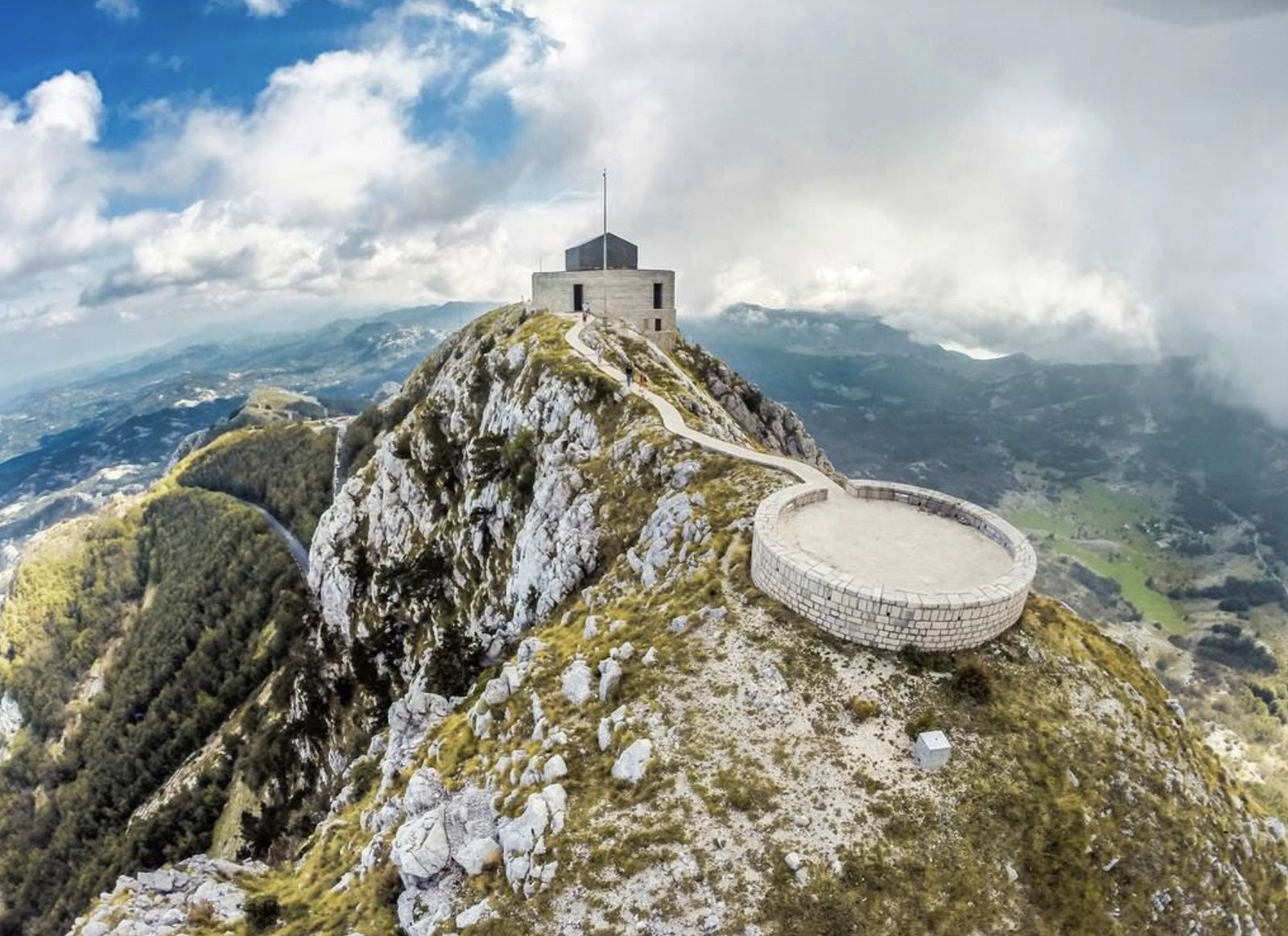
The Njegoš Mausoleum stands on Jezerski Vrh at 1,660 metres, one of Montenegro’s defining high viewpoints. A 461-step tunnel leads through the mountain to the monument, designed by Ivan Meštrović and dedicated to the poet-ruler Petar II Petrović-Njegoš. The view joins the old royal capital below with the Bay of Kotor and the mountainous interior.
Cetinje
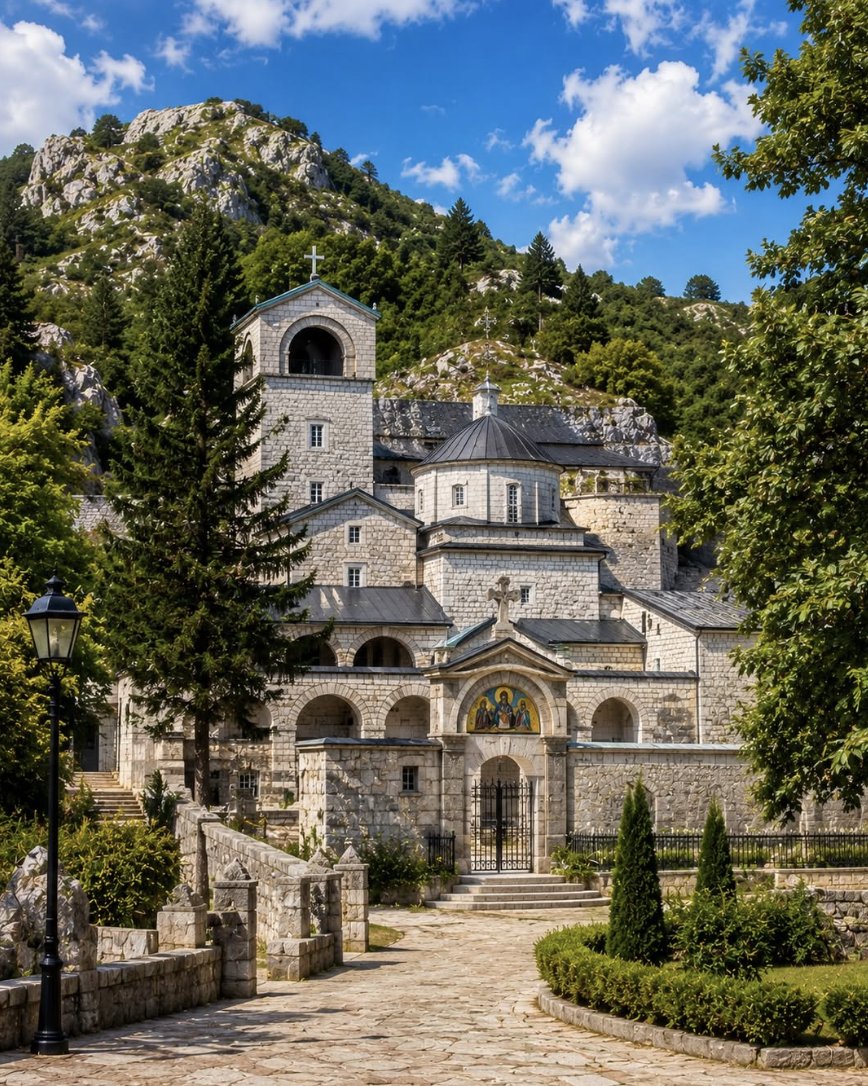
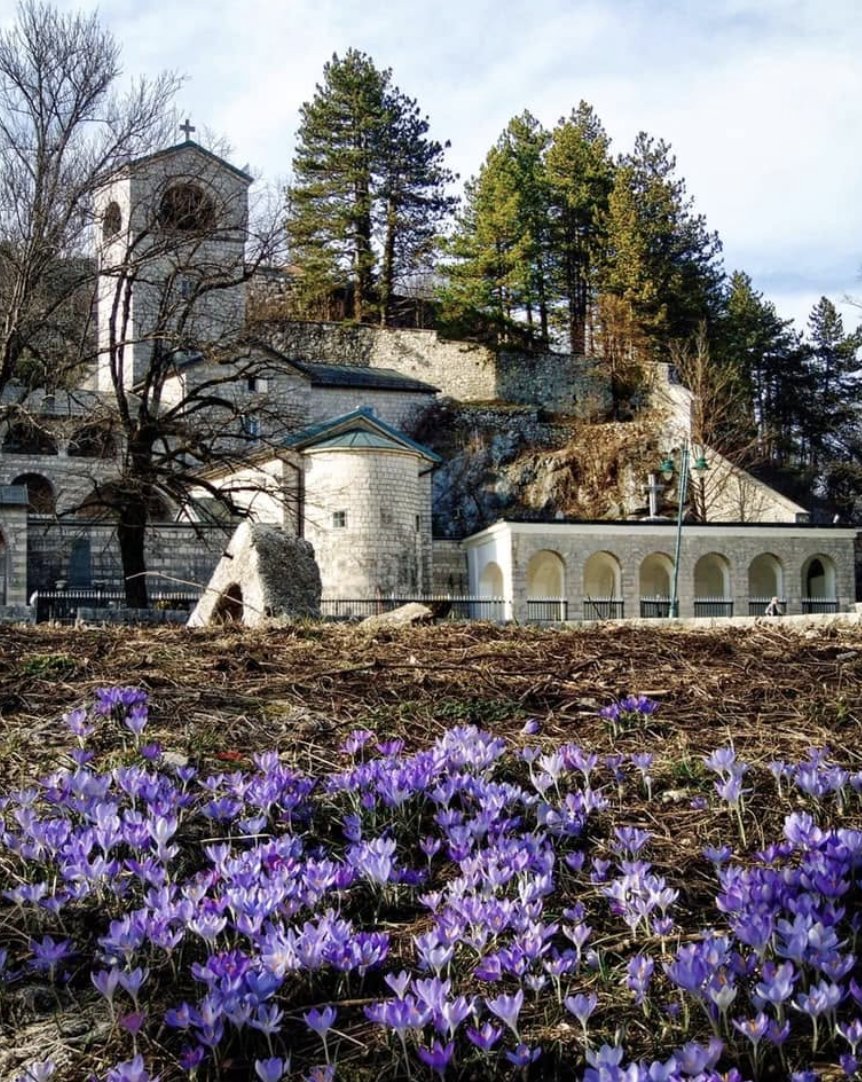
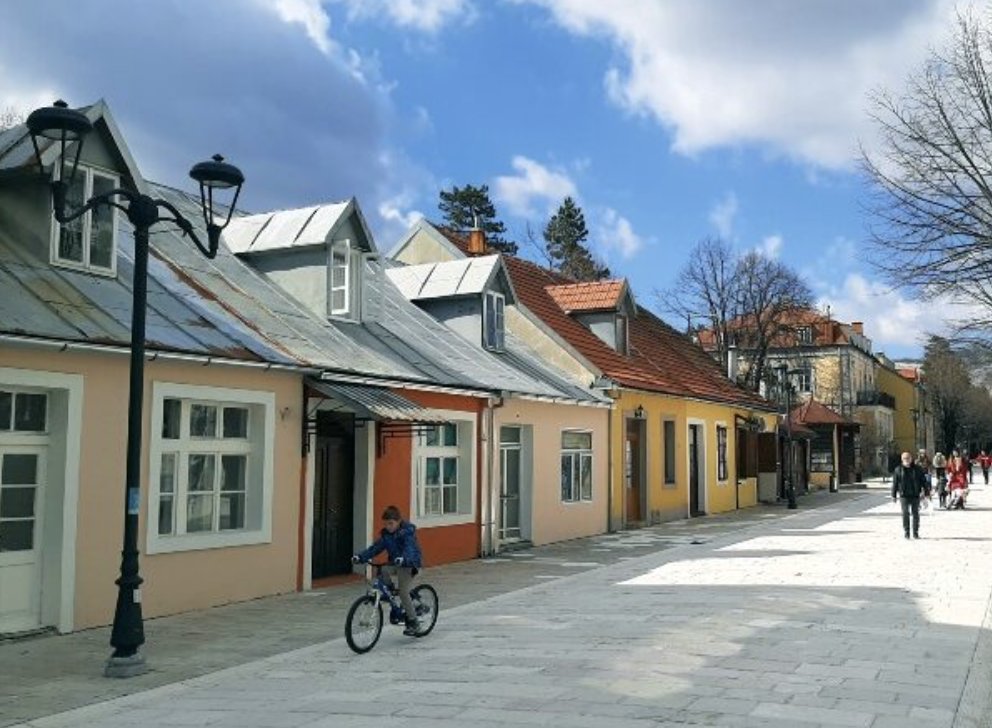
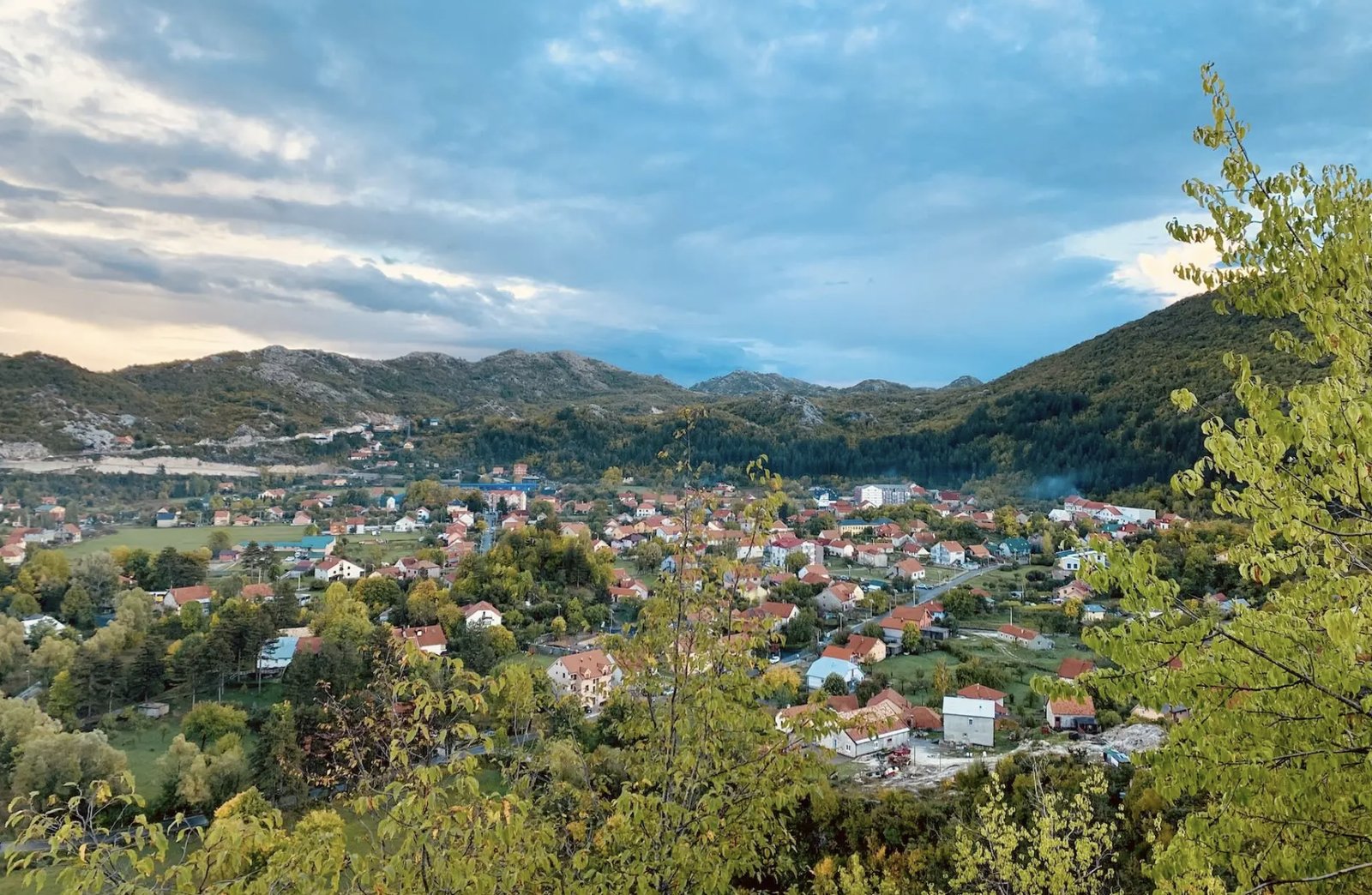
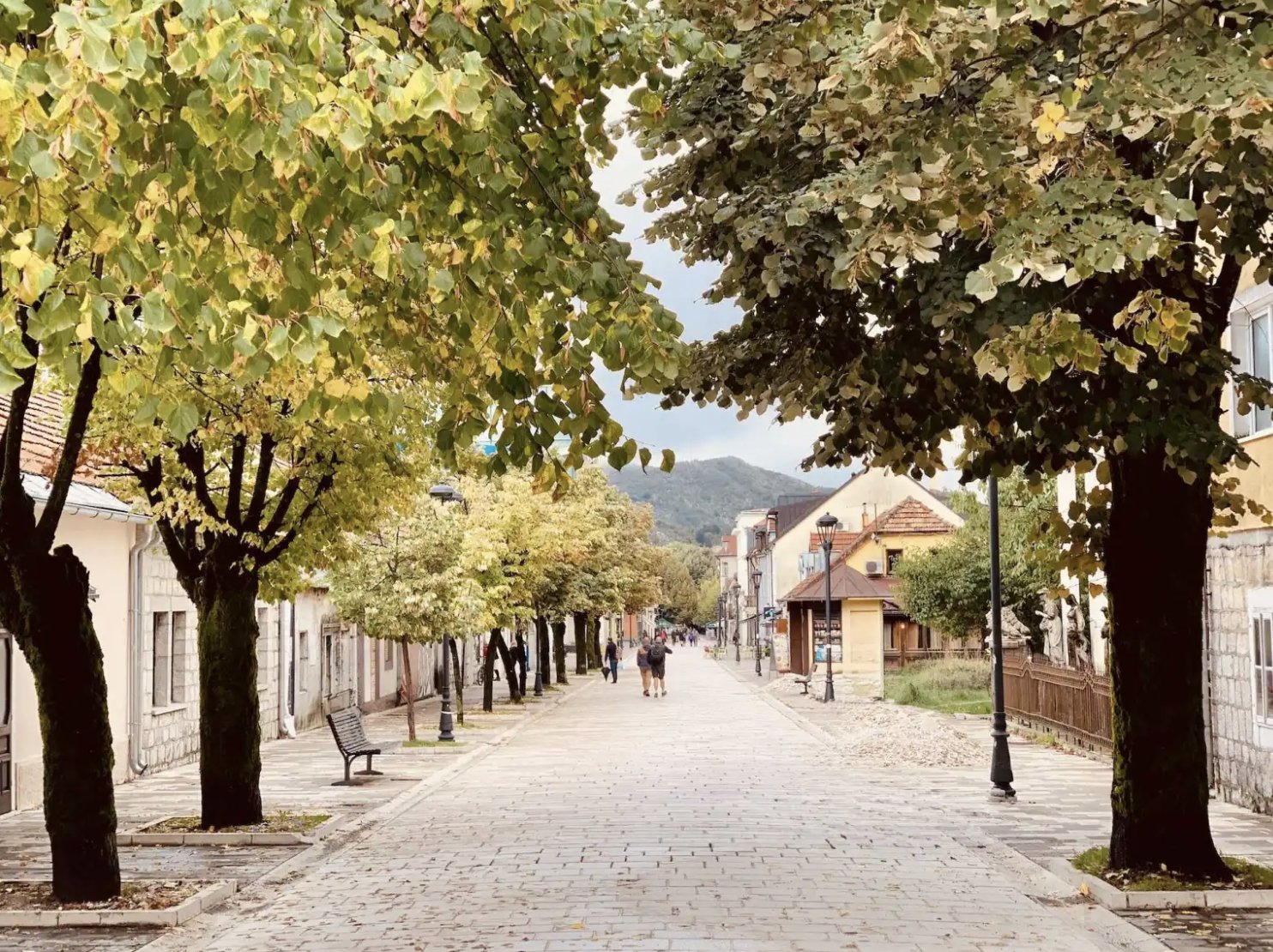
Montenegro’s former royal capital has museums, historic diplomatic residences and the Cetinje Monastery. King Nikola's Museum occupies the former royal palace. Combine the town with nearby Lipa Cave, but check both opening schedules before setting out.
Herceg Novi
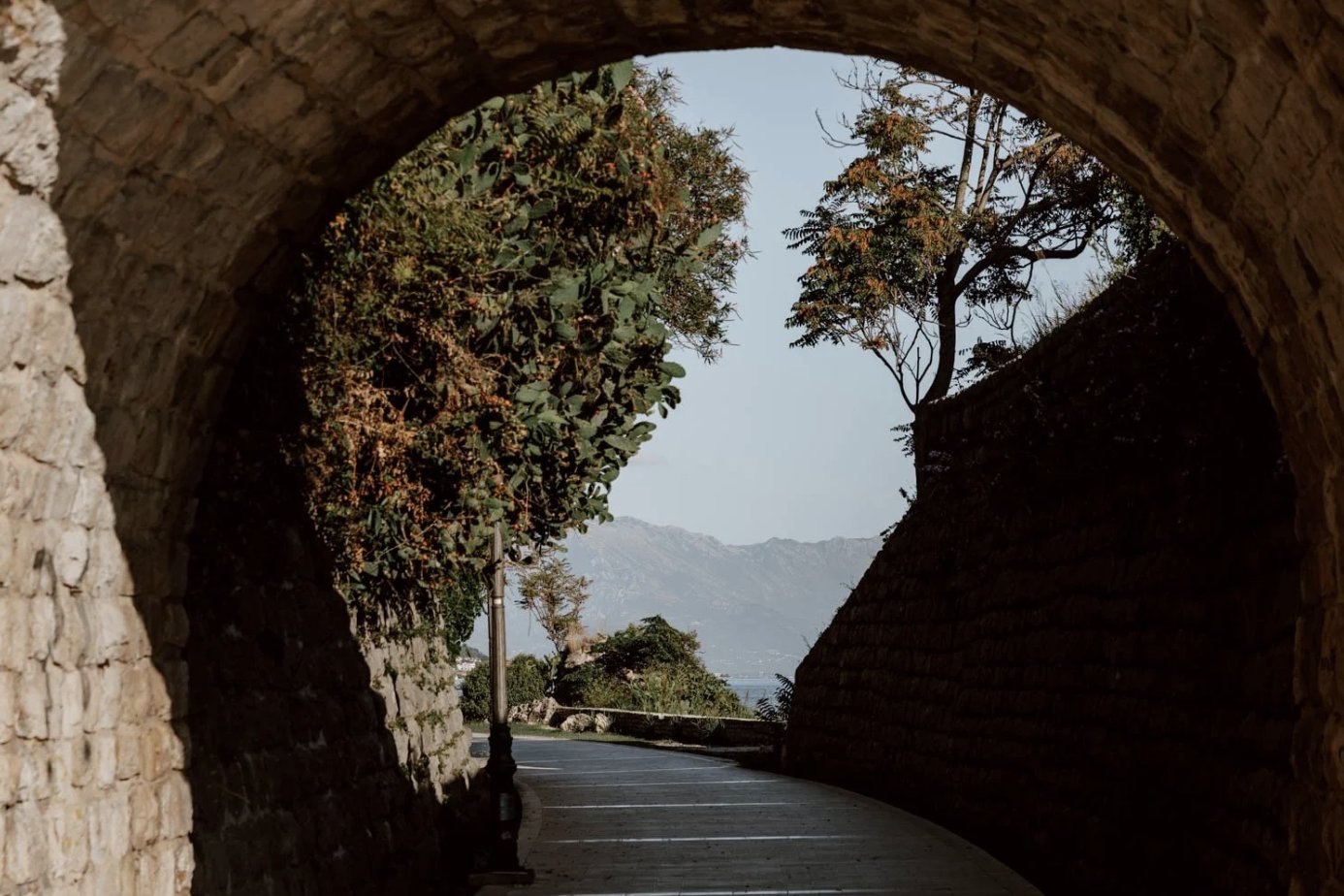
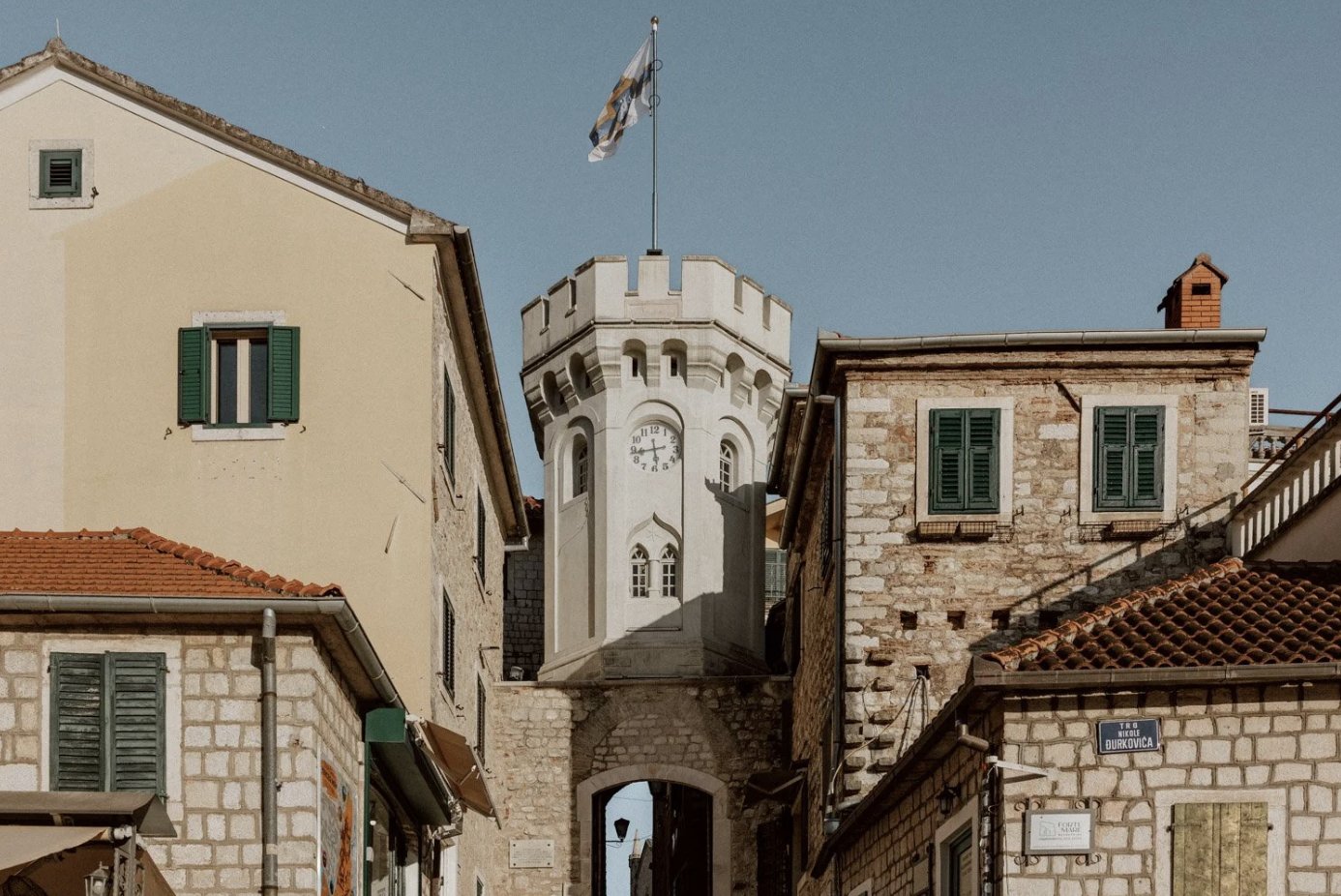
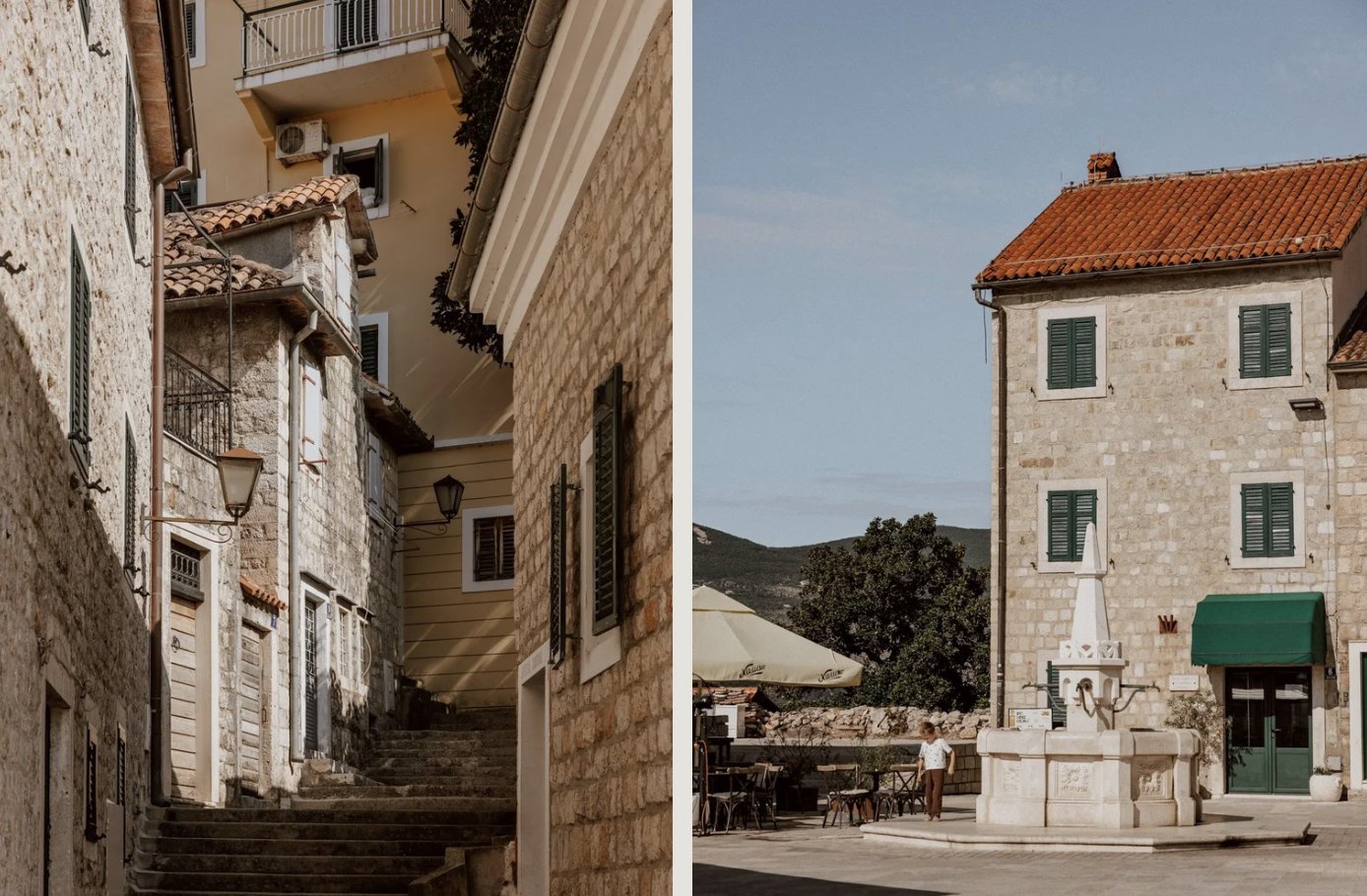
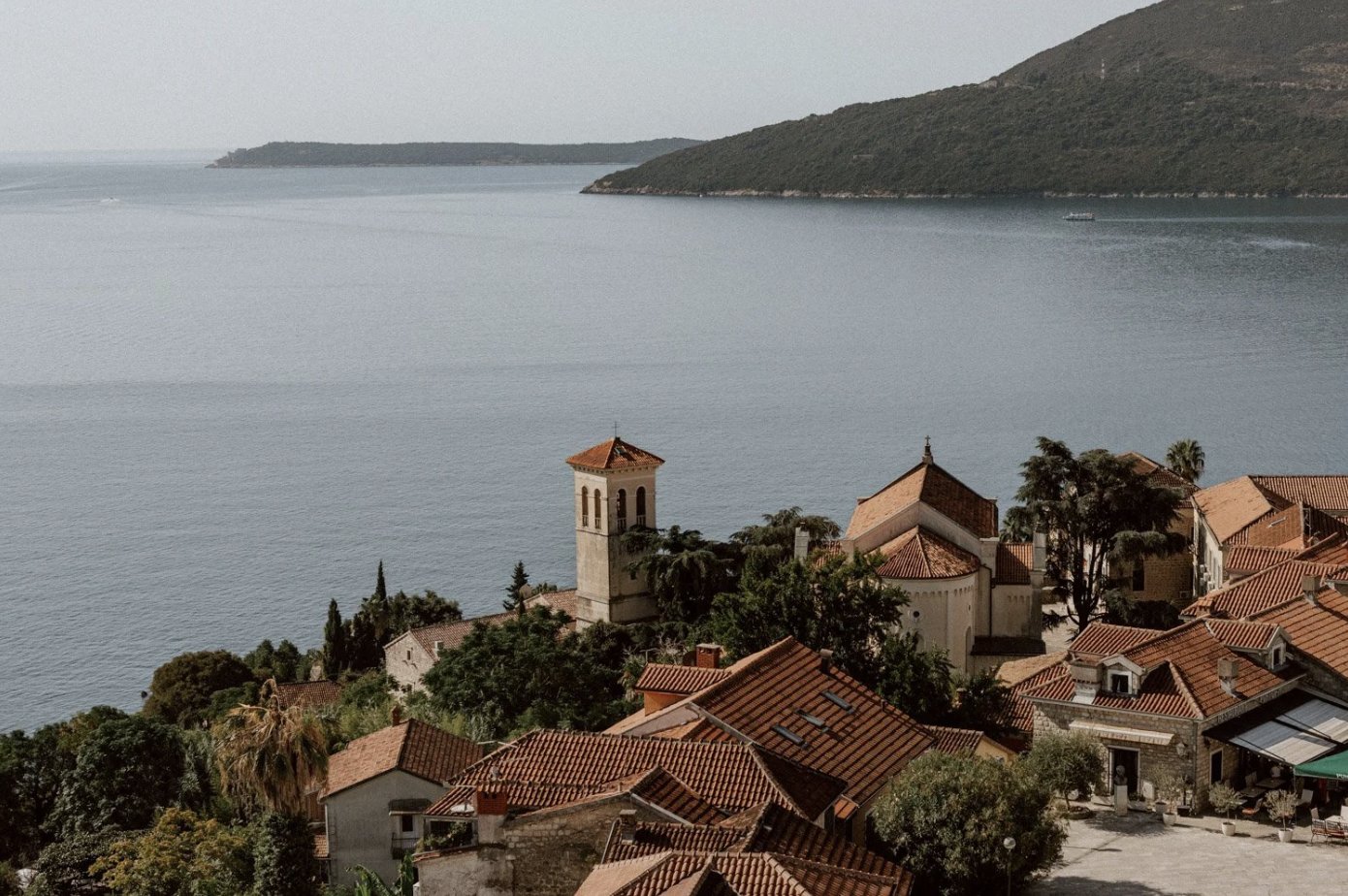
Herceg Novi’s hillside old town connects stone squares and historic fortifications with the waterfront by a network of stairways. Forte Mare and Kanli Kula are two of the fortresses to look for. Plan your walk around the stairs, especially if anyone in your group has limited mobility.
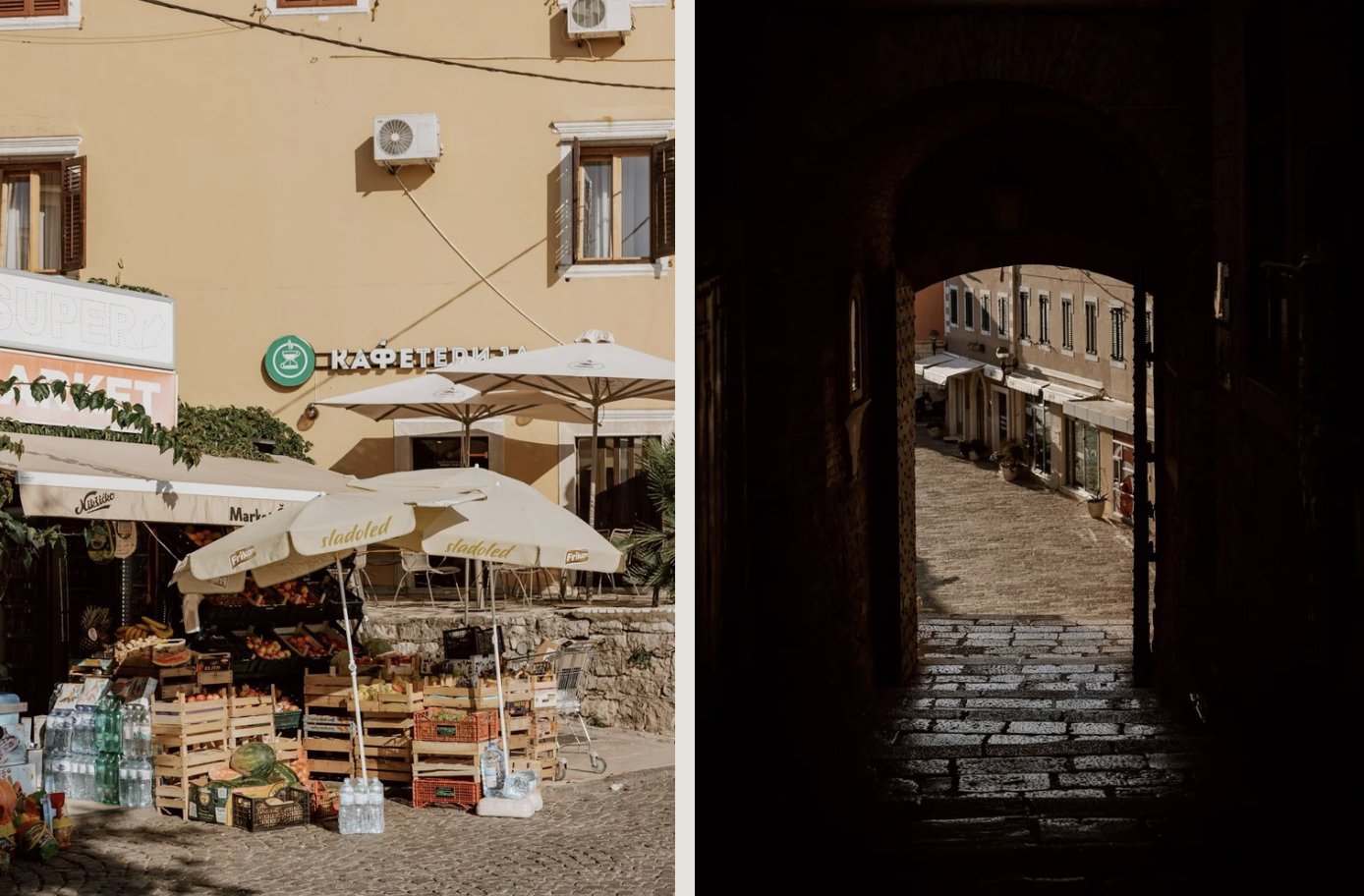
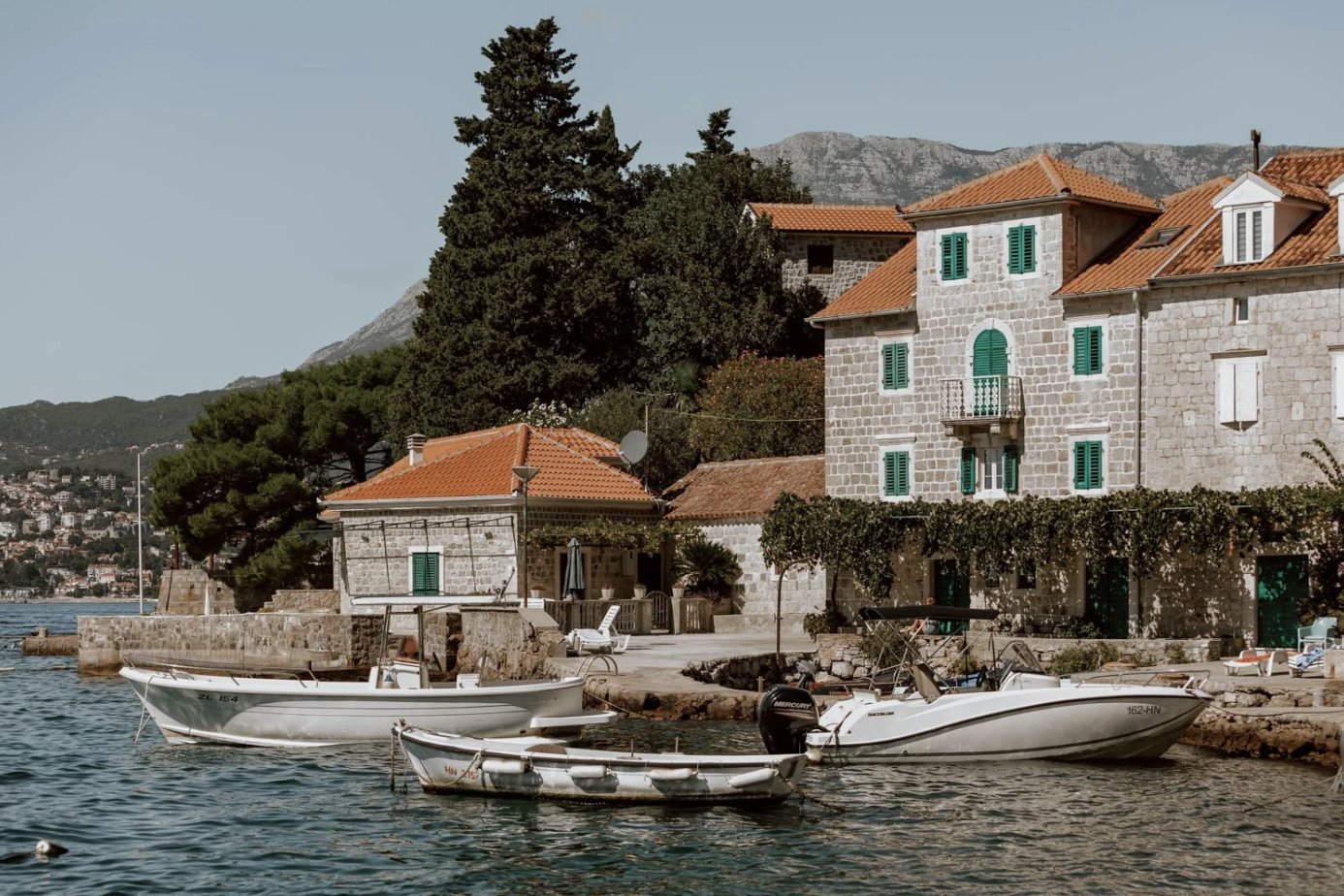
Tivat and the stone houses of Gornja Lastva
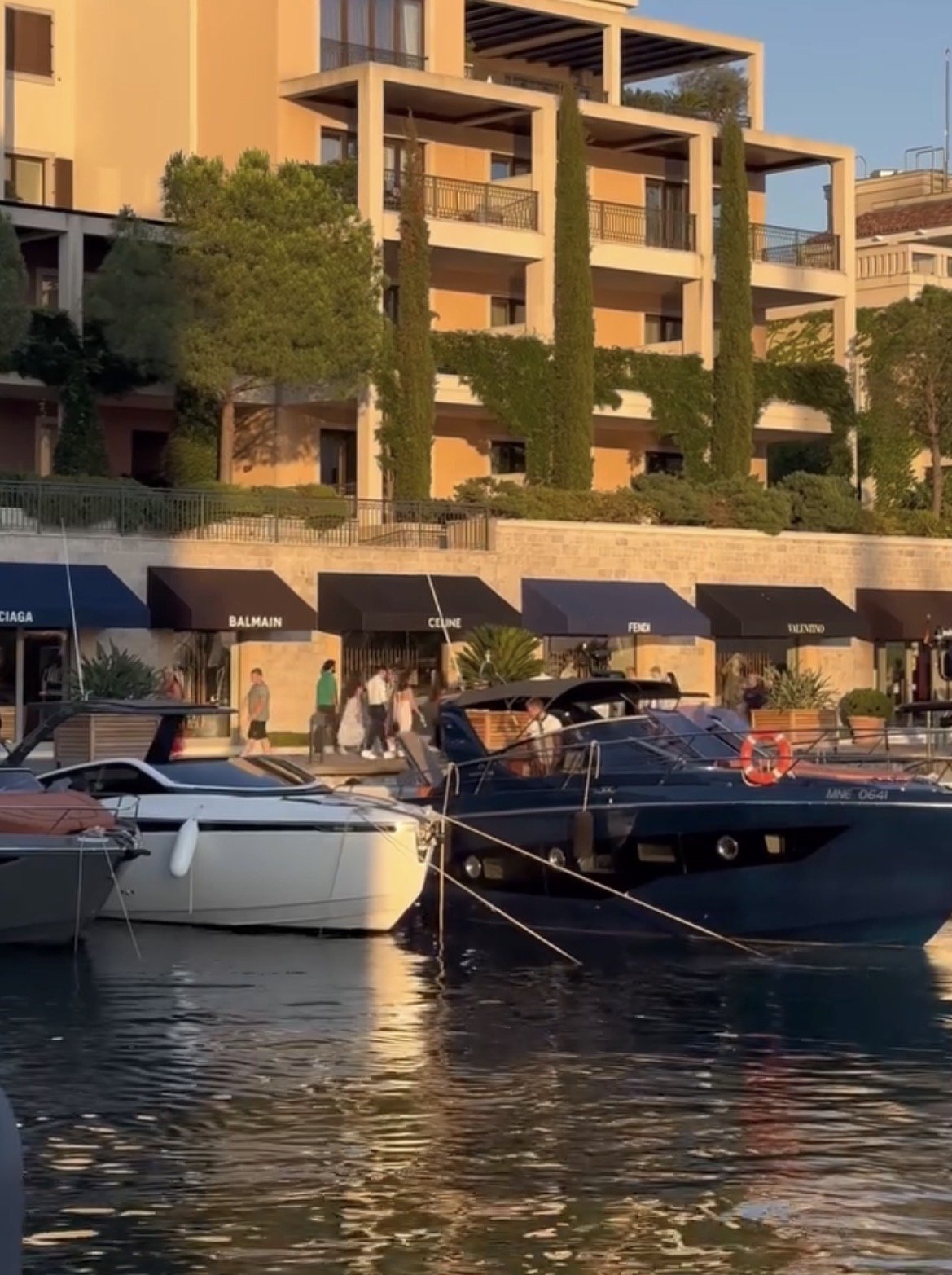
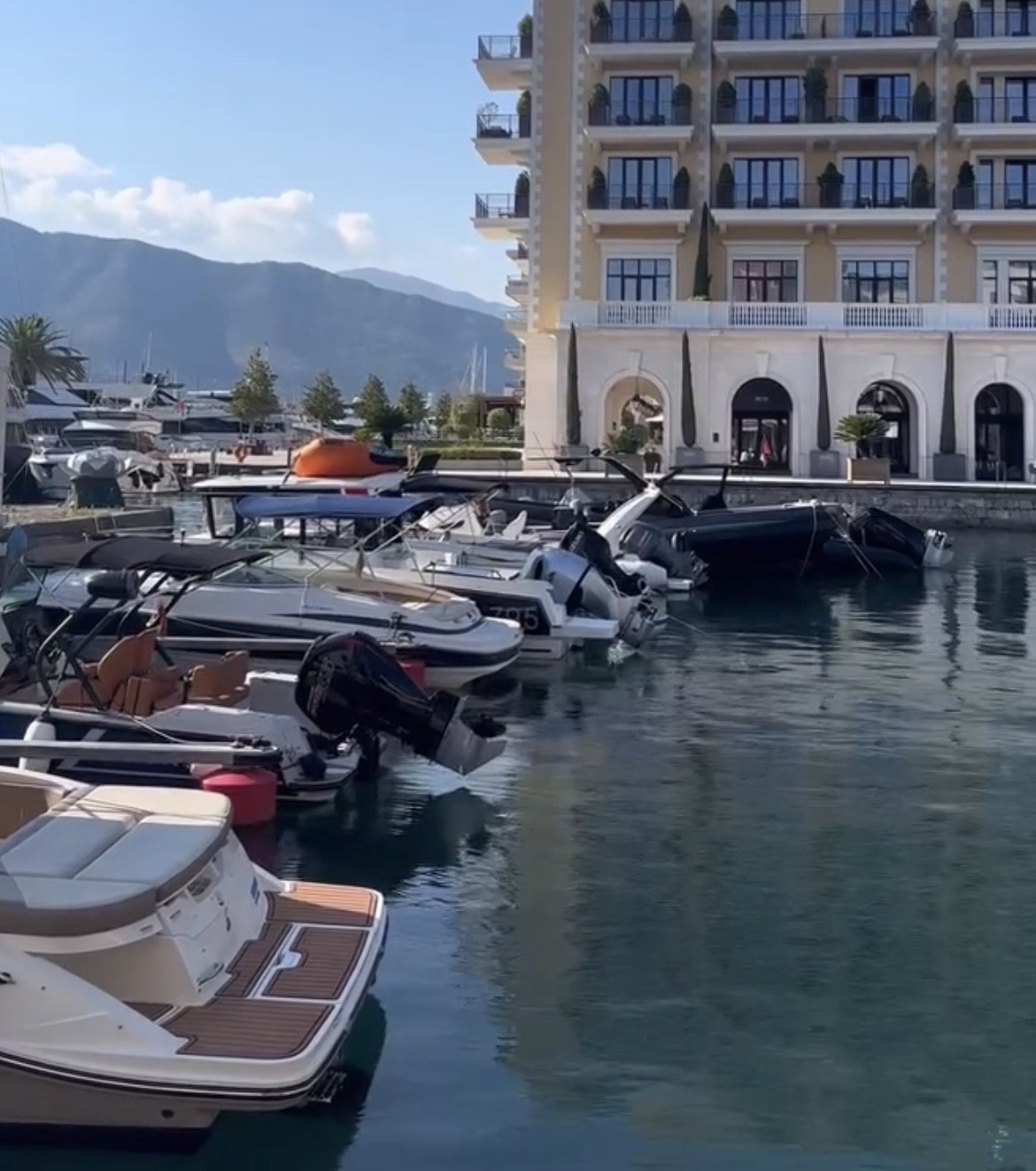
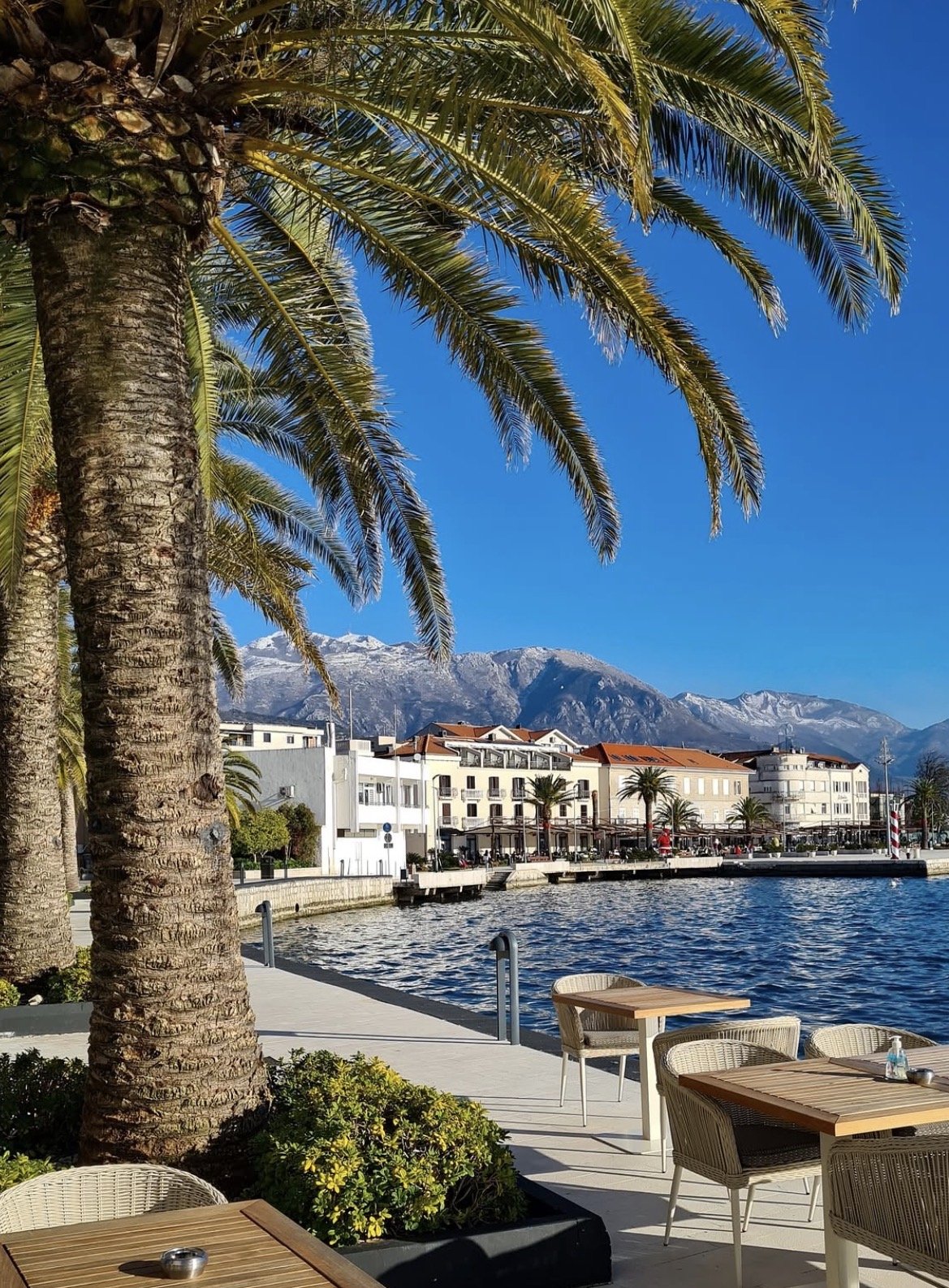
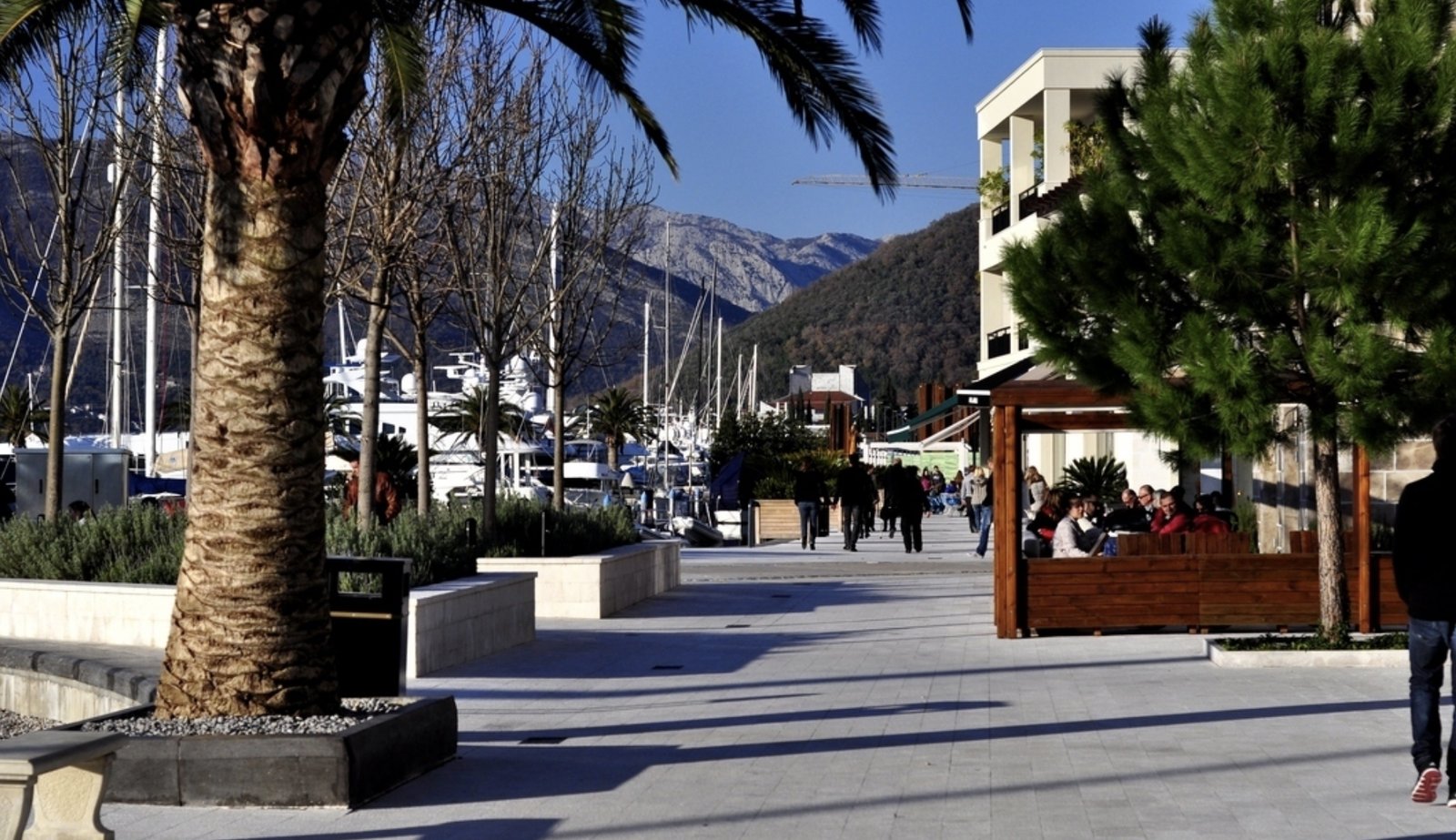
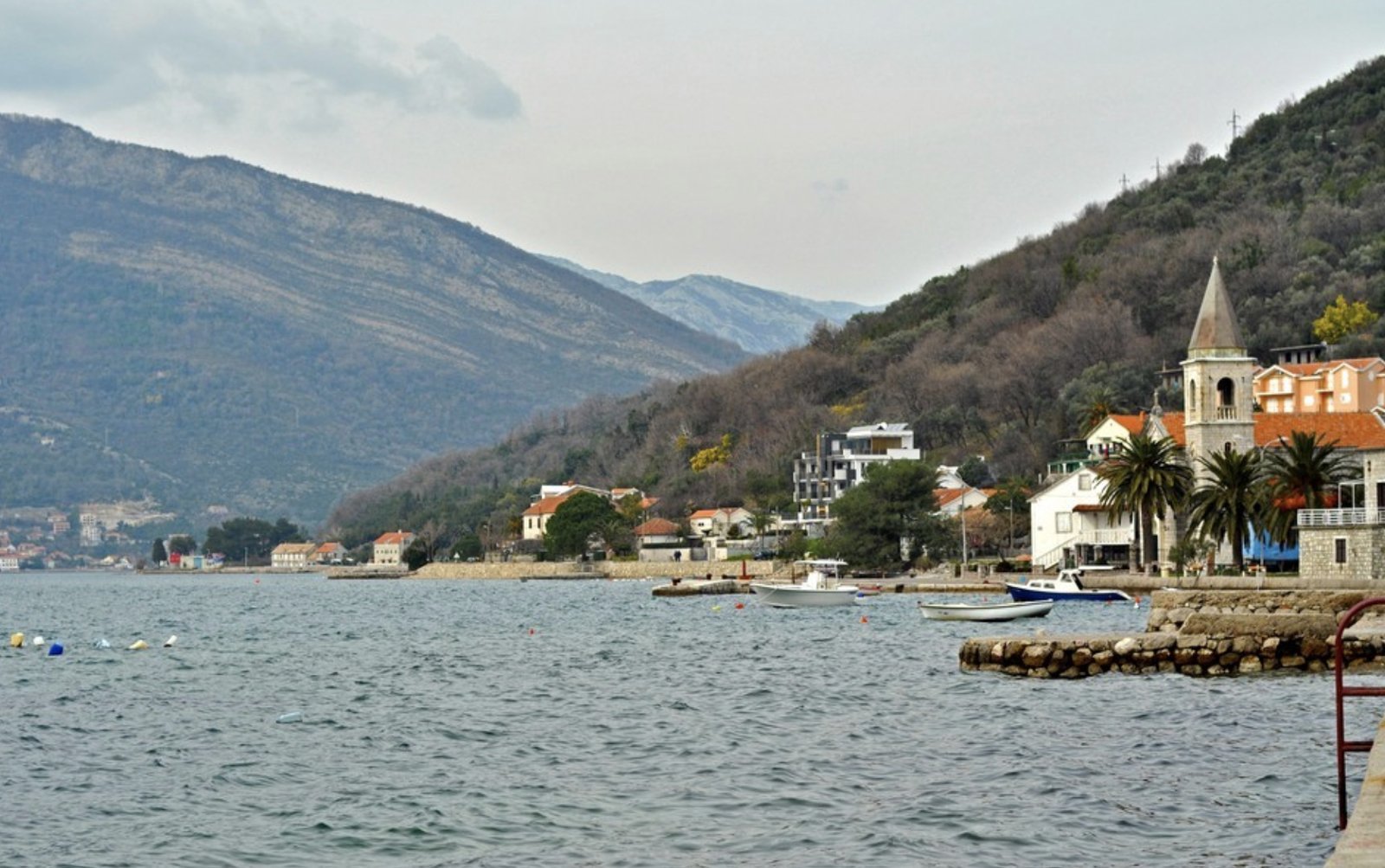
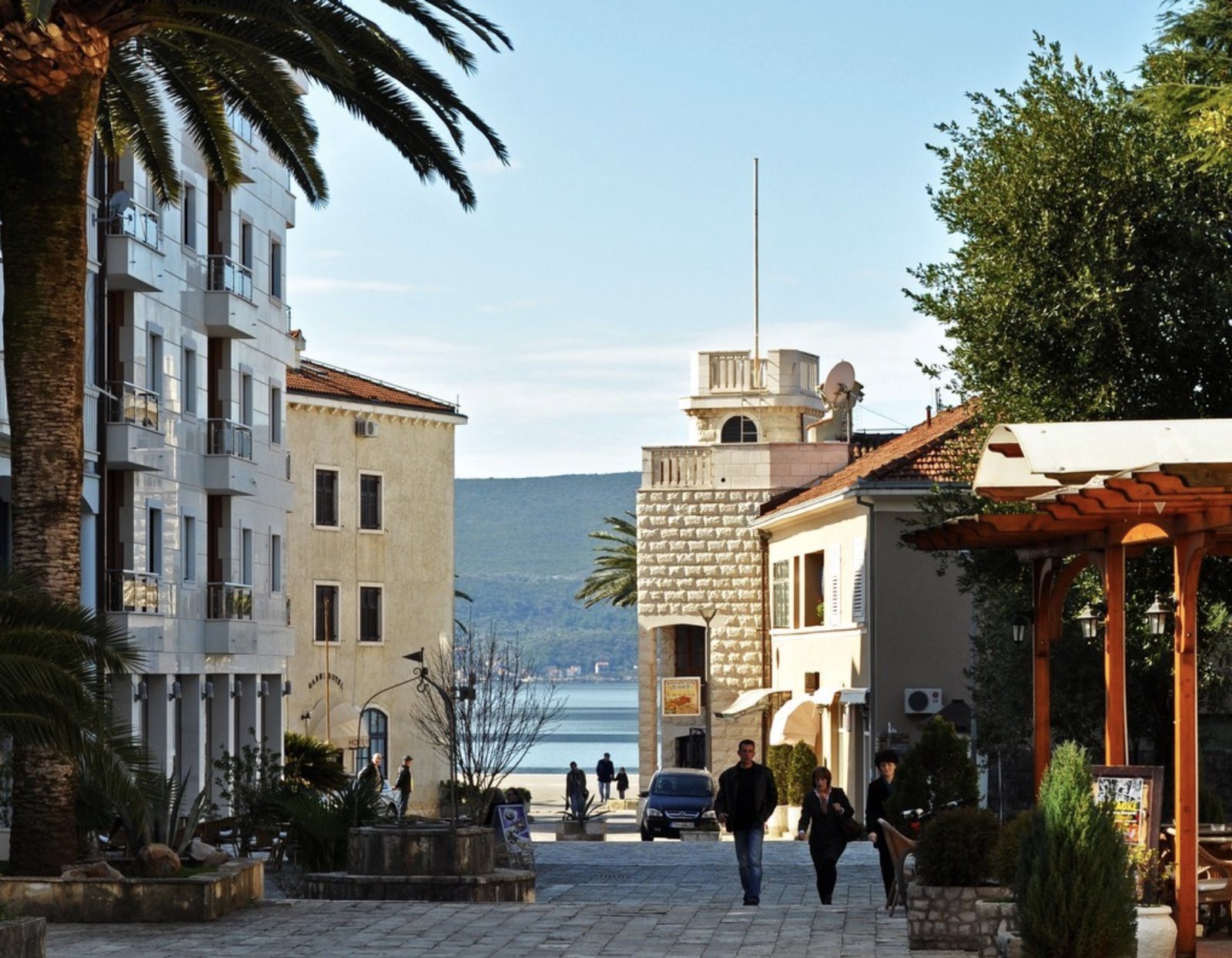
Gornja Lastva is an old stone village on the Vrmac slope above Tivat, with a church first recorded in 1410 and a nineteenth-century olive mill. It offers the older Bay of Kotor atmosphere that the marina cannot provide: narrow paths, terraced slopes and direct views across the water. Tivat’s waterfront then makes a useful contrast between historic village life and the modern bay.
Kotor
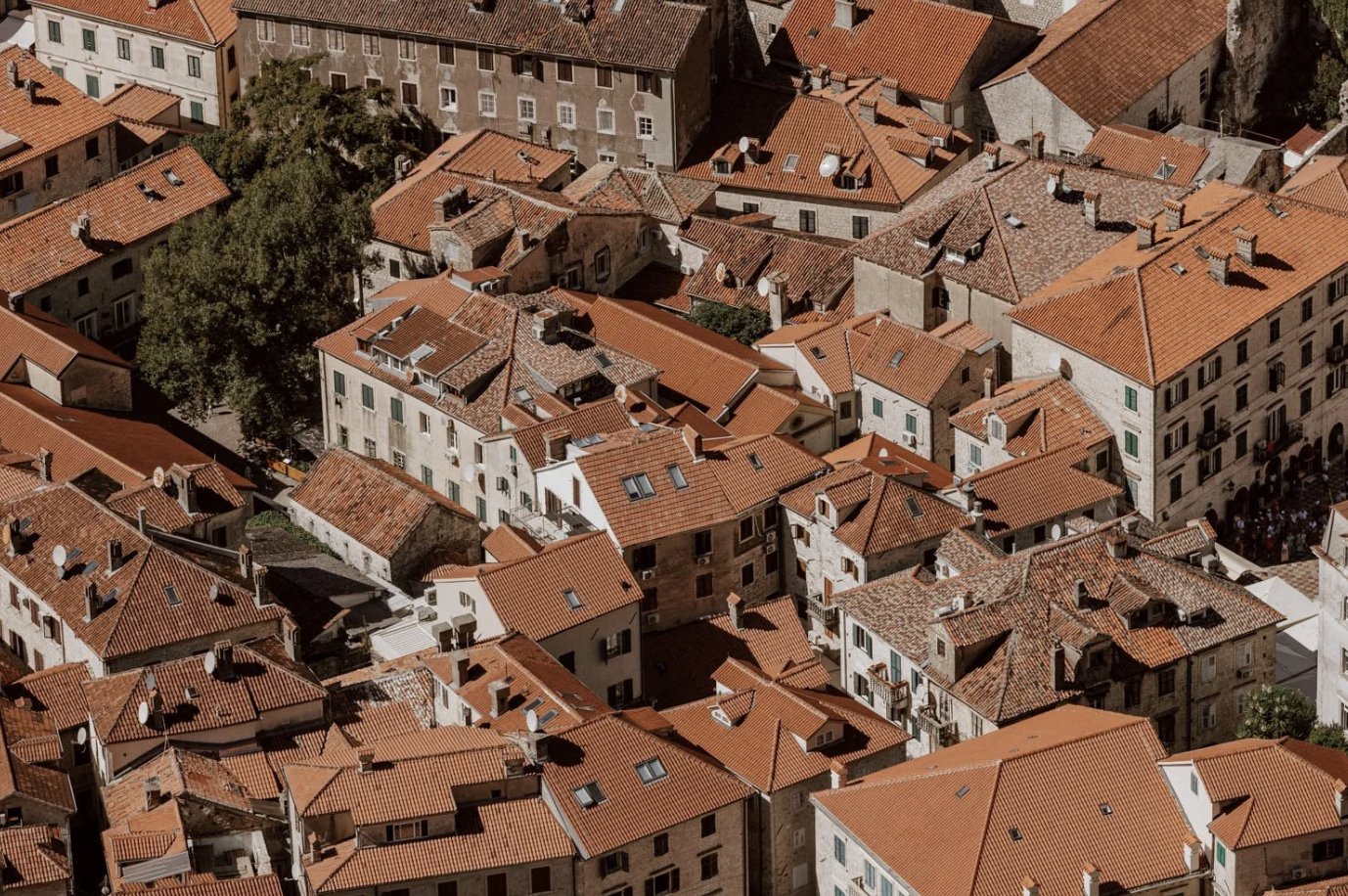
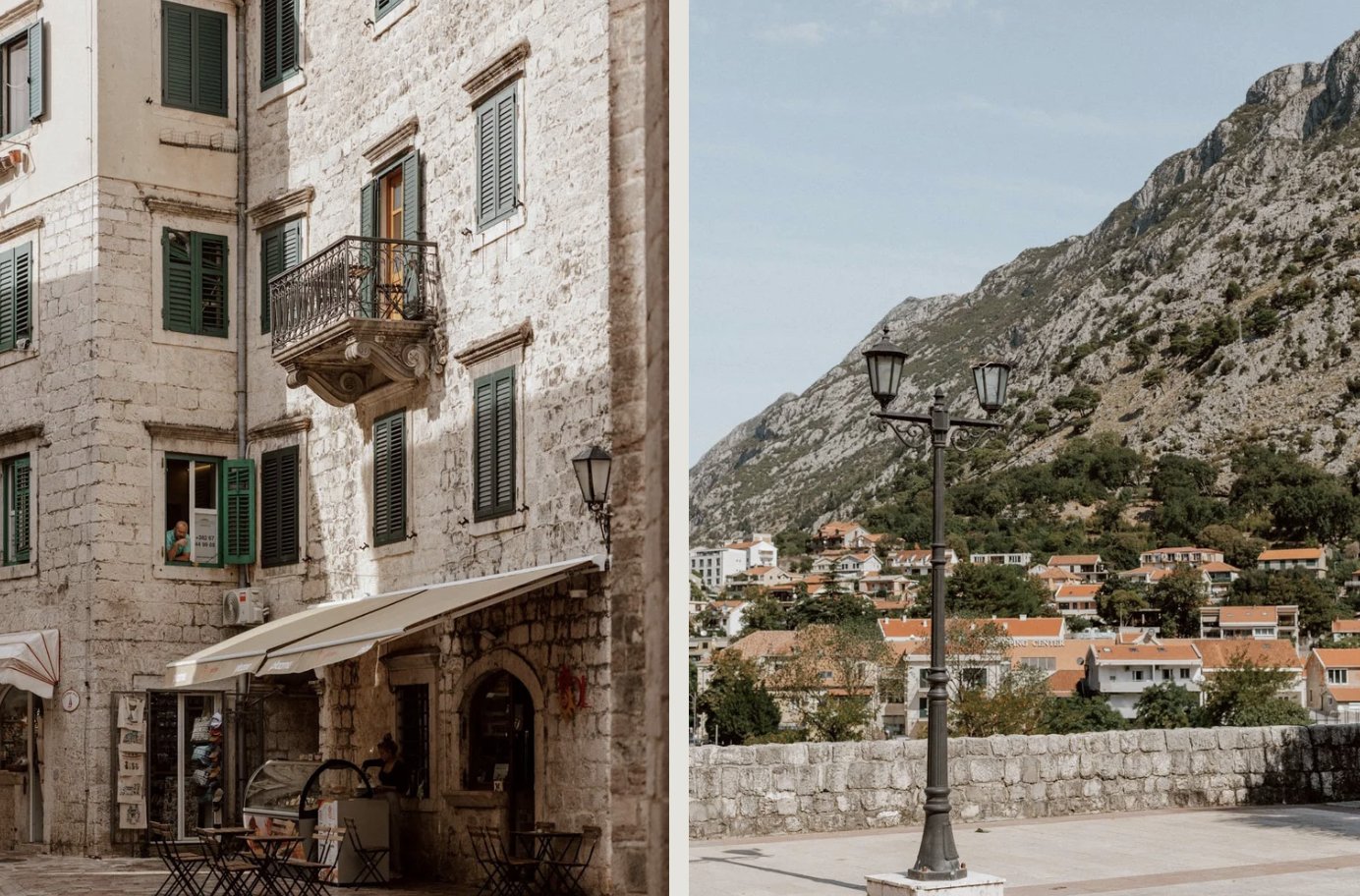
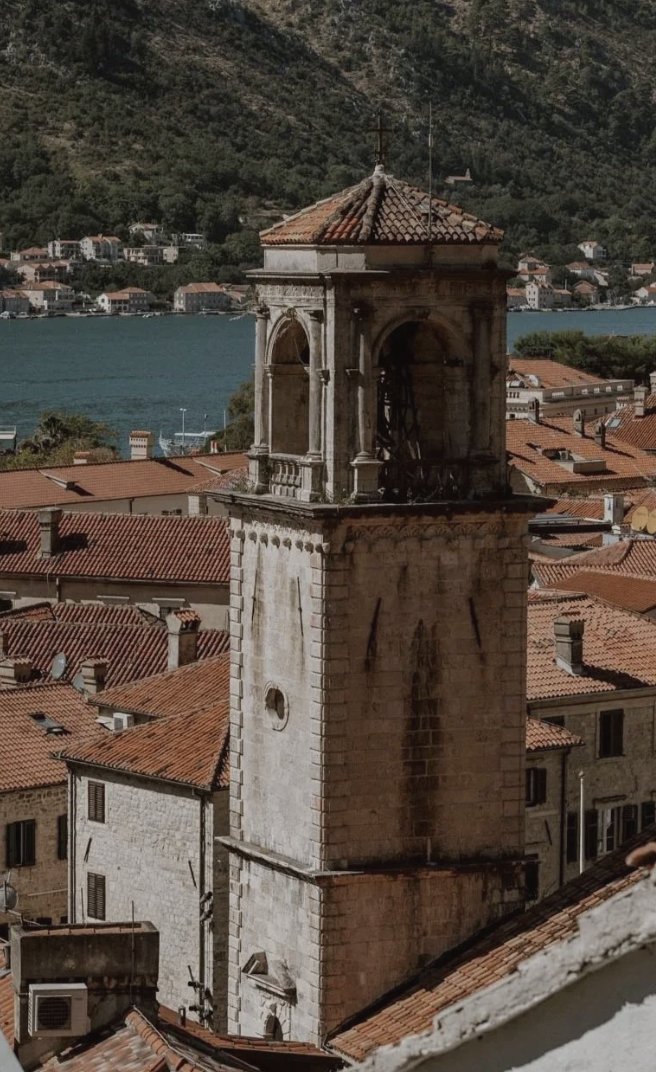
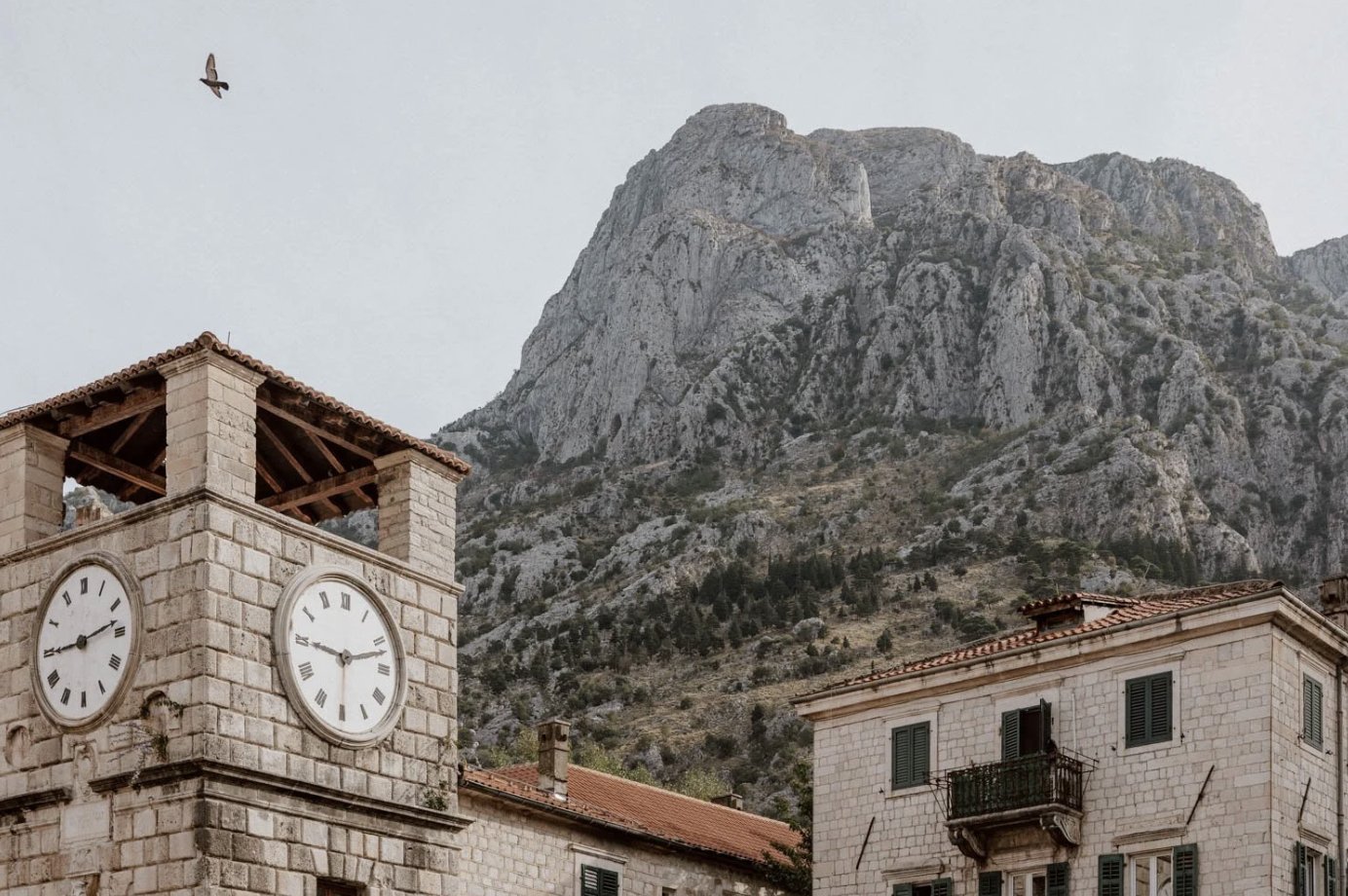
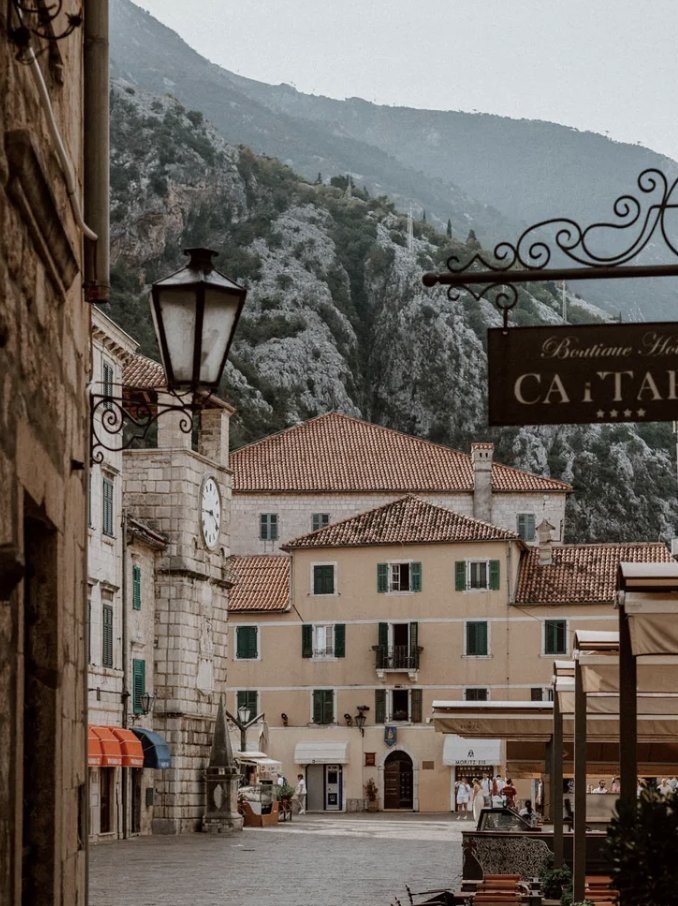
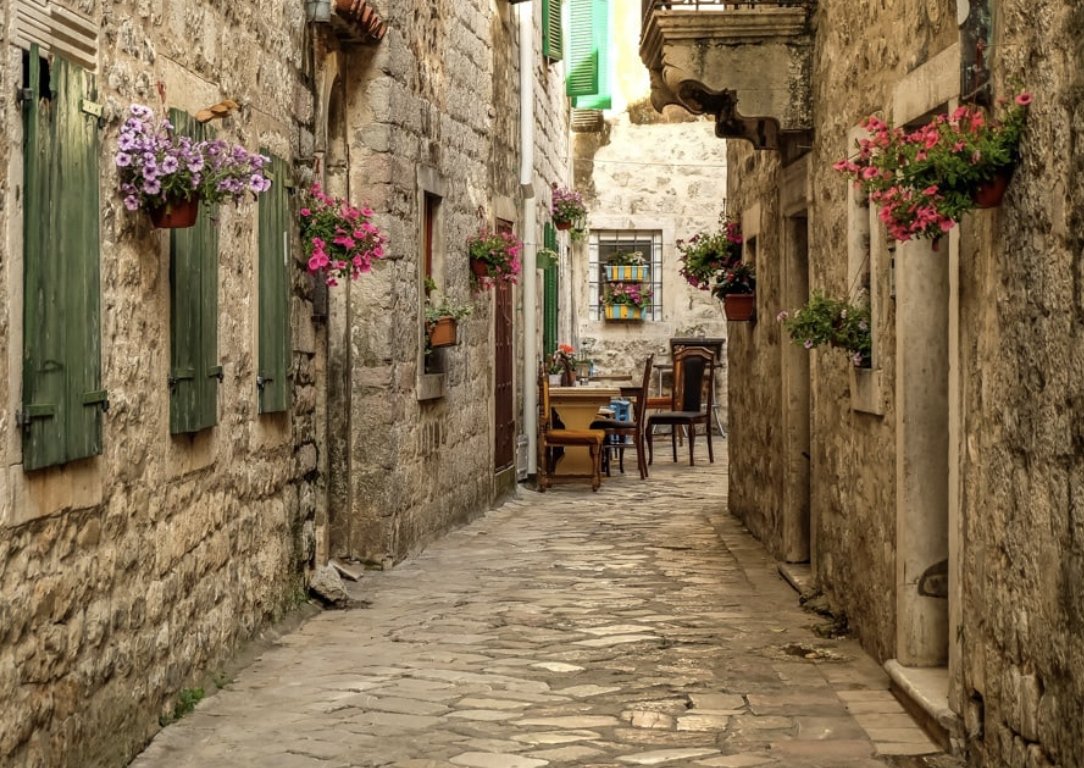
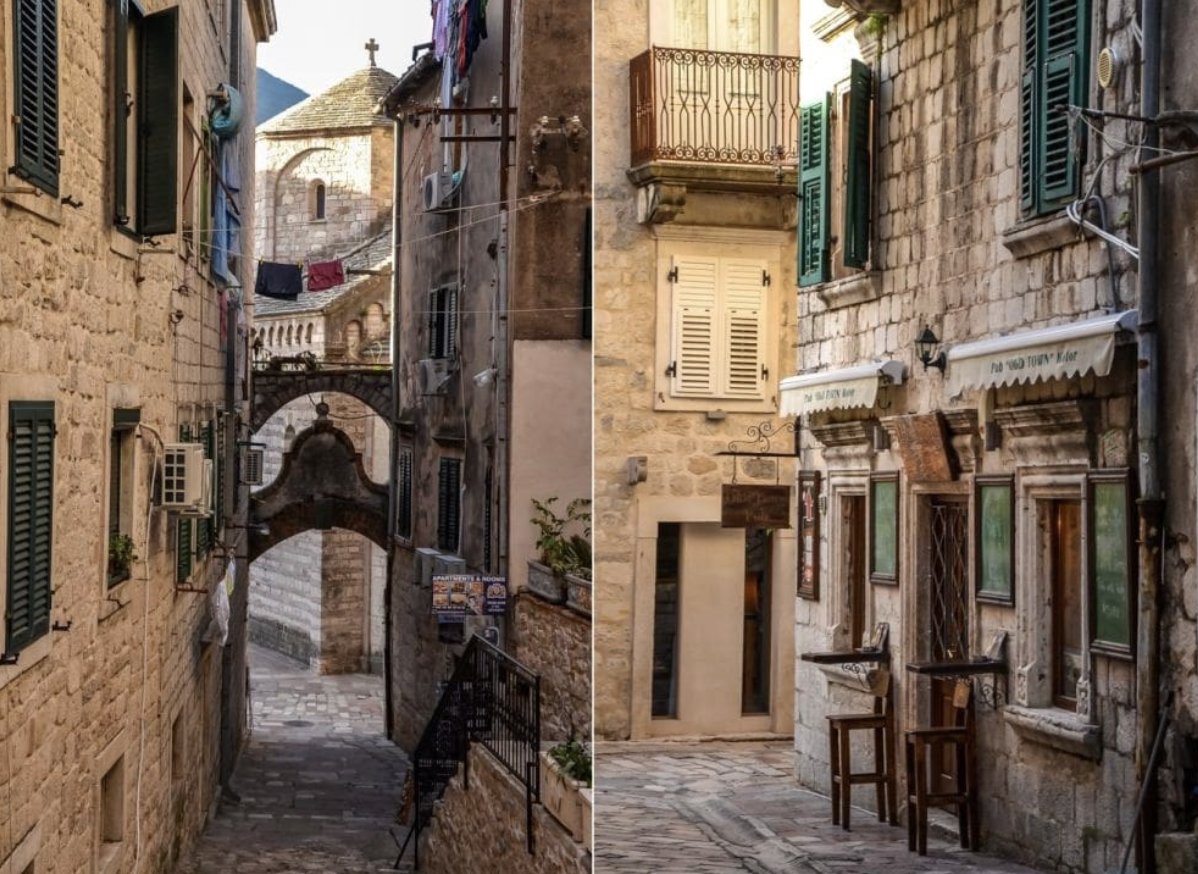
Kotor’s fortified old town is part of the UNESCO World Heritage site for the Natural and Culturo-Historical Region of Kotor. Its walls climb the mountain behind the town, which is why the small squares and lanes feel unusually enclosed and dramatic. Look for the Romanesque Cathedral of St Tryphon and the quieter passages away from the main gate.
Perast
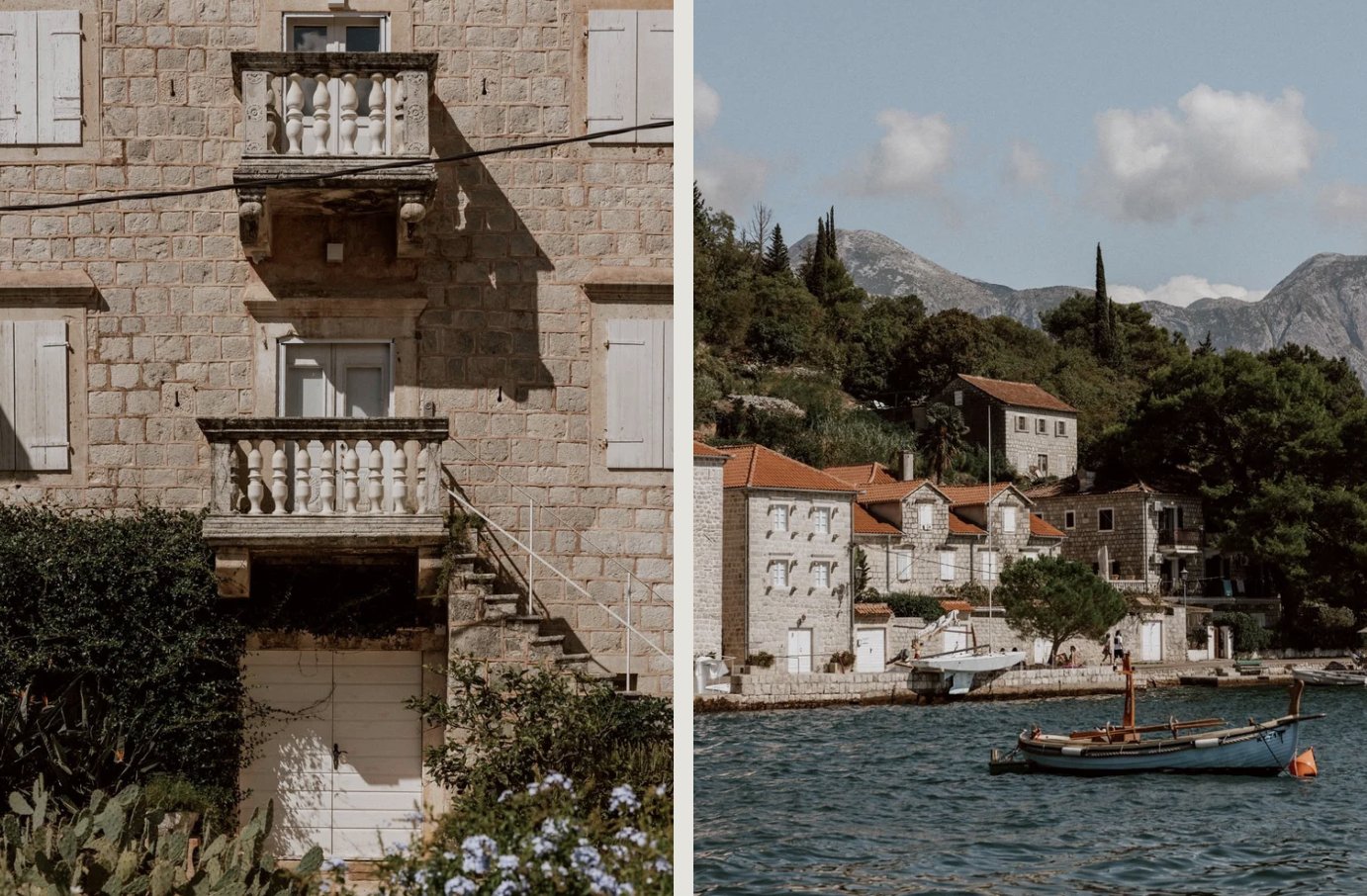
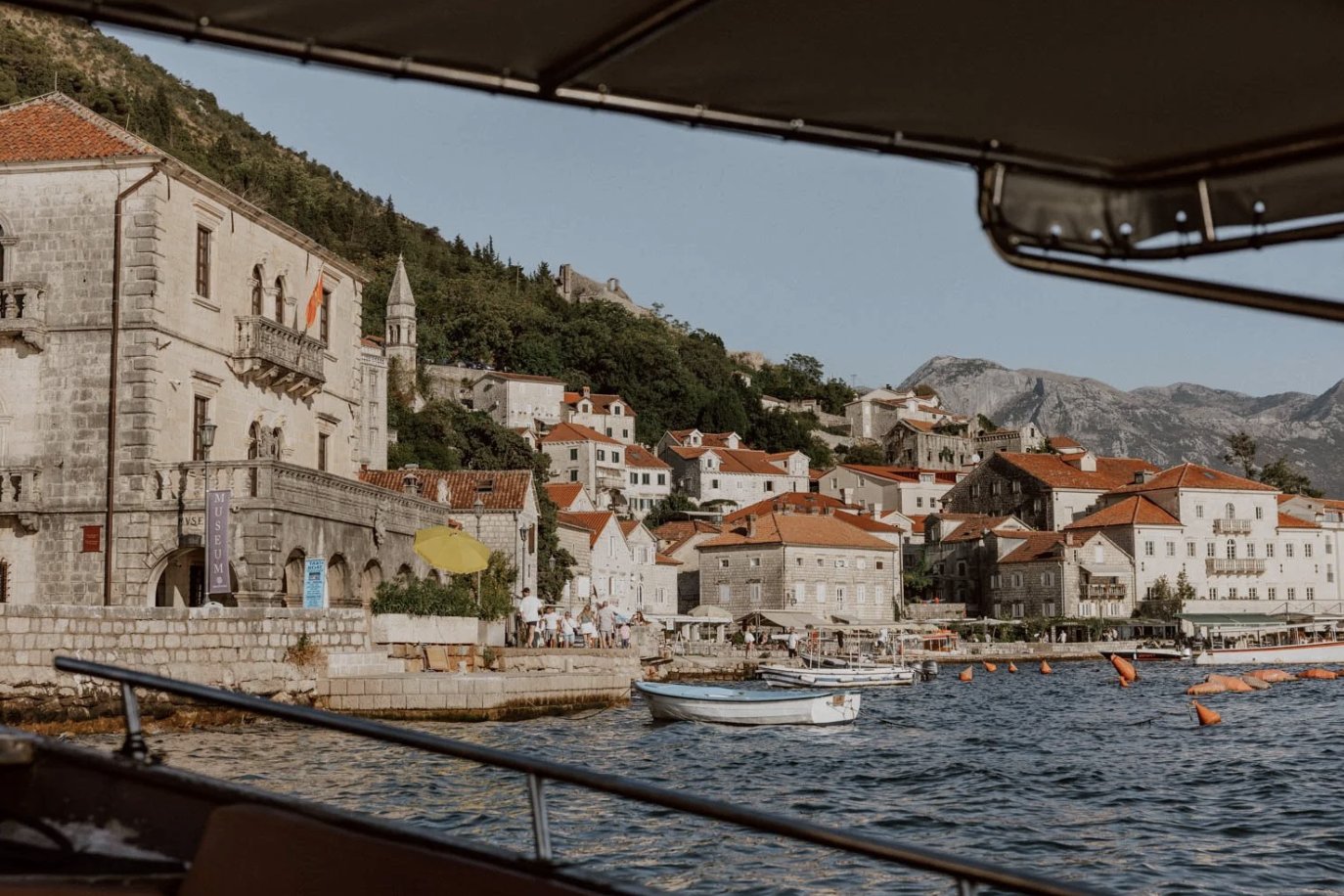
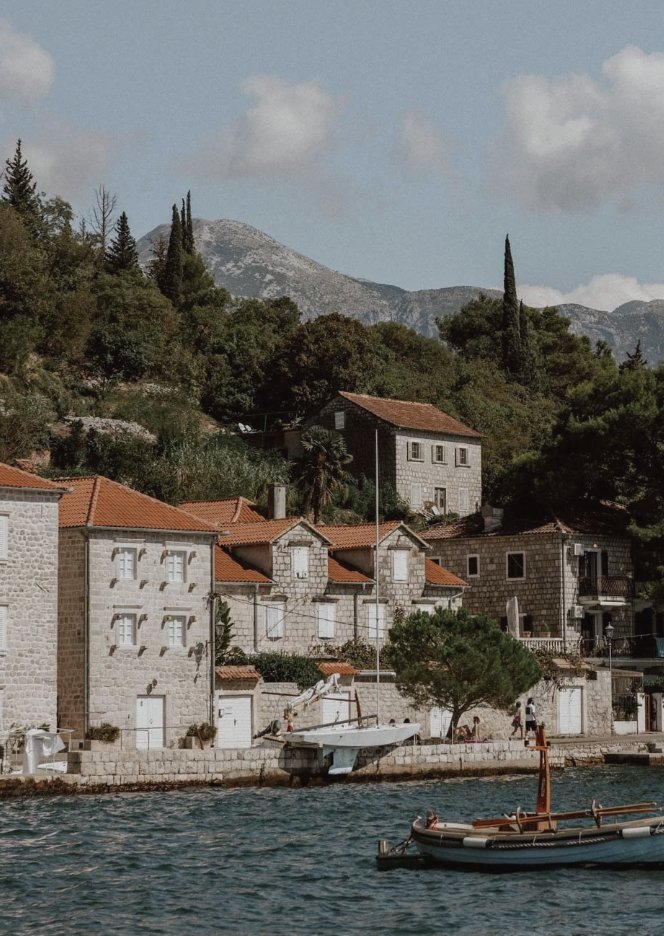
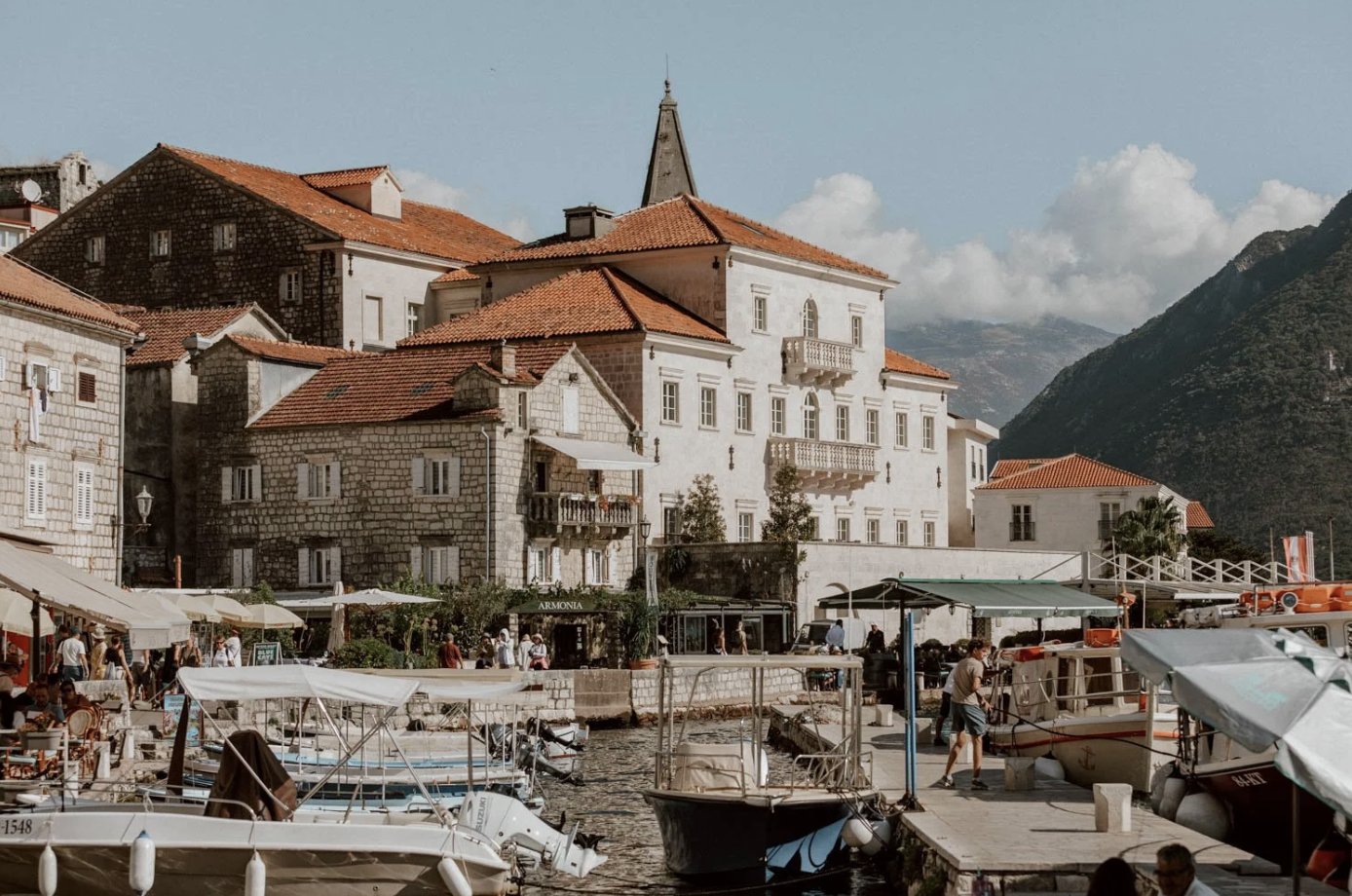
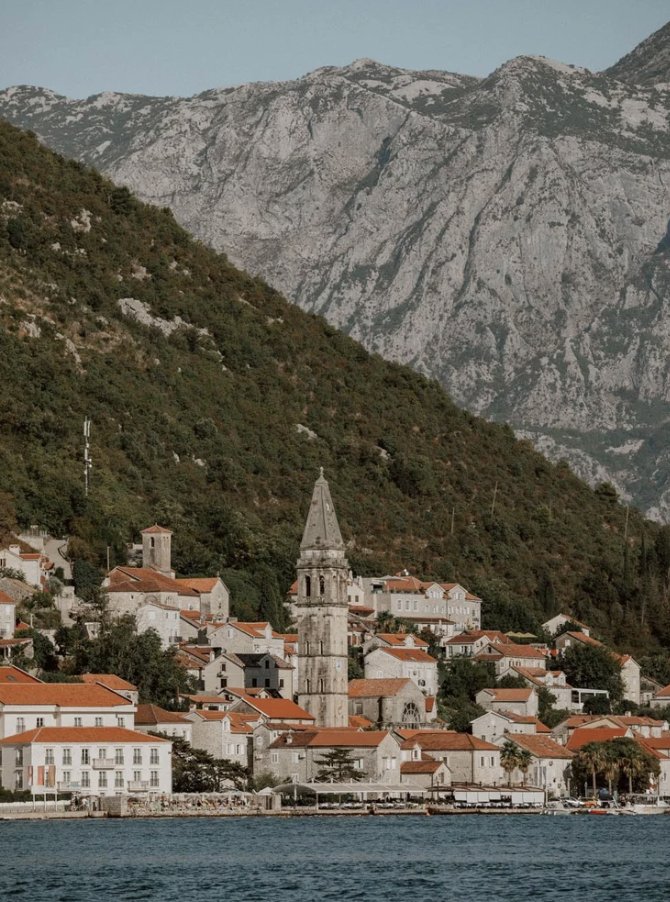
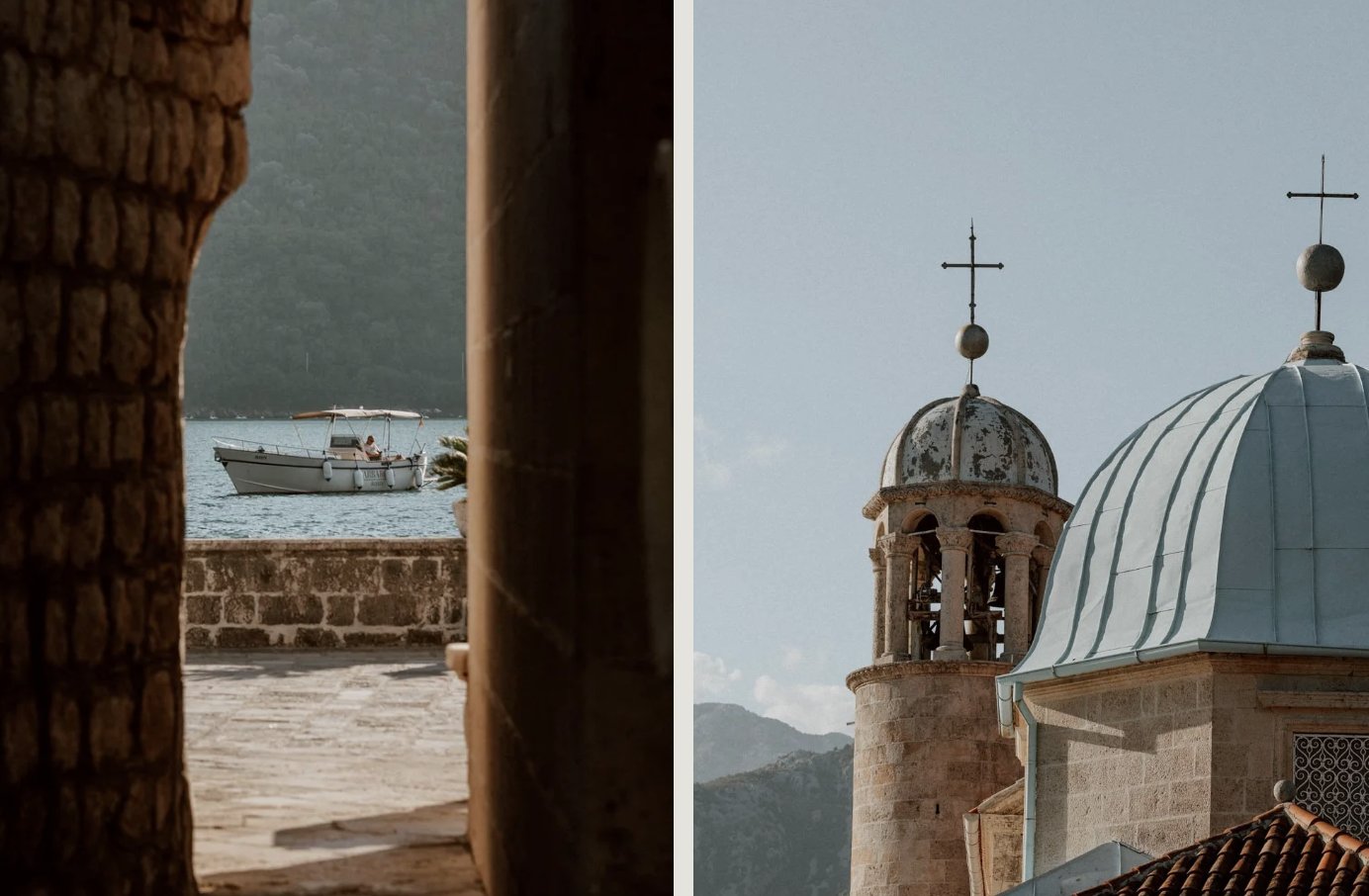
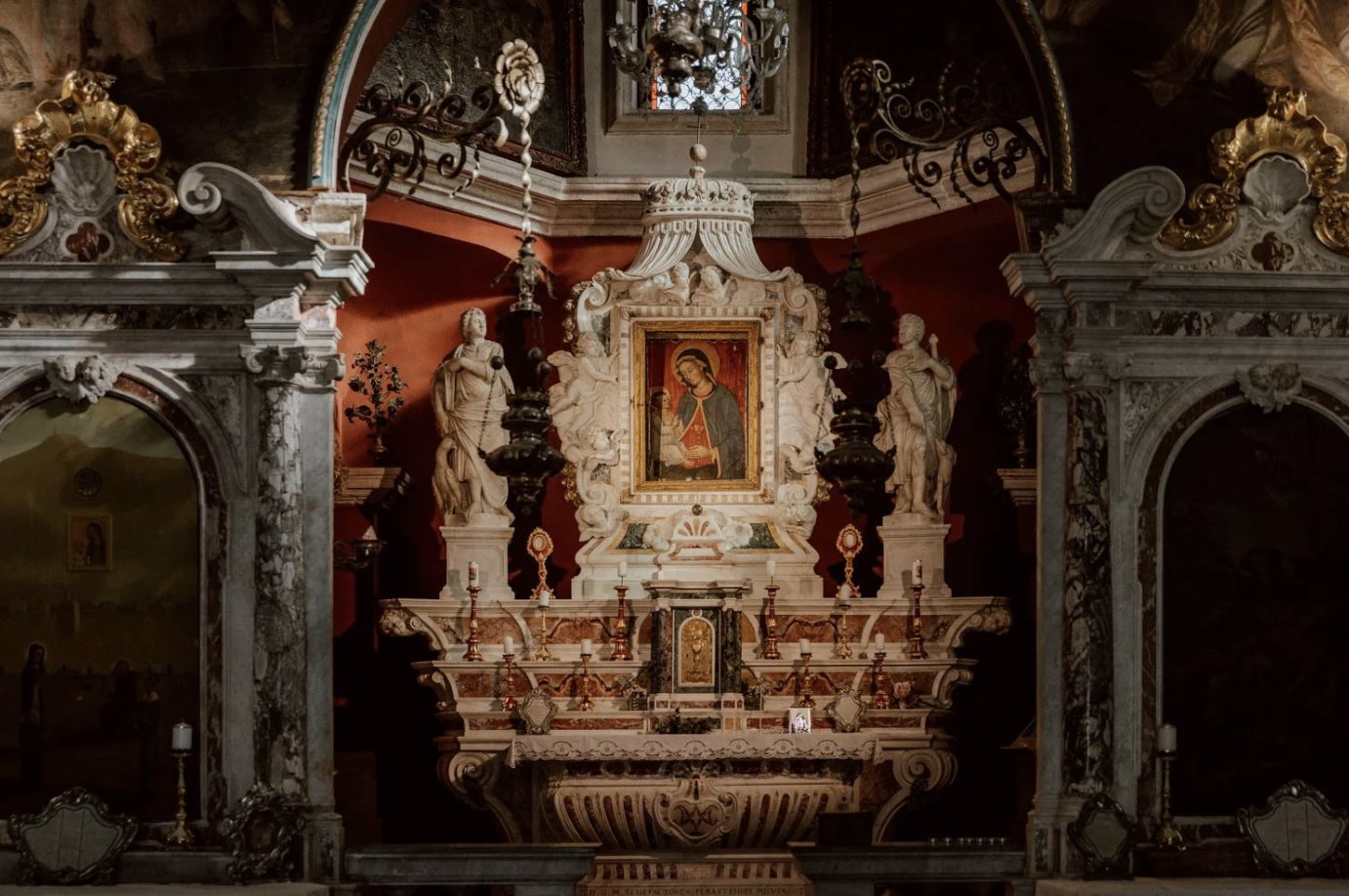
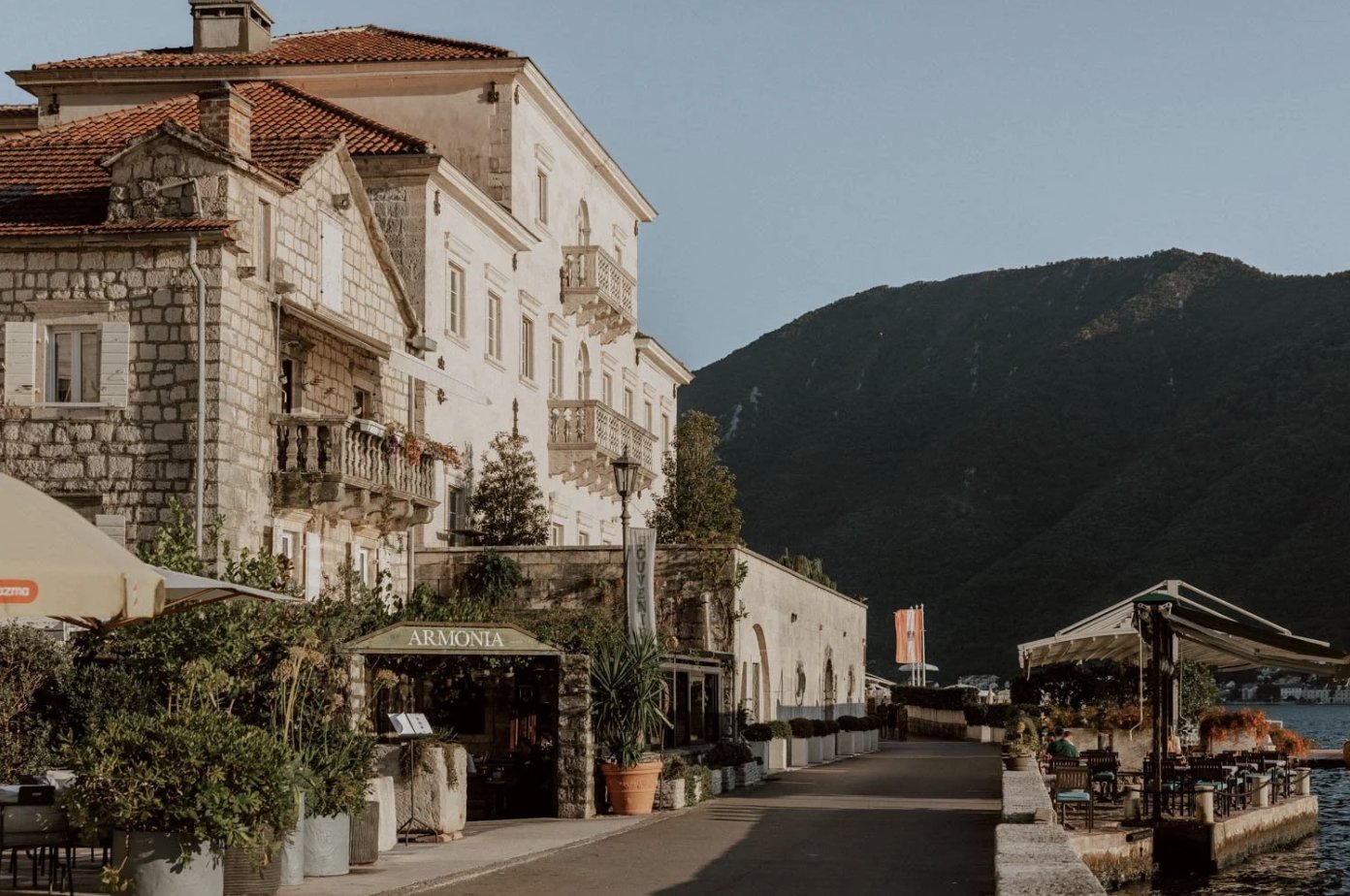
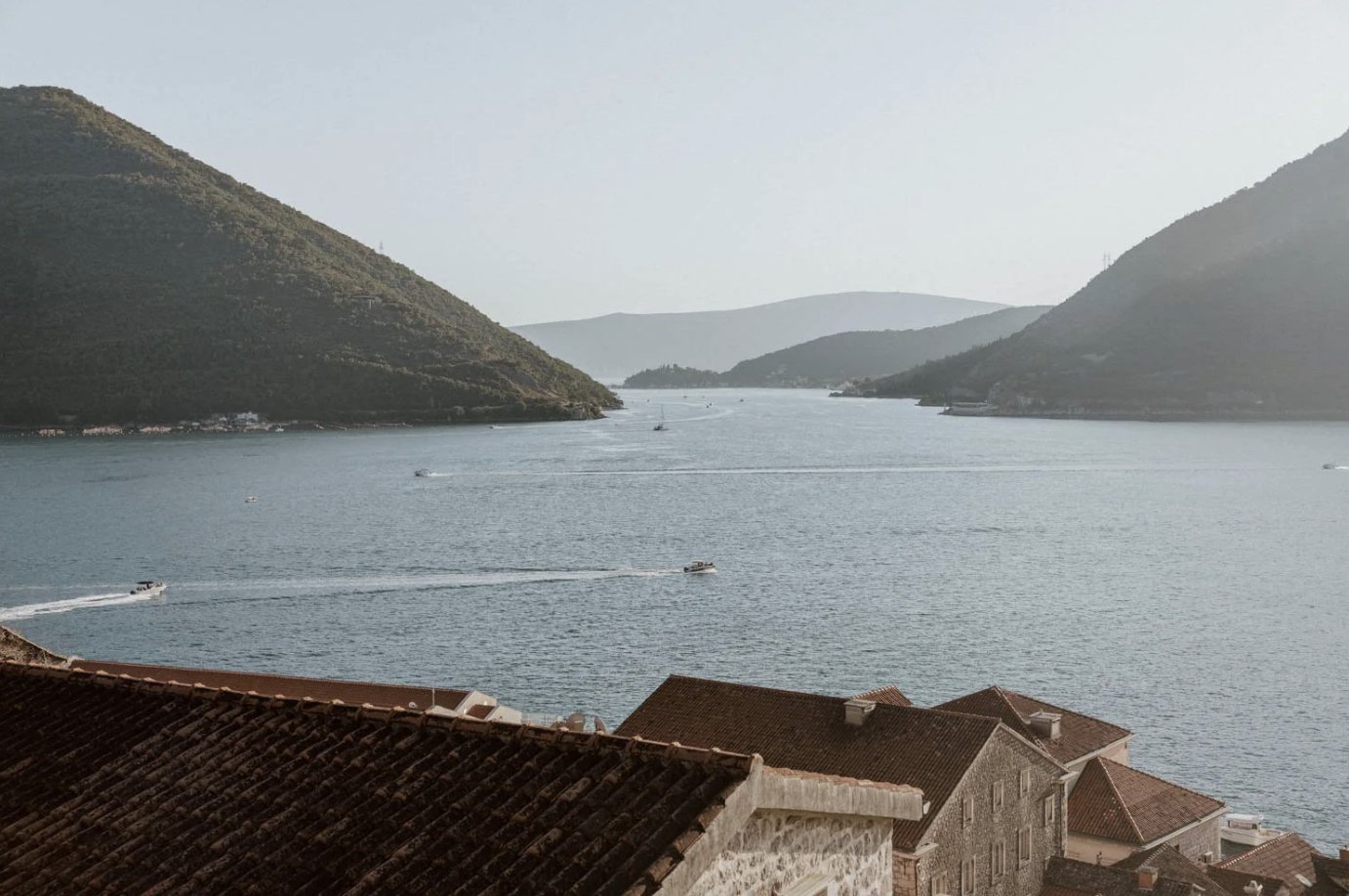
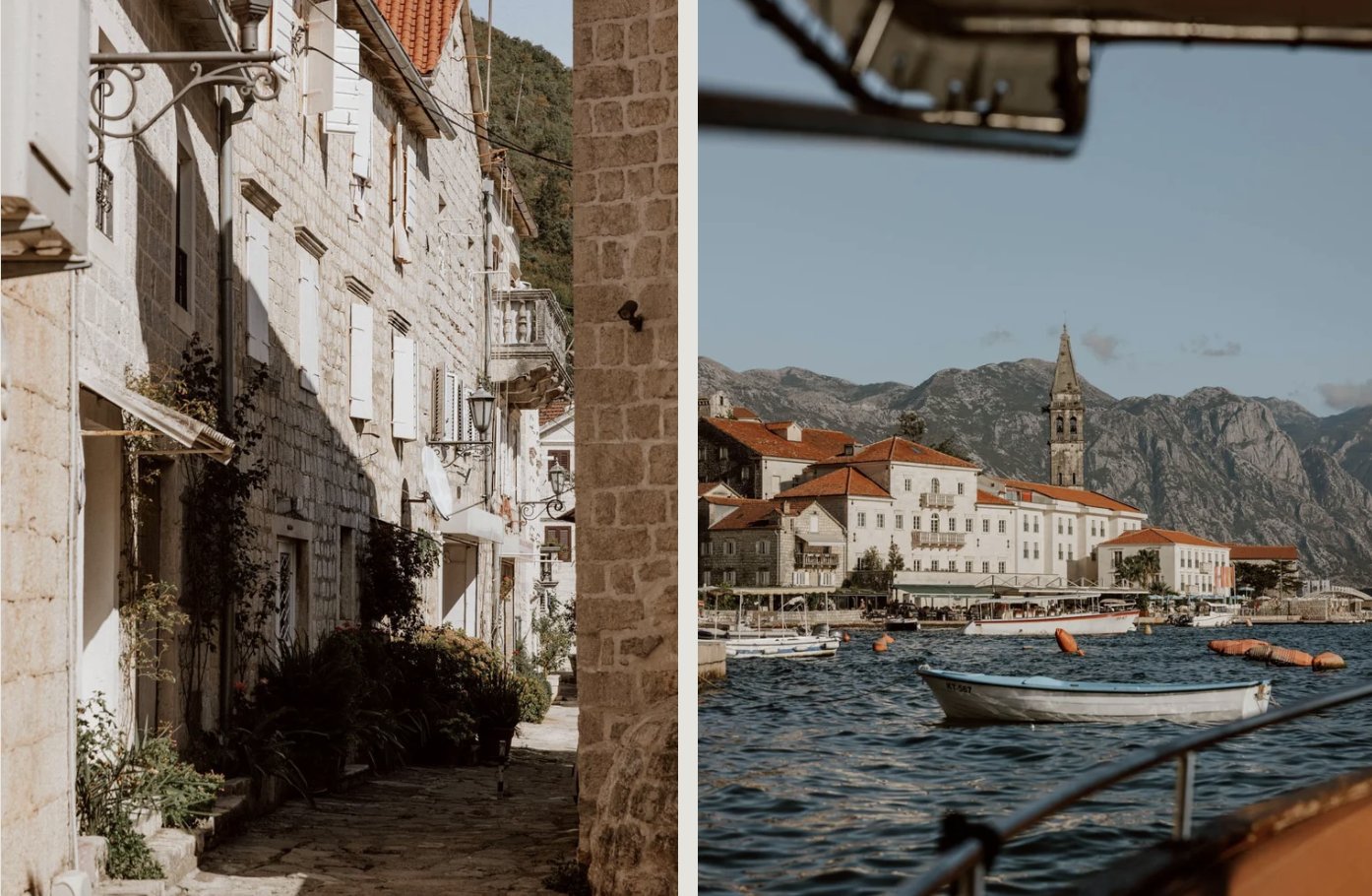
Perast’s waterfront is lined with stone houses and bell towers facing the islands in the Bay of Kotor. Our Lady of the Rocks is the man-made island with a church offshore. Confirm the return crossing and total price before taking a boat.
From the coast to the northern mountains
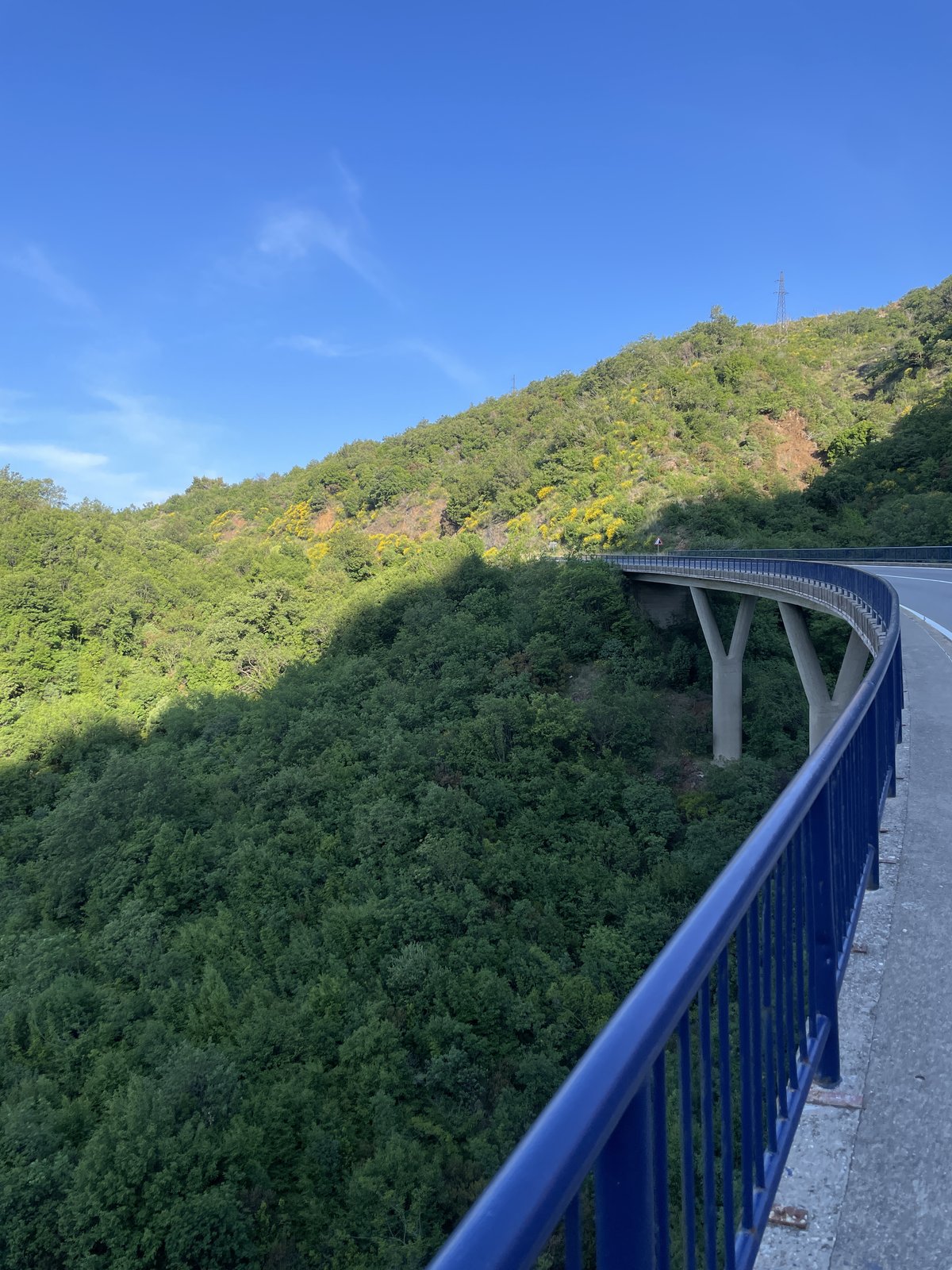
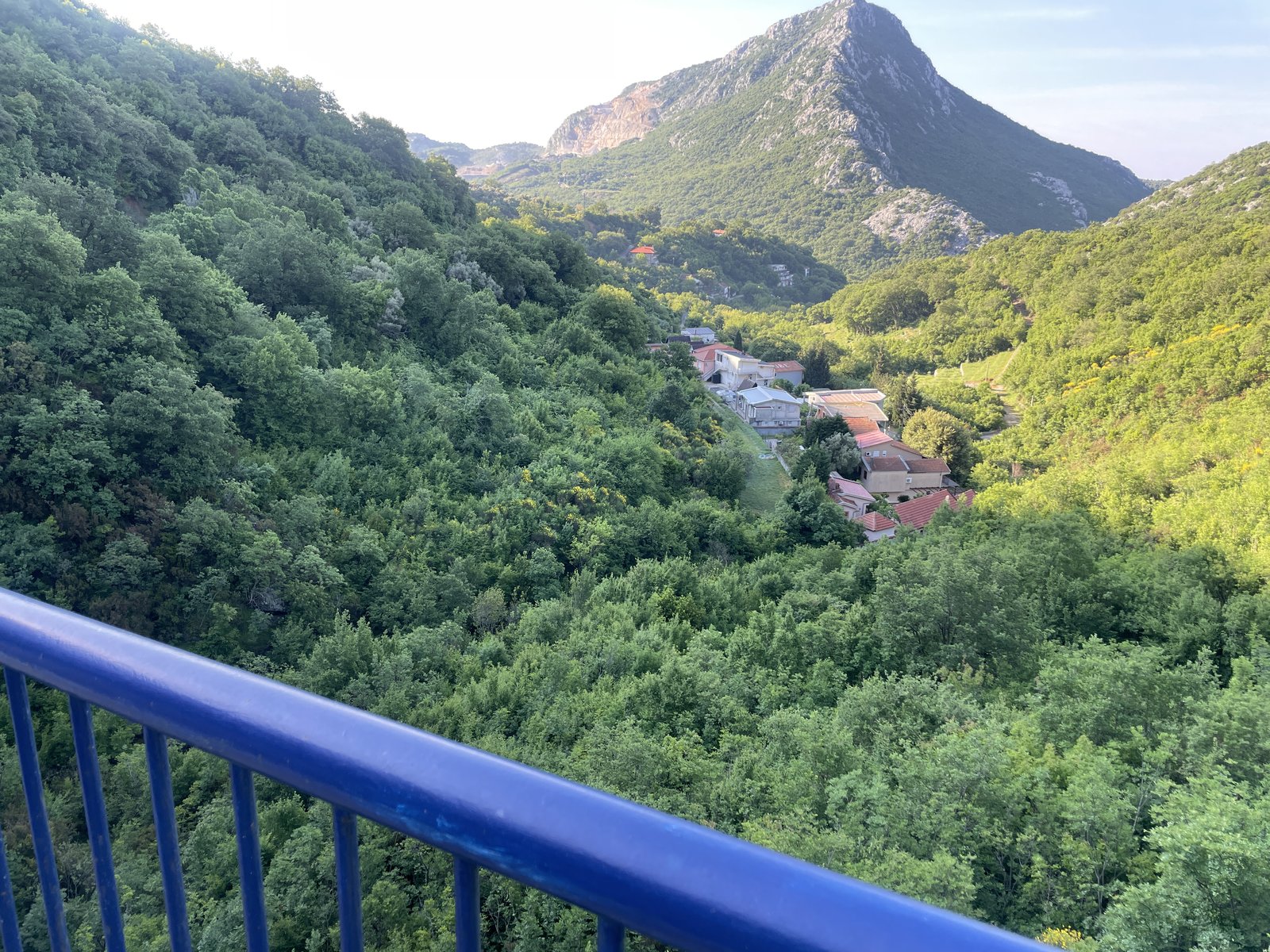
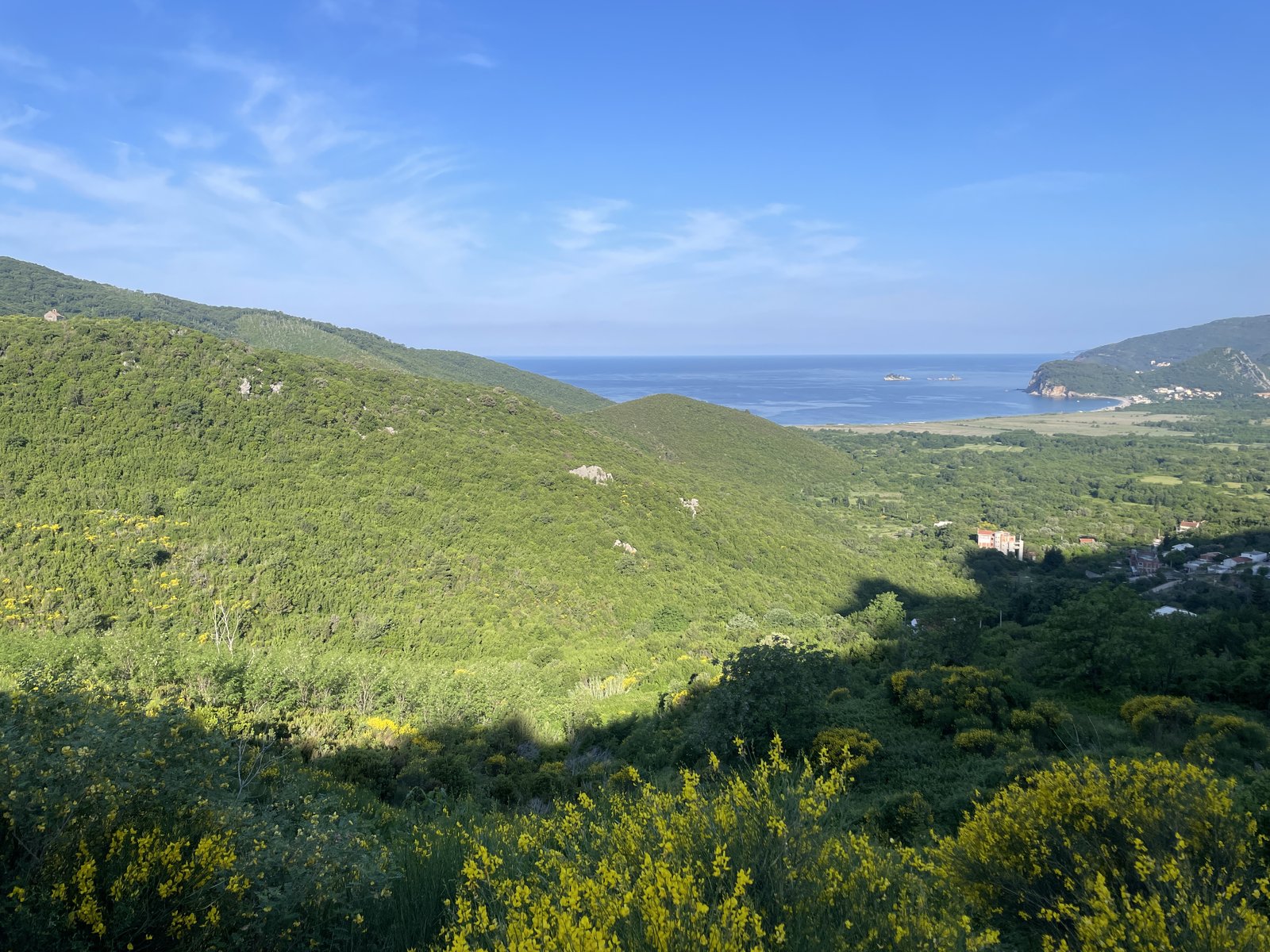
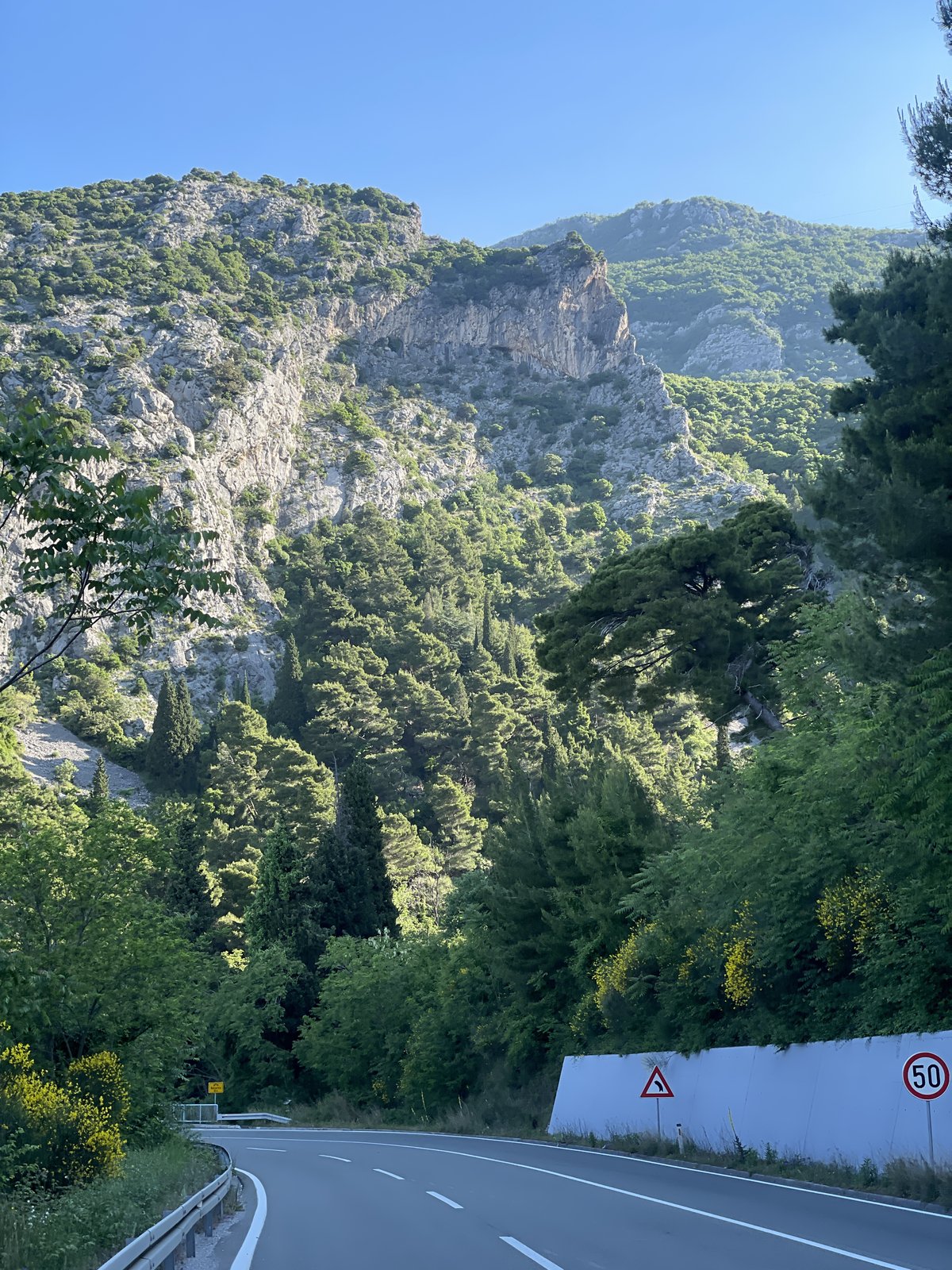
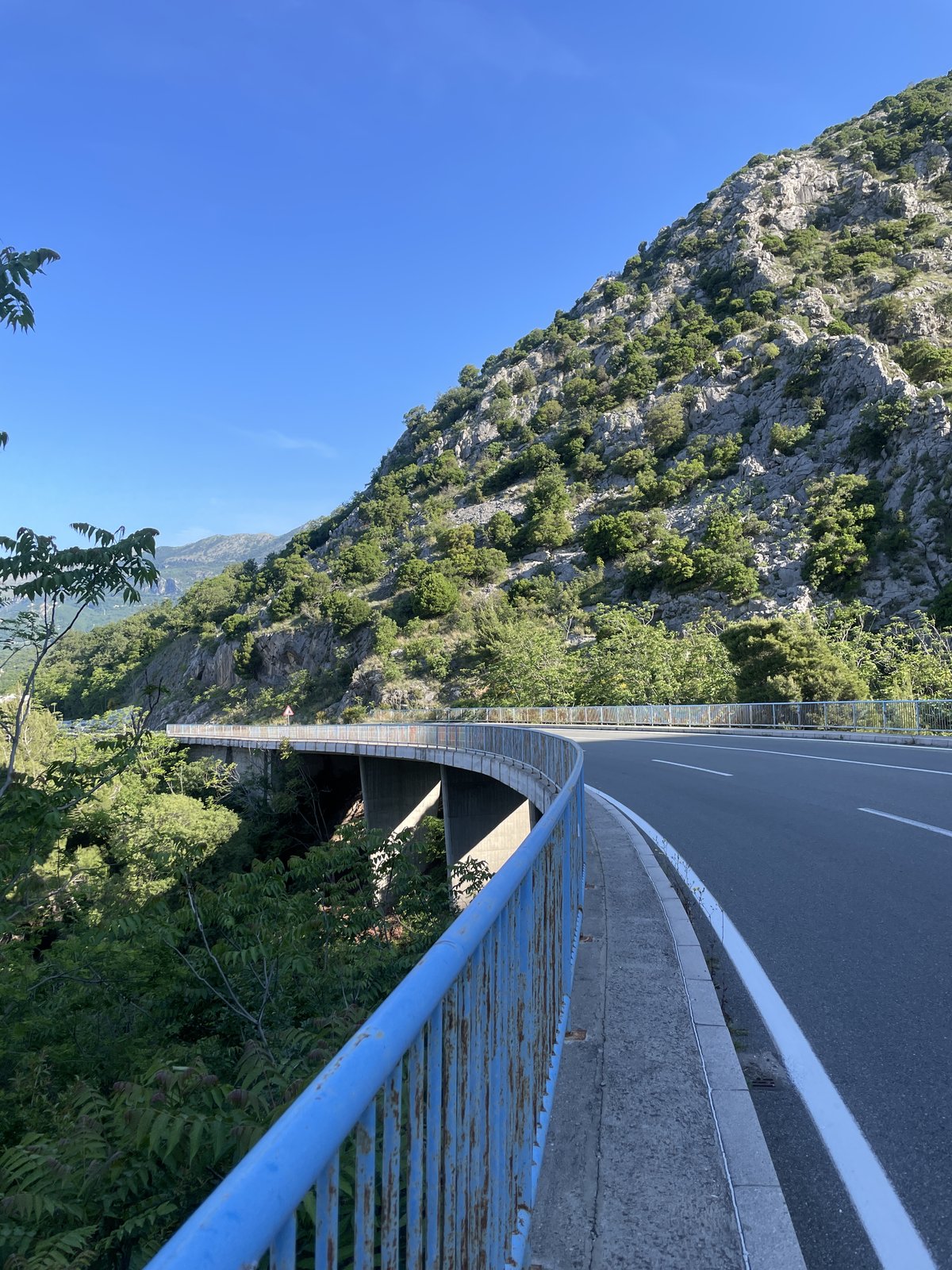
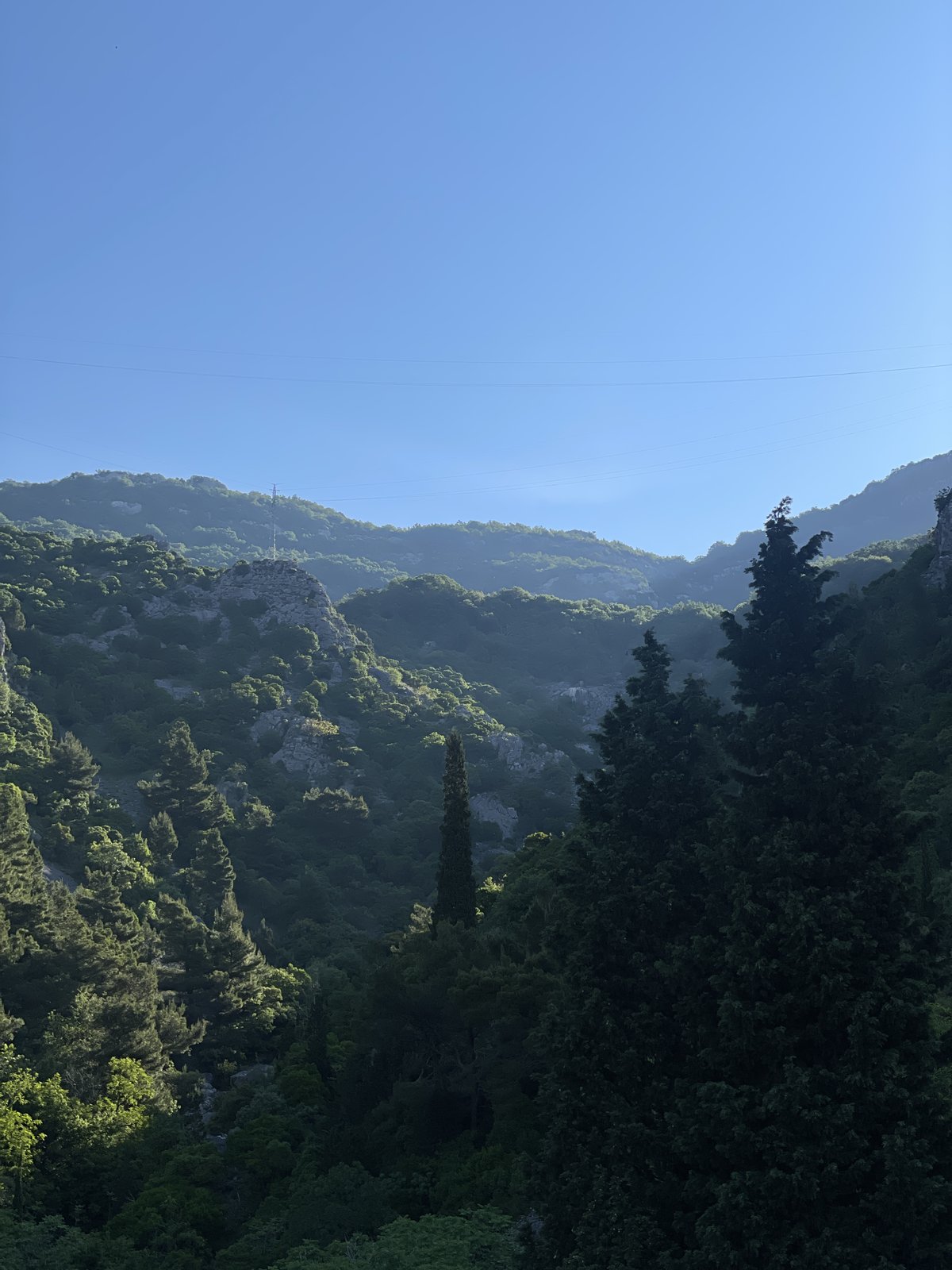
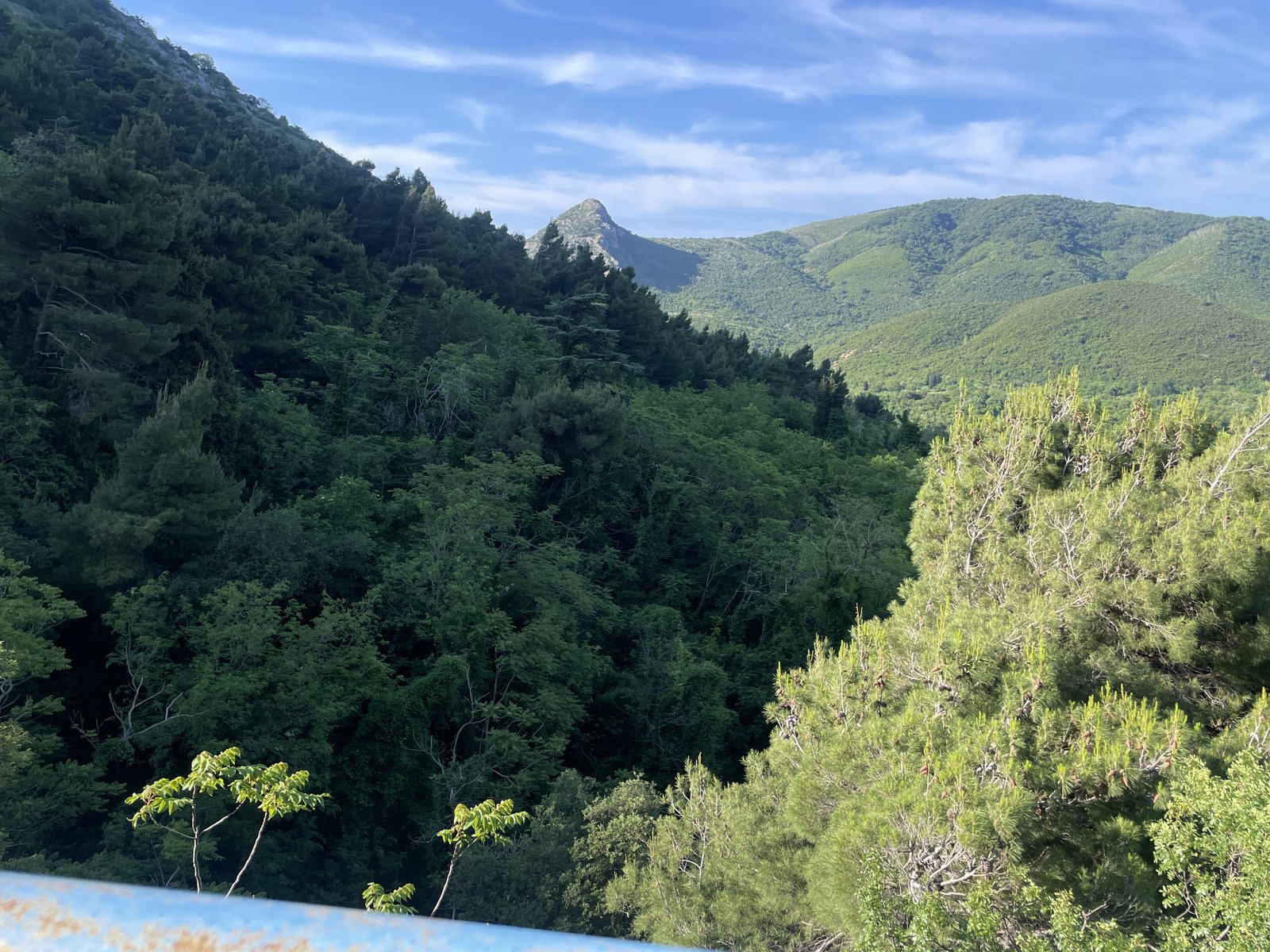
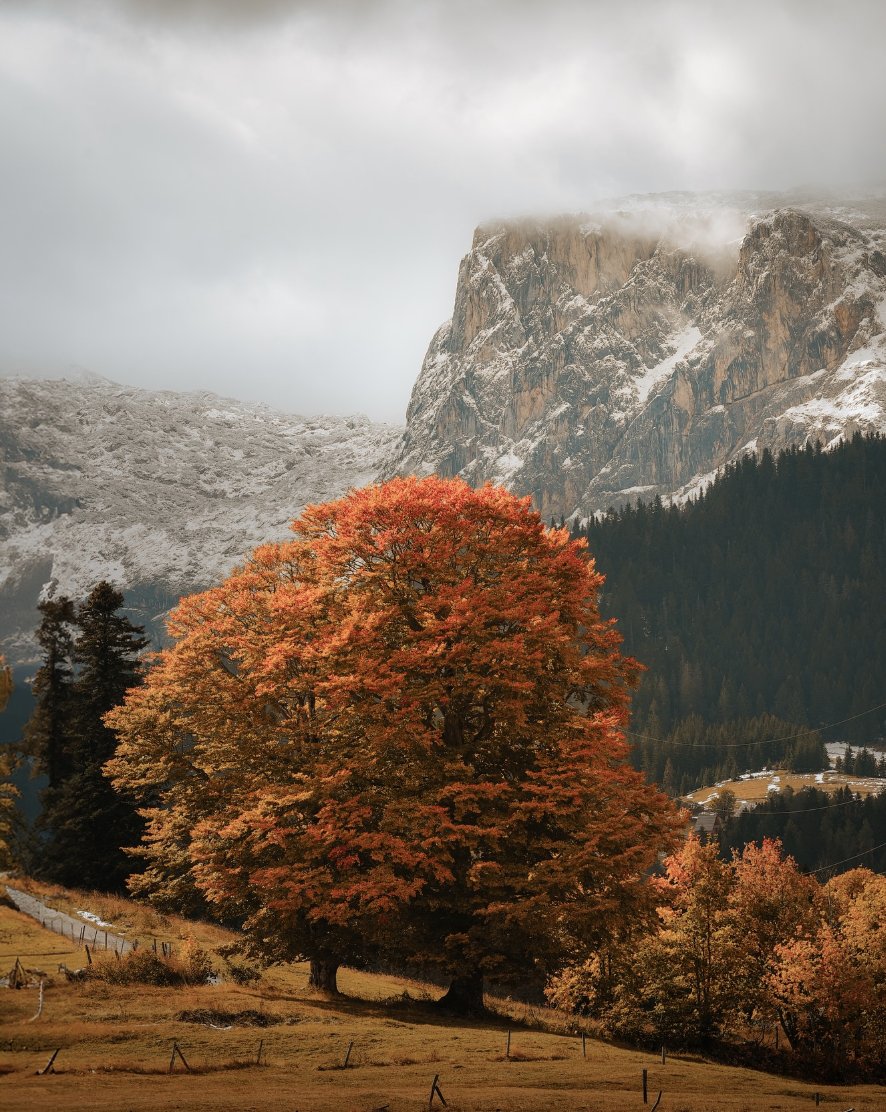
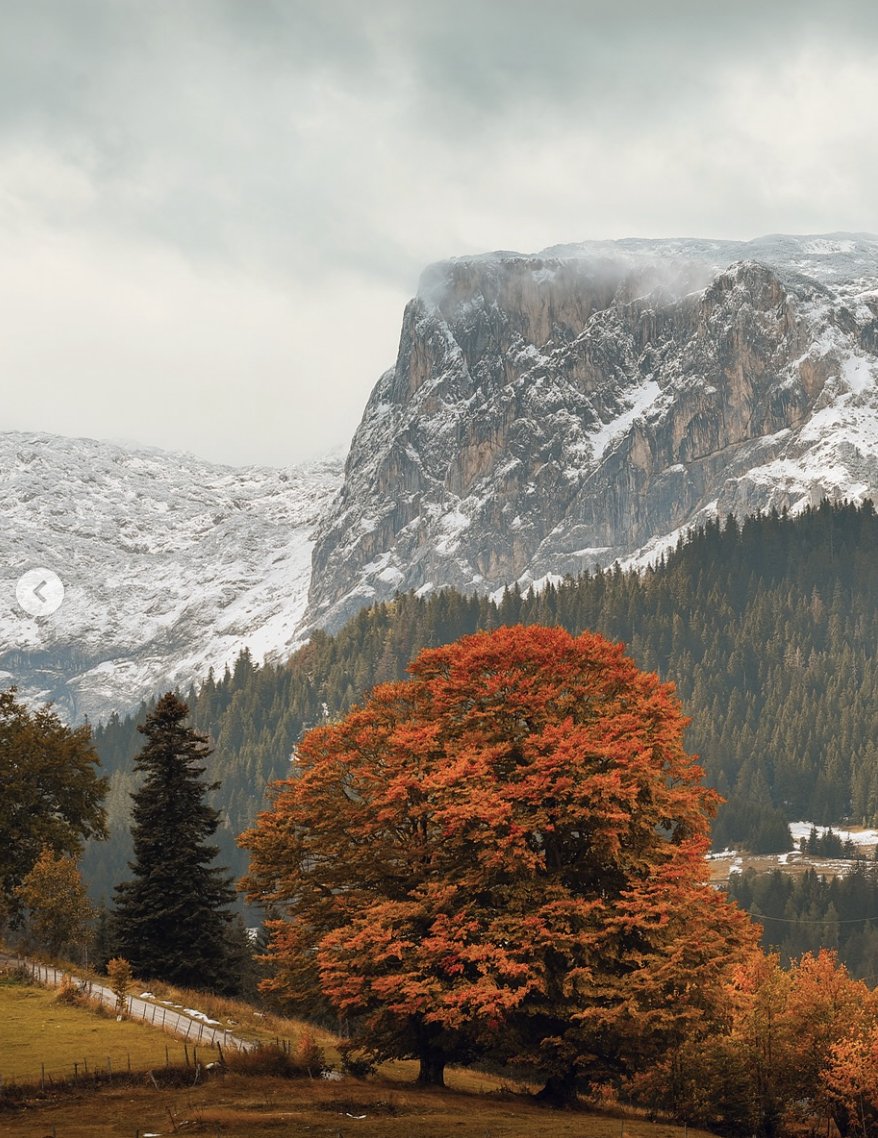
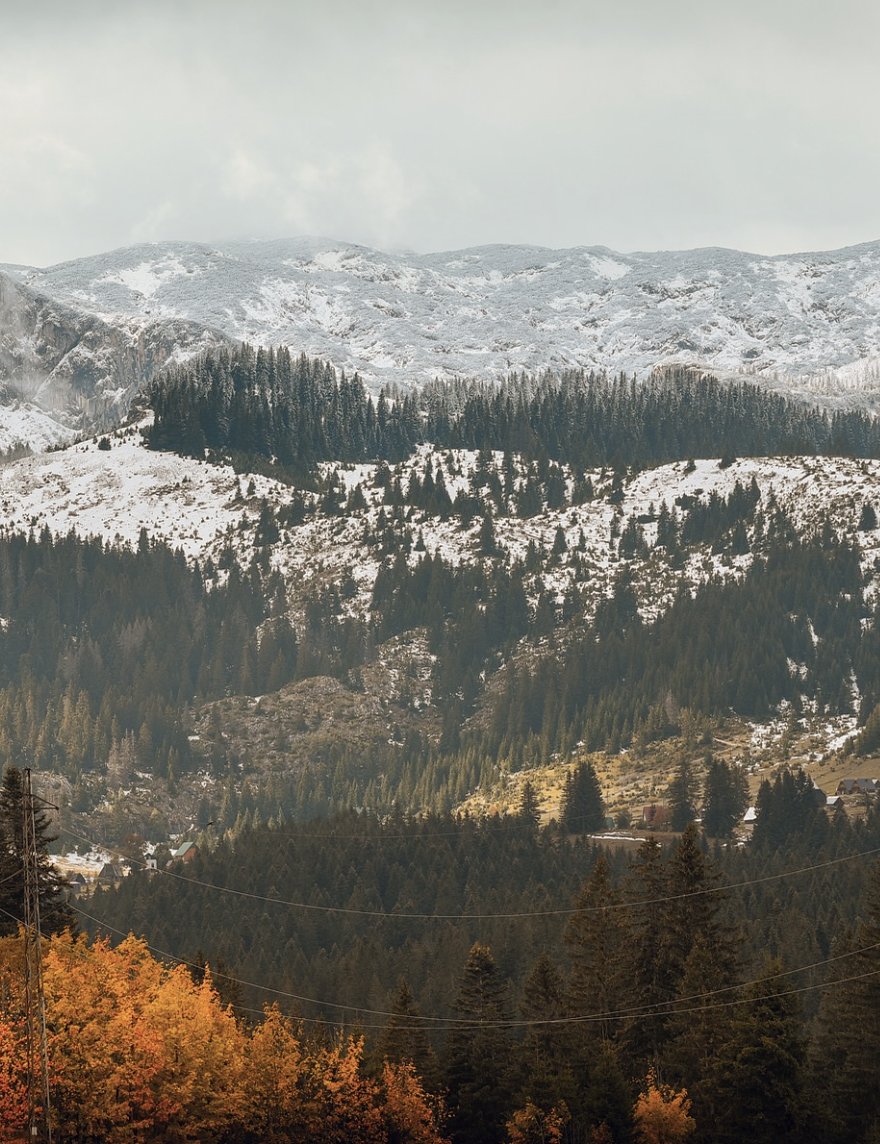
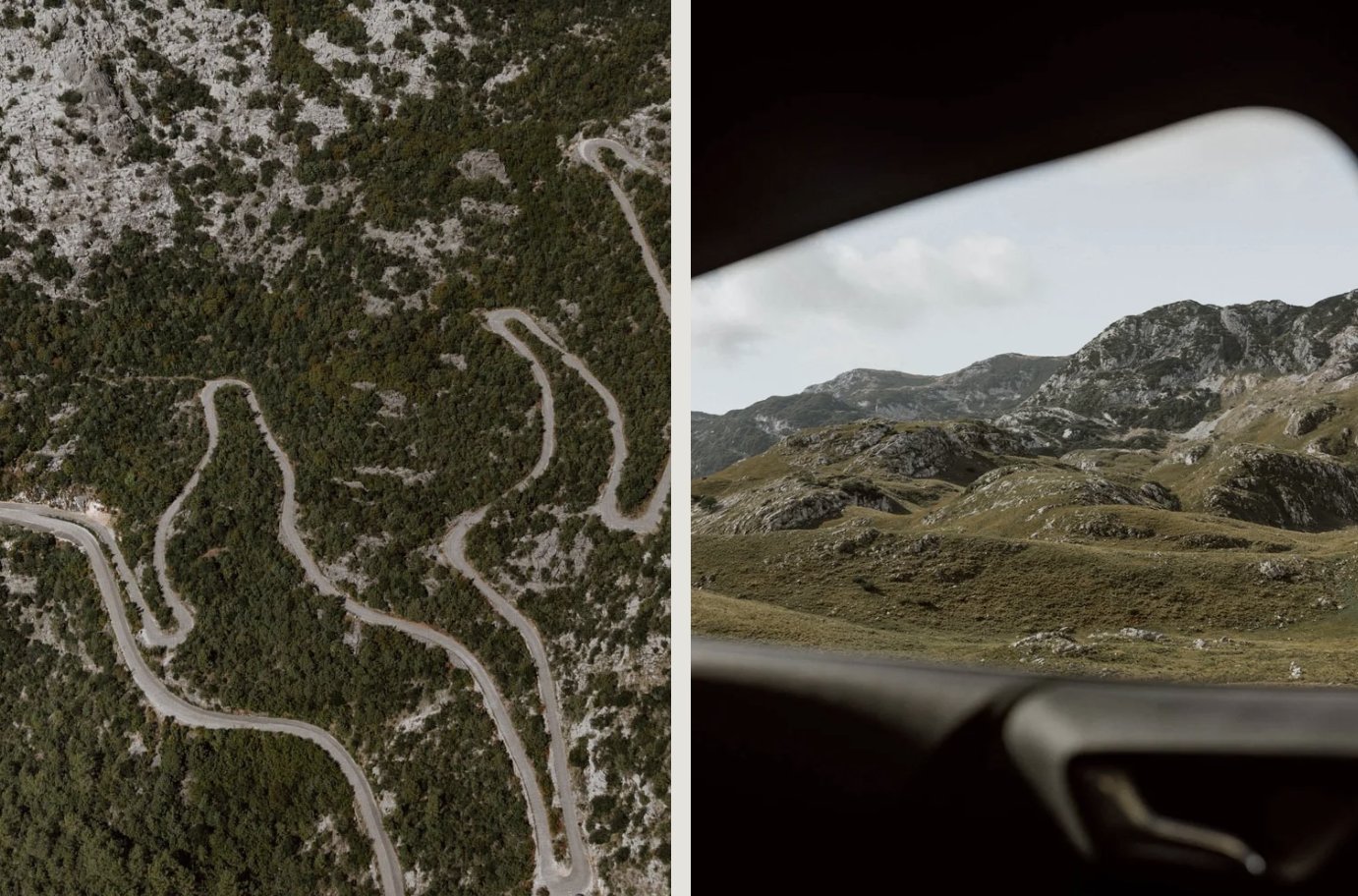
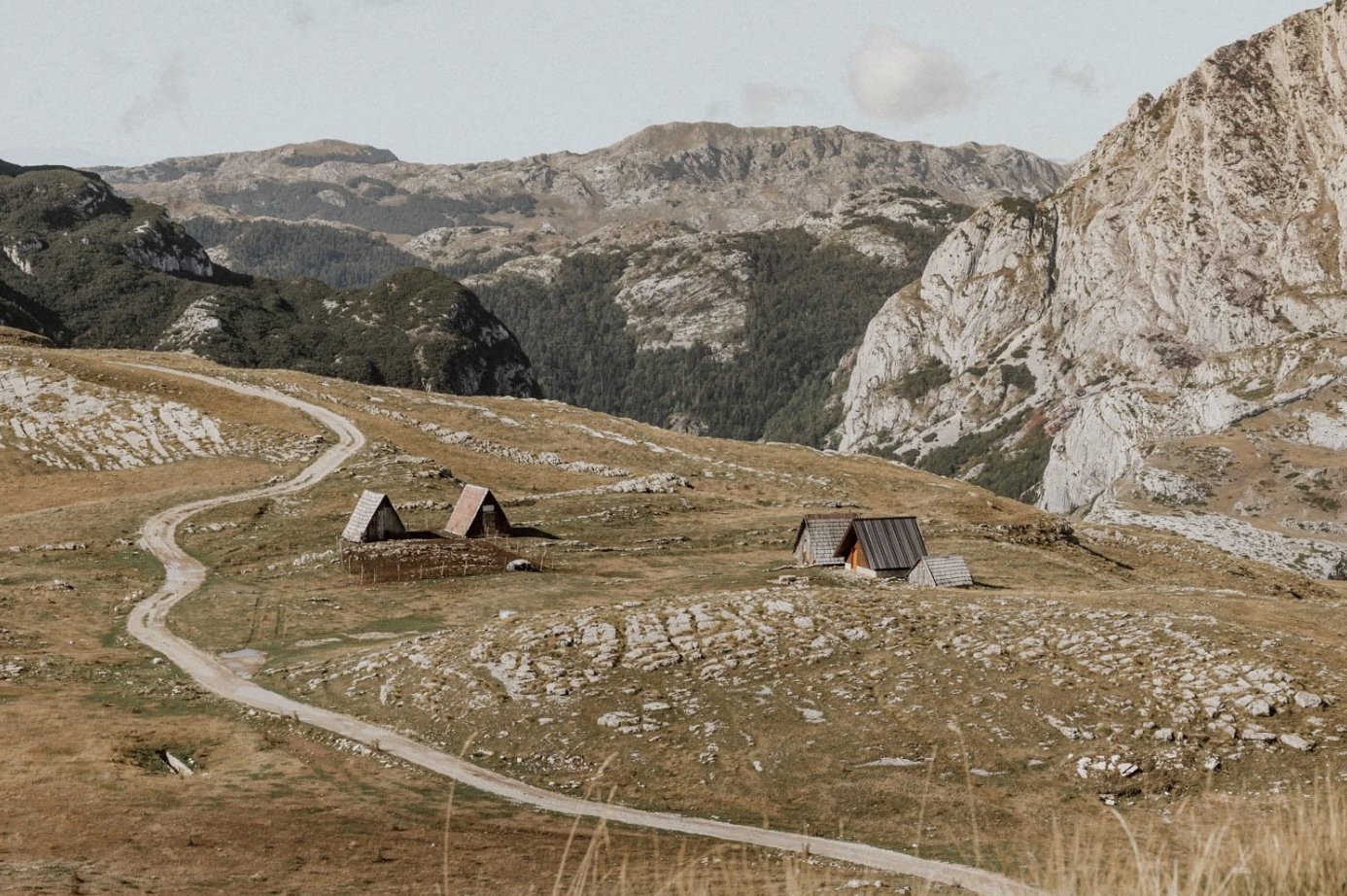
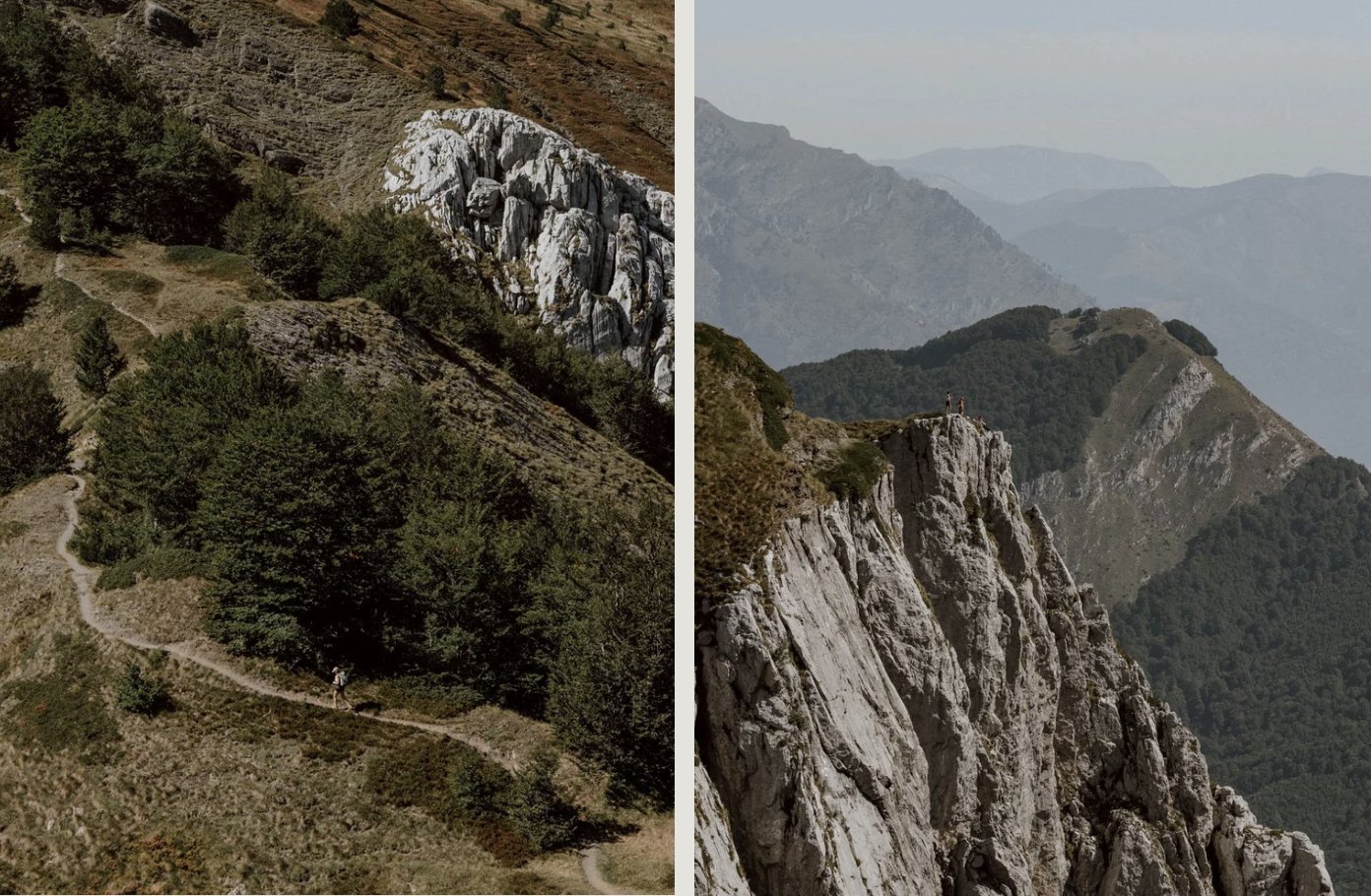
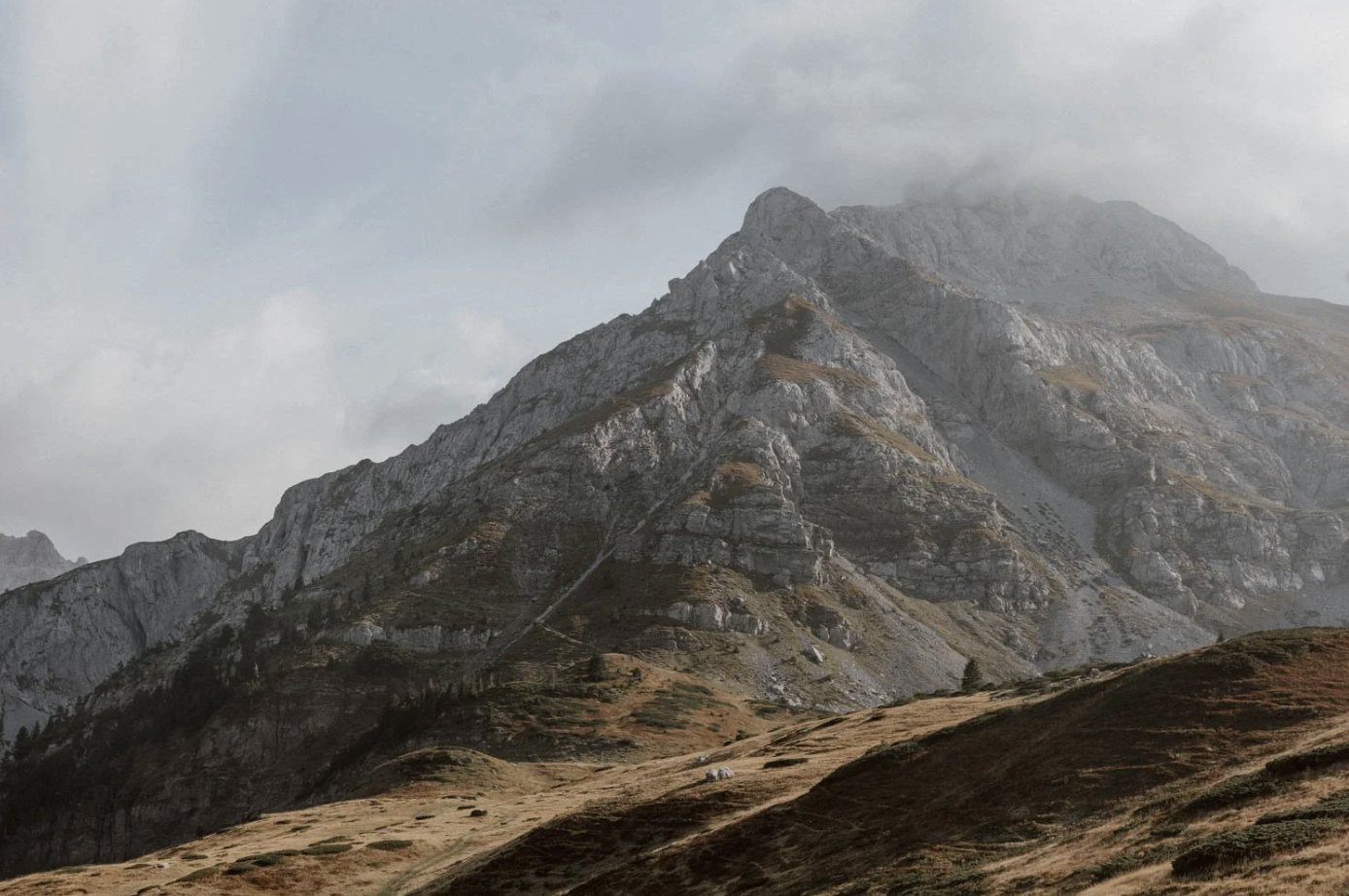
Roads from the coast into northern Montenegro pass through limestone hills, wooded slopes and mountain valleys, with the scenery depending on the route. The Morača canyon road north of Podgorica is one option for an inland scenic drive. Check road conditions and stop for photographs only in safe parking areas.


Nikšić
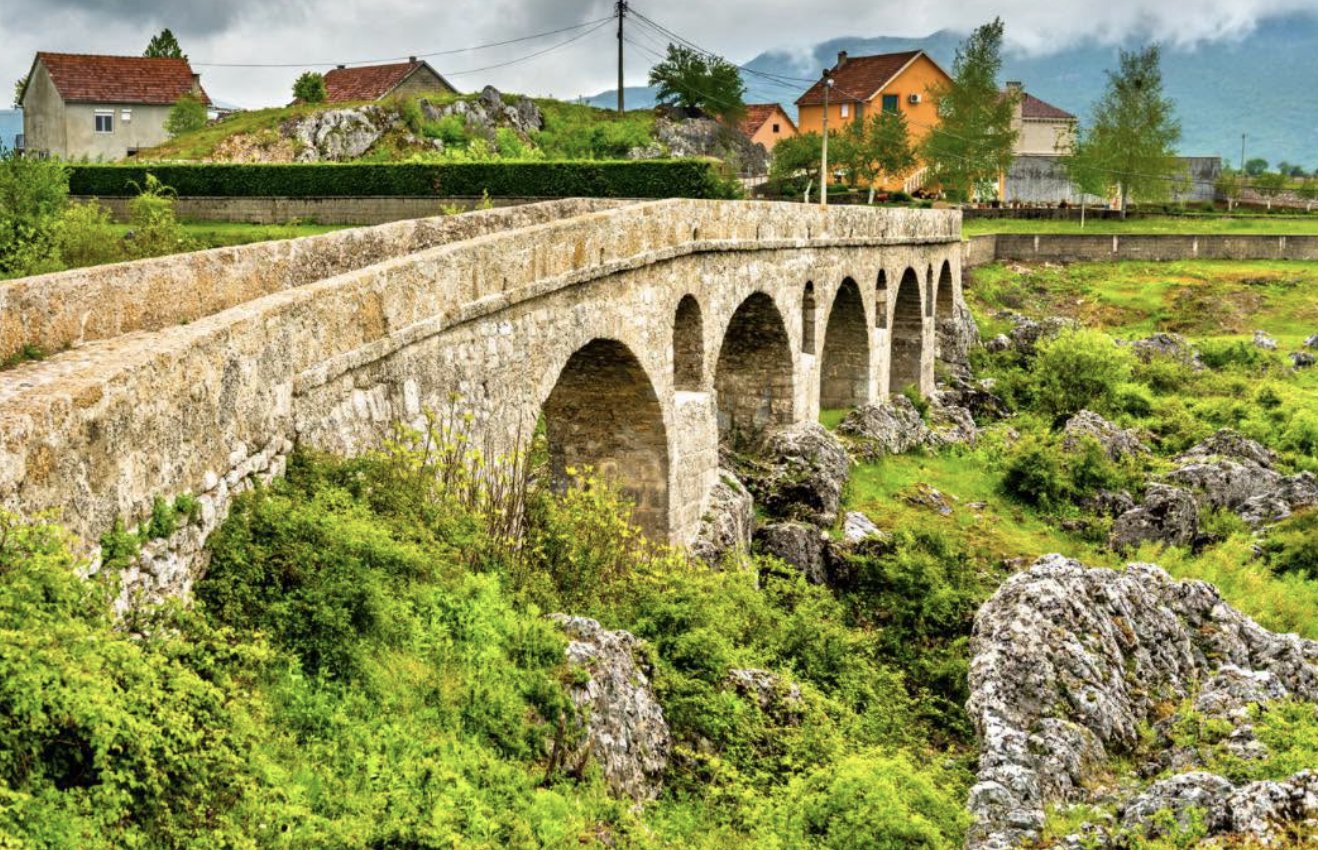
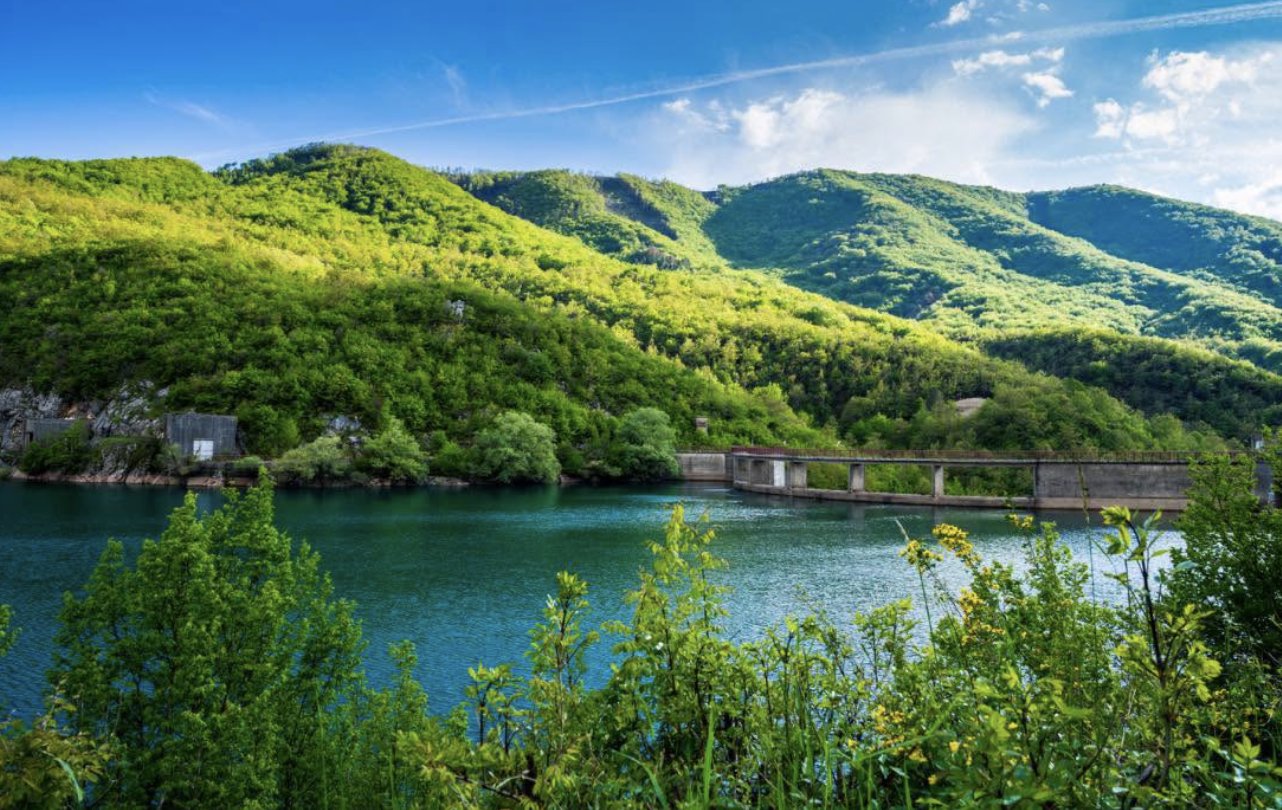
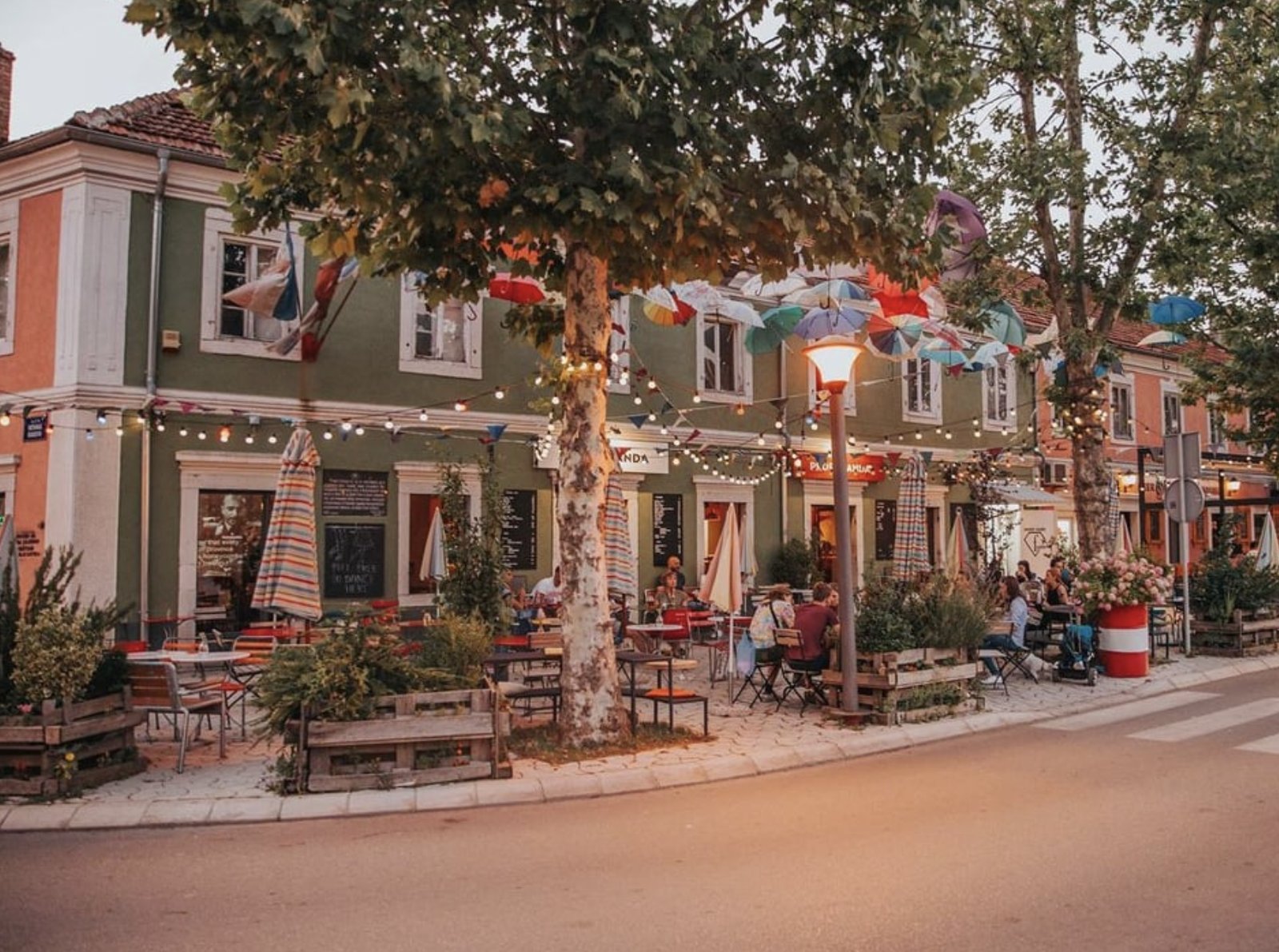
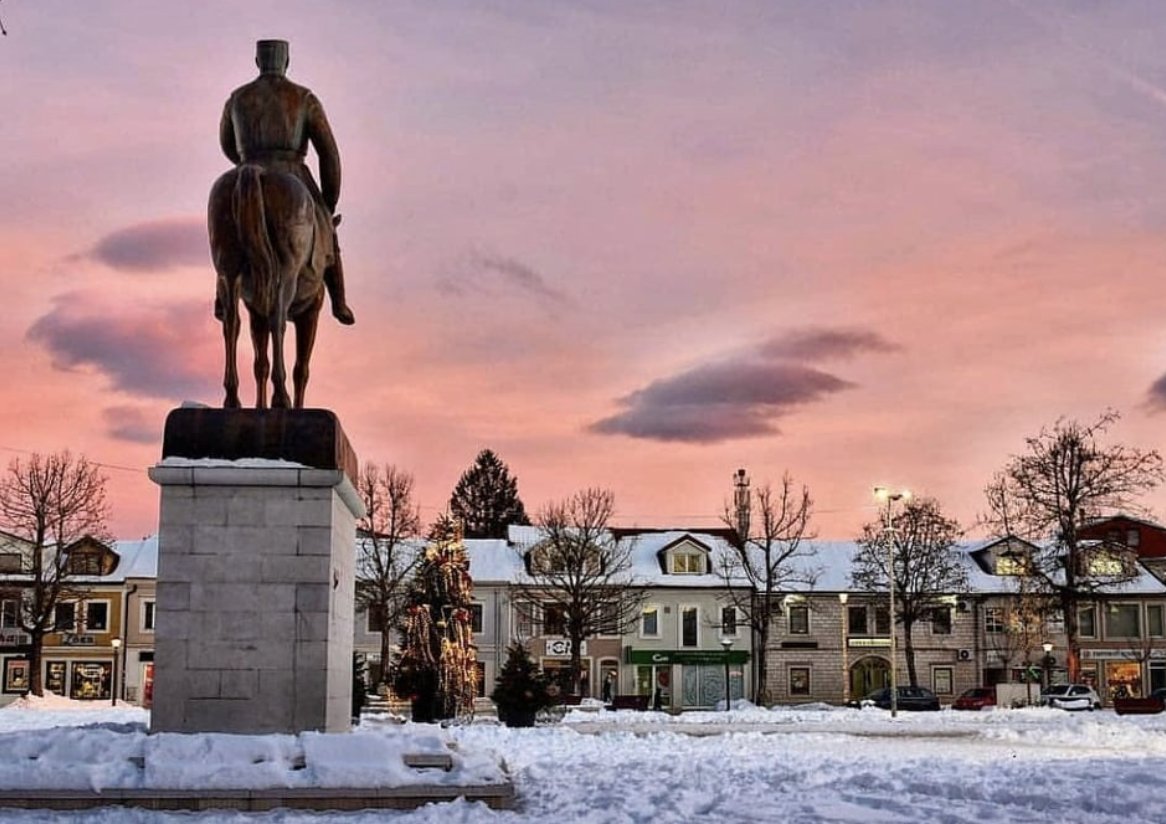
Nikšić has Freedom Square, the Bedem fortress and nearby lakes and historic bridges. Krupac Lake and Carev Most, the Emperor's Bridge, are specific nearby stops to add to your map. Nikšić can also be paired with Ostrog on an inland day trip.
Ostrog Monastery
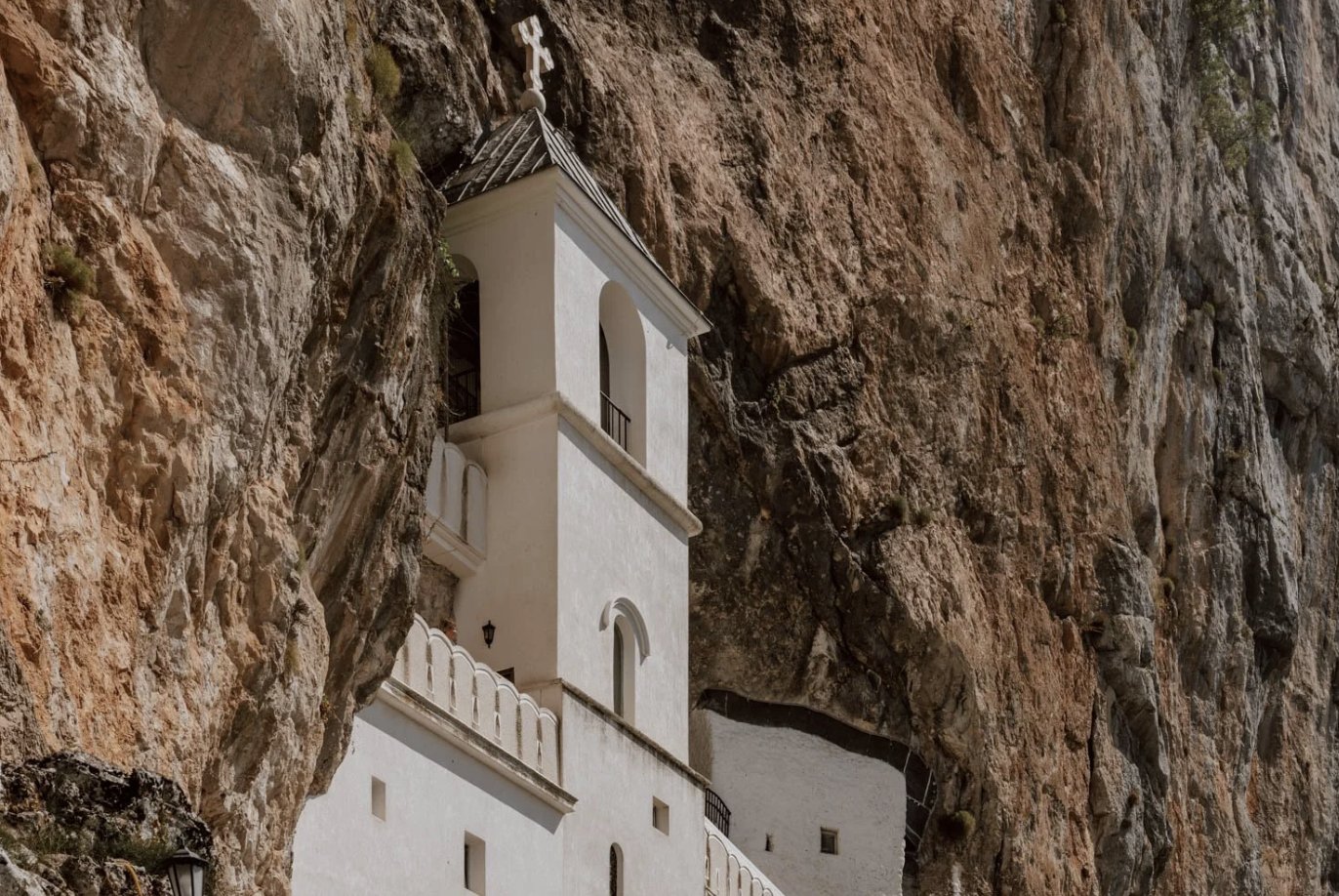
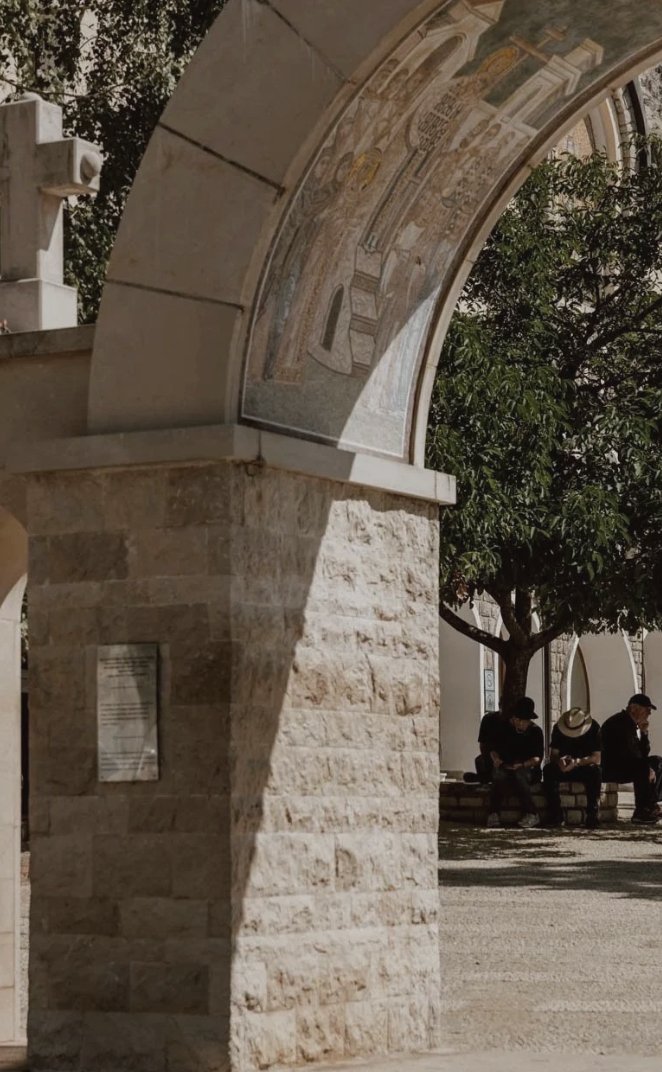
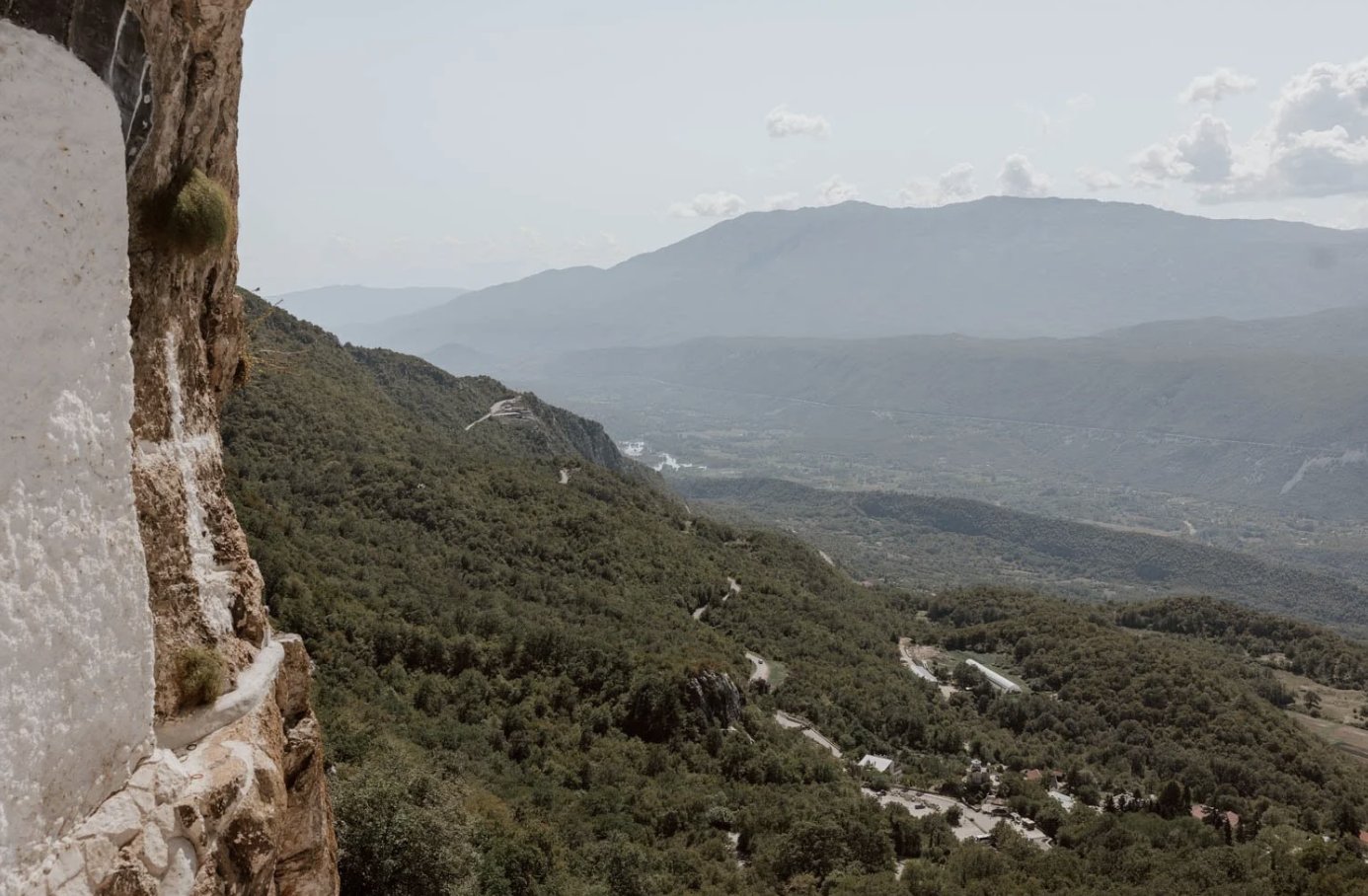
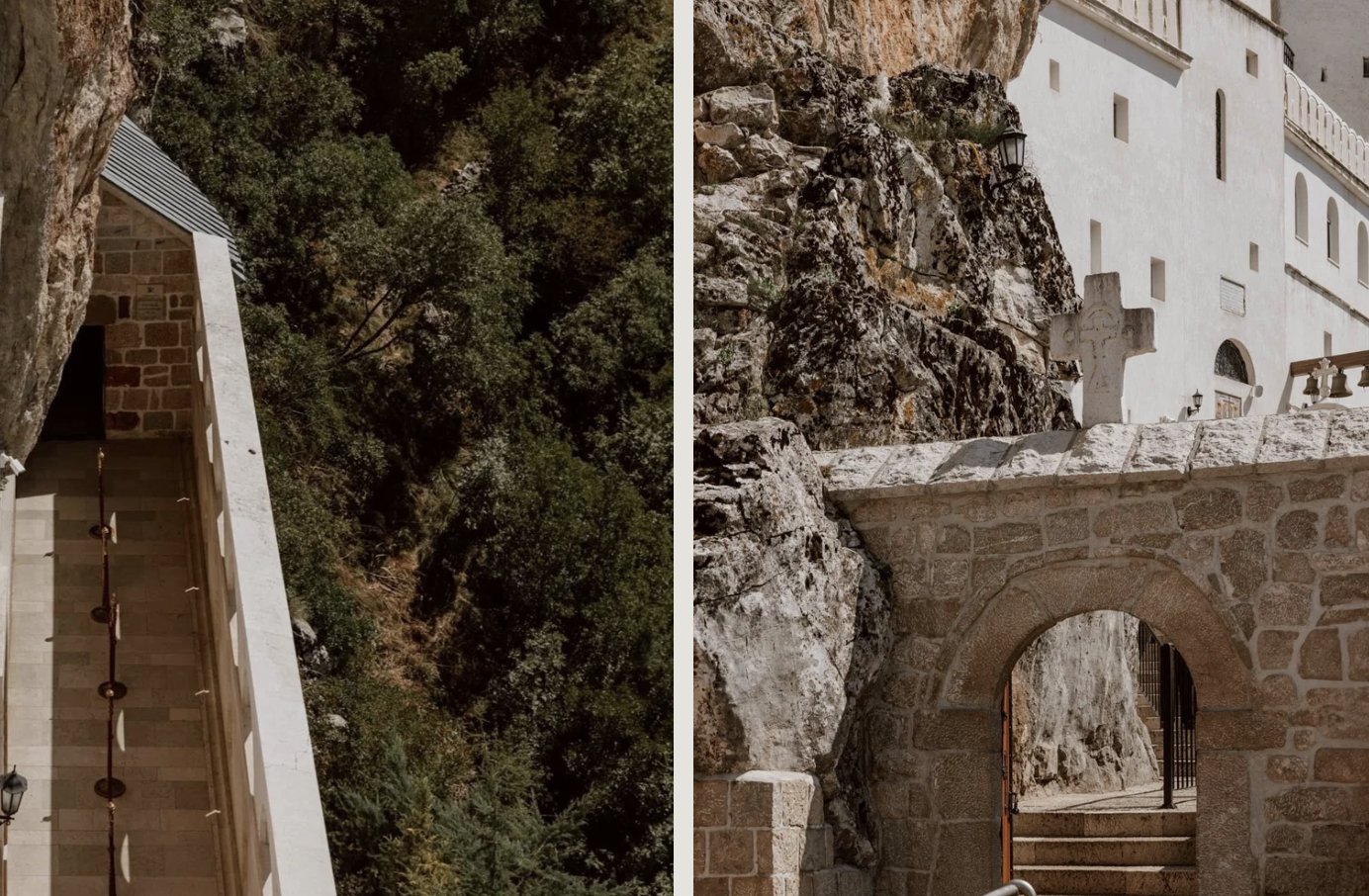
Ostrog Monastery is built into a sheer rock face about 900 metres above the Zeta valley. Founded in the seventeenth century by St Basil of Ostrog, it is one of the most important Orthodox pilgrimage sites in the Balkans. The white upper monastery and its position in the cliff make the approach memorable long before the final courtyard.
Check opening hours, sea conditions and mountain weather before travelling.
Sources & photo credits
- Sutomore
- Tabia, Sutomore
- Haj-Nehaj
- Dague wreck, Bar
- Stari Bar
- Ulcinj old town
- Petrovac
- Budva old town
- Skadar Lake
- Lipa Cave
- Lovćen: the stairs and Njegoš Mausoleum
- Cetinje
- Herceg Novi
- Tivat and the stone houses of Gornja Lastva
- Kotor
- Perast
- From the coast to the northern mountains
- Nikšić
- Ostrog Monastery